
Red Light Therapy (RLT) Pilates has rapidly ascended to the top of the wellness hierarchy because it offers a multi-dimensional approach to health that traditional exercise simply cannot match. By merging the precision of core-stabilizing movements with the cellular-enhancing properties of infrared and near-infrared light, this practice provides a “bio-harmonizing” experience. It is a favorite among enthusiasts because it simultaneously accelerates metabolic rate, promotes deep-tissue detoxification, stimulates collagen production for radiant skin, and significantly reduces the recovery time usually required after intense physical exertion. In essence, it transforms a standard workout into a comprehensive biological reset, allowing practitioners to achieve aesthetic, physical, and internal health milestones in a single, efficient session. This unique synergy between light and motion is why studios from Dubai to New York are seeing a surge in “glow-seekers” who want more than just a sweat—they want a cellular revolution.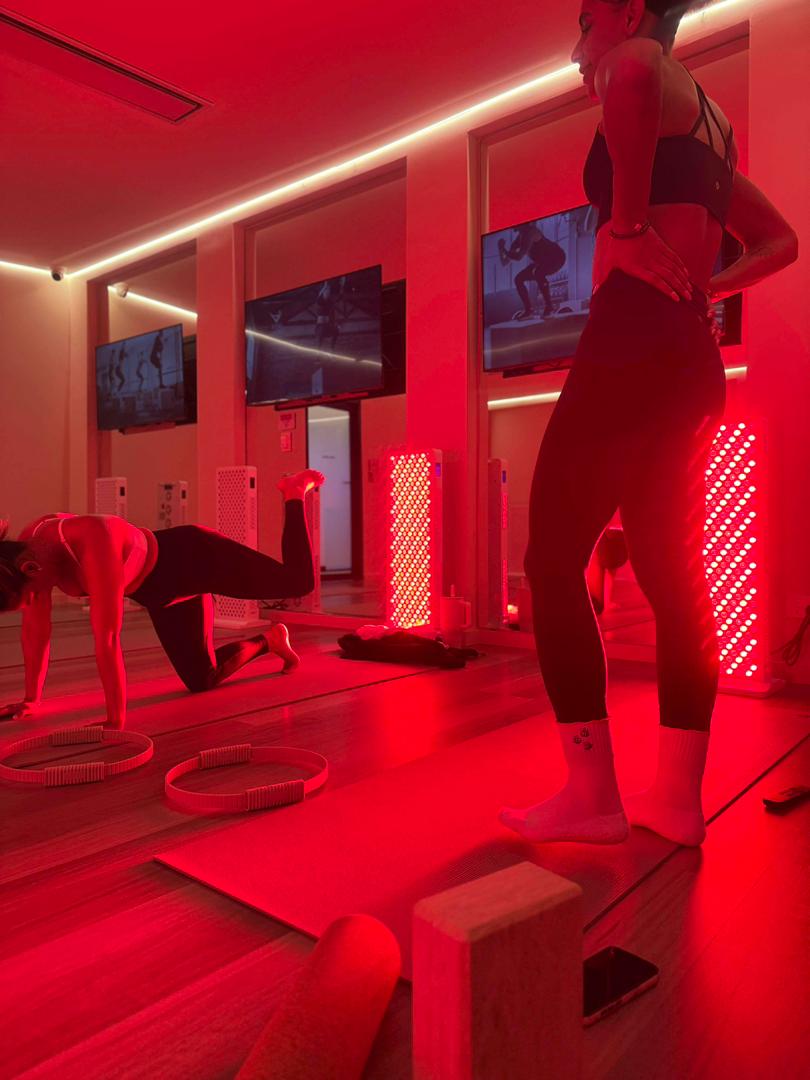
1. What Is the Scientific Foundation of Red Light Therapy Pilates?
To understand why this modality is sweeping the globe, one must first look at the technology powering the glow. Unlike traditional heating elements that warm the air to create a humid environment, infrared technology utilizes light waves to penetrate the skin directly. This process, known as photobiomodulation, interacts with the mitochondria in our cells—the “powerhouses”—to stimulate the production of Adenosine Triphosphate (ATP).
When ATP levels rise, the body functions at a higher efficiency. During a Pilates session, this means your muscles have more “fuel” to perform those grueling slow-burn movements. Furthermore, red light specifically targets the dermis, encouraging the fibroblasts to produce more collagen and elastin. This is why practitioners often report a visible “lift” in their skin quality alongside their muscle tone.
| Aspect | Infrared Pilates Mechanism | Traditional Pilates Mechanism |
|---|---|---|
| Primary Energy Source | Infrared/Near-Infrared Light Wavelengths | Body weight and mechanical resistance |
| Heating Method | Direct subcutaneous warmth (internal) | Ambient room temperature (external) |
| Cellular Impact | Stimulates ATP and Collagen production | Improves muscular endurance and fiber strength |
| Sweat Quality | High-volume detoxifying sweat | Standard thermoregulatory sweat |
2. Why Has This Modality Become the Ultimate Internal Detoxification Tool?
The popularity of Infrared Pilates is deeply rooted in the modern desire for detoxification. We live in an environment filled with pollutants, and traditional exercise often only clears surface-level toxins. Infrared heat, however, penetrates up to several centimeters into the body, reaching the deep tissues and organs. This causes a rise in core temperature that mimics a mild fever, which is the body’s natural way of strengthening the immune system and purging impurities.
By stimulating the lymphatic system through heat and movement, the body becomes more efficient at processing waste. This results in reduced inflammation and a decrease in water retention. For many, the “weight loss” associated with this practice isn’t just fat—it is the removal of inflammatory fluids that cause bloating and sluggishness.
| Benefit Category | Physiological Result | Wellness Outcome |
|---|---|---|
| Circulatory | Vasodilation (widening of blood vessels) | Lower blood pressure and better oxygen delivery |
| Metabolic | Increased heart rate for cooling | Enhanced caloric burn during and after class |
| Lymphatic | Stimulated fluid drainage | Reduced bloating and “water weight” |
| Dermatological | Deep pore cleansing through sweating | The “Post-Pilates Glow” and clearer skin |
3. How Does Infrared Technology Outperform Traditional Hot Pilates Environments?
The distinction between “Hot Pilates” and “Infrared Pilates” is a crucial one that often confuses newcomers. Conventional hot studios use forced air or space heaters to raise the room’s temperature, often to 40°C or higher. This creates a “swampy” feeling where the body struggles to cool itself, leading to exhaustion rather than exhilaration. Infrared Pilates, by contrast, uses panels that emit light waves.
Because the air itself remains relatively cool, the lungs do not feel the strain of breathing in heavy, humid oxygen. This allows the practitioner to maintain the “Lateral Thoracic Breathing” essential to Pilates without gasping. The heat is focused on the tissues, making them more pliable and reducing the risk of strains while performing deep stretches or isometric holds.
| Feature | Conventional Hot Pilates | Infrared Red Light Pilates |
|---|---|---|
| Air Quality | Often humid, heavy, and hard to breathe | Dry, clear, and comfortable for the lungs |
| Sweat Trigger | External heat causing surface moisture | Internal core rise causing deep perspiration |
| Muscle Flexibility | Artificial loosening through heat | Natural, deep tissue relaxation and repair |
| Post-Workout Feeling | Often “drained” or dehydrated | “Recharged,” “vibrant,” and “supple” |
4. Who Can Benefit Most from This Innovative Wellness Fusion?
While Pilates has always been inclusive, the addition of Red Light Therapy makes it a specialized tool for various lifestyles. It is not just for the “boutique fitness” enthusiast; it is a clinical-grade recovery tool disguised as a chic workout. High-performance athletes use it to mitigate Delayed Onset Muscle Soreness (DOMS), while office professionals use it to melt away the tension held in the neck and shoulders from desk work.
Furthermore, individuals dealing with joint pain or mild arthritis often find the gentle, deep-reaching warmth of infrared light to be more soothing than traditional physical therapy. It increases the production of synovial fluid in the joints, allowing for smoother, pain-free movement.
| Target Group | Primary Benefit | Why It Works |
|---|---|---|
| High-Performance Athletes | Accelerated Recovery | Red light reduces inflammatory markers in muscle tissue |
| Office Professionals | Stress Reduction & Posture | The warmth melts away “desk-bound” shoulder tension |
| Skincare Enthusiasts | Anti-Aging & Glow | Near-infrared light boosts natural collagen synthesis |
| Chronic Pain Sufferers | Joint & Muscle Relief | Gentle heat increases blood flow to localized pain sites |
5. Where Should You Practice to Ensure Maximum Safety and Efficacy?
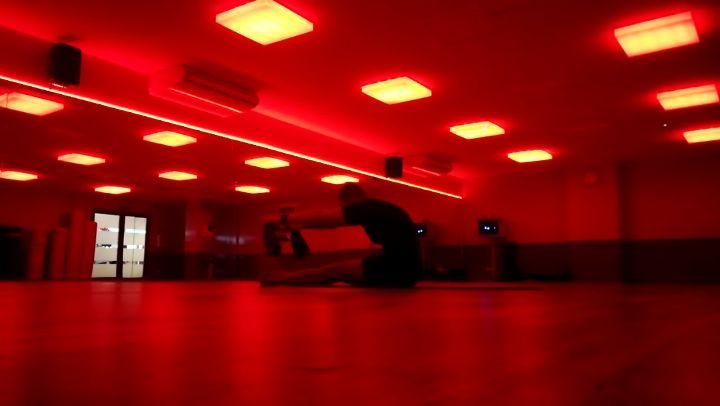
The “Where” of Red Light Therapy Pilates is as much about the atmosphere as it is about the equipment. Leading studios have designed their spaces to be “sanctuaries of light.” These aren’t just gyms; they are curated environments where lighting, temperature, and sound converge to create a sensory experience.
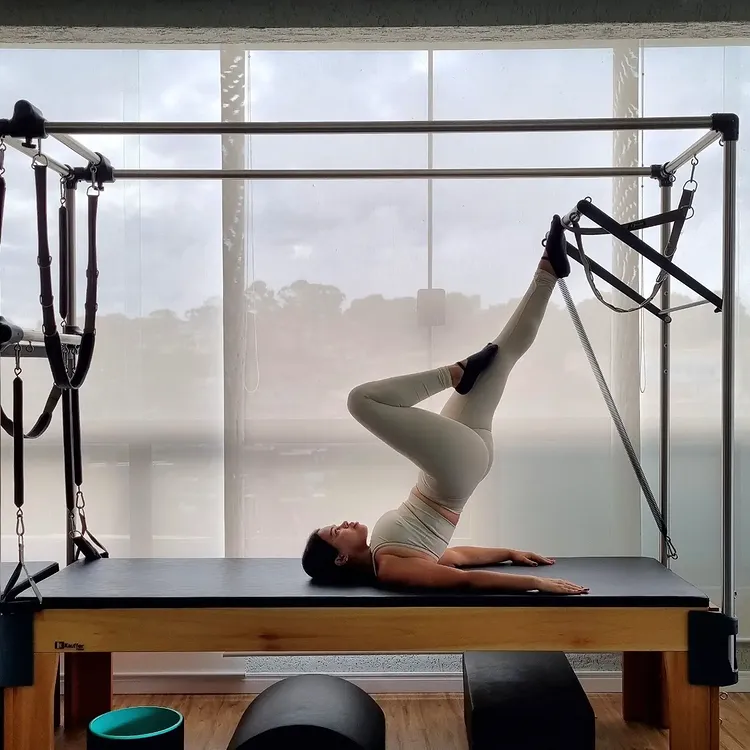
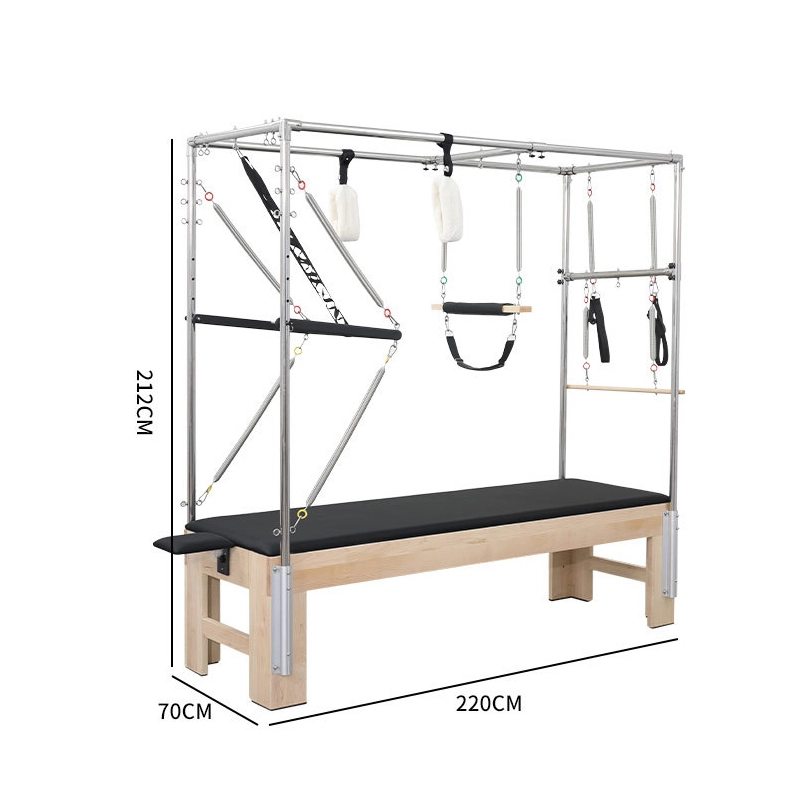
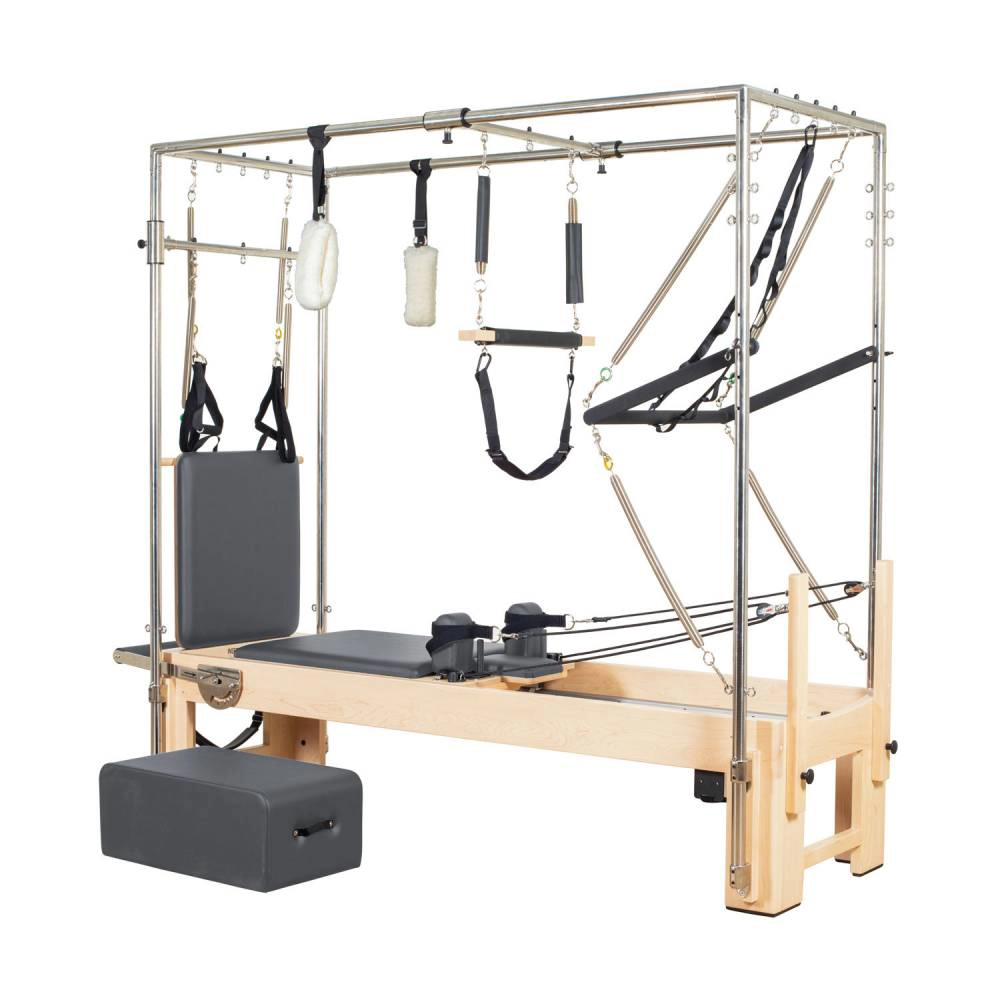
Typically, these sessions are held on high-quality mats rather than Reformer machines. The reason is purely engineering-based: the metal, leather, and springs of a Reformer can become dangerously hot or degrade under constant infrared exposure. By keeping the practice on the mat, instructors can push the body’s limits using gravity and props (like balls, bands, and weights) while ensuring the infrared panels can hit every inch of the practitioner’s skin without obstruction.
6. When Should You Expect to See Transformative Physiological Results?
Consistency is key, but the unique nature of Red Light Therapy means some benefits are felt immediately, while others accumulate over time. The timeline of physiological changes is one of the most exciting aspects for new students. Immediately after a class, the “afterglow” is caused by increased circulation. Within 24 hours, you will notice that you aren’t as stiff as you would be after a standard gym session.
Long-term results, such as improved skin elasticity and denser muscle fibers, typically manifest after 4 to 6 weeks of consistent practice (2-3 times per week). This is the “compounding interest” of wellness—the more you expose your cells to these beneficial wavelengths, the better they perform.
| Timeline | What You Feel | What Is Happening Internally |
|---|---|---|
| Immediately After | The “Afterglow” and mental clarity | Endorphin release and surface vasodilation |
| 24 Hours Later | Reduced muscle stiffness | Red light has mitigated the inflammatory response |
| 1 Month+ | Enhanced core strength | Muscle fibers are denser; metabolic rate is higher |
Feature: The Intersection of Biohacking and Movement
One of the most fascinating aspects of Red Light Therapy Pilates is its alignment with the “Biohacking” movement. Biohacking is the practice of using science and technology to “hack” your body’s biology for better performance. In this context, Pilates provides the movement “software,” while Red Light Therapy provides the cellular “hardware” upgrade.
By exercising in an infrared environment, you are essentially performing two tasks at once: Mechanical Loading (strengthening the muscles) and Photonic Loading (feeding the cells light energy). This synergy is what makes the practice feel so efficient. In a world where time is our most precious commodity, the ability to get a facial (via red light), a detox (via infrared heat), and a full-body workout (via Pilates) in a single hour is a game-changer for the modern professional.
Feature: Chromotherapy and the Psychology of the Crimson Glow
Beyond the physical, there is a profound psychological component to working out under red light. Color therapy, or Chromotherapy, suggests that red light can stimulate energy, focus, and courage. When you enter a studio bathed in a soft crimson hue, your brain receives a signal that it is time to perform.
The heat further aids this by forcing you to focus on your breath. In a standard workout, it is easy to let the mind wander to your to-do list. In an Infrared Pilates class, the sensation of the warmth and the intensity of the light keep you grounded in the present moment. It becomes a moving meditation, where the external heat helps you find your internal center. This mental “reset” is often cited as the reason why practitioners become “obsessed” with the practice—it provides a sanctuary from the digital noise of the outside world.
Frequently Asked Questions (FAQ)
Is Red Light Therapy Pilates safe during pregnancy?
Generally, it is advised to avoid heated infrared classes during pregnancy due to the risk of raising core body temperature, which can be harmful to the developing fetus. However, non-heated Red Light Therapy (using localized panels or masks) may be acceptable. Always consult your obstetrician before starting any new heated exercise regimen.
Do I need to wear special clothing for the red light to work?
While the light can penetrate thin, light-colored fabrics, direct skin exposure is best for maximum cellular benefit. Most practitioners wear standard moisture-wicking leggings and sports bras. To maximize the “skincare” benefits, many opt for shorts and cropped tops to allow more light to hit the limbs and torso.
How does this help with my skin if I am sweating so much?
The sweat produced in an infrared session is actually part of the beauty treatment! Unlike “grimy” sweat from a humid gym, infrared sweat flushes out deep-seated impurities from the pores. When combined with the antibacterial properties of red light, this process helps clear acne and promotes a more resilient skin barrier. Just be sure to rinse with cool water immediately after class to lock in the benefits.
In conclusion, Red Light Therapy Pilates represents the future of the wellness industry by acknowledging that fitness is not just about how we look, but how our cells function. It bridges the gap between aesthetic beauty and athletic performance, offering a sanctuary where heat, light, and movement converge. Whether you are seeking a deeper detox, a faster recovery, or simply a way to elevate your standard Pilates routine, this “hot” new favorite provides a luminous path to your best self.
As we move further into an era of personalized, tech-driven health, Red Light Therapy Pilates stands out as a practice that is as restorative as it is challenging—a true masterpiece of modern wellness. I hope this comprehensive exploration helps you understand the magic behind the glow. If you’re ready to step onto the mat and under the light, your body will certainly thank you!

 English (United States)
  English (Canada)
  English (Australia)
  English (New Zealand)
  English (UK)
  Arabic
  Bulgarian
  Czech
Czech  Danish
  Greek
Greek  Spanish
  Ukrainian
  Turkish
  Thai
Thai  Swedish
  Serbian
  Slovenian
  Slovak
  Russian
  Romanian
  Portuguese (Portugal)
  Portuguese (Brazil)
  Dutch
Dutch  Estonian
  Finnish
  French
  Hindi
Hindi  Croatian
  Indonesian
  Icelandic
  Italian
  Japanese
  Georgian
  German
  Lithuanian
  Polish
  Korean
  Uzbek
Uzbek  Hungarian
  Malay
Malay