
Pilates can effectively support a weight loss journey, though the mechanisms differ from high-intensity cardio exercises like running or spinning. While a standard Pilates session may burn fewer calories minute-for-minute than vigorous aerobics, it aids in weight management by building lean muscle mass, which boosts metabolic rate, and by lowering stress levels, which helps regulate hormones associated with fat storage. Ultimately, when combined with a balanced diet and a holistic fitness routine, Pilates creates physical changes that promote a leaner, more toned physique and sustainable weight maintenance.
1. Why Is Pilates Considered a Viable Strategy for Weight Loss?
The popularity of Pilates has surged among everyone from elite athletes to fitness novices, all praising its ability to transform the body. However, the connection between this low-impact discipline and the scale can be nuanced. To understand why Pilates works for weight loss, we must look beyond simple calorie counting and examine how it functions physiologically.
The Caloric Equation vs. Metabolic Change
The traditional view of weight loss relies heavily on the “calories in versus calories out” model. While valid, this is a simplification. Pilates operates on a different tier of physical conditioning. While you might not see the massive immediate calorie deficit that comes from an hour of kickboxing, Pilates is essentially a body-recomposition tool.
Research suggests that Pilates acts as a catalyst for changing how your body prioritizes energy usage. By engaging in resistance training—whether through body weight on a mat or spring tension on a reformer—you are stimulating muscle tissue. Muscle is metabolically expensive; it requires more energy for your body to sustain than fat tissue does. Therefore, as you build the long, lean muscle characteristic of Pilates, your basal metabolic rate (BMR) increases. This means you burn more calories throughout the day, even when you are sitting at your desk or sleeping.
The Role of Body Composition
The primary reason Pilates is considered viable for weight loss is its ability to alter body composition. This refers to the ratio of fat mass to lean muscle mass.
- The Scale vs. The Mirror: You might lose inches without seeing a drastic drop on the scale immediately. This is because muscle is denser than fat. Pilates tightens and cinches the body, particularly the waistline, giving a leaner appearance even if weight loss is gradual.
- Scientific Backing: Several studies have highlighted these effects. For instance, research involving inactive women with elevated BMI showed that an 8-week Pilates protocol resulted not just in weight loss, but specifically in reduced body fat percentage and smaller waist circumferences. This indicates that Pilates specifically targets the areas most people are concerned about.
Consistency Over Intensity
One of the hidden “whys” behind Pilates’ success is sustainability. High-intensity interval training (HIIT) is effective but has a high burnout and injury rate. Pilates is low-impact and gentle on the joints. Because it feels good and leaves practitioners feeling energized rather than depleted, adherence to the program is often higher. In the long game of weight loss, consistency always beats sporadic intensity.
2. How Does Pilates Influence Caloric Expenditure and Muscle Biology?
Understanding the biological impact of Pilates requires a look at energy expenditure during the workout and the physiological adaptations that occur afterward.
Quantifying the Burn
It is important to manage expectations regarding immediate calorie burn. The number of calories burned depends heavily on your current weight, the intensity of the class, and the type of Pilates performed.
- Mat Pilates: A standard beginner class is generally lower intensity. A 150-pound individual might burn approximately 100 to 110 calories in a 30-minute session.
- Reformer/Advanced Pilates: When resistance is added, or the tempo is increased (often called “Cardio Pilates” or “Power Pilates”), the heart rate remains elevated for longer. In a 60-minute rigorous session, that same individual could burn between 215 to 350 calories.
While these numbers are lower than a 60-minute run (which might burn 500+ calories), the quality of the movement matters. Pilates focuses on “Time Under Tension.” By moving slowly and with control, you fatigue the muscle fibers deeply, triggering repair and growth processes that consume energy long after the workout is over.
The Muscle-Metabolism Connection
The biological “magic” of Pilates lies in hypertrophy of slow-twitch muscle fibers.
- Metabolic Activity: As mentioned, adding muscle increases your resting metabolism. For every pound of muscle gained, your body burns extra calories daily just to maintain it.
- The Afterburn Effect: While less pronounced than in HIIT, intense resistance-based Pilates can induce Excess Post-exercise Oxygen Consumption (EPOC). This means your body continues to consume oxygen (and calories) at a higher rate for hours post-workout to return to homeostasis.
- Insulin Sensitivity: Resistance exercises like Pilates improve how your muscles utilize glucose. Better insulin sensitivity means your body is more efficient at using food for fuel rather than storing it as fat.
3. What Role Does the Mind-Body Connection Play in Shedding Pounds?
Often, the biggest barrier to weight loss is not physical, but mental and hormonal. This is where Pilates holds a distinct advantage over other forms of exercise. It is not just a workout; it is a somatic practice that bridges the gap between mental state and physical health.
The Cortisol Conundrum
Stress is a known contributor to weight gain, specifically abdominal fat. When we are stressed, our bodies release cortisol. Chronically high cortisol levels trigger the body to store fat in the midsection as a survival mechanism and can induce cravings for high-sugar, high-fat comfort foods.
- Pilates as a Stress-Buster: Unlike high-intensity cardio, which can sometimes spike cortisol levels temporarily, Pilates focuses on breathwork, rhythmic movement, and concentration. This down-regulates the nervous system, shifting the body from a “fight or flight” (sympathetic) state to a “rest and digest” (parasympathetic) state.
- The Result: Lower stress levels lead to reduced cortisol, which in turn makes it physically easier for the body to let go of stored fat.
Mindfulness and Eating Habits
The mindfulness cultivated on the mat often translates to mindfulness in the kitchen.
- Proprioception: Pilates teaches you to be acutely aware of your body’s sensations. This heightened awareness can help you distinguish between true physical hunger and emotional hunger.
- Emotional Regulation: Studies involving college students and adults found that Pilates improved self-efficacy and mood. When you feel capable and less anxious, you are less likely to engage in emotional eating or bingeing behaviors.
- Motivation Loop: The “feel-good” endorphins released during Pilates create a positive feedback loop. When you leave a class feeling tall, strong, and accomplished, you are more likely to make healthy food choices to preserve that feeling.
4. Which Type of Pilates Equipment Is Most Effective for Fat Loss?
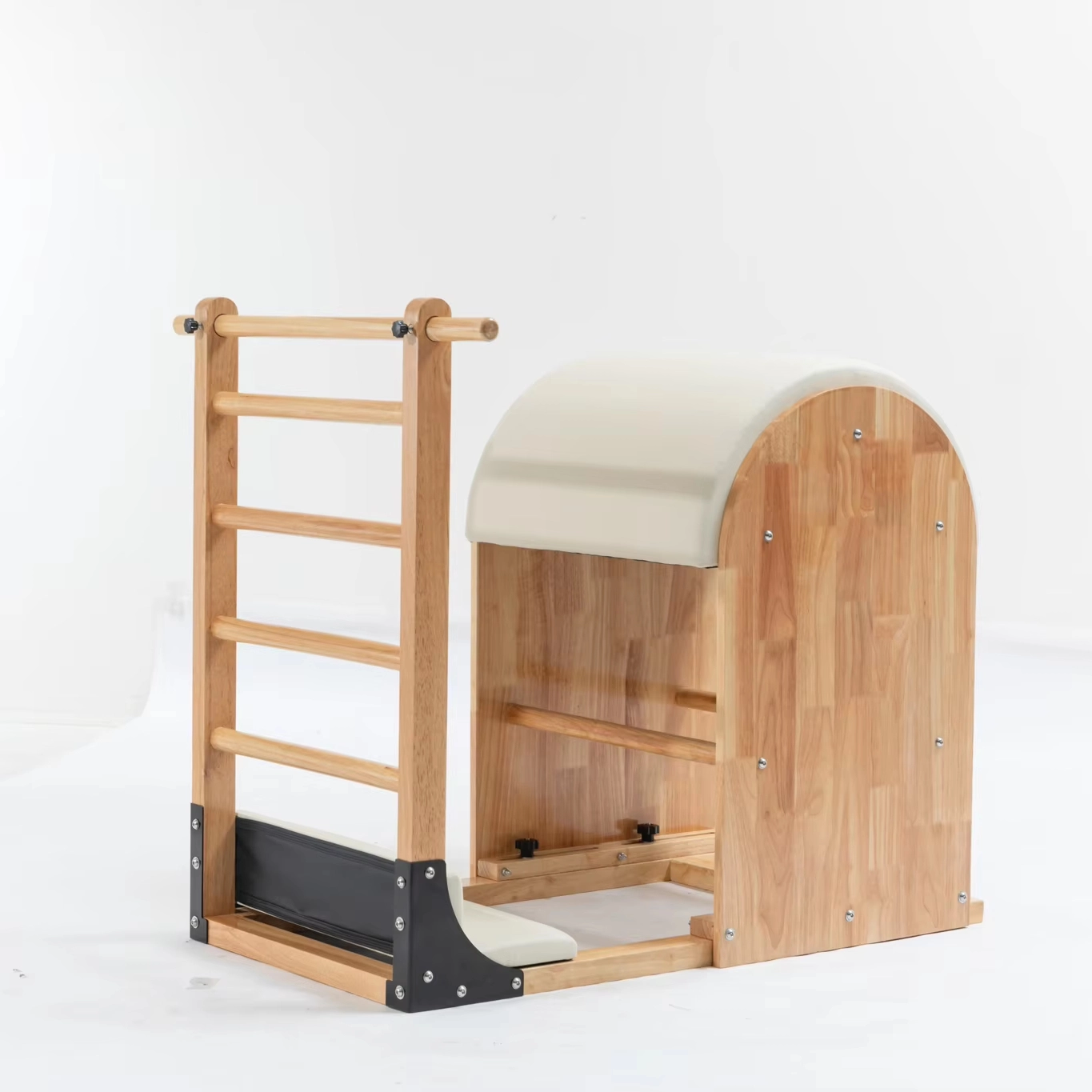
When you decide to start Pilates, you are faced with a choice: Mat or Machine? Both are effective, but they offer different advantages regarding weight loss.
Mat Pilates: The Foundation
Mat Pilates relies on your own body weight and gravity to provide resistance.
- Pros: It is accessible anywhere. It focuses heavily on core engagement to stabilize the body without the assistance of springs.
- Weight Loss Potential: Mat classes can be surprisingly difficult. Advanced mat work flows quickly, keeping the heart rate up. However, for pure resistance training, you are limited by your own mass. To increase weight loss potential on the mat, practitioners often add props like light dumbbells, ankle weights, or the “Magic Circle” (Pilates ring) to increase intensity.
Reformer Pilates: The Resistance Powerhouse
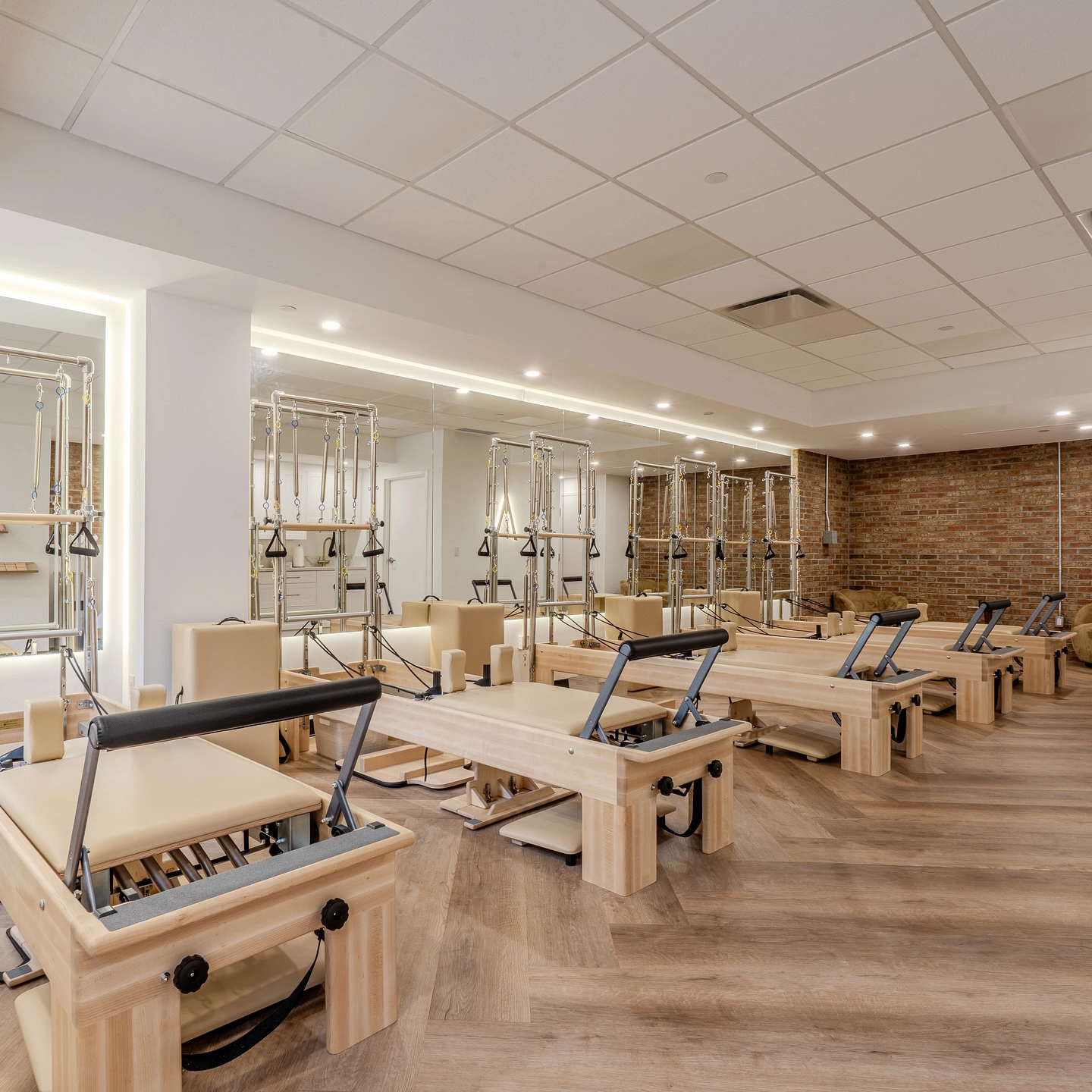
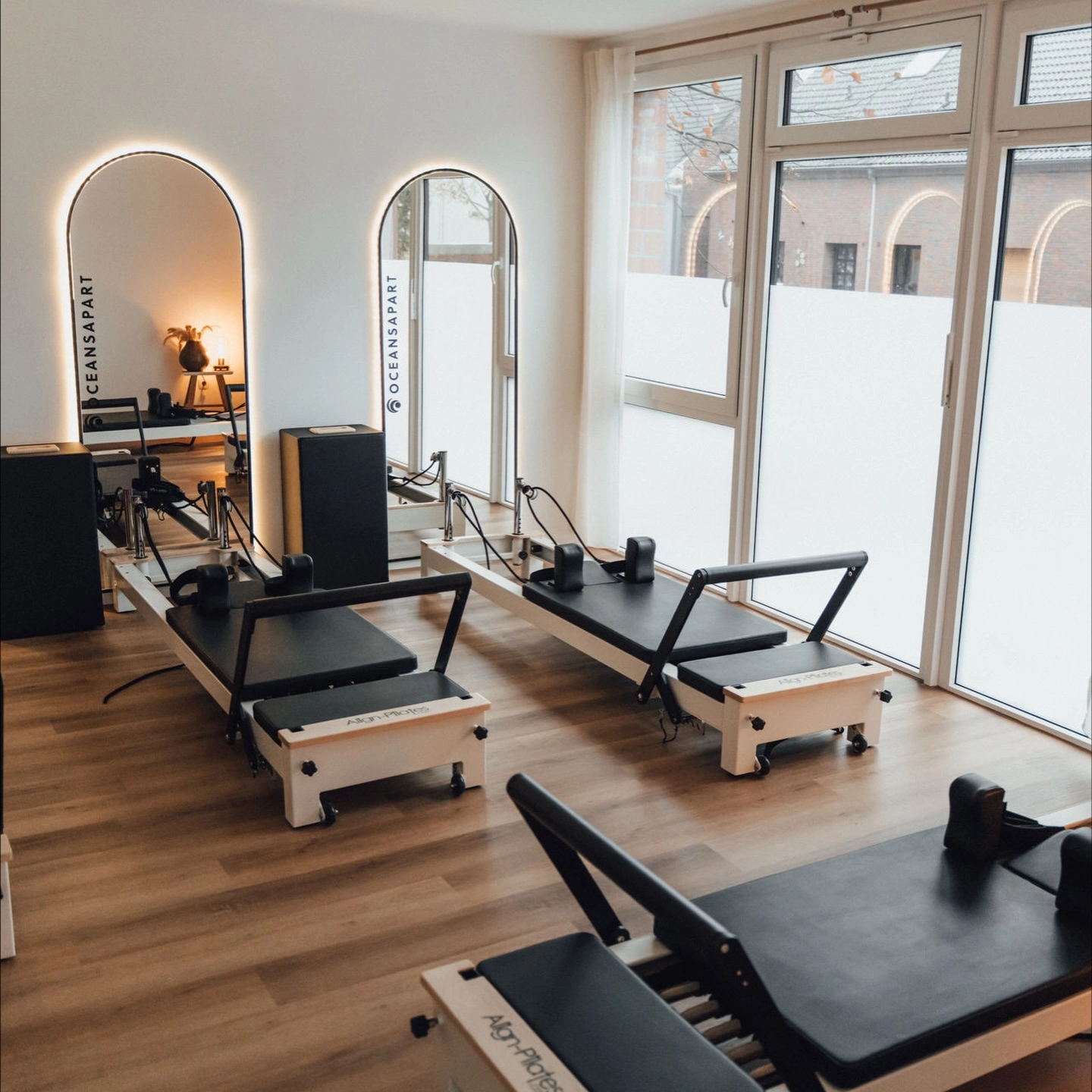
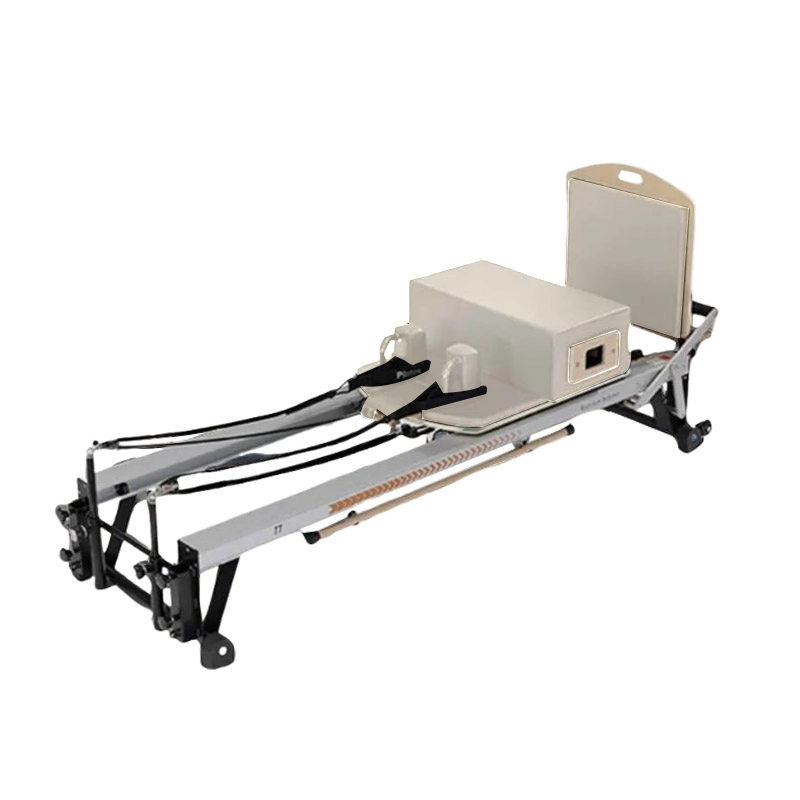
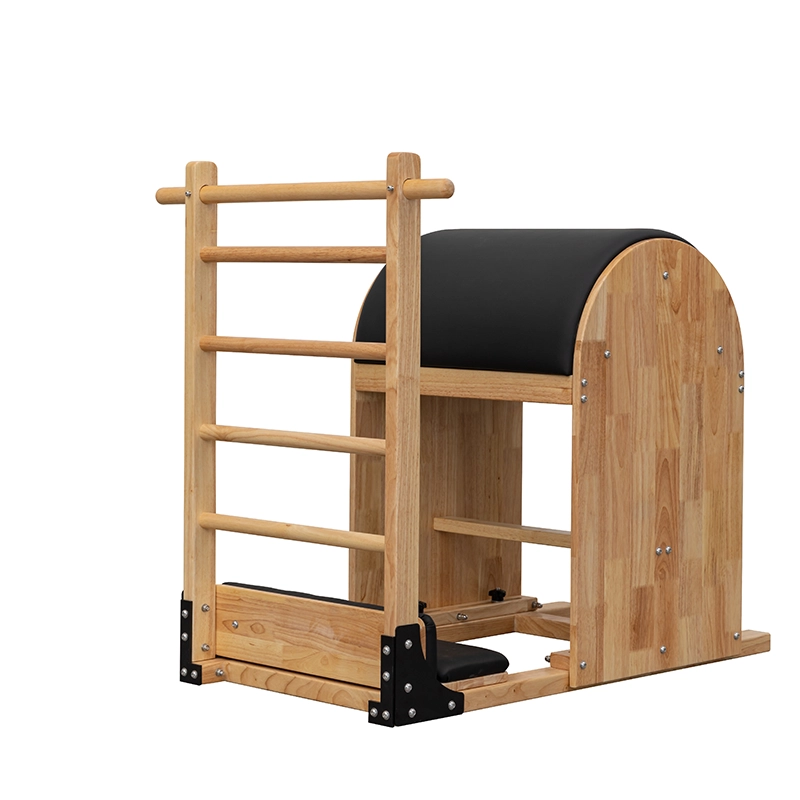
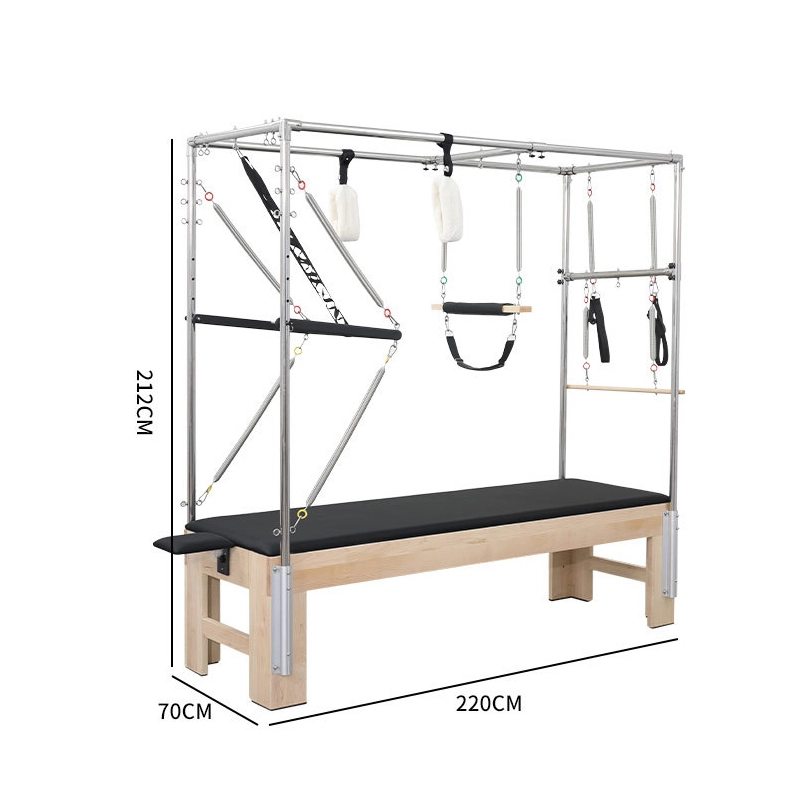
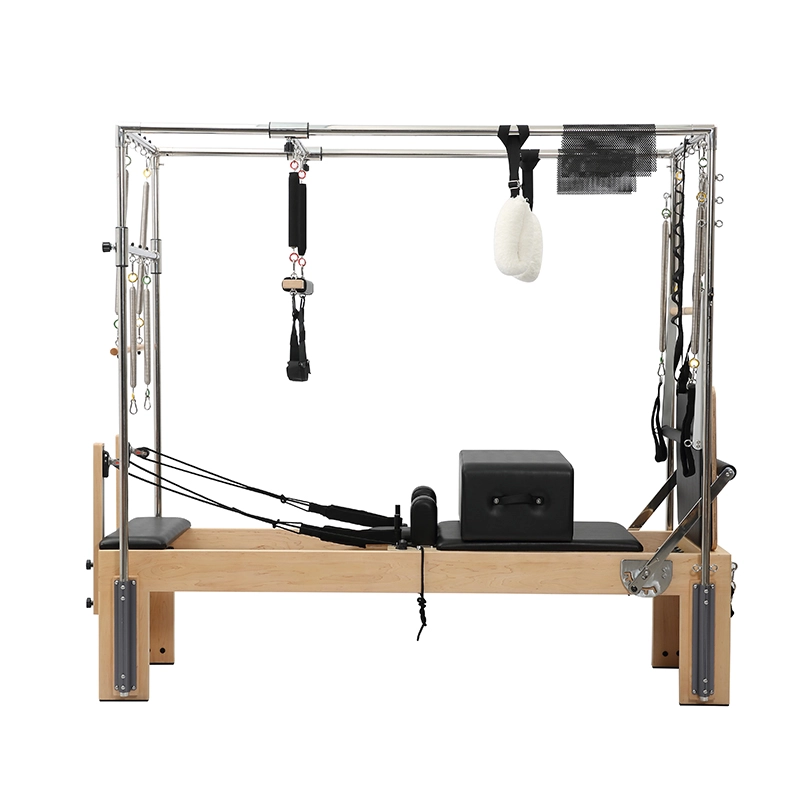
The Reformer is a carriage that slides along rails, attached to a frame by springs of varying tension.
- Pros: The springs provide variable resistance (making it harder) and assistance (making it easier, which allows for holding positions longer). This allows for a greater range of motion and load.
- Weight Loss Potential: Generally, Reformer Pilates is superior for body recomposition. The ability to add heavy resistance allows for greater muscle breakdown and subsequent growth. Furthermore, the Reformer allows for “Jumpboard” classes—a form of plyometric cardio performed horizontally—which significantly increases calorie burn.
Wall Pilates: The At-Home Hybrid
A growing trend, Wall Pilates, uses a standard wall to mimic the resistance and stability of a Reformer footbar.
- Pros: Free and accessible. The wall adds an isometric component that increases the intensity of standard mat moves.
- Weight Loss Potential: It is a step up from standard mat work for beginners, providing a good entry point for those looking to burn calories at home without equipment.
The Verdict?
For maximum weight loss results, a combination is ideal. However, Reformer Pilates generally edges out Mat Pilates due to the added external resistance, which drives muscle development and metabolic rate more aggressively.
5. When and How Often Should You Practice to See Tangible Results?
Joseph Pilates, the founder of the method, famously said: “In 10 sessions you will feel the difference, in 20 you will see the difference, and in 30 you will have a whole new body.” But what does that look like in a weekly schedule focused on weight loss?
The Frequency Sweet Spot
There is no one-size-fits-all prescription, but research and expert consensus point to specific frequencies.
- Maintenance: 1 to 2 times per week is excellent for flexibility and pain management but may not be enough to trigger significant weight loss.
- Weight Loss Mode: To change body composition, aiming for 3 to 4 sessions per week is the gold standard. This frequency ensures that you are stimulating the muscles regularly enough to encourage adaptation while allowing for recovery.
The Importance of Progression
Doing the same beginner routine for a year will result in a plateau. To continue losing weight, you must apply the principle of “progressive overload.”
- Increase Intensity: As you get stronger, move to intermediate or advanced classes.
- Decrease Rest: Minimize breaks between exercises to keep the heart rate up.
- Increase Complexity: Move from simple stabilization exercises to complex, compound movements that utilize multiple muscle groups simultaneously.
Sample Schedule for Weight Loss
- Monday: Reformer Flow (Strength focus)
- Tuesday: 30-minute Brisk Walk (Cardio)
- Wednesday: Mat Pilates with Props (Endurance focus)
- Thursday: Rest or Gentle Stretching
- Friday: Cardio Pilates or Jumpboard (High calorie burn)
- Saturday: Active hobby (Hiking, swimming)
- Sunday: Rest
6. Who Can Benefit from the Additional Physical Health Advantages?
While weight loss is a primary goal for many, the secondary benefits of Pilates often become the reason people stay with the practice for life. These benefits actually support weight loss indirectly by keeping the body functional and injury-free.
Developing the “Powerhouse”
In Pilates, the core is referred to as the “Powerhouse.” This includes the abdominals, lower back muscles, pelvic floor, hips, and glutes.
- The Benefit: A strong core acts as a corset for the spine. It pulls the abdominal wall in, creating a flatter stomach appearance even before fat loss occurs.
- Functional Weight Loss: A strong core allows you to perform other exercises better. You will run faster, lift heavier weights, and hike longer with a strong core, leading to greater overall calorie burn.
Easing Aches and Pains
Obesity or excess weight often brings musculoskeletal pain, particularly in the lower back and knees.
- Rehabilitation: Pilates is widely used in physical therapy. It corrects muscular imbalances and aligns the skeleton.
- The Cycle of Wellness: When you are in pain, you don’t move. When you don’t move, you gain weight. By curing chronic back or joint pain through Pilates, you remove the physical barrier to exercise, allowing for a more active lifestyle.

Flexibility and Balance
Flexibility is not just about doing the splits; it is about the range of motion.
- Efficiency: Tight muscles restrict movement. Flexible muscles allow you to squat deeper and reach further, making every workout more efficient and calorie-consuming.
- Balance: Improved balance (proprioception) prevents falls and injuries, particularly as we age. Being injury-free is critical for consistent weight management.
7. How Should You Eat to Maximize Pilates Results?
You cannot out-train a poor diet, and this is especially true for Pilates, which does not have the massive calorie buffer of marathon running. To unlock the weight loss potential of Pilates, your nutrition must be aligned.
Prioritize Protein
Since Pilates breaks down muscle fibers to rebuild them stronger, protein intake is non-negotiable.
- Why: Protein provides the amino acids necessary for muscle repair. It also has a high thermic effect of food (TEF), meaning your body burns more calories digesting protein than carbs or fat.
- Action: Aim to include a source of lean protein (chicken, fish, tofu, legumes, Greek yogurt) with every meal.
Timing Your Nutrition
- Pre-Workout: Pilates requires core compression. Eating a heavy meal right before class can lead to discomfort or heartburn. Opt for a light, easily digestible snack 45-60 minutes before, like a banana or a handful of almonds.
- Post-Workout: Refuel within an hour. A combination of protein and healthy carbohydrates will replenish glycogen stores and kickstart muscle recovery.
Hydration
Water is essential for metabolic function. Furthermore, Pilates moves lymph fluid through the body. staying hydrated helps flush out toxins released during the workout and reduces water retention, which can mask weight loss.
Avoiding the “Reward” Trap
A common mistake is “eating back” exercise calories. If you burn 200 calories in Pilates but treat yourself to a 400-calorie smoothie afterward, you will gain weight. View food as fuel for your practice, not a reward for it.
8. What Does a Fat-Burning Pilates Routine Look Like?
If you are doing Pilates at home and want to focus on weight loss, you need a routine that keeps the heart rate up and engages the largest muscle groups (glutes, thighs, back). Here is a sample “Power Mat” circuit.
Instructions: Perform each move for 45 seconds, with 15 seconds of rest. Repeat the circuit 3 times.
- The Hundred: Lying on your back, legs in tabletop or extended 45 degrees. Curl head and shoulders up. Pump arms vigorously by your sides while inhaling for 5 counts and exhaling for 5 counts.
- Target: Deep core warm-up and circulation.
- Plank to Pike: Start in a high plank (push-up position). Engage abs to lift hips high toward the ceiling (Pike/Down Dog), then return to plank with control.
- Target: Shoulders, core, and stability.
- Criss-Cross: Lying on back, hands behind head. Twist right elbow to left knee while extending the right leg long. Switch. Move slowly to burn, or quickly for cardio.
- Target: Obliques (waistline).
- Double Leg Kick: Lying on stomach, hands clasped behind back. Kick both heels to glutes twice, then extend legs long and lift chest high, reaching knuckles toward heels.
- Target: Glutes, hamstrings, and back extension (posture).
- Side-Lying Leg Circles: Lying on your side, lift the top leg and draw large, controlled circles. Keep the torso perfectly still.
- Target: Hips and outer thighs.
- Mountain Climbers: From a plank position, drive knees into the chest alternately. Perform this quickly.
- Target: Cardio burst and caloric burn.
Tez-tez so'raladigan savollar
Is Pilates good for fat loss, specifically belly fat?
While spot reduction (losing fat from only one specific area) is a biological myth, Pilates is exceptionally good for the abdominal area. It strengthens the Transversus Abdominis, the deepest layer of abdominal muscle that wraps around the waist like a corset. While you lose fat systemically through a calorie deficit, the strengthening of these deep muscles pulls the waist in tightly, creating a flatter appearance faster than many other exercises. Furthermore, by lowering stress (cortisol), Pilates helps combat the hormonal drive to store fat in the belly.
Is yoga or Pilates better for weight loss?
Both are excellent, but they serve different functions. Yoga generally focuses more on flexibility, static holding of poses, and spiritual connection. While vigorous Vinyasa yoga can burn calories, Pilates is generally more dynamic and focused on repetitive resistance movements. Because Pilates places a higher emphasis on resistance and time-under-tension to build muscle density, it often gives a slight edge for body recomposition and metabolic boosting compared to standard Hatha yoga. However, the best exercise is the one you enjoy and will do consistently.
Is Pilates and walking enough exercise to lose weight?
Yes, this is actually a highly effective combination favored by many fitness experts. Walking serves as Low-Intensity Steady State (LISS) cardio, which burns calories directly using fat as fuel without spiking cortisol or hunger. Pilates provides the strength training component necessary to build muscle and shape the body. Together, they cover the three pillars of fitness: cardio (walking), strength (Pilates), and mobility (Pilates). This “low-impact” pairing is sustainable long-term, reducing the risk of burnout or injury while providing steady weight loss results.
Can I do Reformer Pilates if I am overweight or out of shape?
Absolutely. Reformer Pilates is one of the most accessible forms of exercise for individuals carrying extra weight. The carriage supports your body weight, removing stress from the knees and ankles, which is often a barrier in running or aerobics. The springs assist movement, meaning you can perform exercises on the machine that you might not be able to do on a mat (like a sit-up). It is a judgment-free, adaptable method where the machine meets you at your current level.
The Bottom Line
Pilates may not be the highest calorie-burning exercise in existence, but to dismiss it as a weight loss tool would be a mistake. Its true power lies in its ability to reshape the body’s composition, replacing fat with metabolically active lean muscle. Beyond the physical, Pilates offers a unique mental component that reduces stress-induced weight gain and fosters a mindfulness that permeates dietary choices.
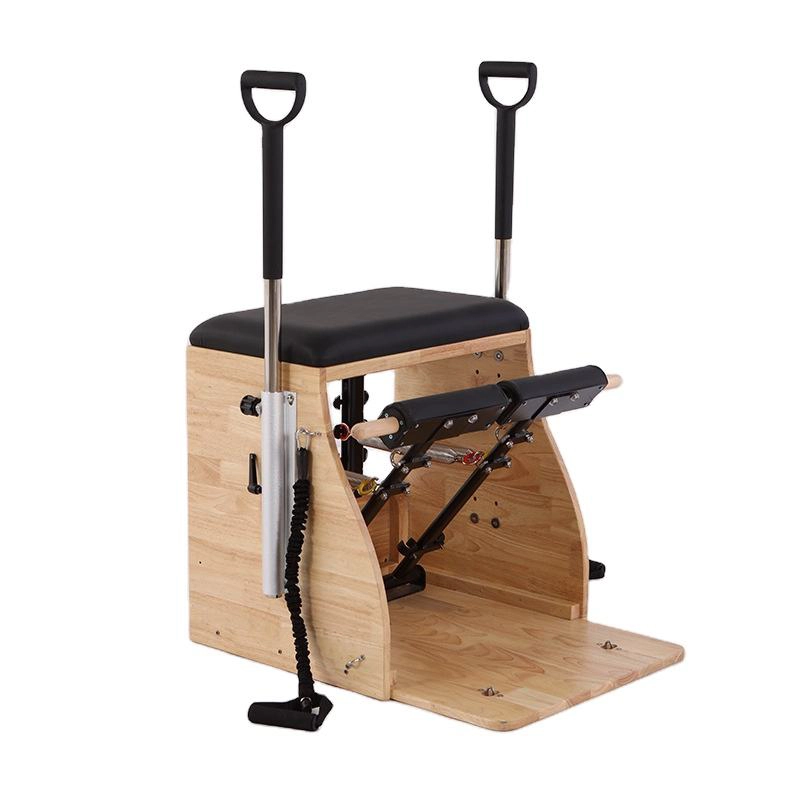
When you commit to a regular practice—ideally three times a week—and combine it with smart nutritional habits and general activity like walking, Pilates becomes a formidable ally. It strengthens the core, prevents injury, and creates a long, lean physique. Whether you are on the mat or the Islohotchi, Pilates offers a sustainable, enjoyable path to a healthier weight and a stronger body.
 English (United States)
  English (Canada)
  English (Australia)
  English (New Zealand)
  English (UK)
  Arabic
  Bulgarian
  Czech
Czech  Danish
  Greek
Greek  Spanish
  Ukrainian
  Turkish
  Thai
Thai  Swedish
  Serbian
  Slovenian
  Slovak
  Russian
  Romanian
  Portuguese (Portugal)
  Portuguese (Brazil)
  Norwegian
  Dutch
Dutch  Estonian
  Finnish
  French
  Hindi
Hindi  Croatian
  Indonesian
  Icelandic
  Italian
  Japanese
  Georgian
  German
  Lithuanian
  Polish
  Korean
  Uzbek
Uzbek  Hungarian
  Malay
Malay