
Pilates is a comprehensive system of movement that is good for optimizing total human performance, rehabilitating musculoskeletal injuries, and fostering profound longevity. It is good for realigning the skeletal structure, fortifying the deep stabilizing muscles that protect the spine, and enhancing the connection between the mind and the physical body. Whether you are an elite athlete seeking to prevent injury, a new mother recovering from childbirth, or an older adult striving to maintain independence, Pilates serves as a foundational practice that enhances every other aspect of physical life. It transforms the body from a collection of separate parts into a cohesive, efficient, and resilient vessel.
Since its inception by Joseph Pilates in the early 20th century, this method has evolved from a niche rehabilitation tool into a global wellness phenomenon. However, its core purpose remains unchanged: to integrate breath, control, and precision to create a body that is uniformly developed. By prioritizing quality of movement over quantity of repetition, Pilates is good for correcting the imbalances of modern sedentary living, alleviating chronic pain, and boosting systemic energy. It is not just exercise; it is a discipline of physical maintenance that ensures the body functions at its peak capacity for as long as possible.

1. What distinguishes the Pilates method as a unique system of conditioning?
To understand what Pilates is good for, one must first appreciate what sets it apart from other fitness modalities. Unlike traditional weightlifting, which often isolates specific muscle groups (like biceps or quads) using gravity-dependent loads, Pilates focuses on the body as an integrated kinetic chain. It emphasizes “Contrology”—the complete coordination of the body, mind, and spirit.
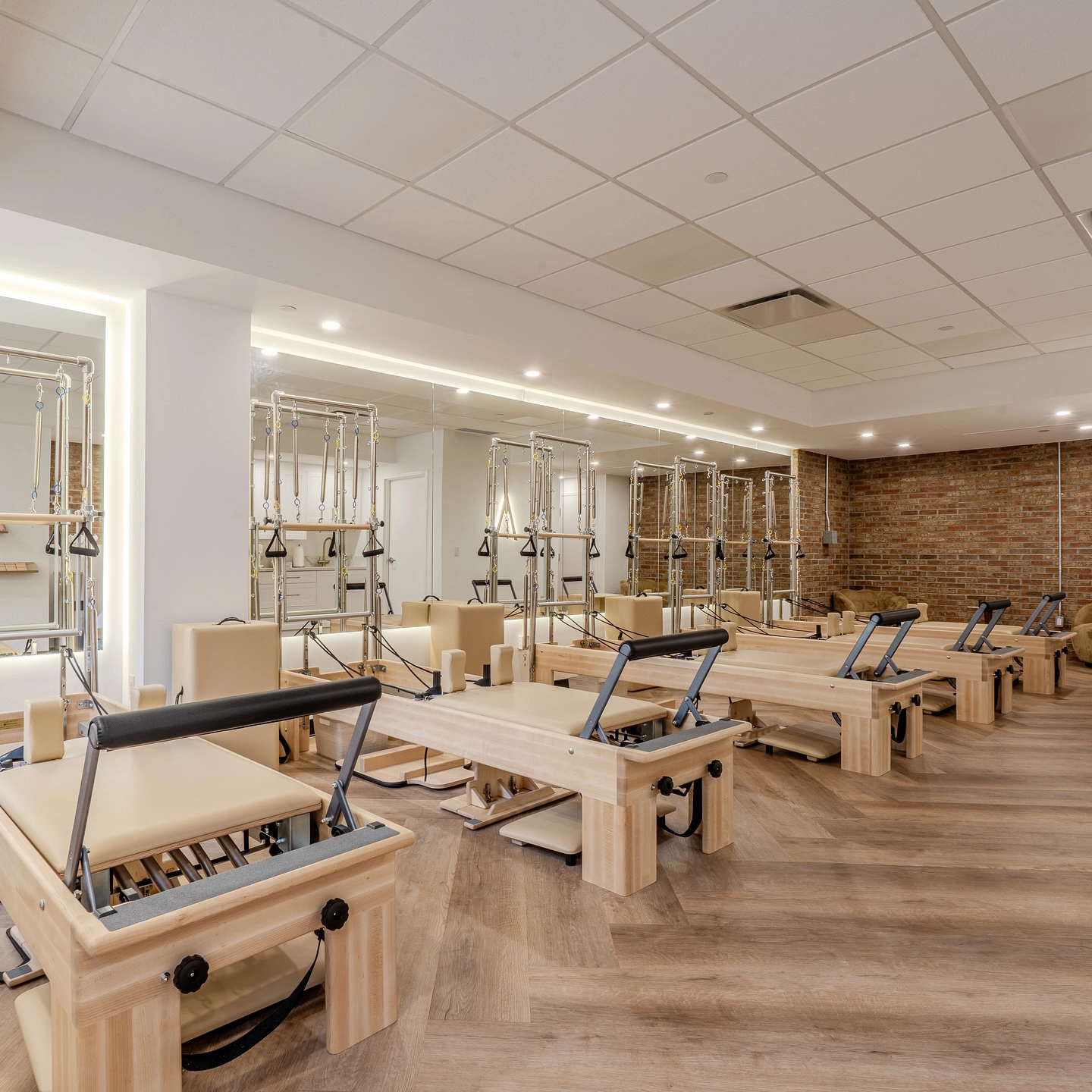
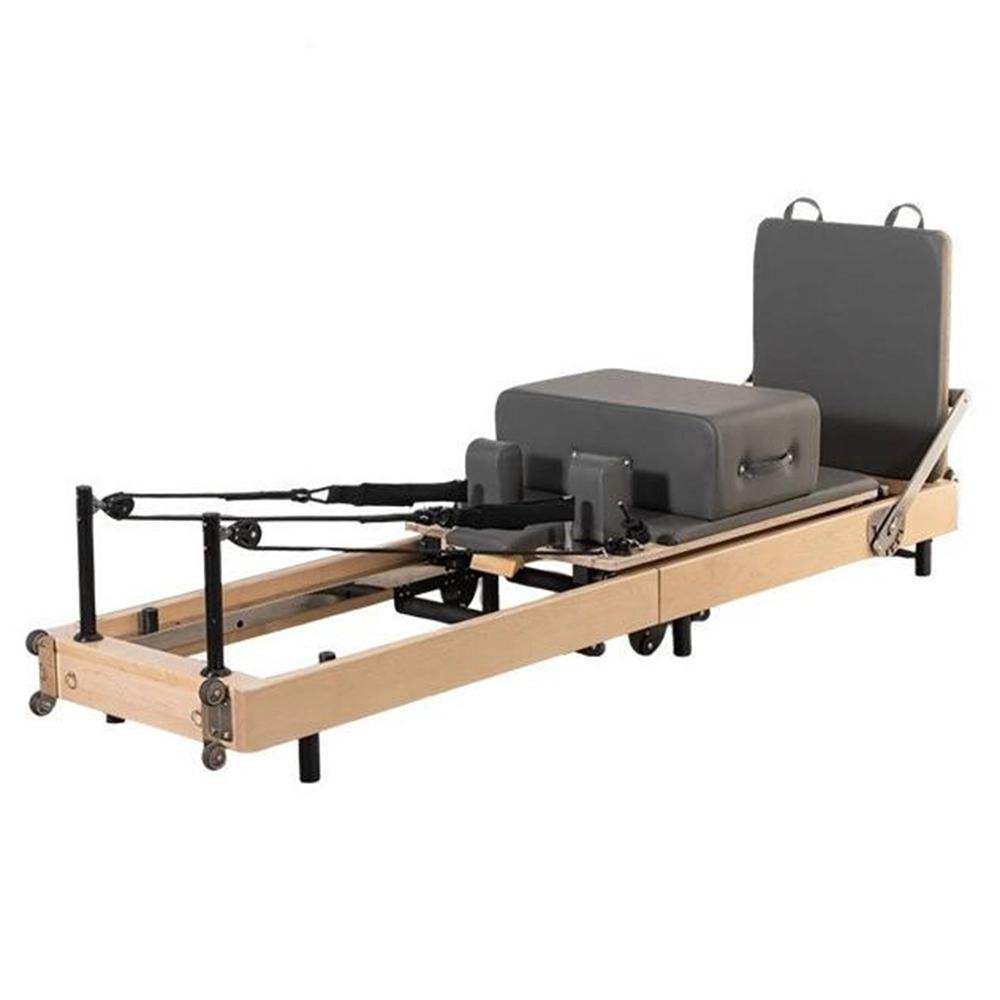
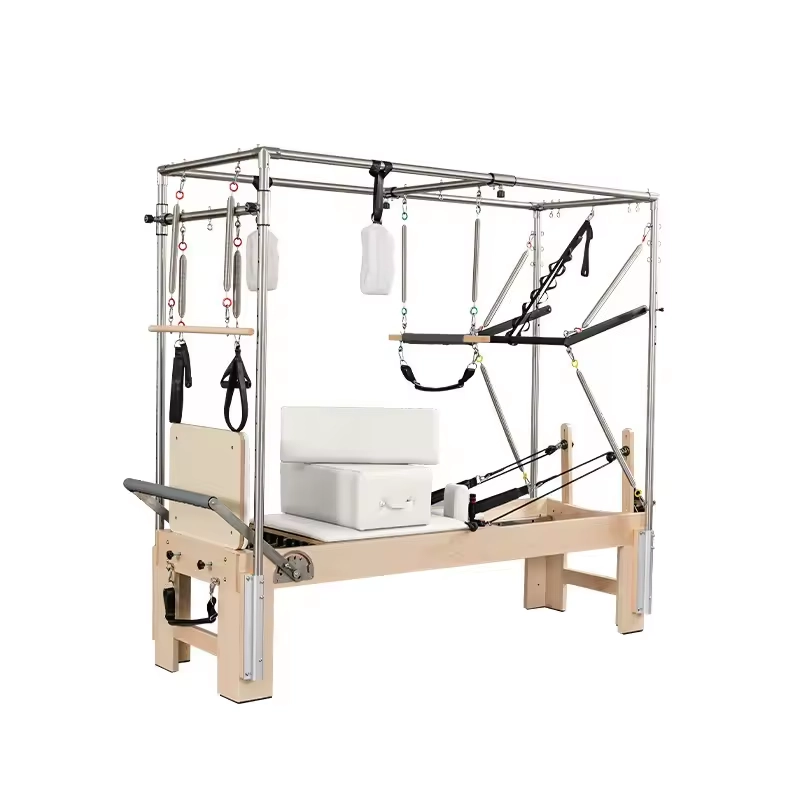
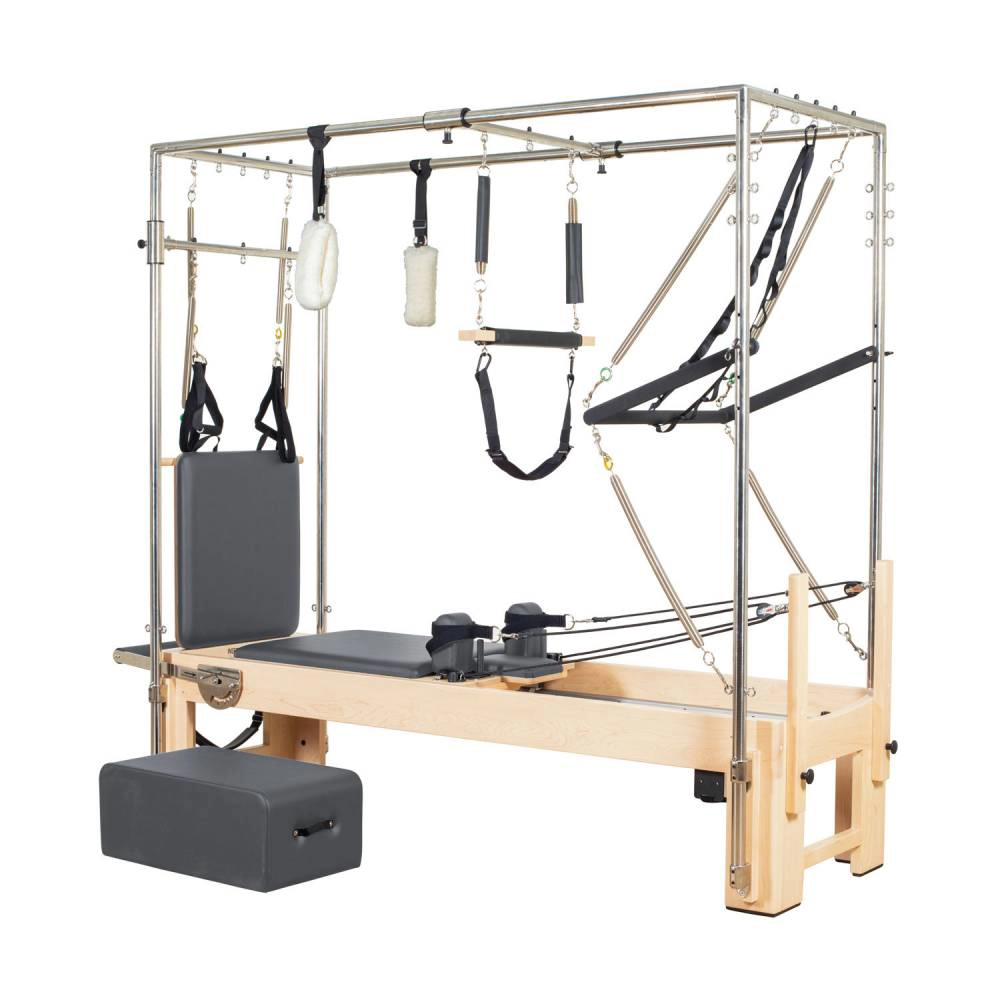
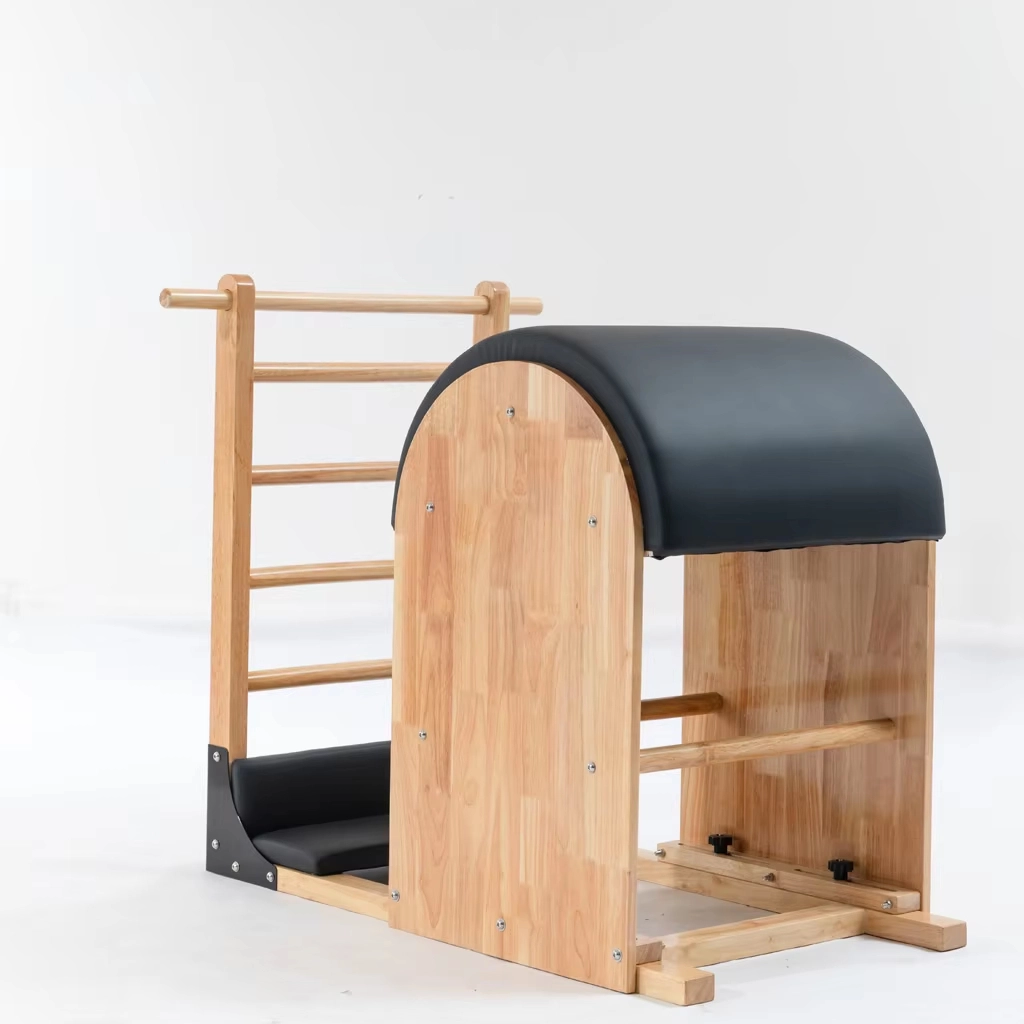
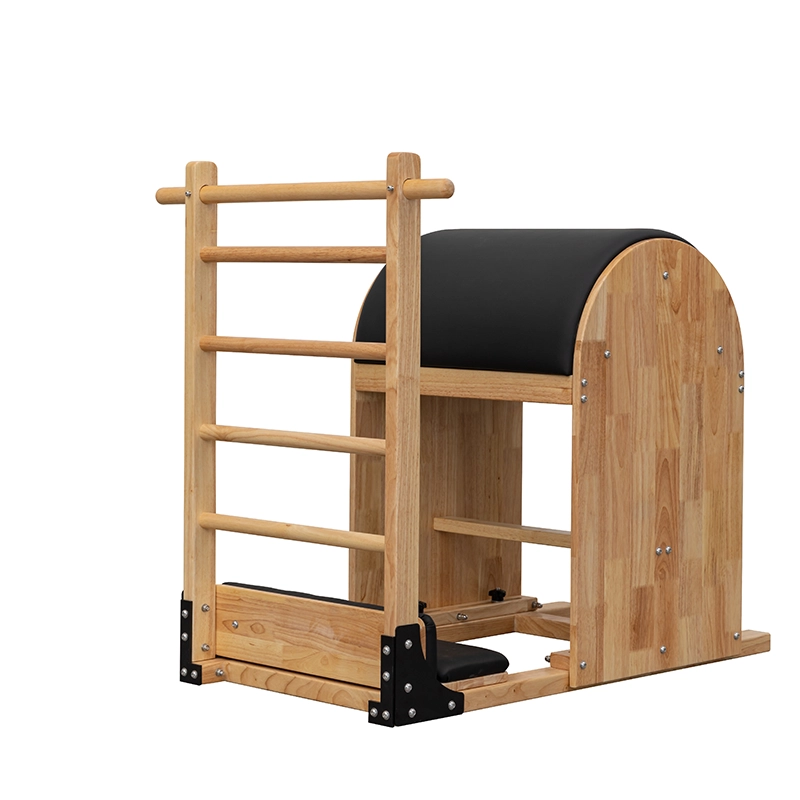
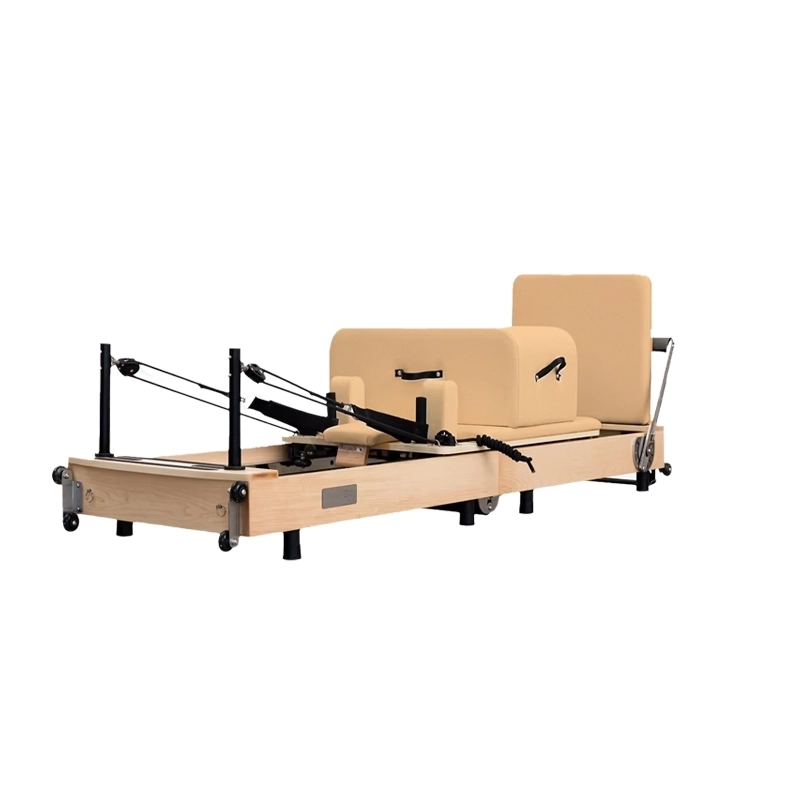
At its heart, Pilates is good for developing the “Powerhouse,” or the cylinder of muscular support in the center of the body. This includes the transverse abdominis, the pelvic floor, the diaphragm, and the multifidus muscles along the spine. However, Pilates is not just abdominal work. It utilizes specialized apparatuses—such as the Reformcu, o Cadillac, and the Wunda Sandalyesi—which use variable spring resistance. This spring tension is unique because it provides resistance during both the concentric (shortening) and eccentric (lengthening) phases of muscle action.
This distinct mechanism explains what Pilates is good for regarding muscle tone: it strengthens muscles at their end ranges of motion. This results in long, lean, and flexible muscle tissue rather than bulk. Furthermore, because the equipment supports the body’s weight, it allows for alignment corrections that are impossible to achieve when standing against gravity alone. It is a system that balances strength with flexibility, ensuring that the body is not just strong, but also pliable and adaptable.
2. Why is Pilates considered the ultimate antidote for spinal health issues?
If you ask a physiotherapist “what is Pilates good for?”, the first answer is almost invariably spine health. In an era where “sitting is the new smoking,” our spines are constantly subjected to compressive forces and static flexion. This leads to dehydrated intervertebral discs, tight hip flexors, and a weakened posterior chain.
Pilates is good for counteracting these detrimental forces through the principle of axial elongation. Exercises are designed to create space between the vertebrae, effectively decompressing the spine. Movements such as the “Spine Twist” or “The Saw” introduce rotation, which acts as a lubricant for the spinal joints. Joseph Pilates famously stated, “If your spine is inflexibly stiff at 30, you are old. If it is completely flexible at 60, you are young.”
Why is this rotational and articulating movement so critical? The spinal discs do not have a direct blood supply; they rely on movement to absorb nutrients and expel waste. Pilates systematically moves the spine through all ranges of motion—flexion, extension, lateral flexion, and rotation—acting as a pump to hydrate the discs. For those suffering from non-specific lower back pain, scoliosis, or general stiffness, Pilates offers a safe, supported environment to mobilize the vertebral column while simultaneously strengthening the corset of muscles that protect it.
3. How does Pilates enhance athletic performance and functional movement?
How does a practice often performed lying down translate to the tennis court, the football field, or the running track? Pilates is good for sports performance because it targets the “weak links” in an athlete’s kinetic chain. While traditional training builds the “prime movers” (the large, visible muscles), Pilates targets the deep stabilizers that control joint position and transfer force.
For example, a runner may have strong legs but a weak core. This instability causes the pelvis to rock with every stride, leaking energy and placing strain on the knees and lower back. Pilates is good for stabilizing the pelvis, ensuring that every ounce of power generated by the legs propels the runner forward rather than being lost to inefficiency. It corrects the asymmetry that sports often create (think of a golfer always swinging one way) by working the body unilaterally and re-establishing balance.
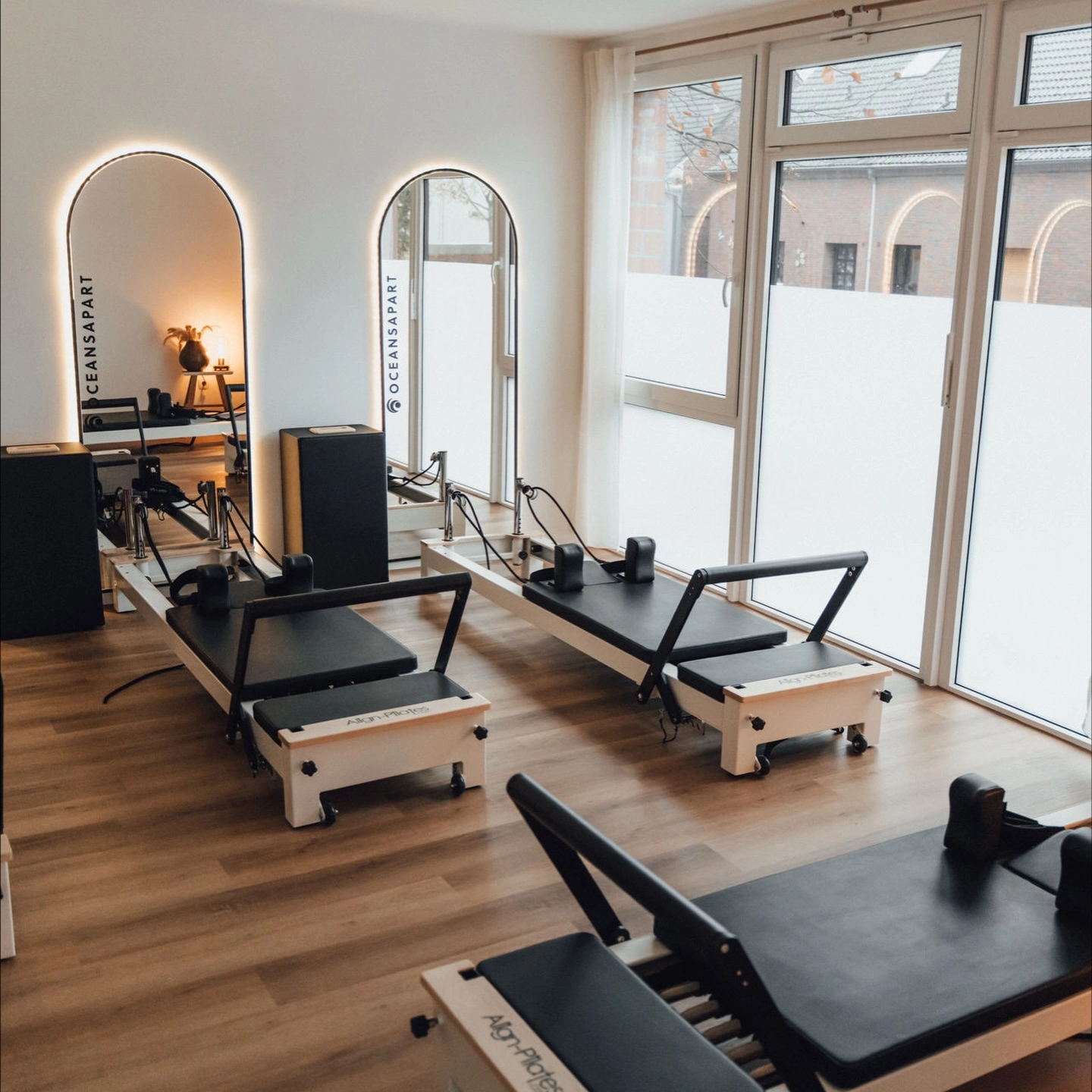
Furthermore, Pilates improves proprioception—the body’s awareness of its position in space. The instability of the moving carriage on a Reformcu forces the nervous system to react quickly to maintain balance. This neuromuscular training is vital for preventing injuries like ankle sprains or ACL tears. By teaching the body to move efficiently and to decelerate force safely, Pilates prolongs an athlete’s career and enhances their functional capabilities in daily life, from lifting heavy groceries to climbing stairs with ease.
4. Where do the internal physiological systems benefit from the practice?
While the musculoskeletal benefits are visible, where Pilates truly shines is often internal. It is exceptionally good for the circulatory and lymphatic systems. The lymphatic system, which is responsible for immune function and waste removal, lacks a central pump like the heart. It relies on muscular contraction and deep breathing to move lymph fluid through the body.
Pilates facilitates this “internal shower” through its emphasis on breathwork and dynamic movement. The rhythmic expansion and contraction of the ribcage during lateral thoracic breathing create a pressure gradient that pulls lymph toward the heart. Additionally, inversion exercises—where the legs are elevated above the heart—utilize gravity to drain excess fluid from the lower extremities, reducing swelling and detoxification.
Moreover, the practice is good for circulation. By mobilizing tight muscles and aligning posture, Pilates removes the physical blockages that impede blood flow. Improved vascular circulation means better oxygen delivery to tissues and more efficient removal of metabolic waste. This internal flow contributes to healthy skin, improved organ function, and a general feeling of vitality that practitioners often describe as a “post-Pilates glow.”
5. Who is the ideal candidate for a Pilates intervention?
One of the most powerful answers to “what is Pilates good for?” is its inclusivity. Who can do it? Virtually everyone. Because the equipment uses springs to assist movement, it lowers the barrier to entry for those who are deconditioned, injured, or elderly. Yet, those same springs can be adjusted to provide elite-level resistance for professional athletes.
- For the Aging Population: Pilates is good for fall prevention. By strengthening the ankles, hips, and core, it significantly improves balance. It also provides weight-bearing resistance necessary for maintaining bone density, combating osteoporosis without the joint impact of running.
- For Pre- and Post-Natal Women: Pregnancy places immense strain on the pelvic floor and abdominals. Pilates is good for safely maintaining core tone during pregnancy and is the gold standard for rehabilitating Diastasis Recti (abdominal separation) postpartum.
- For the Injured: Whether recovering from surgery or managing a chronic condition, Pilates offers a controlled environment to rehabilitate. It allows for movement in non-weight-bearing positions (supine or seated), enabling movement even when standing is painful.
6. When does the mind-body connection transform mental wellbeing?
ly, when you practice Pilates, you are engaging in a form of somatic meditation. It is good for mental health because it demands total presence. You cannot perform a complex Reformer exercise safely while ruminating on your to-do list; the coordination required forces you to be in the “now.”
This deep concentration acts as a circuit breaker for stress. It shifts the nervous system from a sympathetic state (fight or flight) to a parasympathetic state (rest and digest). The focus on controlled, rhythmic breathing stimulates the vagus nerve, which lowers cortisol levels and induces a sense of calm. Consequently, Pilates is good for combating anxiety and mental fatigue.
Practitioners often report that when they leave a session, they feel energized rather than depleted. Unlike high-intensity interval training that can leave the body exhausted, the low-impact, flow-state nature of Pilates rejuvenates the system. It builds a resilience that is mental as well as physical, teaching the practitioner to remain calm and controlled under pressure.
The Pilates Benefit Matrix
To visualize exactly what Pilates is good for compared to other modalities, the following table breaks down its impact across various health vectors.
| Health Metric | How Pilates specifically addresses it |
|---|---|
| Core Stability | Targets deep stabilizers (transverse abdominis) rather than just surface abs, creating an internal “corset” for back protection. |
| Flexibility | Uses dynamic stretching (eccentric strengthening) to increase range of motion without destabilizing joints. |
| Posture | Corrects alignment by strengthening upper back extensors and opening tight chest muscles caused by desk work. |
| Bone Density | Spring tension provides resistance that pulls on bone attachments, stimulating osteoblasts (bone-building cells). |
| Stress Relief | Utilizes diaphragmatic breathing to downregulate the nervous system and reduce cortisol. |
| Injury Rehab | Offers a low-impact, closed-kinetic chain environment where movement patterns can be re-learned safely. |

5 Signs Pilates Would Be Good For You
If you are unsure if this method aligns with your needs, review this checklist. If you identify with these statements, Pilates is likely the missing link in your health regimen.
- You wake up stiff: If your joints feel rusty in the morning, Pilates is good for lubricating these joints through gentle, full-range mobilization.
- You have “tech-neck”: If you suffer from headaches or neck tension from looking at screens, Pilates corrects the cervical alignment and strengthens the neck extensors.
- You feel clumsy: If you trip often or lack balance, the proprioceptive challenges of Pilates will sharpen your neuromuscular coordination.
- You want “long” muscles: If you feel bulky or tight from heavy lifting, Pilates will help elongate the muscle tissue and improve flexibility.
- You experience lower back pain: This is the classic indicator. Strengthening the deep core is the most effective non-surgical intervention for managing back pain.
What else is Pilates ‘Good for’?
Pilates benefits for pregnancy
Pilates is exceptionally good for navigating the physical changes of pregnancy. As the center of gravity shifts, the spine requires extra support. Prenatal Pilates focuses on maintaining pelvic stability and upper body strength—essential for the physical demands of newborn care. It also emphasizes breathing techniques that are invaluable during labor.
Pilates benefits for post-natal recovery
The journey of recovery after childbirth is demanding. Pilates is good for slowly reconnecting the abdominal muscles and strengthening the pelvic floor to prevent issues like incontinence. It offers a compassionate, progressive pathway back to fitness that honors the healing process.
Pilates benefits for older adults
For seniors, maintaining independence is the ultimate goal. Pilates is good for preserving the ability to walk, stand up from a chair, and reach overhead. By improving cognitive function through complex movement patterns and enhancing physical balance, it significantly improves the quality of life in later years.
Pilates for those undergoing cancer treatment
During the arduous process of cancer treatment, high-intensity exercise is often impossible. Pilates provides a gentle, modifiable way to keep the body moving. It is good for managing fatigue, improving range of motion after surgery (such as mastectomy), and helping patients reclaim a sense of agency over their bodies.
Summary
In conclusion, what is Pilates good for? It is good for the whole self. It acts as a bridge between physical fitness and rehabilitation, offering a sustainable way to exercise that builds a body capable of handling life’s demands. From the microscopic level of cellular circulation to the macroscopic level of athletic agility, Pilates offers benefits that are both deep and broad. It is a practice of intelligence, teaching you not just to move, but to move well.
FAQs
1. Is Pilates good for weight loss?
While Pilates is not primarily a cardiovascular calorie-burner like sprinting, it is good for body composition changes. It builds lean muscle mass, which increases your metabolic rate at rest. When combined with a healthy diet and aerobic activity, Pilates is an excellent tool for sculpting the body and reducing waist circumference, even if the scale doesn’t drop drastically.
2. Can Pilates replace strength training?
For most general fitness goals, yes. Pilates provides significant resistance training using springs and body weight. However, for specialized goals like maximum powerlifting strength or extreme hypertrophy (bodybuilding size), it is best used as a complement to heavy lifting rather than a total replacement. For functional, everyday strength, Pilates is often superior.
3. Is Pilates safe if I have a herniated disc?
Yes, but with caution. Pilates is generally good for disc issues because it stabilizes the spine. However, flexion exercises (bending forward) may need to be avoided during the acute phase. It is crucial to work with a qualified instructor who can modify the repertoire to ensure you are extending and stabilizing the spine rather than aggravating the injury.
 English (United States)
  English (Canada)
  English (Australia)
  English (New Zealand)
  English (UK)
  Arabic
  Bulgarian
  Czech
Czech  Danish
  Greek
Greek  Spanish
  Ukrainian
  Turkish
  Thai
Thai  Swedish
  Serbian
  Slovenian
  Slovak
  Russian
  Romanian
  Portuguese (Portugal)
  Portuguese (Brazil)
  Norwegian
  Dutch
Dutch  Estonian
  Finnish
  French
  Hindi
Hindi  Croatian
  Indonesian
  Icelandic
  Italian
  Japanese
  Georgian
  German
  Lithuanian
  Polish
  Korean
  Uzbek
Uzbek  Hungarian
  Malay
Malay