
Introduction: The Reformer Revolution and the Cost of Wellness
We are currently living through a seismic shift in the fitness landscape. For decades, the dominant narrative was “no pain, no gain”—a culture defined by breathless high-intensity interval training, heavy lifting, and the glorification of sweat. But as we move further into the 2020s, a new priority has taken the throne: longevity. The modern fitness enthusiast is no longer just asking, “How can I look good for summer?” They are asking, “How can I move pain-free when I am 80?”
This shift has propelled Pilates, specifically รีฟอร์มเมอร์พิลาทิส, from a niche practice for dancers and the elite into the mainstream spotlight. It is low-impact, high-reward, and focuses on the structural integrity of the body—building a core of steel and joints that glide rather than grind.
However, unlike a pair of running shoes or a simple yoga mat, Reformer Pilates requires access to expensive, industrial-grade machinery. This barrier to entry has historically made Pilates a luxury habit, often costing $40 to $60 per session at private boutiques. Enter Club Pilates. With over 1,000 locations globally, this franchise has attempted to do for Pilates what Starbucks did for coffee: standardize it, democratize it, and put it on every corner.
But accessibility is relative. For many, the transition from a $30 monthly gym membership to a boutique studio membership is a significant financial leap. If you are considering joining the “Reformer Revolution,” you need transparency. You need to know not just the sticker price, but the hidden fees, the contract pitfalls, and the realistic return on investment.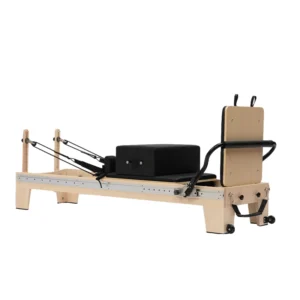
In this exhaustive guide, we will break down the true cost of Club Pilates, analyze the value of their class formats, and—crucially—explore home Pilates alternatives for those who decide the studio price tag is simply out of reach.
Section 1: The Club Pilates Business Model Explained
To understand the pricing, you must first understand the model. Club Pilates is not a monolith; it is a franchise system. This means that while the branding, the equipment, and the class structures are identical whether you are in Miami or Seattle, the ownership is local.
Because each studio is individually owned, pricing is dictated by local real estate economics. A studio owner in downtown San Francisco faces vastly different rent and labor costs than an owner in rural Ohio. Therefore, there is no single “national price.” Instead, there are pricing tiers.
However, despite these regional variances, the structure of the memberships remains consistent. Club Pilates operates on a recurring revenue model. They de-emphasize single drop-in classes (which are priced prohibitively high to discourage them) and aggressively market monthly subscriptions.
The Atmosphere
Club Pilates studios are designed to be non-intimidating. Unlike dark, loud spin studios or gritty CrossFit boxes, these spaces are bright, airy, and clinically clean. They typically house 12 Reformer stations. This 12-person cap is a critical part of the value proposition: it is small enough to get some instructor attention, but large enough to keep the price per person lower than a private session.
Section 2: The Detailed Pricing Breakdown (2025 Estimates)
Based on data aggregated from studios across the United States, we can categorize pricing into three distinct market tiers. Note: These are estimates. Always call your local studio for the exact cent.
Tier 1: The “Entry-Level” Markets
(Smaller cities, suburbs, lower cost-of-living areas)
- 4-Pack: $89/month
- 8-Pack: $159/month
- Unlimited: $199/month
Tier 2: The “Standard” Markets
(Major metropolitan suburbs, affluent mid-sized cities)
- 4-Pack: $109/month
- 8-Pack: $179/month
- Unlimited: $229 – $249/month
Tier 3: The “Premium” Markets
(NYC, Los Angeles, San Francisco, Downtown Chicago)
- 4-Pack: $129+/month
- 8-Pack: $229+/month
- Unlimited: $279 – $359/month
Analyzing the Membership Levels
1. The 4-Pack (Once a Week)
- Who is this for? The “Cross-Trainer.” This is for the person who already has a gym membership or is a dedicated runner/cyclist. They want Pilates solely for injury prevention and stretching.
- The Math: At ~$25-$30 per class, this is pricier than the other tiers, but cheaper than a drop-in.
- The Reality Check: Joseph Pilates famously said, “In 10 sessions you’ll feel the difference, in 20 you’ll see the difference, and in 30 you’ll have a whole new body.” If you only go once a week, it will take you 7.5 months to hit 30 sessions. Progress will be slow. This is a maintenance plan, not a transformation plan.
2. The 8-Pack (Twice a Week)
- Who is this for? The “Busy Professional.”
- The Math: This drops the per-class price significantly, usually into the $20-$25 range.
- The Reality Check: Twice a week is widely considered the minimum effective dose for motor learning. Your body remembers the movements from the previous session, allowing you to progress in difficulty. This is the “sweet spot” for value if you are disciplined.
3. The Unlimited (The All-In)
- Who is this for? The “Pilates Convert.”
- The Math: If you attend 3 times a week (12 times a month), the price drops to roughly $16-$19 per class. If you go 5 times a week, you are paying less than $12 a class—a steal in the boutique fitness world.
- The Reality Check: This membership often comes with booking priority. In busy studios, Unlimited members get to book classes 14 days out, while limited members might only get 7 or 10 days. This “booking window” is often the deciding factor for joining this tier.
4. The Passport & Destination Access
- Passport ($279+): Allows access to all distinct studios nationwide except select premium locations. Ideal for consultants or sales reps who travel.
- Destination ($329+): Access to EVERY studio, including the high-rent districts in NYC or LA.
Section 3: The “Invisible” Costs You Must Budget For
The monthly rate is the headline, but the fine print contains the rest of the story. To avoid “sticker shock,” you must be aware of the ancillary costs associated with a Club Pilates membership.
1. The Enrollment Fee ($59 – $99)
This is a one-time administrative fee charged upon signing up.
- Expert Tip: Never pay full price for this. Studios are sales-driven. If you express hesitation during the sales process, or if you sign up during the last 3 days of the month (when they are trying to hit quotas), they will often waive this fee to close the deal.
2. The Mandatory Grip Socks ($18 – $24 per pair)
You cannot do Pilates barefoot (hygiene/safety) and you cannot wear regular socks (slipping hazard). You must wear socks with rubberized traction.
- The Cost: While one pair is cheap, you will need 3-4 pairs if you go regularly. If you forget them, you are forced to buy a pair at the desk. This acts as a recurring “forgetfulness tax.”
3. The Late Cancel & No-Show Penalties
This is the most controversial part of the membership.
- The Policy: You must cancel 12 hours before class.
- The Fee: Late cancel = $10-$15. No Show = $20-$25.
- The Risk: If you have a chaotic job or small children, the Unlimited membership can become a financial trap. Three “emergencies” a month could add $60+ to your bill.
4. Membership Freeze Fees ($15/month)
If you are traveling for a month or get injured, you can pause your membership, but rarely for free. They typically charge a “freeze fee” to keep your account dormant without cancelling it.
Section 4: What Are You Actually Paying For? (The Content)
Is the price justified? To answer that, we have to look at the equipment and the programming.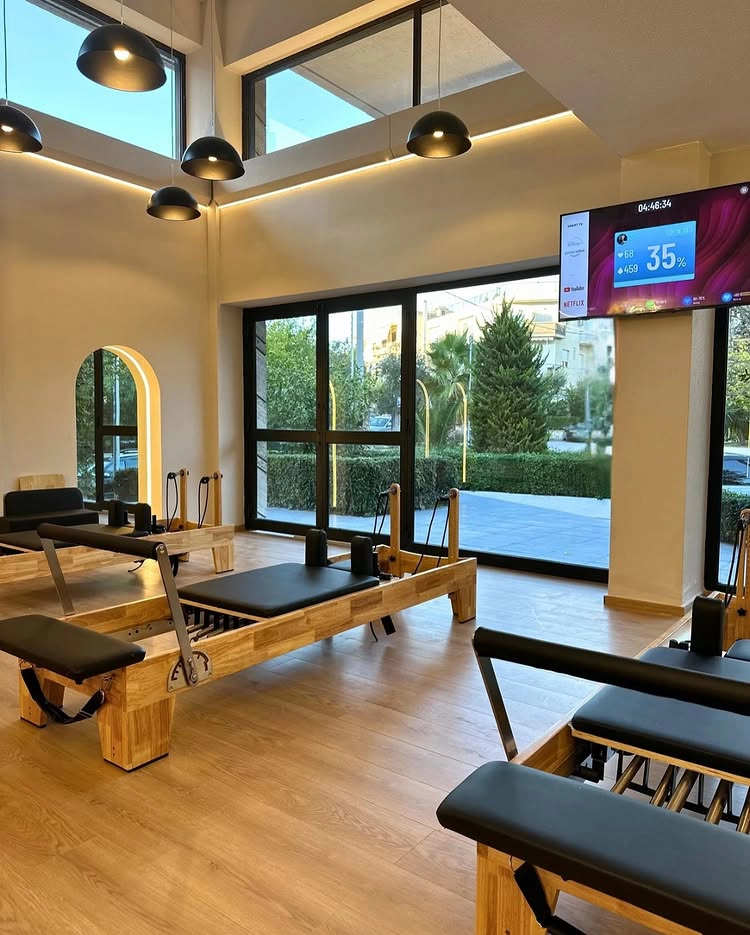
The Equipment Advantage
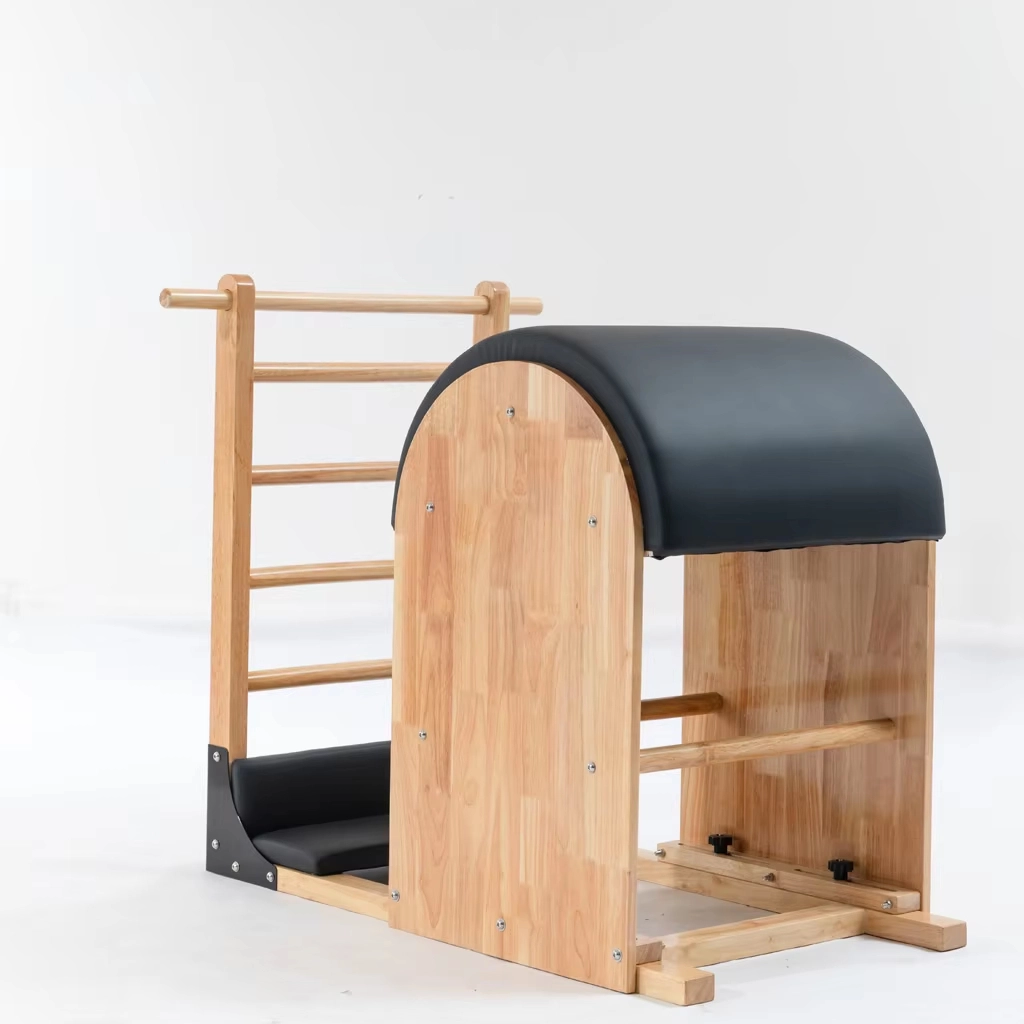
A Club Pilates station is not just a Reformer. It is a fusion station.
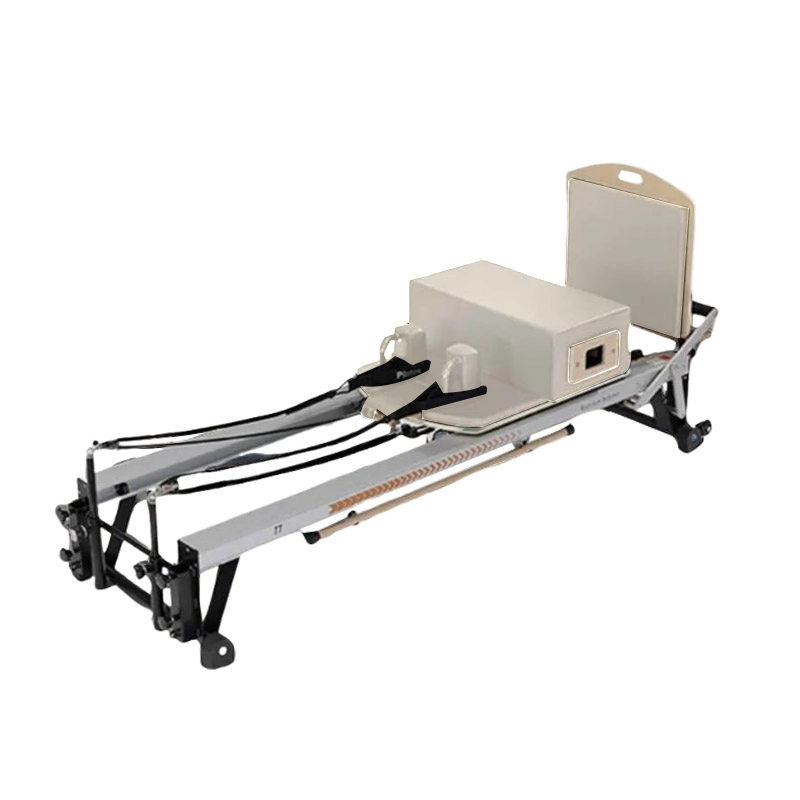
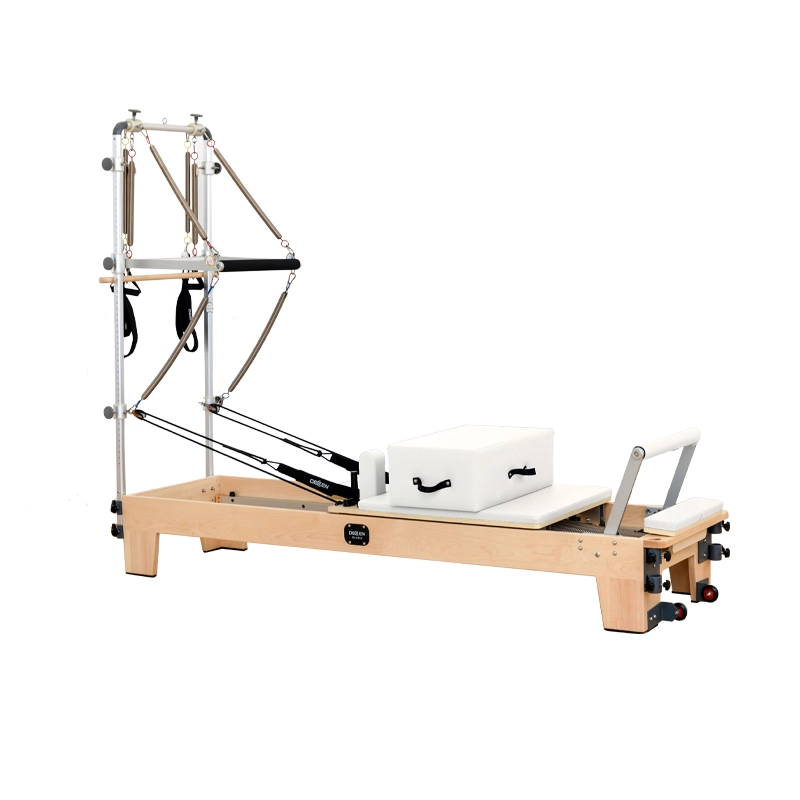
- The Reformer: For resistance and flow.
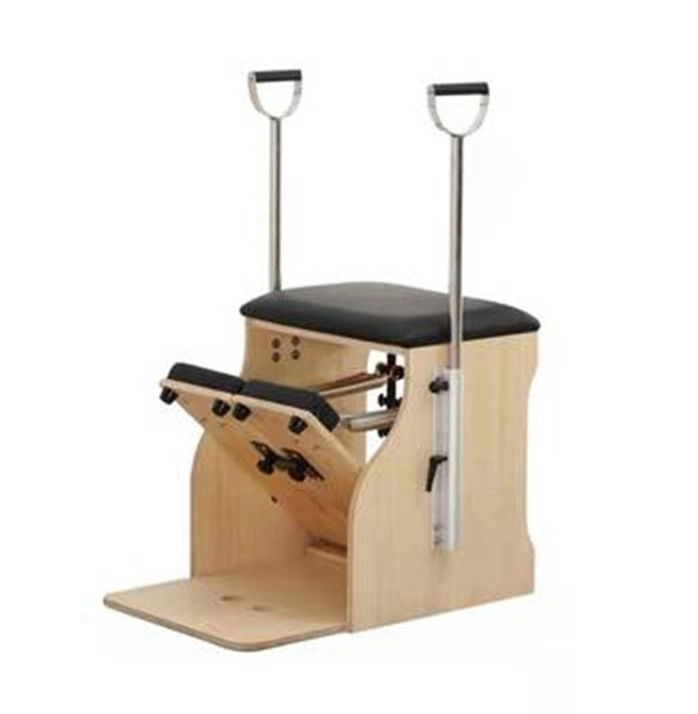
- เดอะ EXO Chair: For stability and leg power.
- The TRX: For suspension training.
- เดอะ Springboard: For vertical movement and standing balance.
- The Bosu/Mat: For cardio and core.
If you tried to buy this equipment for your home, you would spend upwards of $7,000. You are paying for access to professional-grade hardware.
The Seven Signature Formats
Club Pilates avoids the boredom of repetition by offering different class modalities:
- Reformer Flow: The classic. Best for alignment and traditional Pilates.
- Cardio Sculpt: Uses the “Jumpboard” for lying-down plyometrics. High intensity, zero impact.
- Center + Balance: Deep stretching and mobility. Best for recovery.
- ควบคุม: Focuses on the “Chair” and standing work. Often termed the “leg day” of Pilates.
- Suspend: Uses TRX straps. Extremely challenging for the core and upper body.
- F.I.T.: Functional Interval Training. Faster paced, higher sweat.
- Restore: Foam rolling and myofascial release.
Section 5: Weighted Analysis – Is It Worth It?
The Pros (Why you should join)
- Structure: It forces you to work out. The cancellation fee acts as a powerful motivator.
- Safety: Unlike a YouTube video, an instructor is there to say, “Lower your shoulders” or “Tuck your tailbone,” preventing injury.
- Scalability: The spring system is magical. It supports the deconditioned and challenges the elite athlete equally.
- Core Strength: There is truly nothing like Pilates for building a “girdle of strength” around your spine. Back pain often vanishes after 3 months of consistent practice.
The Cons (Why you might hesitate)
- Booking Wars: In popular locations, getting into a 6:00 PM class can feel like trying to buy Taylor Swift tickets. You have to be on the app the second the booking window opens.
- The “Corporate” Feel: It is a franchise. It lacks the intimate, community vibe of a small, owner-operated studio. Policies are rigid and automated.
- Instructor Variability: The quality of your workout depends entirely on the teacher. Since Club Pilates hires in high volume, experience levels vary wildly.
Section 6: Three Frequently Asked Questions
Q1: Can men do Club Pilates, or is it mostly women?
เอ: While the demographic skews female (approx. 85/15), the number of men is growing rapidly. Professional athletes (LeBron James, Cristiano Ronaldo) use Pilates. The “Control” and “Suspend” classes are particularly challenging for men who are used to heavy lifting, as they require stabilizing muscles that gym-goers often neglect. You will likely not be the only man in the room, and the workout is gender-neutral.
Q2: Is Club Pilates suitable for pregnancy?
เอ: Generally, yes. Pilates is one of the most recommended exercises for pregnancy due to its focus on the pelvic floor and core stability. However, Club Pilates requires a doctor’s note. Furthermore, as you progress into the second and third trimesters, instructors will modify exercises (no lying flat on the back). Some studios offer specific pre-natal classes, but most simply modify the standard flow for you.
Q3: How hard is it to cancel the membership?
เอ: This is the most common complaint in online reviews. Most contracts have a 30-day notice policy. This means you cannot wake up on November 1st and cancel for November. You must give notice in November to stop billing for December. If you are moving or quitting, you must plan your exit strategy 4-6 weeks in advance to avoid paying for an extra month you won’t use.
Section 7: The Home Alternative – Bringing the Studio to You
Perhaps you have read the pricing above and decided that $200+ a month is simply not feasible. Or perhaps your work schedule is too erratic to commit to scheduled class times. Or maybe you just prefer the privacy of your own home.
The good news is that the “Home Pilates” market has exploded in quality. You no longer need to go to a studio to get a reformer-quality workout. Here is a guide to building a home practice.
Why Choose Home Pilates?
- Cost Efficiency: A one-time purchase vs. a perpetual monthly rent.
- Time: No commute. You can do a 20-minute session between Zoom calls.
- Privacy: No need to worry about what you look like or what you are wearing.
Option A: The Equipment-Free Route (Mat & Wall Pilates)
You do not need a machine to do Pilates. Mat Pilates is actually harder in some ways because you don’t have the springs assisting you.
- Wall Pilates: This has become a viral trend for a reason. By using a wall for resistance and stability, you mimic the “push” of the Reformer footbar.
- Cost: $0 – $20 (for a thick mat).
- Recommended App: Pilates Anytime หรือ Glo offer thousands of mat classes for a small monthly subscription (approx. $18/mo).
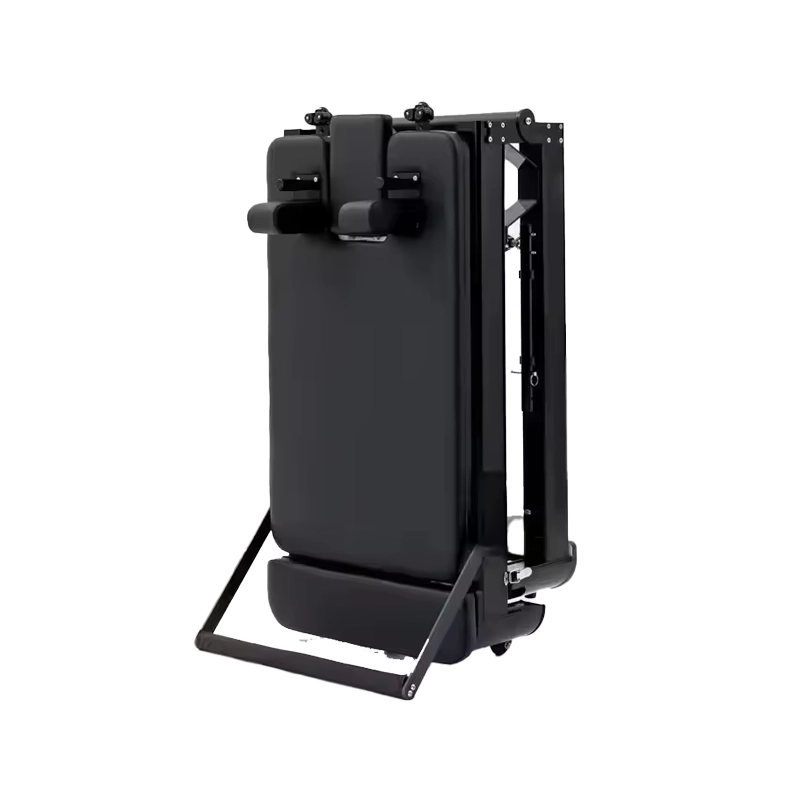
Option B: The Entry-Level Home Reformer ($400 – $700)
Brands like AeroPilates (often sold on QVC or Amazon) make foldable reformers using bungee cords instead of metal springs.
- ข้อดี: Affordable, foldable (can slide under a bed), lightweight.
- ข้อเสีย: The resistance feels different (bungees vs. springs), the carriage is closer to the ground, and they are not suitable for very tall or heavy users.
- คำตัดสิน: Great for beginners on a budget who want the “gliding” sensation without the investment.
Option C: The “Smart” Reformer ($2,500 – $4,000)
Just as Peloton revolutionized the stationary bike, companies like Frame Fitness และ Reform RX have revolutionized the home reformer.
- The Tech: These machines come with massive touchscreens and Bluetooth connectivity.
- The Experience: You stream live or on-demand classes directly to the machine. The aesthetics are stunning—designed to look like modern furniture.
- The Cost: High upfront cost + a monthly subscription for the content ($39/mo).
- คำตัดสิน: If you have the money and want the Club Pilates experience (instruction + equipment) at home, this is the future.
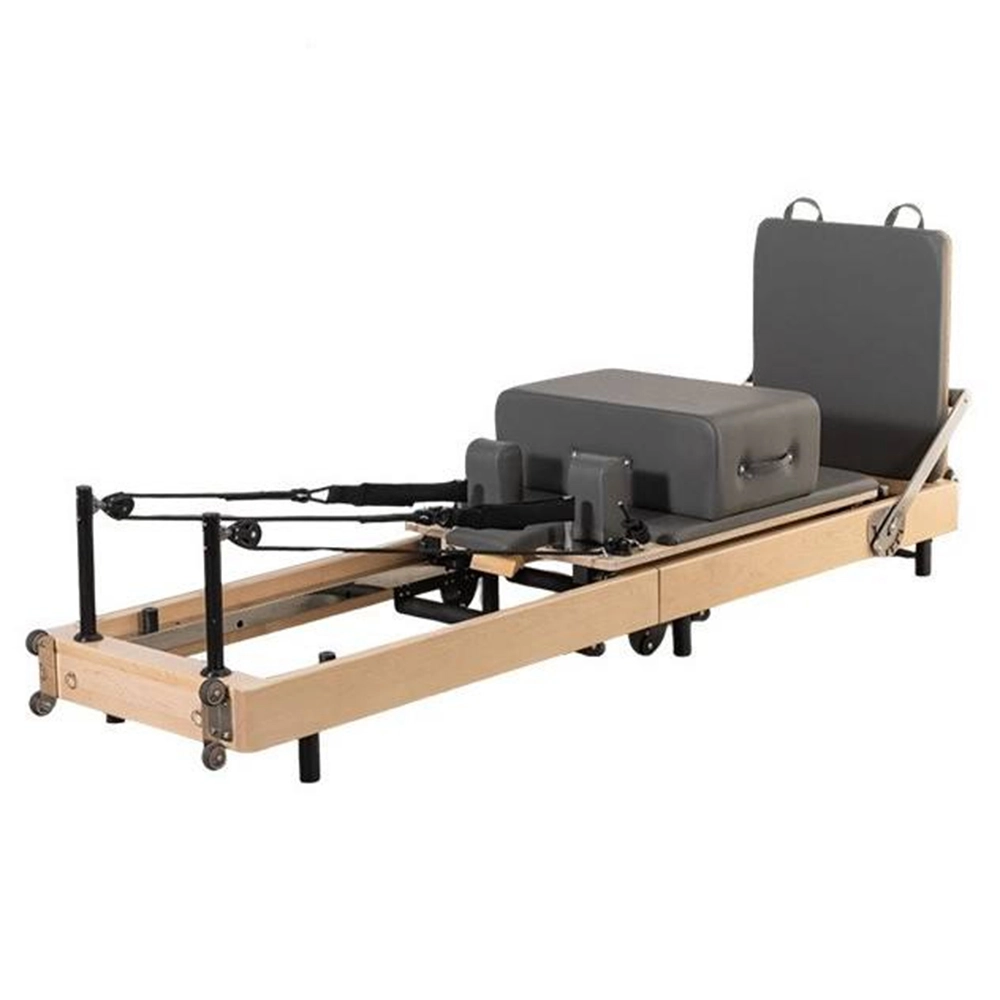
Option D: The Professional Standard ($3,000 – $5,000)
If you want the exact feeling of the studio, you buy from the brands that supply the studios: Balanced Body หรือ Merrithew.
- The Experience: These are the gold standards. They use industrial springs, heavy steel/wood frames, and are built to last a lifetime.
- ข้อดี: Incredible resale value. If you buy a Balanced Body Allegro 2, use it for 3 years, and sell it, you will likely get 70-80% of your money back.
- คำตัดสิน: เดอะ Professional Standard for the serious practitioner.
Recommendation for Home Training
If you choose to train at home, we highly recommend starting with at least 3 months of studio classes first. Pilates relies heavily on “proprioception”—knowing where your body is in space. It is very easy to cheat the movement or injure yourself on a home reformer if you haven’t had a professional instructor correct your form first.
Use Club Pilates as your university to learn the method, and use your home equipment as your daily practice.
Conclusion: Making the Choice
Club Pilates has successfully bridged the gap between the exclusive, high-priced boutique studio and the mass-market gym. While it is not “cheap,” it offers significant value for those who commit to the practice. The combination of accountability, varied class formats, and professional equipment can lead to profound changes in posture, pain management, and body composition.
However, it is not the only path. Whether you choose the Unlimited membership at the studio or invest in a high-quality home setup, the most important factor is consistency. Pilates is a discipline of patience.
 English (United States)
  English (Canada)
  English (Australia)
  English (New Zealand)
  English (UK)
  Arabic
  Bulgarian
  Czech
Czech  Danish
  Greek
Greek  Spanish
  Ukrainian
  Turkish
  Thai
Thai  Swedish
  Serbian
  Slovenian
  Slovak
  Russian
  Romanian
  Portuguese (Portugal)
  Portuguese (Brazil)
  Dutch
Dutch  Estonian
  Finnish
  French
  Hindi
Hindi  Croatian
  Indonesian
  Icelandic
  Italian
  Japanese
  Georgian
  German
  Lithuanian
  Polish
  Korean
  Uzbek
Uzbek  Hungarian
  Malay
Malay