
For substantial weight loss and noticeable body recomposition, the general consensus among fitness experts is that practicing Reformer Pilates **three to four times per week** is the optimal frequency. This cadence strikes the necessary balance between providing enough stimulus to build lean muscle mass—which boosts your resting metabolic rate—and allowing for adequate physical recovery. While one or two sessions will improve posture and flexibility, weight loss requires a higher volume of activity to create a caloric deficit and drive physiological adaptation. However, this frequency must be supported by a nutritional deficit and consistency over time to yield tangible results.
Introduction: The Quest for the “Golden Ratio” of Exercise Frequency
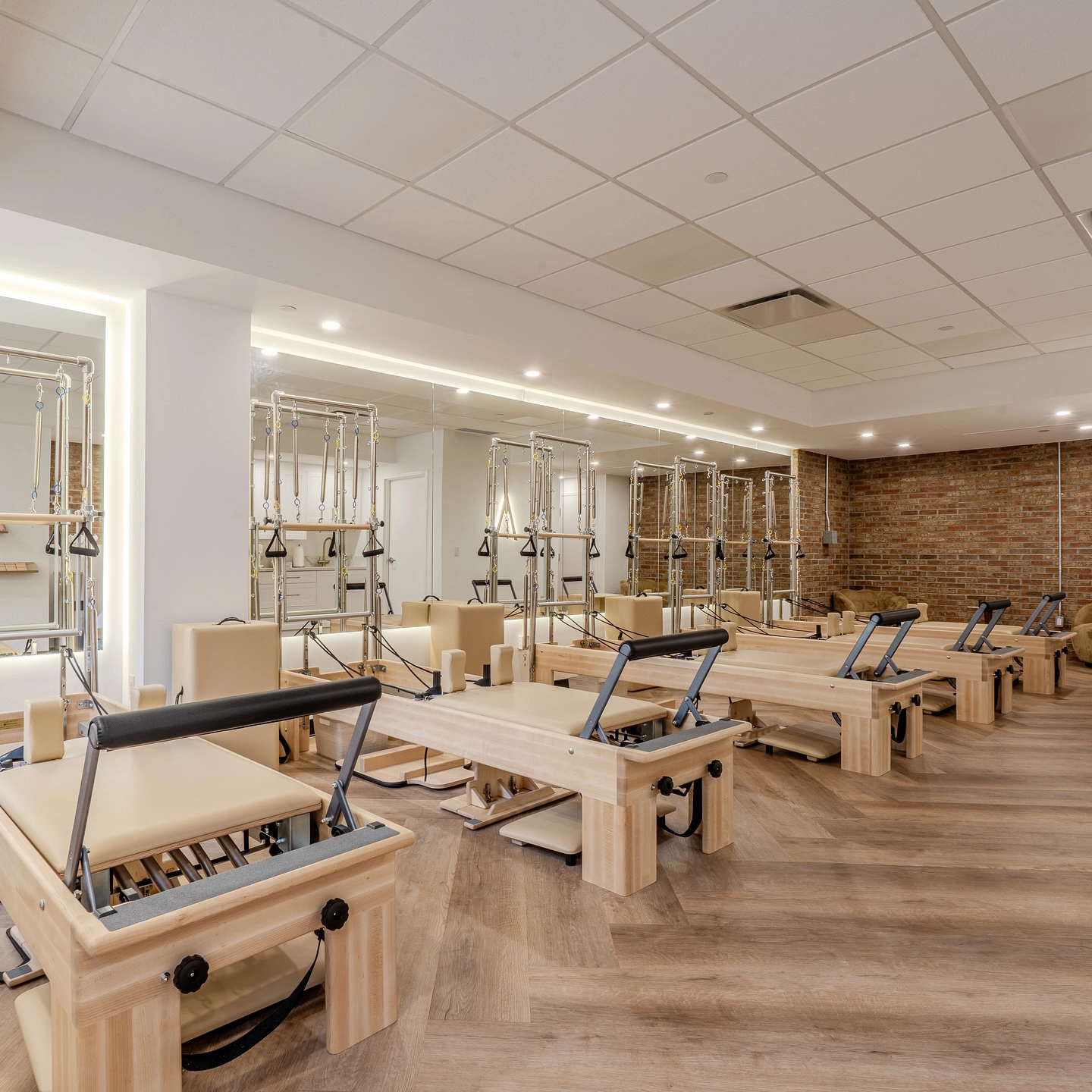
Imagine standing at the threshold of a new fitness journey, eyeing the sleek, spring-loaded carriage of a Reformer. It looks promising, sophisticated, and perhaps a little intimidating. You are ready to commit, but a critical logistical question looms: how much of this do I actually need to do to change my body? Is once a week a waste of time? Is every day a recipe for burnout?
The dilemma of frequency is one of the most common hurdles for beginners. In a world that often equates “more” with “better,” it is easy to assume that seven days a week is the only path to weight loss. Conversely, the “minimum effective dose” mentality might lead others to believe a casual drop-in session once a month will suffice.
Reformer Pilates is a unique beast in the fitness kingdom. It does not tear down muscle tissue with the same brutality as heavy weightlifting, nor does it spike cortisol through impact like marathon running. It sits in a powerful middle ground of resistance, stability, and control. Because of this, the rules for “how often” are nuanced. They depend heavily on your starting point, your schedule, your financial bandwidth, and specifically, the intensity of the results you are chasing. This comprehensive guide will dissect the science of frequency, ensuring you invest your time where it yields the highest return for your health.
Why the Mechanics of Reformer Pilates Dictate Frequency
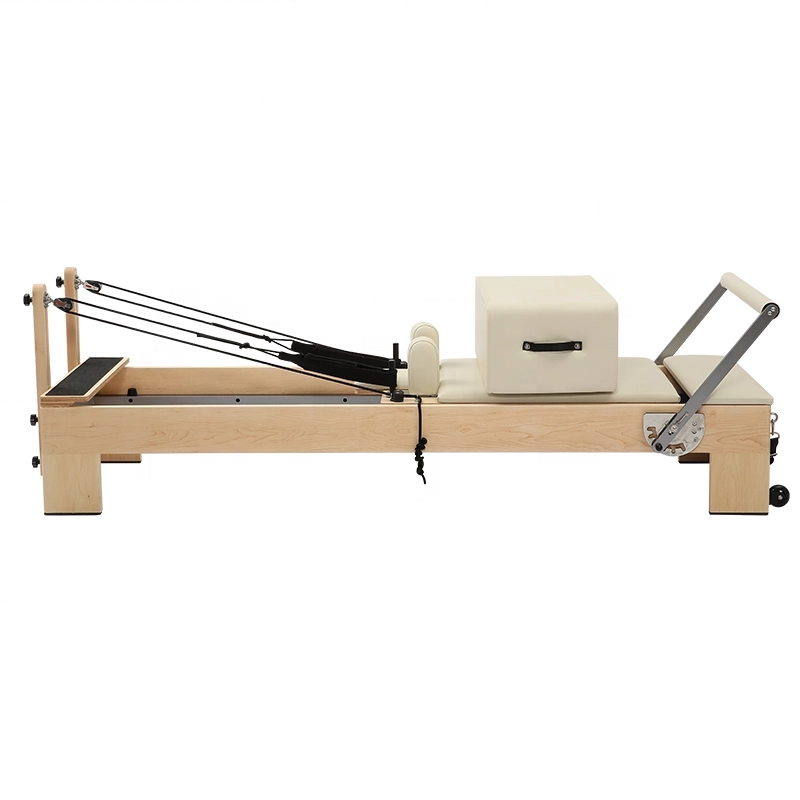
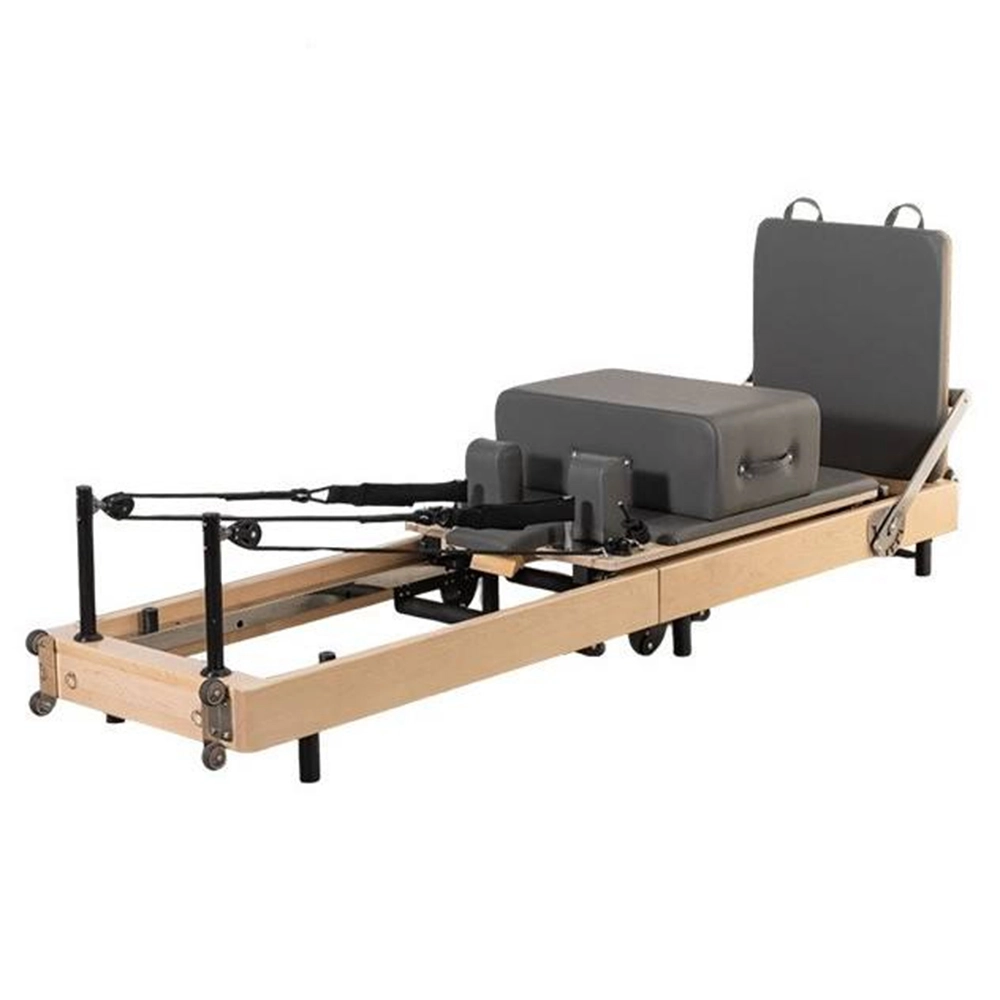
To understand how often you should train, you must first understand what the Reformator is doing to your body. The Reformer uses spring-based resistance. Unlike static weights, springs provide tension that increases as they are stretched (concentric movement) and pulls back as they are released (eccentric movement).
The Eccentric Advantage
Reformer Pilates places a massive emphasis on the eccentric phase of movement—the controlling of the carriage as it returns to the “stopper.” Research suggests that eccentric training creates more micro-tears in the muscle fibers than concentric training. While this sounds alarming, it is the biological trigger for muscle growth (hypertrophy). Because you are building lean muscle, and muscle tissue burns more calories at rest than fat tissue, you are essentially upgrading your metabolism.
Low Impact, High Volume
Because the Reformer supports your body weight and removes impact from the joints, it can generally be performed more frequently than high-impact interval training (HIIT) or heavy plyometrics. Your central nervous system (CNS) does not take the same battering as it would from a CrossFit session. This allows for a higher frequency of training—potentially 4 to 5 times a week—without the same risk of systemic fatigue, provided you are varying the intensity.
Tailoring Frequency to Specific Goals: A Detailed Breakdown
While “weight loss” is a common umbrella term, individuals usually have more specific nuances to their goals. Let us analyze the frequency requirements for different objectives.
Goal 1: The Metabolic Shift (Weight Loss & Fat Burning)
Recommended Frequency: 3 to 5 times per week.
If your primary objective is to lower your body fat percentage, consistency and volume are non-negotiable. Here is the physiology behind the recommendation:
- Caloric Expenditure: A single hour of Pilates burns a moderate amount of calories. To create a significant weekly deficit solely through exercise, you need to accumulate multiple hours of activity.
- EPOC Effect: Higher intensity Reformer classes (especially those using the Jumpboard) can trigger Excess Post-exercise Oxygen Consumption, keeping your metabolism elevated for hours after the class. Doing this every other day keeps your metabolic fire stoked.
- Glycogen Depletion: Frequent training ensures you are utilizing the glycogen (sugar) stored in your muscles, forcing the body to eventually tap into fat stores for fuel.
Goal 2: General Mobility and “Feeling Good” (Maintenance)
Recommended Frequency: 1 to 2 times per week.
If you are happy with your current weight and simply want to alleviate back pain, improve your posture, and feel “oiled” rather than stiff, a lower frequency is perfectly acceptable. This schedule maintains neural pathways and flexibility but is unlikely to drive significant body composition changes.
Goal 3: Rehabilitation and Injury Recovery
Recommended Frequency: 1 to 3 times per week (Clinical Setting).
When repairing the body, the focus shifts from “burn” to “patterning.” You are retraining the brain to fire the correct muscles (e.g., glutes instead of hamstrings). In this context, frequency should be determined by a physiotherapist. Often, shorter, more frequent sessions are better than long, grueling ones to prevent fatigue-induced form breakdown.
Goal 4: Athletic Cross-Training
Recommended Frequency: 2 times per week.
For runners, golfers, or tennis players, Pilates is a supplementary tool. Doing it too often might detract from the energy needed for the primary sport. Two sessions a week is the “sweet spot” to strengthen the core and stabilizing muscles without causing overtraining in the legs or shoulders.
The Dangers of Overtraining: When More is Less
A common trap for weight-loss seekers is the “all or nothing” mentality. They sign up for a potentially unlimited studio membership and book a class every single day. While the enthusiasm is commendable, the biology is flawed.
The Necessity of Recovery
Muscle is not built while you are on the Reformer; it is built while you are sleeping and eating afterward. During the workout, you are causing stress and damage. During rest, the body repairs that damage, making the fibers thicker and stronger. If you interrupt this repair process by working out the same muscle groups intensely every day, you enter a state of catabolism (muscle breakdown) rather than anabolism (muscle growth).
Signs You Are Doing Too Much
Reformer Pilates is deceptive because it doesn’t always leave you breathless. However, the deep core work is taxing. Watch for these signs of overtraining:
- Persistent Fatigue: Waking up tired despite a full night’s sleep implies your Central Nervous System (CNS) is overloaded.
- Performance Plateaus: You are no longer able to hold the plank as long, or the springs feel heavier than usual.
- Mood Irritability: Hormonal imbalances caused by physical stress can manifest as anxiety or shortness of temper.
- Joint Aches: While muscles should be sore, joints should not be. Persistent pain in wrists or shoulders suggests form is slipping due to fatigue.
Expert Insights: The Long-Term View
Leading instructors and movement specialists advocate for a view of fitness that extends beyond the immediate month. Yael Shtrul, a noted voice in the Pilates community, emphasizes that the goal is to integrate the movement principles into daily life. It is not just about the hour spent on the carriage; it is about how you carry yourself the other 23 hours of the day.
Joseph Pilates himself, the creator of the method, famously stated: “In 10 sessions you will feel the difference, in 20 you will see the difference, and in 30 you will have a whole new body.” Note that he quantified this in “sessions,” not “days.” If you do those 30 sessions over 10 weeks (3 times a week), the transformation is sustainable. If you try to cram them into 30 days, the risk of burnout skyrockets.
Strategies for Building a Sustainable Routine
Sustainability is the unsexy secret to weight loss. It is better to train 3 times a week for a year than 6 times a week for one month. Here is how to structure your life around Reformer Pilates.
1. The “Ramp Up” Method
Do not go from zero to hero. Start with two sessions a week. Allow your body to adapt to the unique instability of the Reformator. After four weeks, add a third session. This gradual increase prevents the “shock” that leads many to quit early.
2. The Hybrid Approach
Budget is often a limiting factor for Reformer Pilates, as studio classes can be expensive. A highly effective strategy is to pay for 1 or 2 studio sessions a week to access the heavy equipment and expert correction, and supplement this with 2 home workouts (Mat Pilates). This keeps the volume high (4 workouts a week) but the cost manageable.
3. Private vs. Group Dynamics
Occasionally investing in a 1-on-1 session is crucial for weight loss. Why? Because in a large group, you might be “cheating” the movement without realizing it—using momentum instead of muscle. A private instructor can tweak your form to ensure you are engaging the muscles correctly, making every subsequent group class more effective.
Maximizing Weight Loss: Beyond Frequency
If you are showing up 4 times a week and not losing weight, the issue is likely not the frequency, but the intensity or the external factors.
Progressive Overload on the Reformer
To change the body, you must challenge it. If you use the same spring settings for six months, your body adapts and stops burning as much energy. You must consciously choose heavier springs (for leg work) or lighter springs (to challenge stability in core work) to keep the stimulus novel.
The Nutrition Equation
You cannot out-train a diet that is not aligned with your goals. Pilates builds the muscle machinery, but food provides the fuel and the building blocks. For weight loss, a slight caloric deficit is required. However, because Pilates is demanding, you must ensure you are consuming adequate protein to support muscle recovery. Starving yourself while training hard will only lower your metabolic rate—the exact opposite of what you want.
The Pilates Progress Checklist
Use this checklist to ensure every session is contributing to your weight loss goals.
- Mind-Muscle Connection: Are you mentally focusing on the target muscle, or just going through the motions? focusing increases muscle activation.
- Breath Work: Are you exhaling on the exertion? Proper deep breathing activates the transverse abdominis and burns more calories.
- Transition Speed: Are you spending 2 minutes cleaning your machine between exercises? tightening up transition times keeps the heart rate elevated.
- Eccentric Control: Are you resisting the springs on the way back? The return phase should take longer than the push phase.
- Variety: Have you tried a Jumpboard or “Power Pilates” class this week to spike your heart rate?
Sample Weekly Schedule for Fat Loss
This sample schedule demonstrates how to integrate 4 Reformer sessions with active recovery for maximum metabolic impact.
| Day | Activity | Focus & Intensity |
|---|---|---|
| Monday | Reformer Flow | Full Body Endurance. Moderate Intensity. |
| Tuesday | Cardio Activity | 30 min brisk walk or cycle. Active Recovery. |
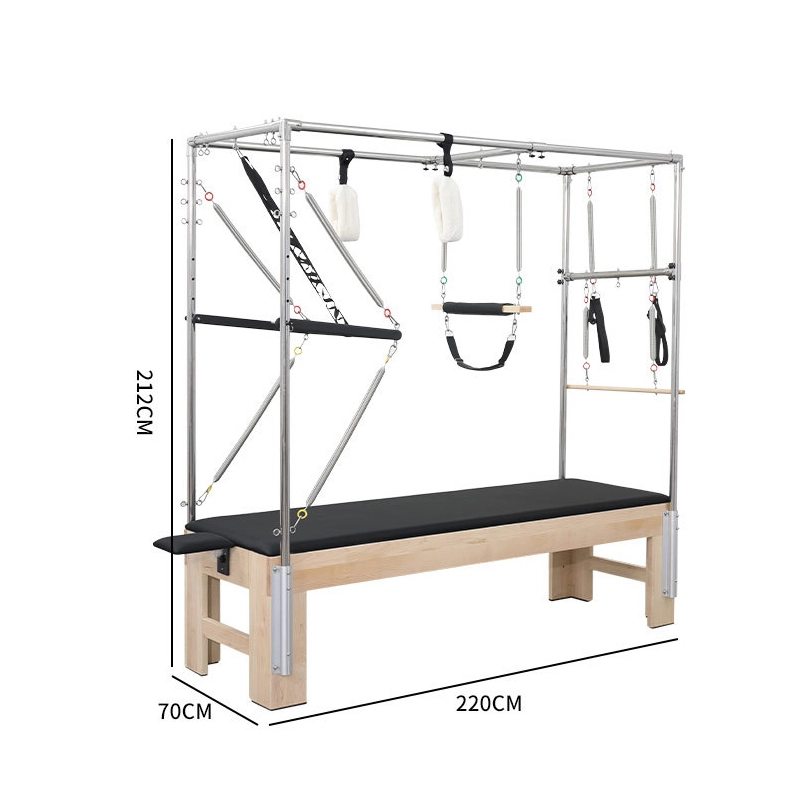
| Wednesday | Reformer Strength / Tower | Heavy springs, slow movements. High Intensity. |
| Thursday | Reformer Jumpboard | Cardio interval training on the machine. High Heart Rate. |
| Friday | Rest / Yoga | Stretching and hydration. Focus on sleep. |
| Saturday | Reformer Technique | Focus on alignment and core. Low to Moderate Intensity. |
| Sunday | Rest | Total rest. Meal prep for the week ahead. |
Frequently Asked Questions (FAQs)
1. Is doing Reformer Pilates once a week enough to change my body shape?
Honestly? Probably not significantly. While once a week is fantastic for mental health, stress relief, and maintaining basic mobility, it provides insufficient stimulus to force the body to burn fat or build substantial muscle. The body adapts to the load placed upon it; if that load only occurs for 60 minutes out of a 10,080-minute week, the signal is too weak. To see physical changes like muscle definition or weight loss, you generally need to increase frequency to at least 3 times a week or supplement that one session with other forms of resistance training.
2. Can I do Reformer Pilates every single day?
You *can*, but the question is whether you *should*. Because the Reformer is low-impact, daily practice is safer than daily running. However, daily training often leads to “junk volume,” where you are physically present but mentally checked out, or your muscles are too fatigued to perform optimally. If you love daily practice, try to alternate the focus: do a hard strength class on Monday, a gentle stretch class on Tuesday, and a cardio jumpboard class on Wednesday. This “periodization” prevents burnout and injury.
3. How long will it take before I see weight loss results?
Patience is vital. In the first 4 weeks, the changes are mostly neurological—your brain is learning how to communicate with your muscles. You might feel stronger, but the scale may not move. By weeks 8 to 12 of consistent practice (3-4 times/week), you will typically start to see changes in body composition—clothes fitting looser, muscles feeling firmer, and posture appearing more upright. True weight loss is a marathon, not a sprint, and Pilates builds the vehicle to get you there sustainably.
Conclusion: Your Personalized Prescription for Success
The answer to “how often” is not a rigid prescription but a flexible framework. While the science suggests that **3 to 4 sessions per week** is the gold standard for weight loss and physical transformation, the best routine is the one you actually stick to. Reformer Pilates offers a unique pathway to health—one that respects the body’s need for longevity while challenging its limits.
If you can only manage twice a week, do not be discouraged; simply make those sessions count with intense focus and perhaps supplement them with brisk walking. If you have the luxury of attending four times a week, ensure you are fueling your body to handle the work. Ultimately, consistency is the magic variable. It is the accumulation of hundreds of controlled breaths, precise movements, and spring adjustments over months and years that carves out the results you desire. Start where you are, build gradually, and let the Reformator transform not just your body, but your relationship with movement.
 English (United States)
  English (Canada)
  English (Australia)
  English (New Zealand)
  English (UK)
  Arabic
  Bulgarian
  Czech
Czech  Danish
  Greek
Greek  Spanish
  Ukrainian
  Turkish
  Thai
Thai  Swedish
  Serbian
  Slovenian
  Slovak
  Russian
  Romanian
  Portuguese (Portugal)
  Portuguese (Brazil)
  Norwegian
  Dutch
Dutch  Estonian
  Finnish
  French
  Hindi
Hindi  Croatian
  Indonesian
  Icelandic
  Italian
  Japanese
  Georgian
  German
  Lithuanian
  Polish
  Korean
  Uzbek
Uzbek  Hungarian
  Malay
Malay