
On average, a standard 60-minute Reformer Pilates session will burn between **200 and 450 calories**. However, this number is not a static figure; it fluctuates significantly depending on the individual’s body weight, the intensity of the specific class (e.g., classical flow vs. cardio jumpboard), and the practitioner’s level of exertion. While a beginner weighing 150 pounds might burn approximately 250 calories in a foundational class, an advanced practitioner engaging in a high-intensity interval format on the carriage could easily surpass 450 calories. Ultimately, Reformer Pilates is a moderate-calorie burning activity that excels in long-term metabolic increases rather than just immediate caloric expenditure.
What Factors Determine the Caloric Expenditure in Pilates?
Understanding the caloric output of Reformer Pilates requires more than a simple glance at a fitness tracker. The human body is a complex biological machine, and the Реформатор is a sophisticated tool designed to challenge that machine in unique ways. The exact number of calories burned is the result of a mathematical interplay between your physiology and the mechanics of the workout.
The Role of Body Weight and Basal Metabolic Rate (BMR)
The primary driver of calorie burn in any physical activity is mass. Physics dictates that moving a heavier object requires more energy than moving a lighter one. Therefore, a person weighing 180 pounds will burn significantly more calories performing the same “Footwork” series on the Reformer than a person weighing 120 pounds. Furthermore, men typically have a higher Basal Metabolic Rate (BMR) due to naturally higher muscle mass, meaning they often burn calories at a faster rate during the same session.
The Intensity Variable: Classical vs. Contemporary
Not all Reformer classes are created equal. A “Restorative Reformer” class, which focuses on stretching and alignment, will be on the lower end of the calorie spectrum (approx. 150-200 calories). In contrast, a “Power Pilates” or “Athletic Reformer” class, which utilizes the jumpboard for cardio or minimizes rest times between sets, pushes the heart rate into anaerobic zones, significantly increasing the burn.
What Distinguishes Reformer Pilates From Mat Pilates in Terms of Energy Use?
For those uninitiated in the Pilates method, the distinction between working on a mat and working on a Reformer is pivotal for understanding weight loss potential. While both share the same DNA of Contrology, the energy demands differ drastically.
The Limitation of the Mat
Mat Pilates relies exclusively on gravity and your own body weight. While effective for core engagement and alignment, the resistance is constant and finite. Once you can lift your own leg with ease, the caloric demand plateaus unless you increase repetitions significantly.
The Multiplier Effect of the Reformer
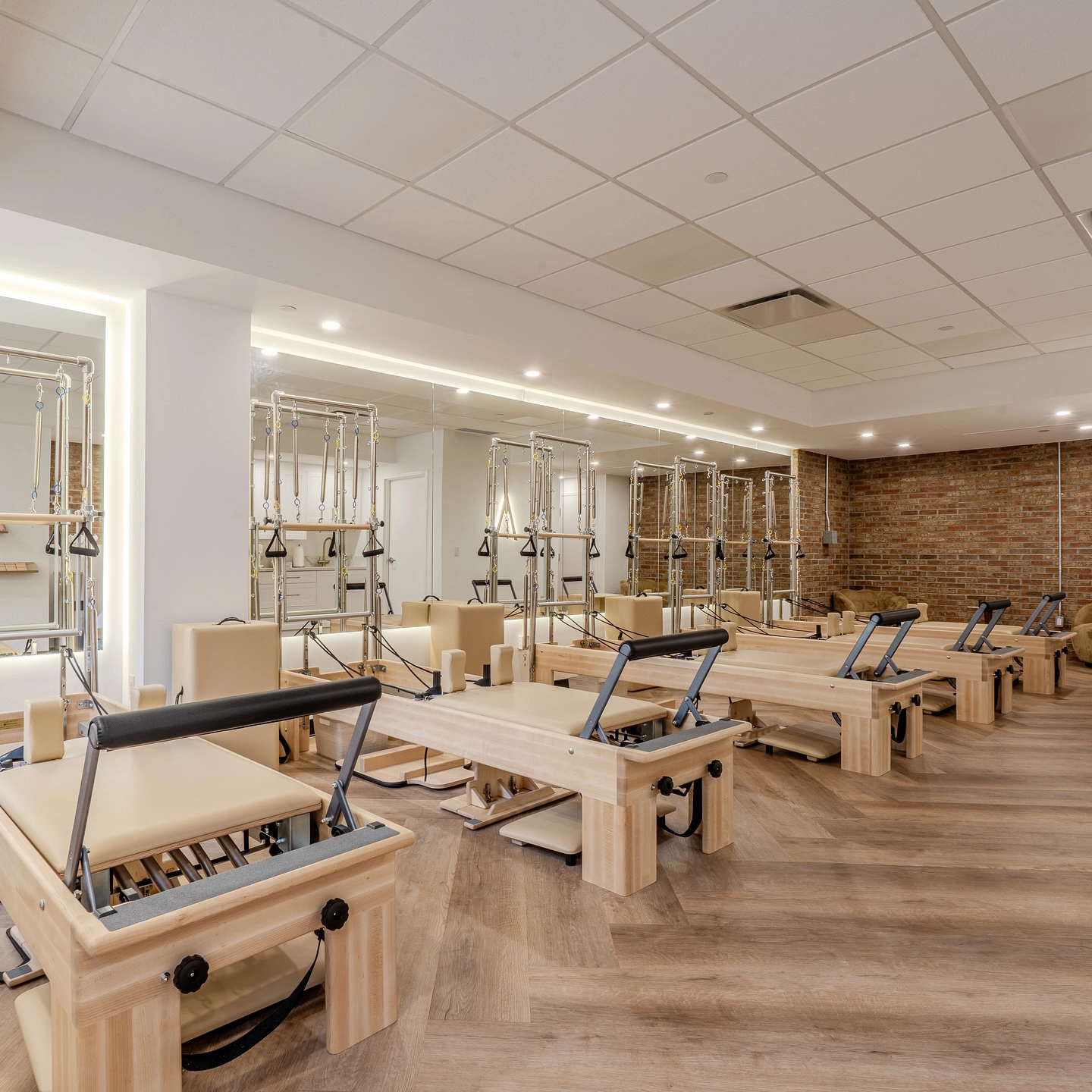
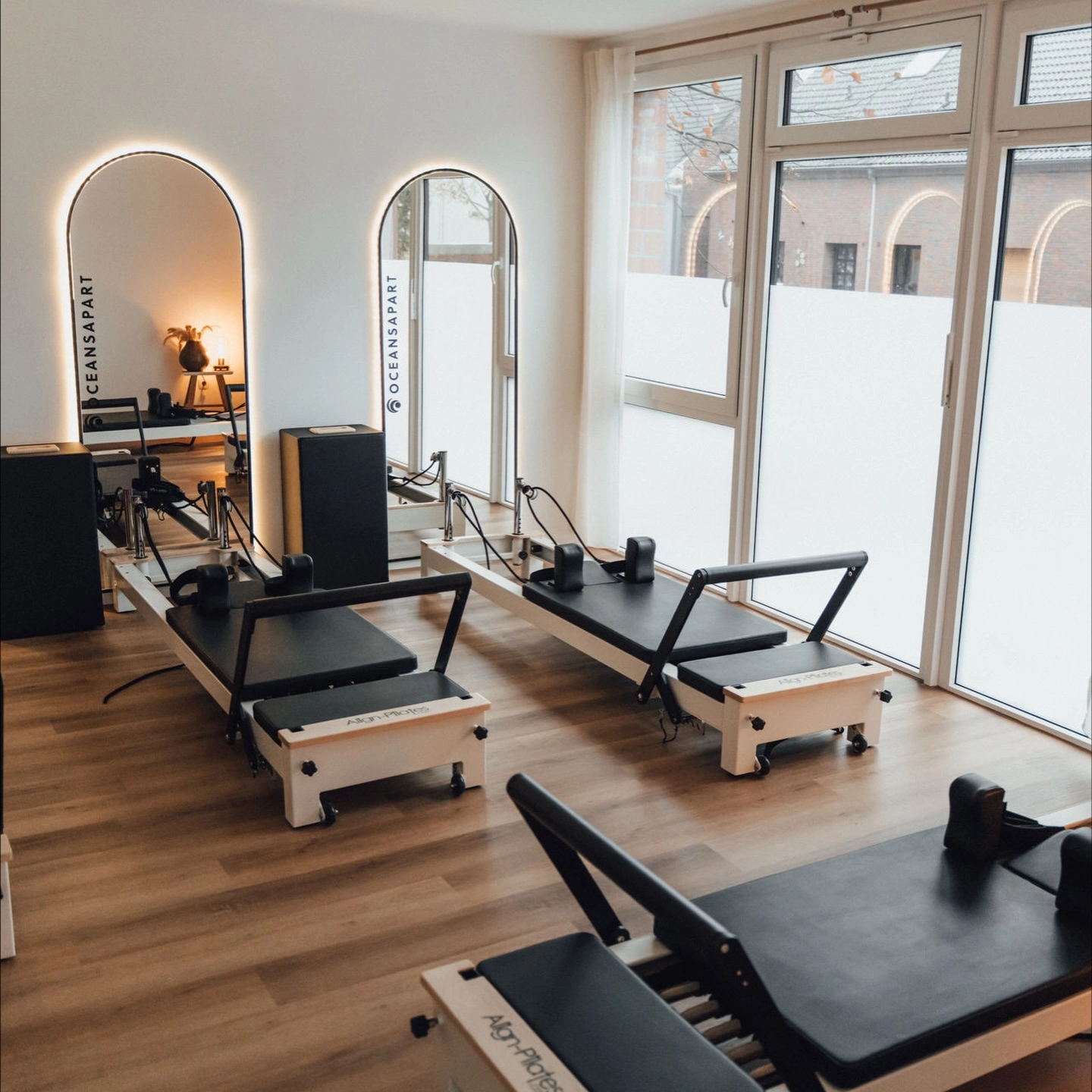
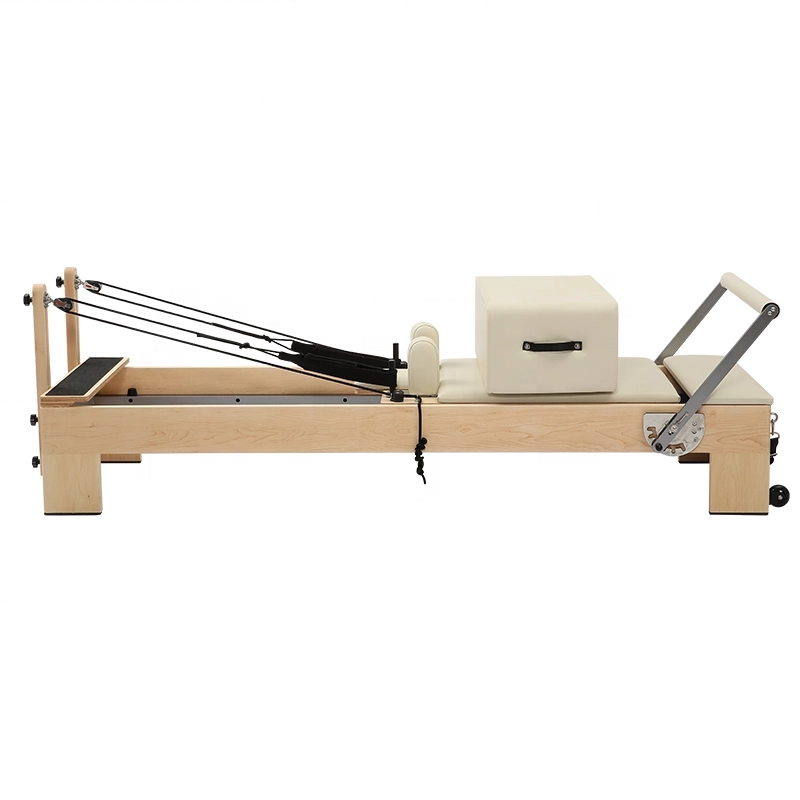
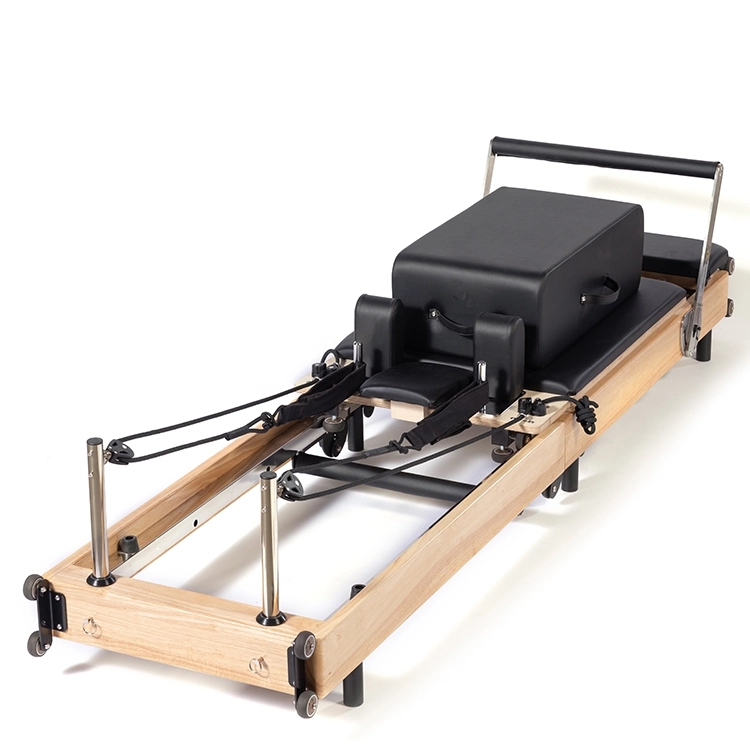
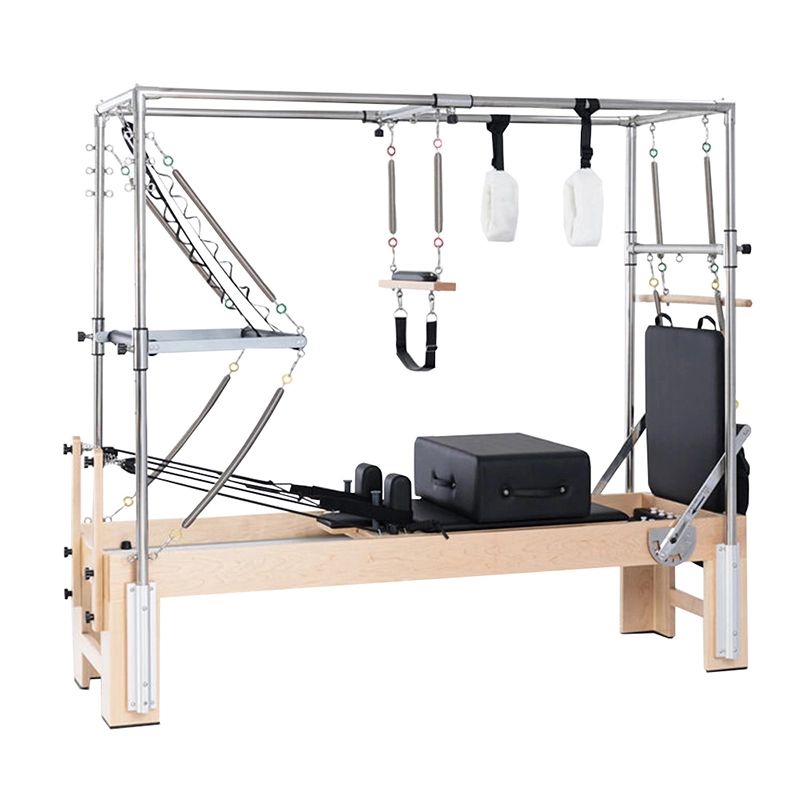
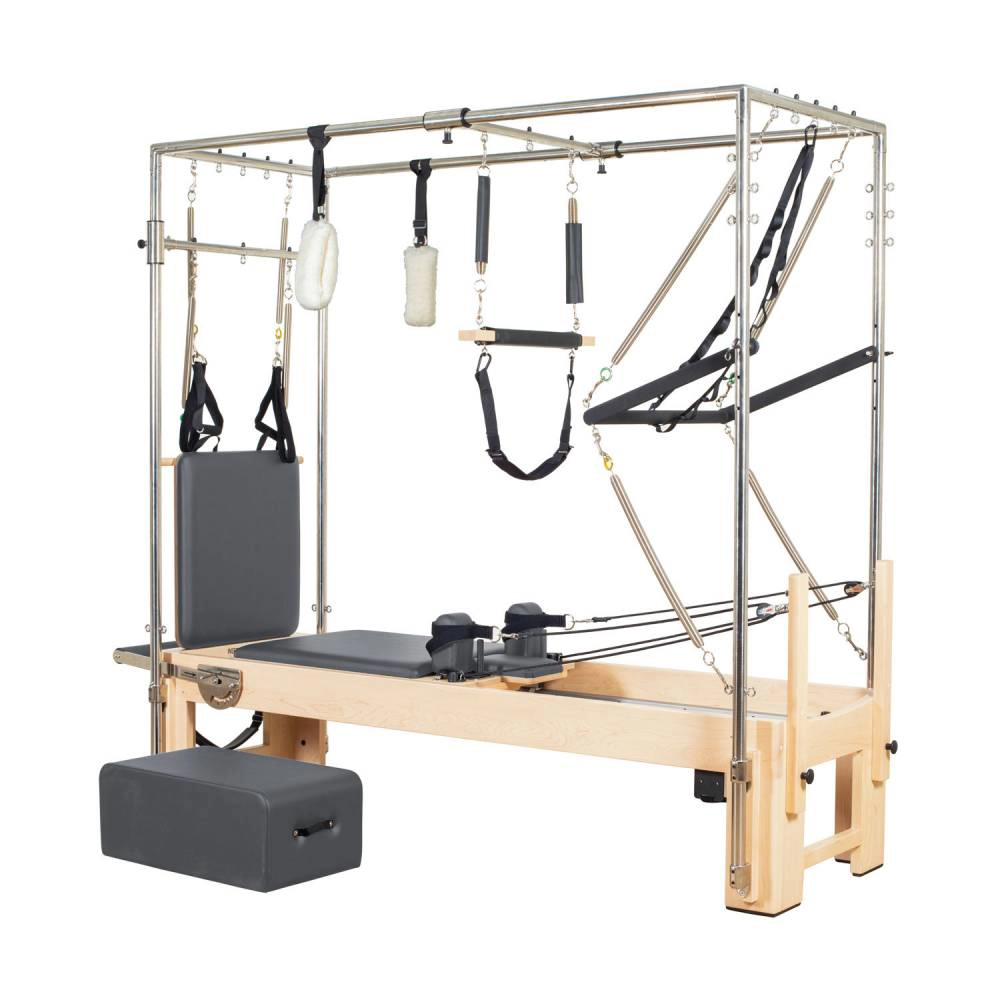
Он Реформатор introduces a dynamic variable: spring tension. This machine, a bed-like frame with a rolling carriage, uses springs to add external load.
1. **Concentric and Eccentric Load:** You must exert energy to push the carriage out (concentric) and, crucially, exert even more control to resist the springs pulling you back in (eccentric). This double-duty muscular engagement keeps the muscles under tension for longer periods.
2. **Instability:** The moving carriage acts as an unstable surface. Your body must recruit minor stabilizing muscles just to stay balanced, burning “hidden” calories that don’t register as muscular fatigue but contribute to total energy expenditure.
How Do We Calculate the Burn for Different Body Types?
While exact numbers require a metabolic chamber, we can estimate ranges based on general metabolic equivalent (MET) data for resistance and callisthenic training. Here is a breakdown of what you might expect during a standard, moderate-intensity 60-minute session.
| Body Weight (lbs) | Beginner Intensity (Calories) | Intermediate Flow (Calories) | Advanced/Jumpboard (Calories) |
|---|---|---|---|
| 120 lbs | 170 – 200 | 210 – 260 | 280 – 350 |
| 150 lbs | 210 – 250 | 260 – 320 | 350 – 450 |
| 180 lbs | 250 – 300 | 310 – 390 | 420 – 550 |
| 200+ lbs | 290 – 350 | 360 – 450 | 500 – 600+ |
Note: These figures are estimates. Using a heart rate monitor (like an Apple Watch or Whoop strap) set to “Pilates” or “Functional Strength Training” will provide a more personalized metric.
Why Is the “Afterburn” Effect Crucial in Reformer Pilates?
Focusing solely on the calories burned *during* the hour is a myopic view of weight loss. The true magic of Reformer Pilates lies in what happens to your physiology *after* you leave the studio. This phenomenon is scientifically known as Excess Post-exercise Oxygen Consumption (EPOC).
Restoring the System
When you engage in resistance training that fatigues the muscles—such as the “shaking” sensation often felt during a slow lunge series on the Reformer—you create microscopic tears in the muscle fibers. The body requires significant energy (oxygen and calories) to repair these fibers, replenish depleted fuel stores (glycogen), and return core body temperature to normal. This repair process can elevate your metabolism for 12 to 24 hours post-workout.
The Muscle-Metabolism Connection
Furthermore, Reformer Pilates builds lean muscle mass. Muscle is metabolically expensive tissue; it costs the body calories just to maintain it.
* **Fat Tissue:** Low caloric maintenance.
* **Muscle Tissue:** High caloric maintenance.
By increasing your lean muscle mass through consistent Reformer practice, you are effectively increasing your BMR. You will burn more calories while sleeping, sitting at your desk, or watching TV. This is why Pilates is a superior long-term weight management tool compared to pure low-intensity cardio.
How Can You Maximize Calorie Burn During Your Session?
If your goal is specifically to increase energy expenditure, you cannot simply lie on the carriage and let the springs do the work. You must be an active participant in intensity. Here are strategic ways to spike the burn.
1. Eliminate the Rest Periods
In a private session or a well-flowed group class, the transition between exercises should be seamless. Moving immediately from “Footwork” to “The Hundred” keeps the heart rate elevated. If you spend two minutes adjusting ropes and chatting, your heart rate drops, and the caloric burn slows down. Treat the class like a circuit.
2. Understand Spring Tension Paradoxes
It is a common misconception that heavier springs always equal a harder workout.
* **Legs:** Heavier springs usually mean more resistance for the glutes and quads (Strength).
* **Abs:** Lighter springs often mean the core has to work harder to stabilize the carriage because the machine isn’t assisting you (Stability).
To maximize burn, listen to the instructor’s cues on which spring setting creates the most *challenge*, not necessarily the most support.
3. Engage the Breath
Pilates breathing (lateral thoracic breathing) is an active process. Forcing the exhalation engages the transverse abdominis and intercostal muscles. This active breathing increases the thermogenic effect of the exercise. If you are breathing passively, you are leaving calories on the table.
Why Does Reformer Pilates Offer Benefits Beyond the Calorie Count?
While the question “how many calories” is valid, it misses the holistic picture of how Reformer Pilates transforms the body. A runner might burn 600 calories in an hour but may also experience joint compression and tight hip flexors. Pilates offers a “net positive” for the body.
Body Recomposition vs. Weight Loss
The scale might not move as quickly with Pilates as it does with starvation diets or extreme cardio, but the mirror tells a different story. Pilates shrinks the waistline by tightening the internal corset of the abdominals (transverse abdominis). It lifts the glutes and sculpts the shoulders. You might weigh the same, but you will fit into a smaller dress size. This is body recomposition—replacing space-consuming fat with dense, compact muscle.
Injury Prevention and Longevity
High-calorie burning exercises often come with high injury risks (shin splints, stress fractures). Reformer Pilates is low-impact. It allows you to exercise consistently for years without burning out your joints. In the long game of weight loss, consistency beats intensity. Being able to train 4 days a week for 10 years yields better results than training 7 days a week for 2 months and then quitting due to a knee injury.
Where Does Diet Fit Into the Pilates Equation?
It is an inescapable truth of the fitness industry: you cannot out-train a bad diet. This is especially true for Reformer Pilates, which is a moderate-burner, not a hyper-burner.
If you burn 300 calories in a class but consume a 500-calorie smoothie immediately afterward, you are in a caloric surplus. To utilize Reformer Pilates for weight loss, it must be paired with a nutritional strategy that prioritizes:
* **Protein:** To repair the muscles broken down by the springs.
* **Hydration:** To keep the fascia (connective tissue) supple.
* **Whole Foods:** To provide sustained energy for the concentration required in class.
The synergy of a slight caloric deficit in the kitchen and the metabolic boosting of the Reformer in the studio is the golden formula for results.
When Should You Incorporate Cardio With Pilates?
For those strictly focused on weight loss, a hybrid approach is often best. Reformer Pilates covers strength, flexibility, and toning. Adding 2-3 sessions of pure cardiovascular work (brisk walking, cycling, or swimming) per week can handle the “calorie dumping” needed for fat loss, while Pilates shapes the underlying musculature.
Many studios now offer hybrid classes, such as “Cardio Sculpt” or “Jumpboard,” which attach a rebounder to the end of the Реформатор. This allows you to jump while lying down, removing gravity’s impact while keeping the heart rate in Zone 3 or Zone 4 (aerobic/anaerobic threshold). This is the most efficient way to maximize calorie burn within the Pilates modality.
The Intensity Ladder – How to Scale Your Burn
If you feel like your calorie burn has plateaued, check your performance against this intensity ladder. Are you operating at Level 1 or Level 3?
Level 1: The Learner (Low Burn)
- **Focus:** Learning the choreography and safety.
- **Movement:** Slow, often stopping to listen to instructions.
- **Springs:** Often relying on springs for support rather than resistance.
- **Est. Burn:** 150 – 200 calories.
Level 2: The Practitioner (Moderate Burn)
- **Focus:** Flow and precision.
- **Movement:** Fluid transitions; breaks are minimized.
- **Springs:** Using springs to challenge the muscles; actively resisting the return.
- **Est. Burn:** 250 – 350 calories.
Level 3: The Athlete (High Burn)
- **Focus:** Control under fatigue and power.
- **Movement:** Continuous tension; adding variations like pulses or single-limb work.
- **Springs:** Advanced settings that require maximum core stability.
- **Est. Burn:** 400 – 550 calories.
Five Signs You Are Burning More Than You Think
Sometimes fitness trackers are inaccurate because they rely heavily on arm movement (which is stable in Pilates) or steady-state heart rate. Here are physiological signs you are torching calories:
- **The Shake:** If your muscles are trembling, you are recruiting Type II muscle fibers, which are energy-inefficient and burn more glucose.
- **The Heat:** Feeling a rise in internal body temperature (sweating from the core out, rather than just skin surface sweat) indicates high metabolic demand.
- **Breathlessness:** If you cannot hold a conversation during the “Series of Five” ab workout, you have entered an anaerobic state.
- **Post-Class Hunger:** An insatiable appetite 30 minutes after class suggests significant glycogen depletion.
- **Muscle Soreness (DOMS):** Feeling sore 24 hours later confirms tissue breakdown and the subsequent energy-demanding repair process.
Frequently Asked Questions (FAQs)
1. Can I lose weight doing Reformer Pilates only?
Yes, but it requires consistency and dietary discipline. Because the calorie burn per session is moderate compared to running, you cannot rely on the workout alone to erase a poor diet. However, if you attend 3-4 times a week and eat at maintenance or a slight deficit, the body recomposition effects will result in weight loss and, more importantly, inch loss.
2. Does the Jumpboard burn significantly more calories?
Yes. The Jumpboard attachment converts the Reformer into a horizontal plyometric machine. It introduces cardio intervals into the workout. A Jumpboard class can increase calorie expenditure by 15-25% compared to a standard flow class because it keeps the heart rate consistently elevated in the aerobic zone.
3. Why does my fitness watch show a low calorie burn for Pilates?
Most fitness trackers (Apple Watch, Fitbit, Garmin) are optimized for step-based or steady-state cardio activities like running. They often struggle to quantify anaerobic bursts or isometric holds (squeezing muscles without moving), which are central to Pilates. Furthermore, if your arms are stationary in straps or holding handles, the watch may think you are resting. Do not be discouraged by the number on the screen; the physiological work is real.
Closing Thoughts: The Quality of the Calorie
While counting calories is a useful metric for weight management, it is not the ultimate measure of a workout’s value. A Reformer Pilates session offers high-quality calorie expenditure. It does not just burn energy; it builds a chassis—a body that is aligned, strong, and metabolically active.
If you are looking for a method that respects your joints while whittling your waistline, Reformer Pilates is a premier choice. The key is to move past the obsession with the number on the watch and focus on the feeling of the springs. The intensity you bring to the carriage determines the results you get off of it. Whether you are burning 200 or 500 calories, the cumulative effect of a consistent practice is a stronger, leaner, and more capable version of yourself.
 English (United States)
  English (Canada)
  English (Australia)
  English (New Zealand)
  English (UK)
  Arabic
  Bulgarian
  Czech
Czech  Danish
  Greek
Greek  Spanish
  Ukrainian
  Turkish
  Thai
Thai  Swedish
  Serbian
  Slovenian
  Slovak
  Russian
  Romanian
  Portuguese (Portugal)
  Portuguese (Brazil)
  Norwegian
  Dutch
Dutch  Estonian
  Finnish
  French
  Hindi
Hindi  Croatian
  Indonesian
  Icelandic
  Italian
  Japanese
  Georgian
  German
  Lithuanian
  Polish
  Korean
  Uzbek
Uzbek  Hungarian
  Malay
Malay