
Reformer Pilates is an effective method for weight loss, primarily because it alters body composition by building lean muscle mass, which in turn increases your basal metabolic rate. While it may not burn as many calories minute-per-minute as high-intensity cardiovascular interval training, the sustained resistance training provided by the Reformer machine creates long-term metabolic changes. When combined with a nutritious diet and a consistent schedule, Reformer Pilates acts as a powerful catalyst for shedding pounds, toning the physique, and creating a caloric deficit through increased daily energy expenditure.
In a modern fitness landscape saturated with high-intensity interval training (HIIT) boot camps, heavy weightlifting protocols, and endless cardio variations, finding the right path to weight loss can be daunting. Many individuals seeking a leaner physique are turning away from high-impact jarring movements and looking toward more sustainable, functional methods. リフォーマーピラティス has emerged as a frontrunner in this shift. But the lingering question for many remains: Does this practice actually help you burn fat and drop dress sizes, or is it merely for stretching? Let’s delve deep into the mechanics of the Reformer, the physiology of muscle growth, and how this unique exercise system can be the key to achieving your dream body weight.
1. What is Reformer Pilates and how does the equipment aid fitness?
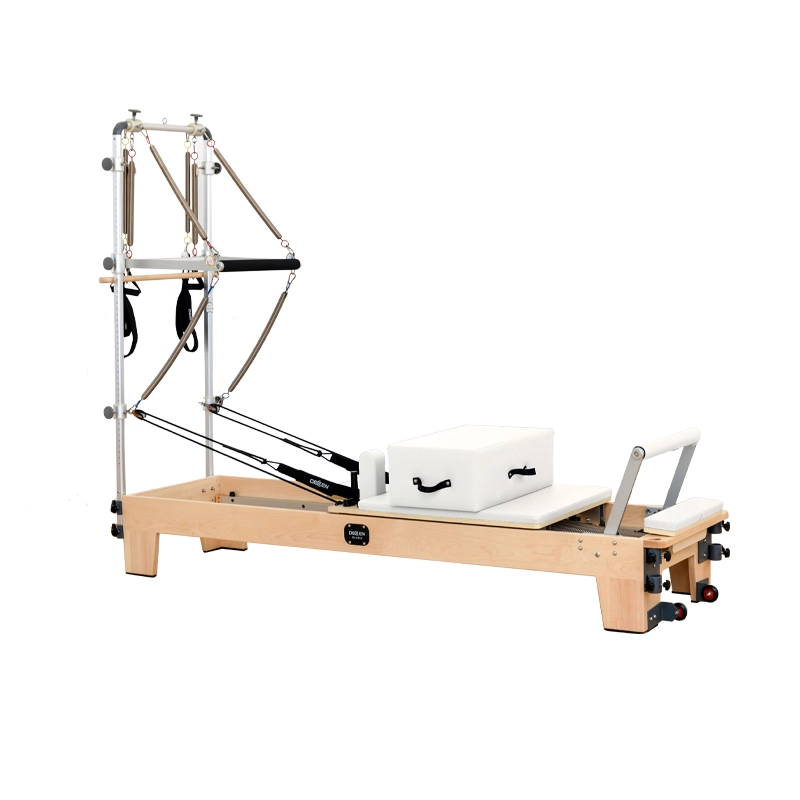
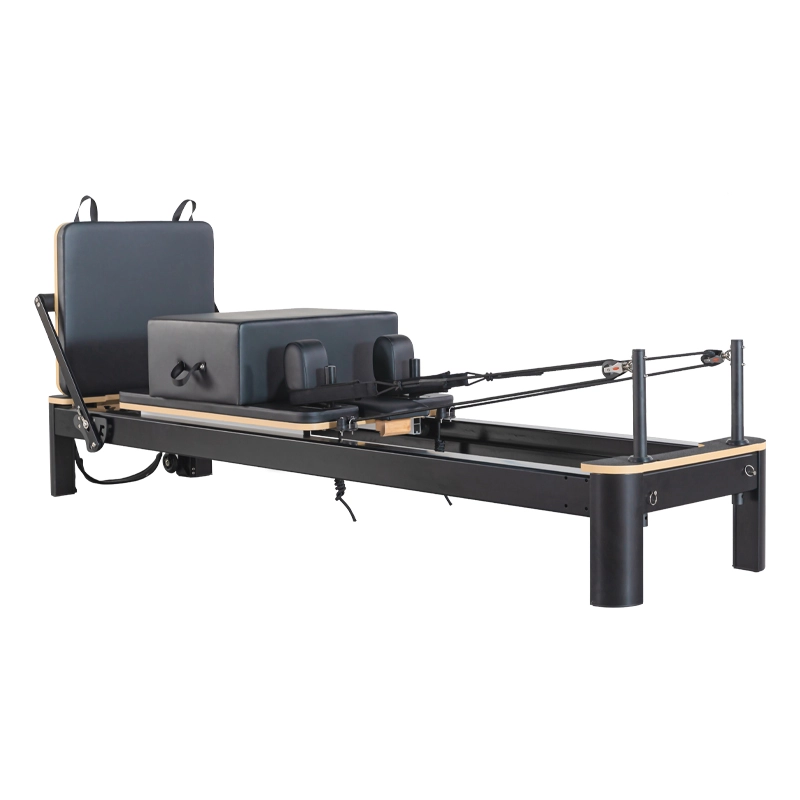
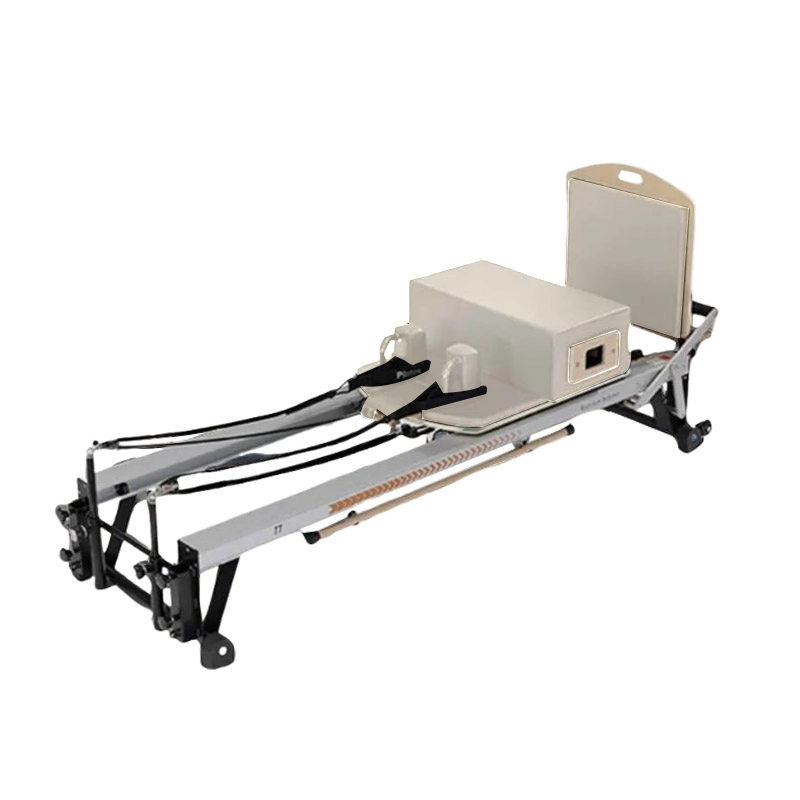
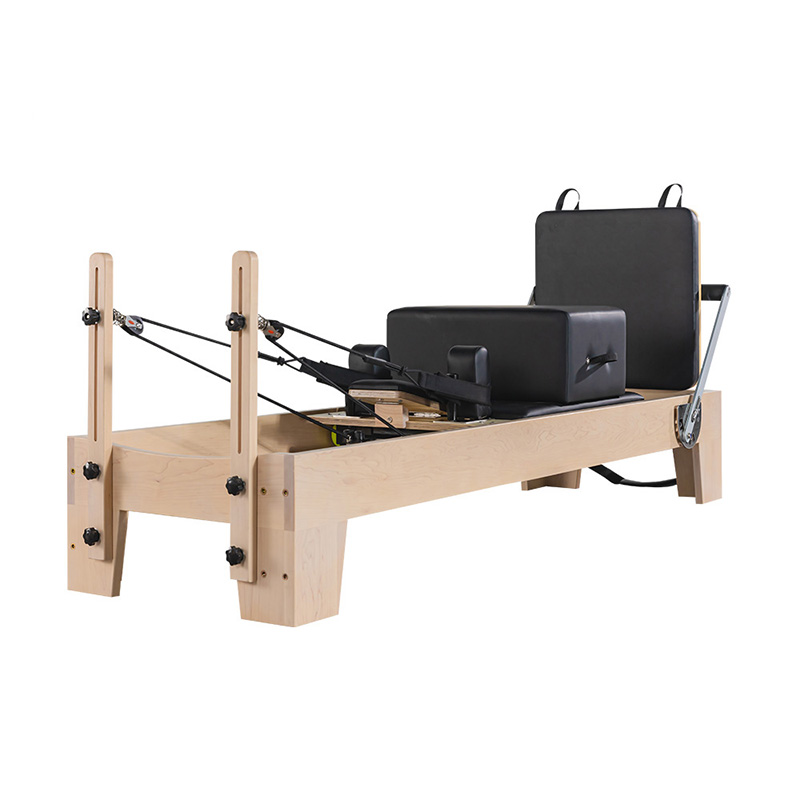
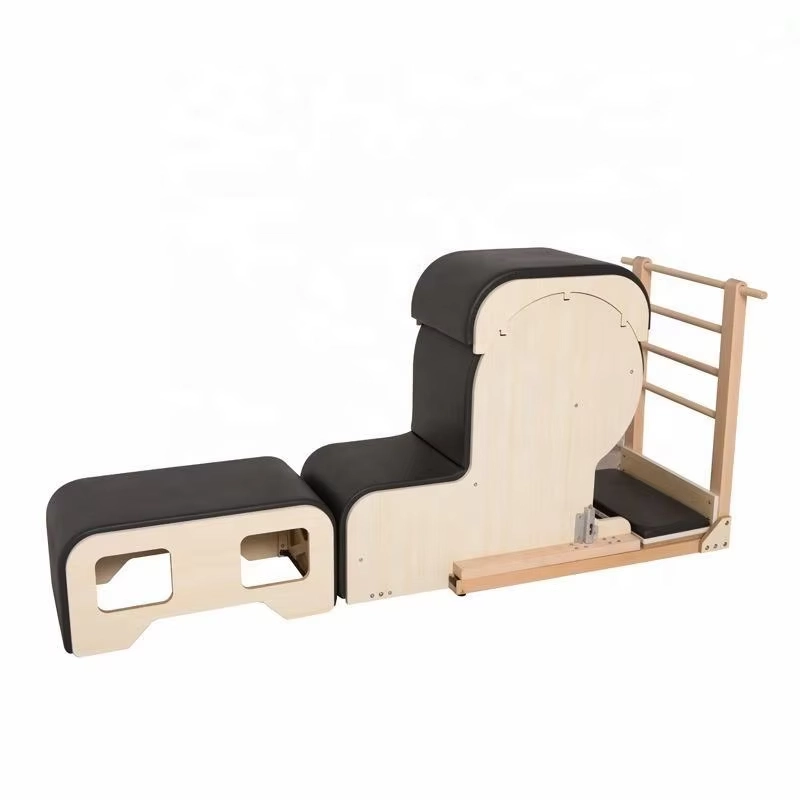
To understand the weight loss potential of this method, one must first understand the apparatus itself. Reformer Pilates is a sophisticated system of resistance training performed on a specialized piece of equipment known as the “改革者.” Invented by Joseph Pilates, this machine looks somewhat like a bed frame with a sliding carriage, ropes, pulleys, and springs.
Unlike mat Pilates, which relies solely on body weight and gravity, the Reformer introduces dynamic, adjustable resistance. The sliding carriage adds an element of instability, forcing your deep stabilizing muscles to engage constantly to maintain balance. The springs provide resistance both during the concentric (shortening) and eccentric (lengthening) phases of muscle contraction.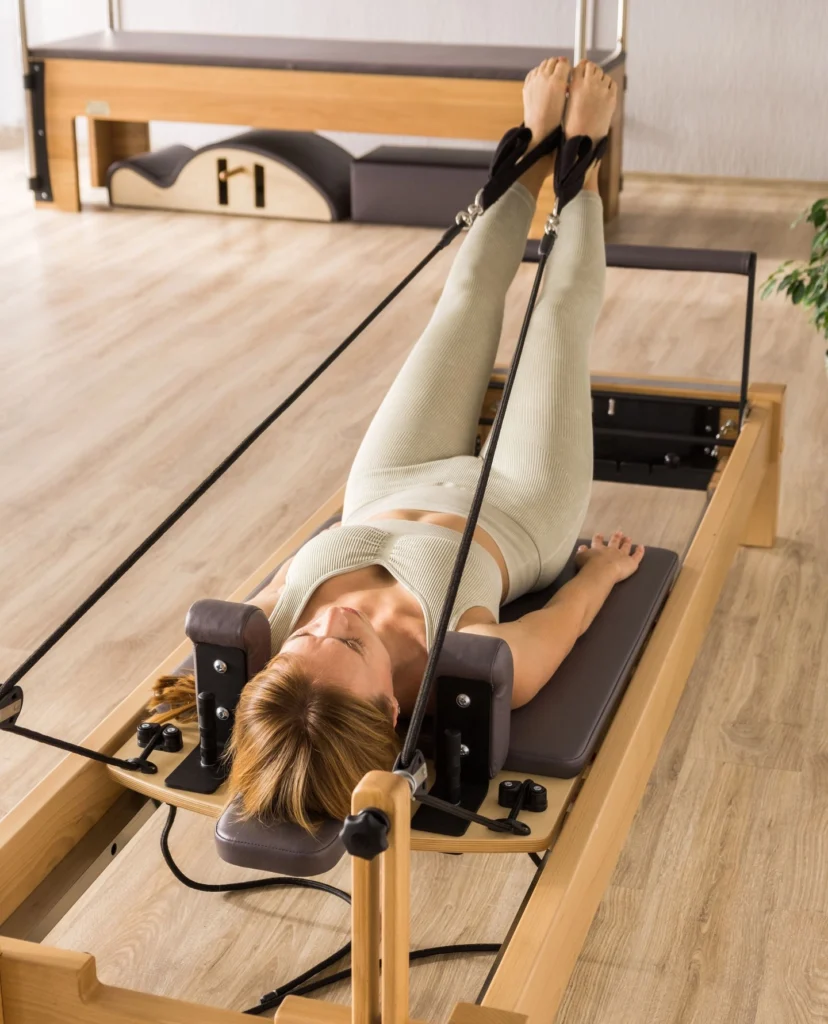
The Mechanical Advantage for Weight Loss:
The magic of the Reformer lies in its versatility. By adjusting the spring tension, the workout can be tailored to target different energy systems. Heavier springs require more force, mimicking traditional weightlifting to build muscle density. Lighter springs, conversely, often require more core stability to control the moving carriage, inducing muscular shaking and deep fatigue. This combination ensures a full-body workout that taxes the muscles sufficiently to stimulate repair and growth, a process that requires significant energy (calories).
Furthermore, the Reformer allows for a greater range of motion than standard gym equipment. This means you are working muscles through their full length, leading to the “long, lean” look associated with Pilates practitioners, rather than the bulk associated with hypertrophy training.
2. Why is muscle mass essential for increasing metabolic rate?
One of the most common misconceptions about weight loss is that cardio is the only way to burn fat. While cardio burns calories during the session, resistance training—like Reformer Pilates—burns calories 後 the session and changes how your body processes energy 24/7.
The Metabolic Engine:
The primary mechanism by which Reformer Pilates aids weight loss is through the accumulation of lean muscle mass. Muscle tissue is metabolically active, meaning it requires energy just to exist. Fat tissue, by comparison, is largely a storage depot that requires very little energy to maintain.
- Resting Metabolic Rate (RMR): By increasing your percentage of lean muscle, you elevate your Resting Metabolic Rate. This means you burn more calories while sitting at your desk, sleeping, or watching television.
- The Afterburn Effect: Resistance training triggers a phenomenon known as Excess Post-exercise Oxygen Consumption (EPOC). After a rigorous Reformer class, your body must consume more oxygen to restore muscle fibers, clear lactic acid, and replenish energy stores. This recovery process burns calories for hours after you have left the studio.
Therefore, while a single hour of Pilates might burn between 250 to 450 calories (depending on intensity), the long-term value is the permanent upgrade to your metabolism. You are essentially turning your body into a more efficient engine.
3. How does Reformer resistance differ from traditional weightlifting?
When people ask if Reformer Pilates is better than gym weights, the answer lies in the type of resistance and how the body recruits muscle fibers. Traditional weightlifting often isolates specific muscle groups (e.g., a bicep curl isolates the bicep). Reformer Pilates is almost exclusively a compound movement practice.
Variable and Progressive Resistance:
The springs on a Reformer utilize variable resistance. As you extend a spring, the tension increases, making the end of the movement harder than the beginning. This forces the muscle to work maximally at the point of peak contraction.
Eccentric Focus:
Pilates places a heavy emphasis on the eccentric phase of movement—the controlled release of the spring tension. Research suggests that eccentric training is superior for building muscle strength and density. Controlling the return of the carriage prevents momentum from taking over. This constant “time under tension” is exhausting for the muscles and is highly effective for fat burning and muscle sculpting.
Full-Body Integration:
In a Reformer class, you rarely work just one body part. A simple leg press on the Reformer also requires:
- Abdominal engagement to keep the spine neutral.
- Shoulder stability to keep the upper body relaxed.
- Pelvic floor activation.
Because you are recruiting so many muscle groups simultaneously, the overall energy demand on the body is high, contributing to a greater total caloric expenditure compared to isolation exercises.
4. Where does core stability fit into the weight loss equation?
“Core strength” is often a buzzword, but in the context of weight loss and リフォーマーピラティス, it is the foundation of activity. Pilates is renowned as the gold standard for core conditioning, targeting the transverse abdominis (the deepest layer of abs), the obliques, and the lower back muscles.
The Core-Weight Loss Connection:
How does a strong core help you lose weight? Indirectly, but significantly.
- Safety and Longevity: Weight loss requires consistency. If you injure your back doing squats or running, your weight loss journey halts. A strong core acts as a natural corset, protecting your spine and allowing you to exercise harder and more frequently without injury.
- Improved Posture: Poor posture can make the abdomen protrude, giving the appearance of weight gain. Pilates realigns the spine and pulls the abdominal wall in, leading to an immediate visual reduction in waist circumference, even before fat loss occurs.
- Efficiency of Movement: A strong core allows you to transfer power more effectively in other exercises. If you run, a strong core makes you a faster runner. If you lift weights, a strong core allows you to lift heavier. This crossover effect means your 他の workouts become more intense and calorie-burning.
5. Why is flexibility and body awareness vital for long-term weight management?
Flexibility is often overlooked in weight loss discussions, yet it is a pillar of the Reformer Pilates method. The sliding carriage provides dynamic stretching, which lengthens muscles while they are strengthening.
Range of Motion and Calorie Burn:
Stiff joints and tight muscles restrict movement. If you cannot squat deeply or lunge fully due to tightness, you are limiting the amount of muscle tissue activated during exercise. By improving flexibility through Reformer Pilates, you increase your range of motion. A greater range of motion means more work performed per rep, leading to higher energy expenditure.
Mind-Body Connection (Proprioception):
Pilates requires intense concentration. You must be aware of your breath, your limb placement, and your spinal alignment. This heightened body awareness often translates to better lifestyle choices. When you are more in tune with your body, you are less likely to overeat out of boredom and more likely to recognize true hunger cues. This mindfulness is a subtle but powerful psychological tool in the battle against weight gain.
6. When should you incorporate cardio alongside Reformer Pilates?
While リフォーマーピラティス is a powerhouse for strength and toning, is it a standalone solution for significant weight loss? The honest answer is that for optimal fat loss, a multi-modal approach is best.
The Cardio Partnership:
Pilates is generally anaerobic (without oxygen), meaning it builds muscle. Cardio is aerobic (with oxygen), meaning it burns immediate fuel. To maximize weight loss, experts recommend combining Reformer Pilates with cardiovascular activities.
- The Routine: Aim for 2-3 days of Reformer Pilates to build the metabolic engine (muscle) and 2-3 days of cardio (brisk walking, running, cycling, swimming) to burn off fuel stores.
- Heart Rate Elevation: Some advanced Reformer classes, often labeled “Cardio Pilates” or using a “Jumpboard” attachment, bridge this gap. The Jumpboard attaches to the foot end of the Reformer, allowing you to perform horizontal plyometric jumps. This elevates the heart rate into the fat-burning zone while maintaining low impact on the joints.
If your primary goal is rapid weight loss, do not rely on Pilates alone. Use Pilates to build the body that can perform high-intensity work, and then layer in the cardio.
7. How frequently must you practice to see tangible results?
Consistency is the currency of fitness. Joseph Pilates famously said, “In 10 sessions you will feel the difference, in 20 you will see the difference, and in 30 you will have a whole new body.” While this is a generalization, it holds truth regarding the timeline of adaptation.
Recommended Frequency:
- Beginners: Start with 2 sessions per week. This allows your body to learn the complex movement patterns and recover from the new stimulus.
- Weight Loss Goal: To actively lose weight, you should aim for 3 to 4 sessions per week. This frequency keeps the metabolism elevated and ensures you are progressing in resistance levels.
The Timeline:
- Weeks 1-4: You will feel stronger, stand taller, and experience less back pain. Neurological adaptations are happening—your brain is learning how to fire your muscles efficiently.
- Weeks 6-8: Physical changes become visible. You may notice definition in the triceps, a more lifted seat (glutes), and a narrowing of the waistline. Clothes will fit differently.
- Months 3+: With consistent progressive overload (increasing spring tension), significant body composition changes occur. If paired with a calorie deficit, fat loss will be evident.
Additional Feature 1: The “Pilates Effect” on Hormones and Stress
An often-ignored factor in weight loss is stress. When the body is stressed, it produces cortisol. Chronically elevated cortisol levels are scientifically linked to the accumulation of abdominal fat (visceral fat). High-intensity workouts (like CrossFit or heavy running) actually spike cortisol temporarily. While this is fine for some, for others, it can lead to burnout and fat retention.
Reformer Pilates operates differently. It is a mindful, controlled practice that encourages deep, rhythmic diaphragmatic breathing. This type of breathing stimulates the parasympathetic nervous system (the “rest and digest” mode), lowering cortisol levels. By reducing systemic stress, Reformer Pilates creates a hormonal environment that is conducive to fat loss rather than fat storage. For individuals with high-stress jobs or anxiety, Pilates may be more effective for weight loss than HIIT simply because it balances the hormonal scales.
Additional Feature 2: Sample Weekly Schedule for Weight Loss
To take the guesswork out of your routine, here is a balanced weekly schedule integrating Reformer Pilates for maximum fat loss:
- 月曜日: Reformer Pilates (Full Body Flow) – Focus on form and technique.
- 火曜日: Cardio (30-45 mins) – Brisk walking, cycling, or light jogging + Stretching.
- 水曜日: Reformer Pilates (Strength/Resistance Focus) – Use heavier springs, focus on legs and glutes.
- 木曜日: Active Recovery – Gentle yoga, long walk, or swimming.
- 金曜日: Reformer Pilates (Jumpboard or High Intensity) – Focus on getting the heart rate up.
- 土曜日: Outdoor Activity – Hiking, sports, or a long recreational walk.
- 日曜日: Rest Day – Focus on meal prep and hydration.
よくある質問(FAQ)
Q1: Will Reformer Pilates make me look “bulky”?
No. This is a common fear, particularly among women. Bulking requires heavy load lifting, a massive caloric surplus, and high levels of testosterone. The resistance on a Reformer is generally designed to build muscular endurance and tone rather than hypertrophy (size). The eccentric lengthening of the muscles during Pilates creates a sleek, elongated silhouette rather than a bulky, pumped look.
Q2: Do I need to follow a specific diet while doing Reformer Pilates?
Yes, if weight loss is the goal. You cannot out-train a bad diet. While Pilates burns calories, weight loss ultimately comes down to a caloric deficit (consuming fewer calories than you burn). Focus on a diet rich in lean proteins (to support the muscle repair from Pilates), complex carbohydrates (for energy during class), and healthy fats. Hydration is also critical, as water is needed for muscle function and recovery.
Q3: Can I do リフォーマーピラティス if I am overweight or out of shape?
Absolutely. Reformer Pilates is one of the most accessible forms of exercise for individuals carrying extra weight. The carriage supports your body weight, removing stress from the knees and ankles, which is often a barrier in running or aerobics. The springs assist movement, meaning you can perform exercises on the machine that you might not be able to do on a mat (like a sit-up). It is a judgment-free, adaptable method where the machine meets you at your current level.
結論
Can you lose weight with Reformer Pilates? The answer is a resounding yes, provided you approach it with realistic expectations and a holistic mindset. Reformer Pilates is not a “quick fix” magic pill; it is a discipline that reshapes the body from the inside out. By building lean muscle, you turn up your metabolic thermostat. By strengthening your core, you enable a more active lifestyle. By reducing stress, you stop hormonal fat storage.
When you step onto the Reformer, you are not just exercising for the hour you are there; you are investing in a body that burns fat more efficiently all day long. Are you ready to stop punishing your body with high-impact workouts and start sculpting it with precision and power? The journey to a leaner, stronger, and more capable you begins with a single class. Why not book an introductory session at a local studio today and feel the difference for yourself? Your transformation awaits.

 English (United States)
  English (Canada)
  English (Australia)
  English (New Zealand)
  English (UK)
  Arabic
  Bulgarian
  Czech
Czech  Danish
  Greek
Greek  Spanish
  Ukrainian
  Turkish
  Thai
Thai  Swedish
  Serbian
  Slovenian
  Slovak
  Russian
  Romanian
  Portuguese (Portugal)
  Portuguese (Brazil)
  Dutch
Dutch  Estonian
  Finnish
  French
  Hindi
Hindi  Croatian
  Indonesian
  Icelandic
  Italian
  Japanese
  Georgian
  German
  Lithuanian
  Polish
  Korean
  Uzbek
Uzbek  Hungarian
  Malay
Malay