
Table of Contents
The answer is not a simple yes or no; rather, it depends entirely on your personal fitness goals, budget, current experience level, and learning style. For beginners or those recovering from injury, the studio environment is often superior due to the hands-on guidance of a certified instructor who ensures proper form and safety. However, for self-disciplined individuals looking for convenience, cost-savings, and flexibility, home practice can be just as effective, provided they have a solid understanding of the fundamentals. Ultimately, the “better” option is the one that you can commit to consistently, though a hybrid approach—combining the technical precision learned in a studio with the frequency of home workouts—often yields the most transformative results.
1. What Are the Fundamental Differences Between Home and Studio Pilates?
When you begin to weigh the options of unrolling your mat in your living room versus stepping into a dedicated facility, you are comparing two distinct experiences that share a common root. To understand which is better for you, we must first dismantle the machinery—literally and figuratively—of what each setting offers.
The Equipment Factor: Simplicity vs. Complexity
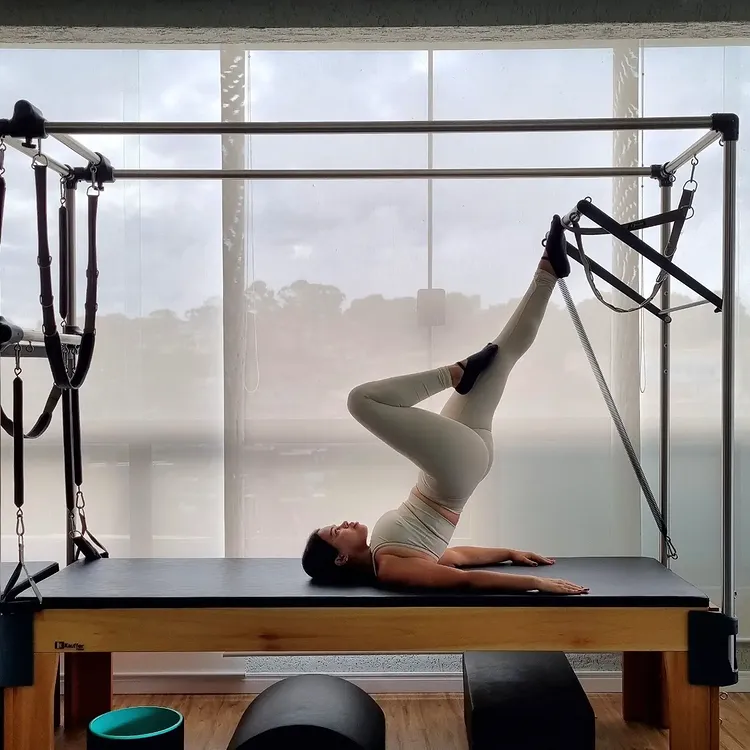
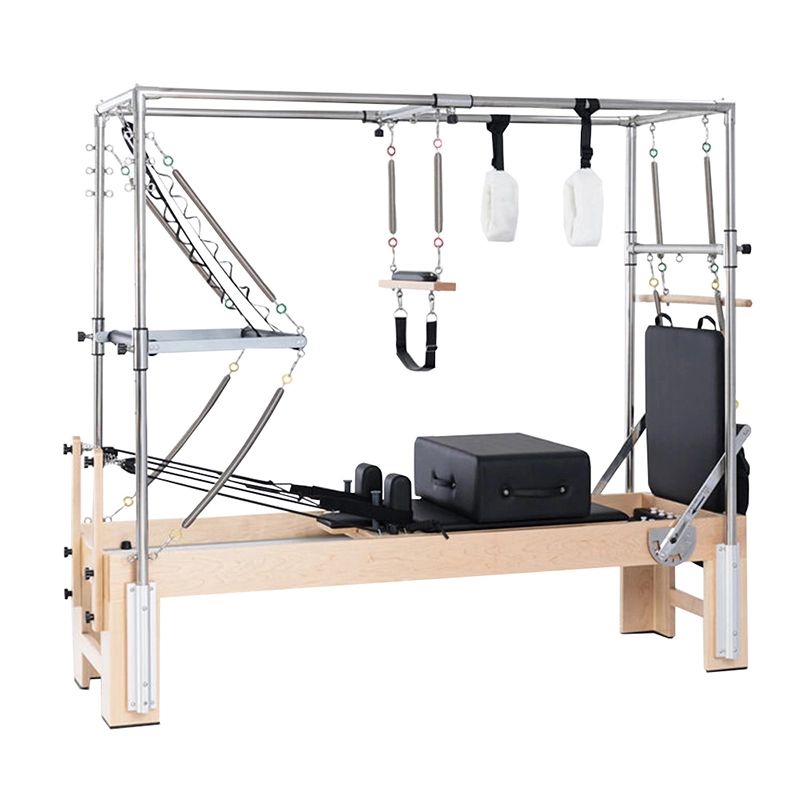
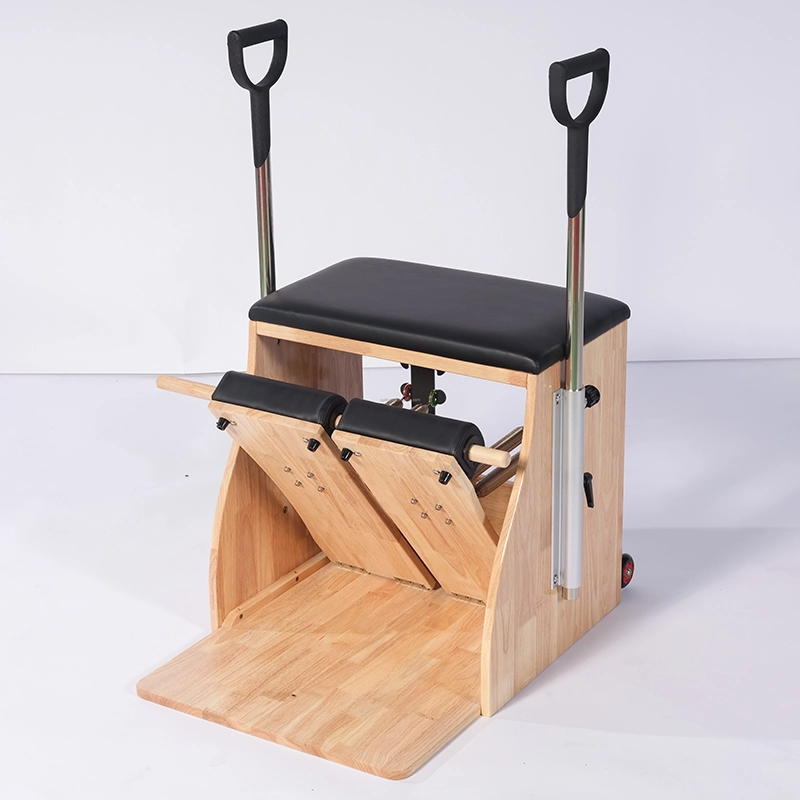
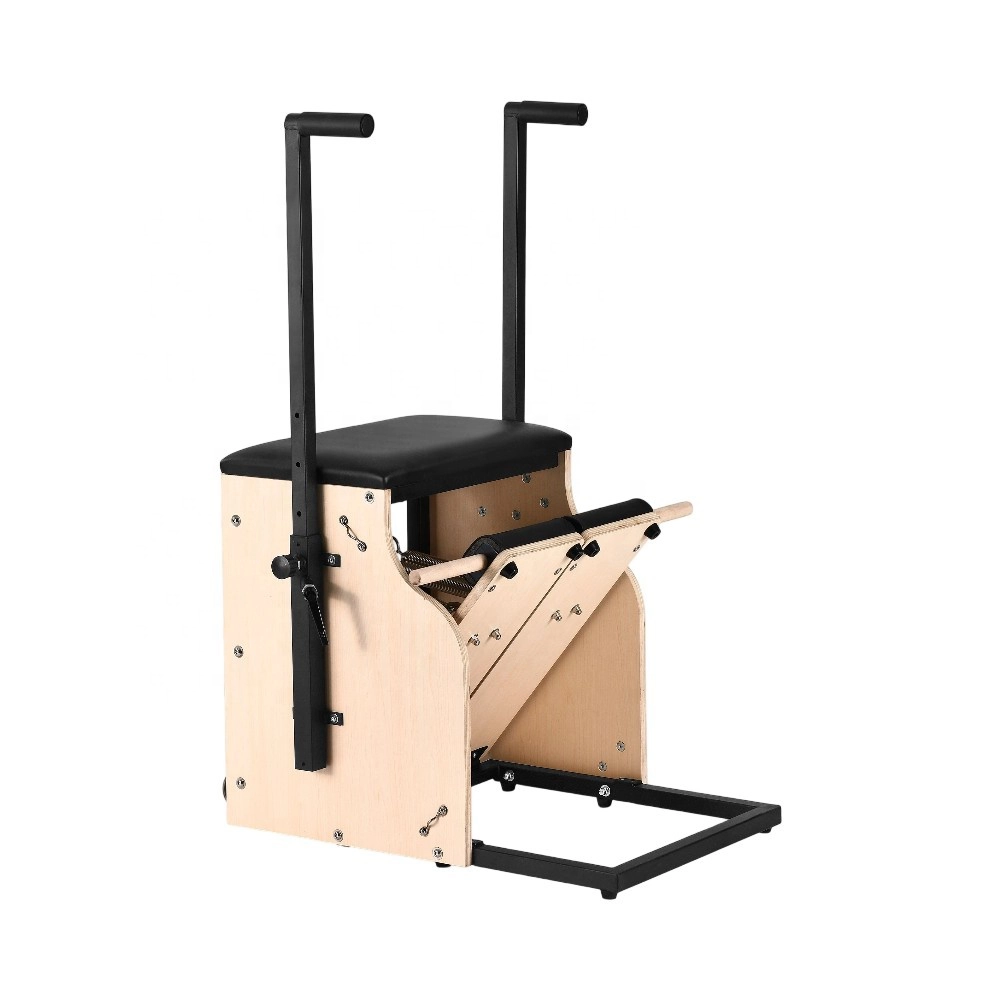
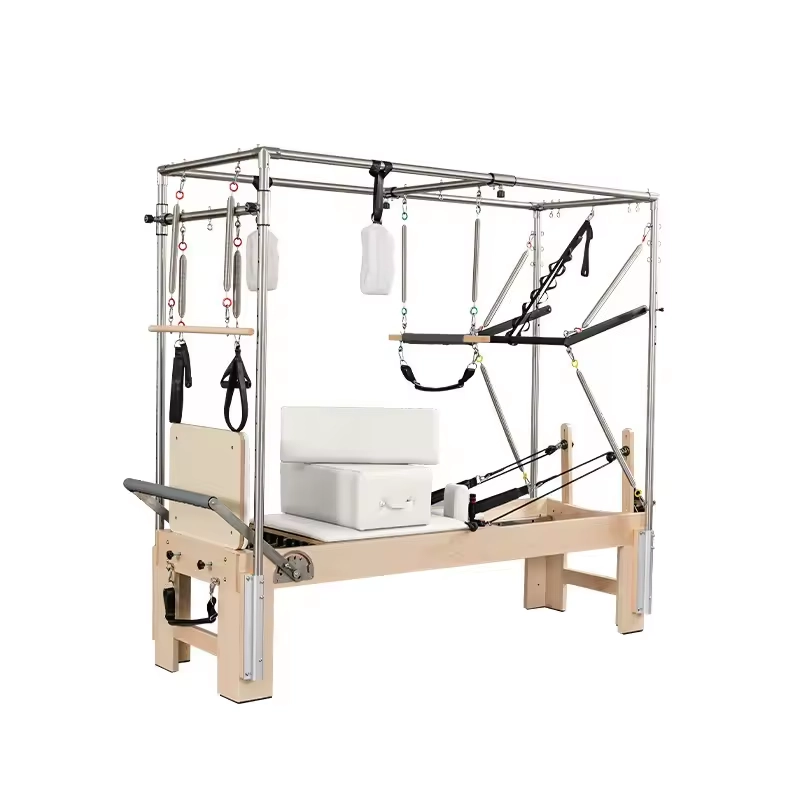
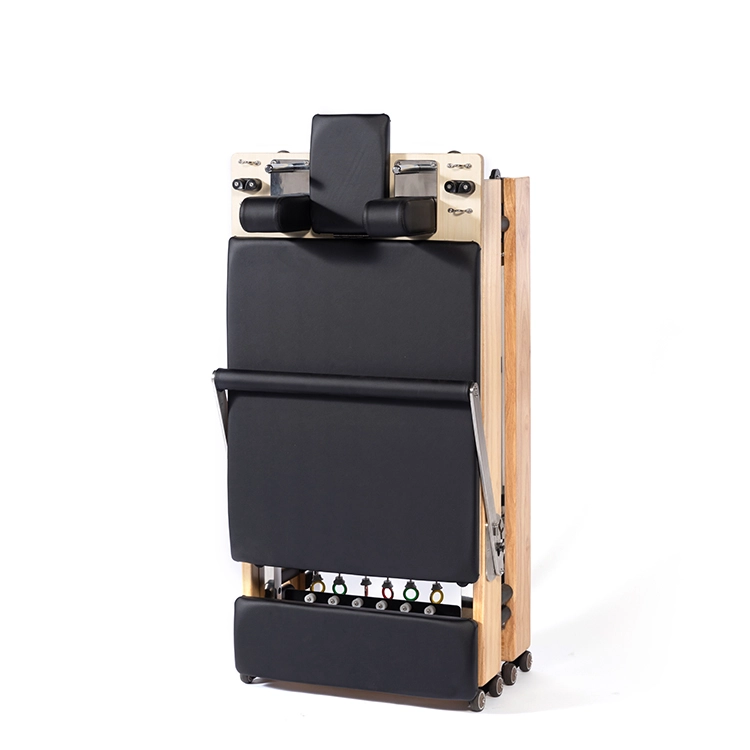
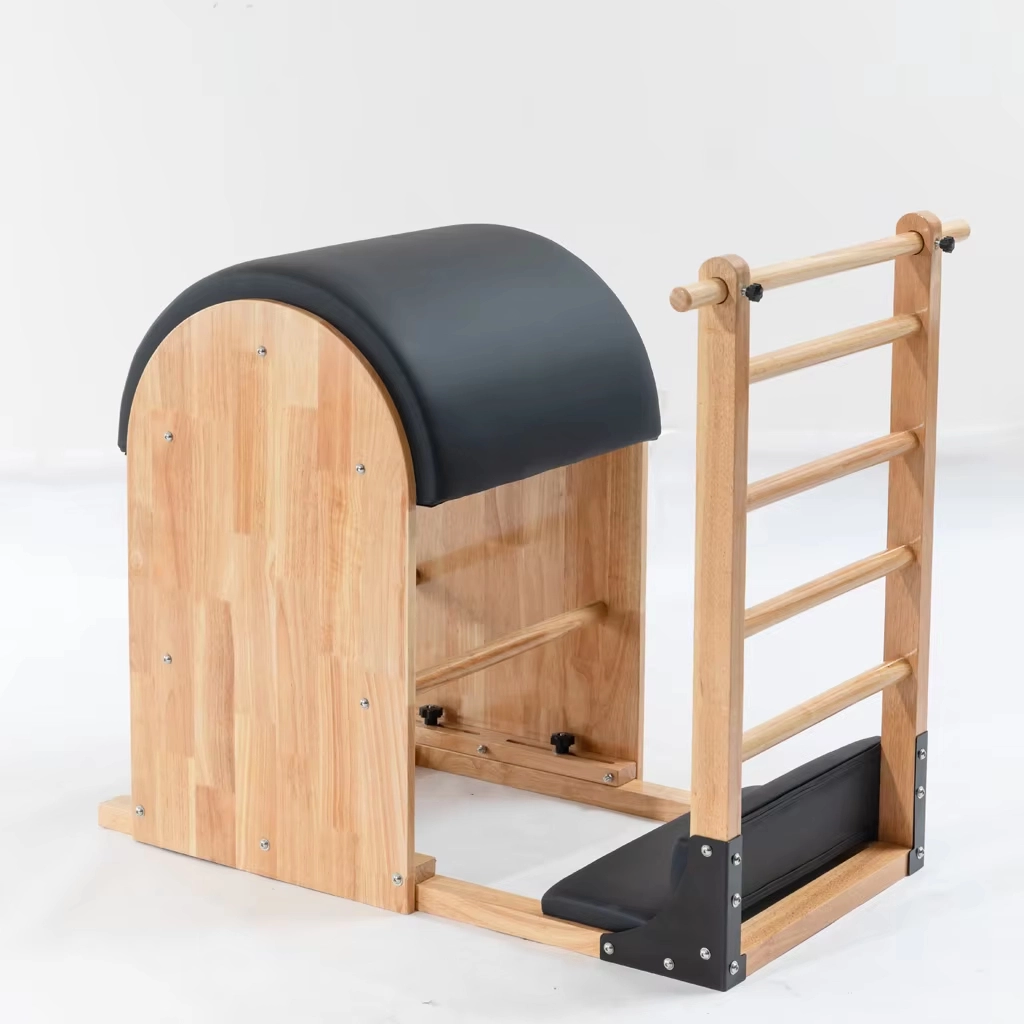
The most glaring difference lies in the hardware. Studio Pilates is synonymous with the Reformer, a sliding carriage apparatus using springs and pulleys to create resistance. Studios also house the Cadillac (Trapeze Table), Wunda Chair, and Ladder Barrel. These machines offer a vast repertoire of exercises that support the body in space, provide tactile feedback through resistance, and allow for a greater range of motion than gravity alone can offer.
In contrast, home Pilates is traditionally Mat-based. The Mat repertoire is the foundation of Joseph Pilates’ method (originally called “Contrology”). It relies on your body weight and gravity. While you can purchase a home Reformer, high-quality machines are expensive (often exceeding $2,000) and space-consuming. Therefore, “Home Pilates” usually implies Mat work, perhaps augmented by small props like the Magic Circle, resistance bands, or foam rollers.
The Atmosphere: Solitude vs. Immersion
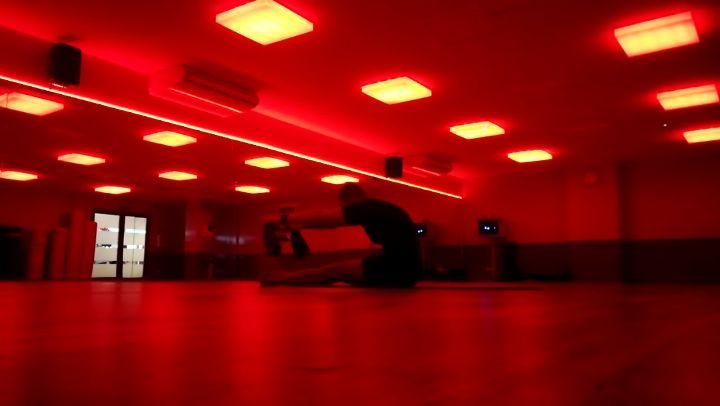
A studio is a sanctuary designed for focus. There are no laundry piles staring at you, no pets demanding attention, and no phones ringing. The lighting, mirrors, and even the flooring are designed to facilitate correct movement. This immersion helps you enter the “flow state” essential for the mind-body connection Pilates demands.
Home practice offers a different kind of sanctuary: privacy. For many, the idea of exercising in front of strangers is anxiety-inducing. Home allows you to wear what you want, grunt if you need to, and wobble without judgment. However, it also requires you to be your own taskmaster, creating a “mental studio” in the middle of your daily life.
2. Why Is Professional Instruction Critical for Beginners?
If you were learning to play the violin, you would likely not start by watching a YouTube video and hoping for the best; you would hire a teacher to show you how to hold the bow. Pilates is similar. It is a discipline of subtle, internal muscle recruitment that is often invisible to the untrained eye.
The Art of Tactile Cues
In a studio, a certified instructor does more than shout instructions; they provide tactile cues. A gentle touch on the ribcage can remind you to breathe laterally. A finger on the shoulder blade can signal you to release tension. These micro-adjustments prevent you from “cheating” by using momentum or dominant muscle groups (like the quads) instead of the deep core stabilizers.
Safety and Injury Prevention
One of the most common searches online is “Pilates for back pain.” While Pilates is rehabilitative, incorrect Pilates can exacerbate injuries. Without an instructor’s eyes on you, it is easy to arch your back during leg lowers or strain your neck during abdominal curls. A studio instructor acts as a safety net, modifying exercises in real-time to suit your body’s limitations.
The “Cheat” Factor
At home, if an exercise becomes too difficult, it is human nature to modify it subconsciously to make it easier. We might lower a leg less, or use momentum to roll up. In a studio, the instructor ensures you maintain the integrity of the movement, pushing you past your comfort zone safely. This external accountability is often the “Why” behind the superior results seen in studio practitioners.
3. How Can You Create an Effective Pilates Practice at Home?
Despite the benefits of the studio, the modern reality is that home fitness is booming, and for good reason. It is entirely possible to build a strong, lean, and flexible body at home if you approach it with the right strategy.
Leveraging Technology
Gone are the days of grainy DVDs. We now have access to high-definition streaming platforms, apps, and Zoom classes that bring top-tier instruction into our living rooms. Many studios, including Sheppard Method Pilates, offer hybrid options or online resources.
- On-Demand Libraries: Great for erratic schedules.
- Live Virtual Classes: Offer a degree of accountability as the instructor can sometimes see you via webcam.
Creating the “Third Space”
To succeed at home, you must carve out a dedicated space. It doesn’t need to be a whole room, but it needs to be ready.
- The Mat: Invest in a thick Pilates mat (different from a thin yoga mat) to protect your spine during rolling exercises.
- The Atmosphere: Dim the lights, maybe light a candle, or play soft music. This ritual signals to your brain that “work mode” is off and “body mode” is on.
Consistency Over Intensity
The greatest advantage of home Pilates is frequency. It is easier to do 20 minutes of Pilates every morning in your pajamas than to commute to a studio twice a week. Frequency often trumps intensity when it comes to neuromuscular reprogramming. Doing a “Daily 10” (ten minutes of core work) can yield incredible posture benefits over time.
4. Where Do You Get Better Value for Your Money?
This is the most practical question. Pilates has a reputation for being expensive, but the value proposition changes depending on how you look at it.
The Cost of the Studio
Studio classes are a premium service.
- Group Classes: Typically range from $25 to $45 per class.
- Private Sessions: Can range from $80 to $150+ per hour.
- Memberships: Unlimited monthly passes can cost $200 – $350.
What you are paying for: Expertise, expensive equipment maintenance, insurance, and the physical space. For someone needing rehabilitation or serious athletic conditioning, this cost is an investment in healthcare, not just fitness.
The Cost of Home Practice
Home practice is undeniably cheaper.
- Digital Subscriptions: range from $10 to $30 per month (the cost of one studio class).
- YouTube: Free.
- Equipment: A mat costs $20-$50. Small props (ball, ring, bands) cost under $50 total.
The hidden cost: The hidden cost of home Pilates is the potential for slower progress or plateauing. Without the resistance of the Reformer or the correction of a teacher, you may spend months doing exercises incorrectly, effectively “wasting” that time relative to the rapid gains of studio work.
The Verdict on Value
If you are self-motivated and body-aware, home Pilates offers the best financial value. If you are injured, a beginner, or need external motivation, the Studio offers the best results value.
5. When Should You Transition Between Studio and Home?
The most successful Pilates practitioners often don’t choose one or the other—they choose both, but at different times in their journey.
Phase 1: The Foundation (Studio)
When: The first 3 to 6 months.
Why: To learn the “language” of Pilates. Terms like “imprint,” “tabletop,” “C-curve,” and “neutral spine” are foundational. Learning these under the eye of an instructor sets you up for a lifetime of safe practice.
Phase 2: The Maintenance (Hybrid)
When: After you feel confident in your form.
Why: Life gets busy. Maybe you drop to one studio class a week to check your form and get that deep Reformer stretch, but you do 3 mat sessions at home to maintain strength. This is the “Best of Both Worlds” approach.
Phase 3: The Mastery (Home/Anywhere)
When: You have internalized the method.
Why: Joseph Pilates intended for his method to be a way of life, not just a gym appointment. Advanced practitioners can drop into a “Teaser” or “The Hundred” anywhere—hotel rooms, parks, or offices. At this stage, you might buy a home Reformer to replicate the studio experience.
6. Who Is the Ideal Candidate for Each Method?
To help you decide, let’s look at some user profiles. Which one sounds like you?
Profile A: The Busy Professional / Parent
- Constraints: High stress, very little free time, unpredictable schedule.
- Best Fit: Home Pilates.
- Why: Eliminating the commute saves 30-60 minutes. You can squeeze in a workout while the baby naps or before the first Zoom call.
Profile B: The Post-Rehab / Chronic Pain Sufferer
- Constraints: recovering from surgery, herniated discs, or chronic back pain.
- Best Fit: Studio (Private Sessions).
- Why: Home workouts can be dangerous here. You need a specialized instructor (often with physical therapy knowledge) to modify movements. The support of the Reformer springs is crucial for non-weight-bearing rehabilitation.
Profile C: The Social Butterfly / Extrovert
- Constraints: Hates being alone, needs external energy to get motivated.
- Best Fit: Studio (Group Classes).
- Why: The camaraderie of a group class, the shared struggle during a tough set, and the post-class chat are vital for your adherence to the program.
Profile D: The Budget-Conscious Student
- Constraints: Limited funds, small living space.
- Best Fit: Mat Pilates at Home (YouTube/Apps).
- Why: It requires zero investment. Bodyweight Mat Pilates is arguably harder than Reformer Pilates because you have no assistance, so the fitness results will still be excellent if you are consistent.
Additional Features
The “Home vs. Studio” Decision Matrix
Use this quick checklist to make your final decision. Count your checks in each column.
| Factor | Home Pilates | Studio Pilates |
|---|---|---|
| Budget | I have < $50/month to spend. | I can budget $150+/month. |
| Experience | I have practiced for 1+ years. | I am a total beginner. |
| Motivation | I am self-disciplined. | I need an appointment to show up. |
| Goal | General maintenance & flexibility. | Rehab, heavy resistance, or rapid change. |
| Space | I have a quiet clear floor area. | I live in a cramped/noisy space. |
| Social | I prefer privacy. | I enjoy community energy. |
Mostly Left Column: Start at Home with a high-quality App.
Mostly Right Column: Book an Intro Package at a local studio.
Essential Home Studio Starter Kit
If you decide to go the home route, don’t just use a towel on the carpet. A small investment enhances safety and enjoyment.
- Thick Mat (10mm – 15mm): Crucial for rolling exercises like “Rolling Like a Ball” to protect your vertebrae.
- Magic Circle (Pilates Ring): Adds resistance to inner thighs and arms, mimicking some studio resistance sensations.
- Therabands (Light, Medium, Heavy): These mimic the springs of a Reformer. You can tie them to do elaborate stretching and strengthening.
- Small Pilates Ball (9 inch): Excellent for unstable surface work to ignite the deep core.
- Full-Length Mirror: (Optional but recommended) Your only way to check your own form without an instructor.
Frequently Asked Questions (FAQ)
1. Can I get the same results doing Mat Pilates at home as I would on a Reformer in a studio?
Yes, but the path is different. Mat Pilates is actually considered harder in many ways because you have no assistance; you must support your own body weight entirely against gravity. The Reformer uses springs to provide resistance (to build muscle) and assistance (to help you stretch). You can build a rock-solid core and lean muscles with Mat Pilates alone, but you may miss out on the specific “spring-loaded” muscle tone and the deep weighted stretching that the Reformer provides. For pure weight loss and core strength, Mat is excellent. For muscular bulk and rehabilitation, Reformer has the edge.
2. How many times a week should I do Pilates to see a difference?
Joseph Pilates famously said: “In 10 sessions you’ll feel the difference, in 20 you’ll see the difference, and in 30 you’ll have a whole new body.” To achieve this, consistency is key.
- For Maintenance: 1-2 times per week.
- For Significant Change: 3-4 times per week.
- The Ideal Mix: 2 Studio classes + 1 Home Mat session per week is a “Golden Ratio” for most people to see rapid results without burnout or breaking the bank.
3. I feel pain in my neck when I do Pilates at home. What am I doing wrong?
This is the most common home-practice complaint. It usually means you are lifting your head using your neck muscles (sternocleidomastoid) rather than your deep abdominals.
- The Fix: Focus on softening your breastbone and curling up from the ribs, not the chin. Imagine holding a small peach under your chin to keep the neck long.
- The Modification: Place your hands behind your head for support (without pulling), or keep your head down on the mat until your core is stronger. If this persists, taking just one private studio session to correct this form can save you from chronic pain.
 English (United States)
  English (Canada)
  English (Australia)
  English (New Zealand)
  English (UK)
  Arabic
  Bulgarian
  Czech
Czech  Danish
  Greek
Greek  Spanish
  Ukrainian
  Turkish
  Thai
Thai  Swedish
  Serbian
  Slovenian
  Slovak
  Russian
  Romanian
  Portuguese (Portugal)
  Portuguese (Brazil)
  Dutch
Dutch  Estonian
  Finnish
  French
  Hindi
Hindi  Croatian
  Indonesian
  Icelandic
  Italian
  Japanese
  Georgian
  German
  Lithuanian
  Polish
  Korean
  Uzbek
Uzbek  Hungarian
  Malay
Malay