
The benefits of Pilates Reformer are extensive, offering a unique blend of physical and mental enhancements that few other exercise methods can match. The primary advantages include the development of a strong, stable core, significant improvements in posture and spinal alignment, increased muscular strength and endurance without adding bulk, and enhanced flexibility and joint mobility. Beyond these physical changes, the practice cultivates a profound mind-body connection, leading to better body awareness, reduced stress levels, and a greater sense of overall well-being. It accomplishes this through a low-impact, resistance-based system that is adaptable to virtually any fitness level or physical condition.
What Is Reformer Pilates and Why Is It So Popular?
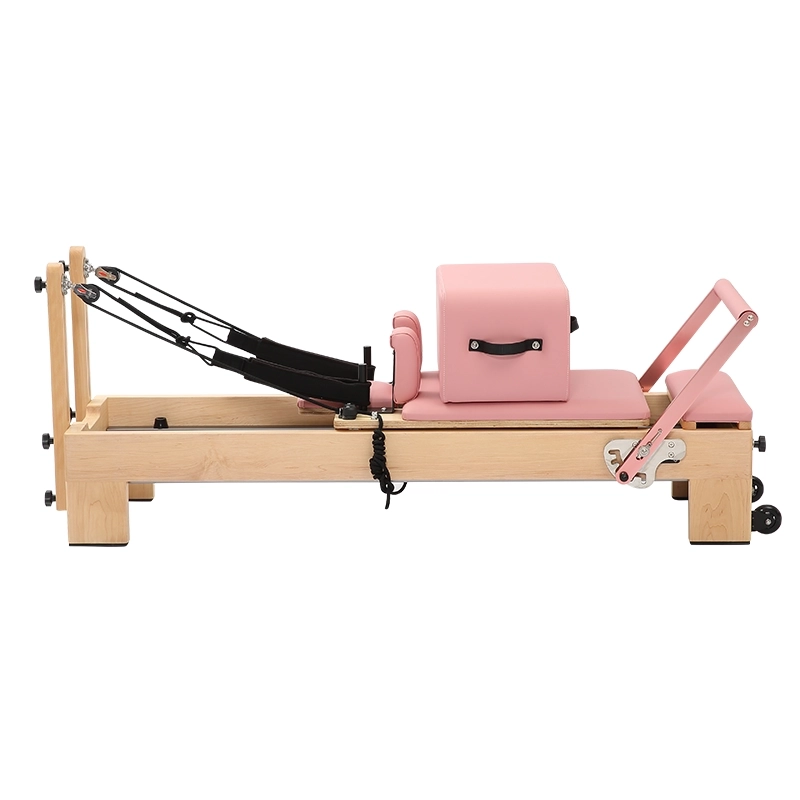
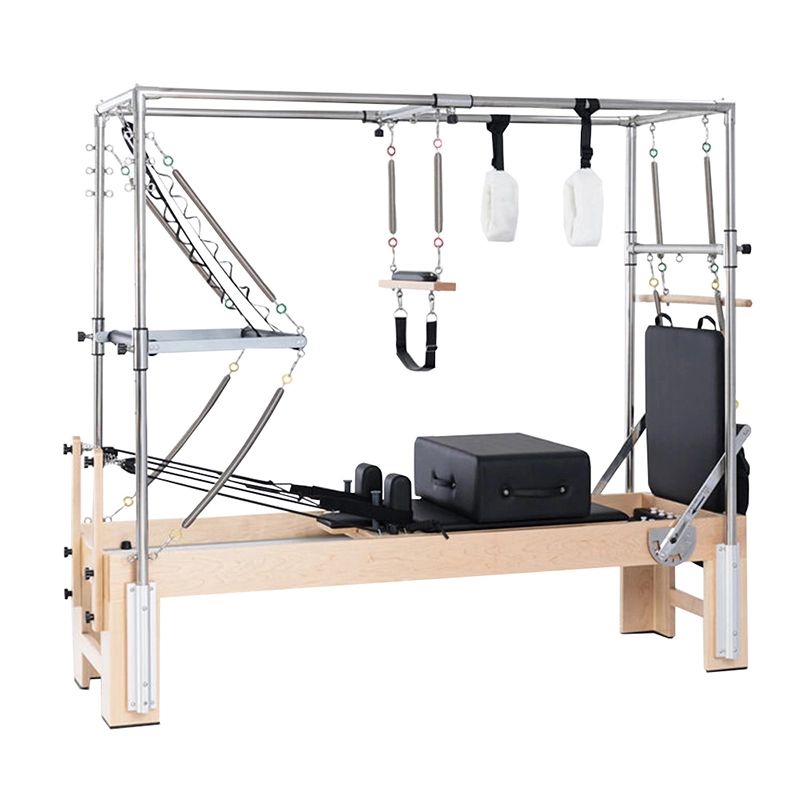
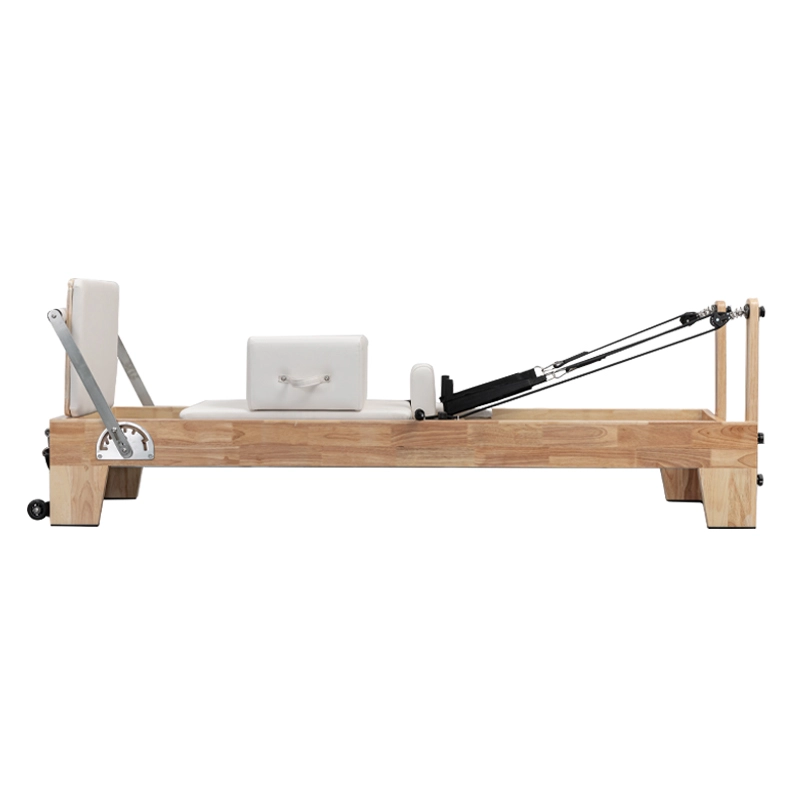
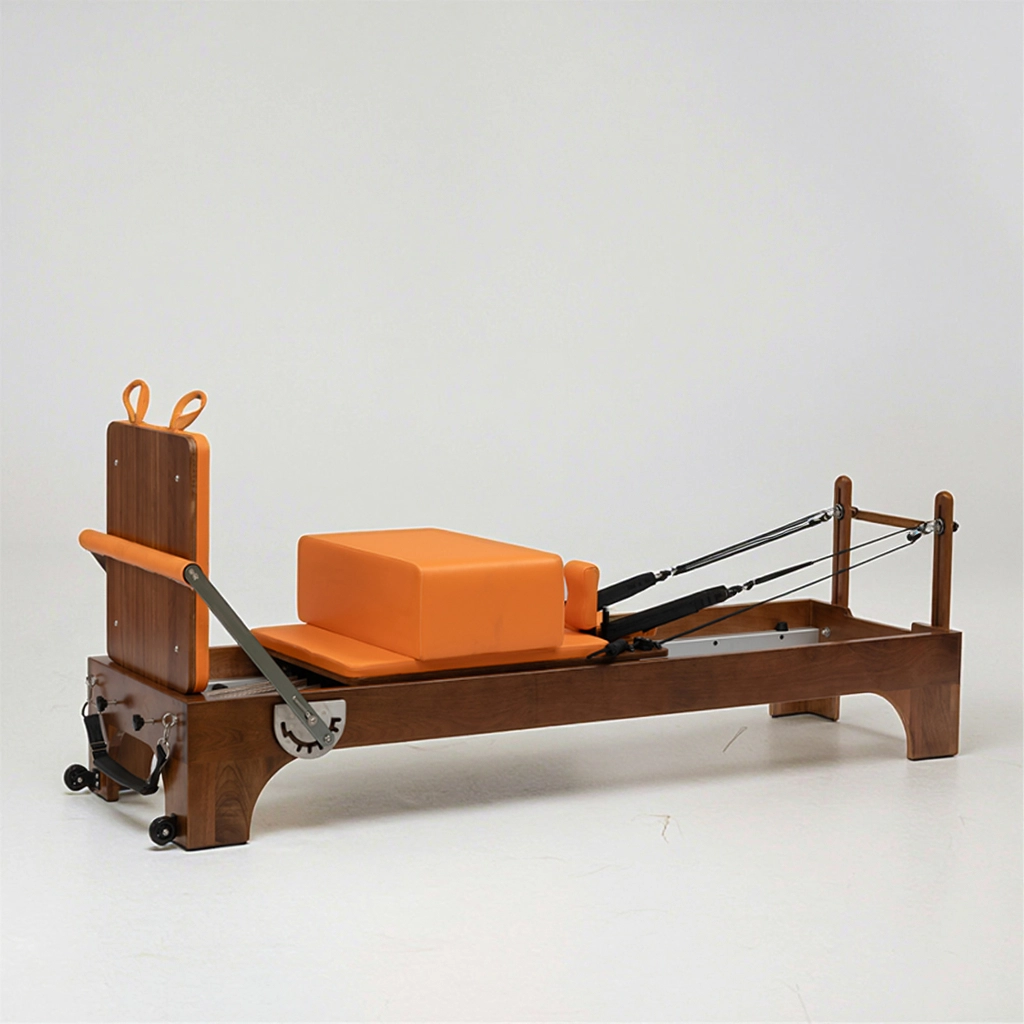
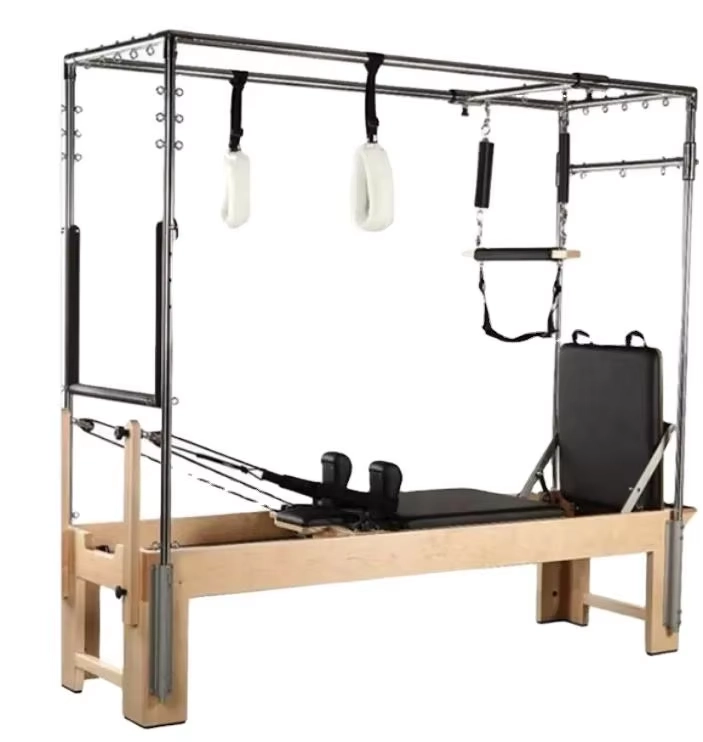
Before diving into the benefits, it is crucial to understand what distinguishes Reformer Pilates from other forms of exercise. The practice is performed on a specialized apparatus called a “Pembaru“—a sophisticated, bed-like frame with a sliding platform (the carriage), a set of springs for resistance, and a system of ropes and pulleys. This machine, patented by Joseph Pilates in 1926 as the “Universal Reformer,” was designed not just to challenge the body, but to fundamentally “reform” it by correcting muscular imbalances and restoring natural, efficient movement patterns.
Its recent surge in popularity can be attributed to its remarkable versatility. The Reformer can provide a gentle, supportive environment for rehabilitation or a high-intensity, athletic challenge, all within the same session. This adaptability, combined with the visible, transformative results touted by devotees on social media and in fitness circles, has propelled it from a niche practice to a global fitness phenomenon. It offers a powerful, low-impact alternative to high-impact workouts, making it a sustainable choice for long-term health.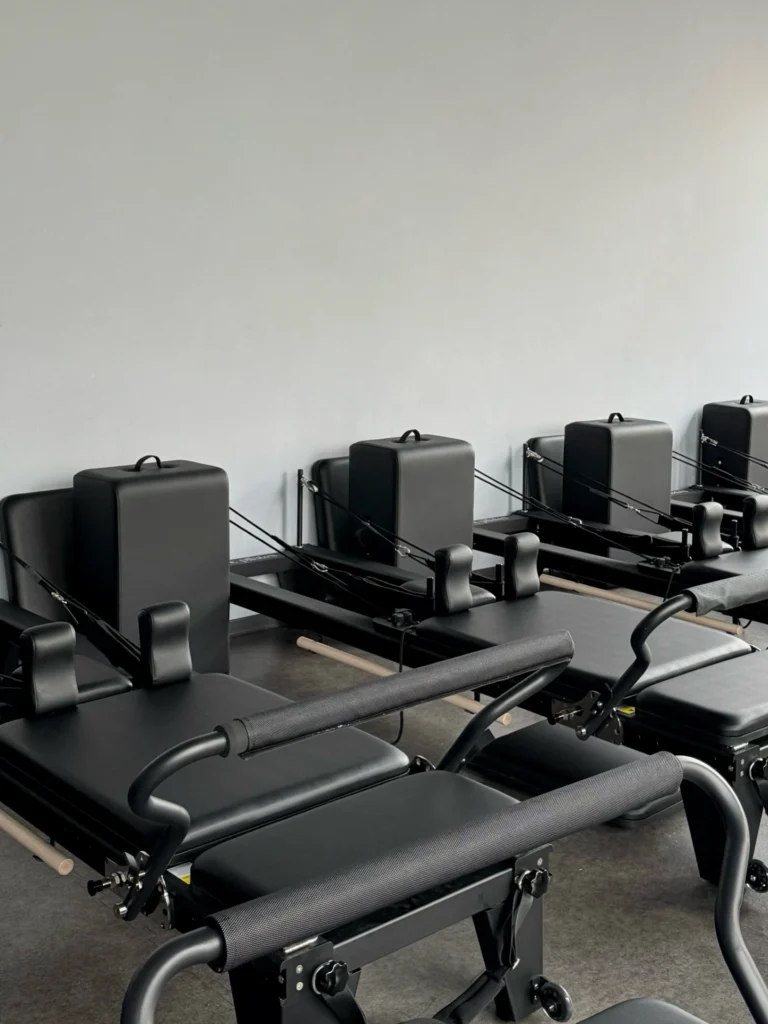
How Does Reformer Pilates Transform Your Physical Strength?
The most immediate and profound changes experienced through Pilates Reformer are physical. The machine’s design systematically targets muscle groups in a way that builds a truly functional and integrated physique.
The Development of Unparalleled Core Strength
The “core” in Pilates is not just the six-pack abs; it is the entire “powerhouse”—a cylinder of muscles that includes the deep abdominals (transverse abdominis), the back muscles (multifidus), the diaphragm, and the pelvic floor. Every single exercise on the Reformer originates from and is stabilized by this core. The instability of the moving carriage forces these deep muscles to fire constantly to maintain balance and control.
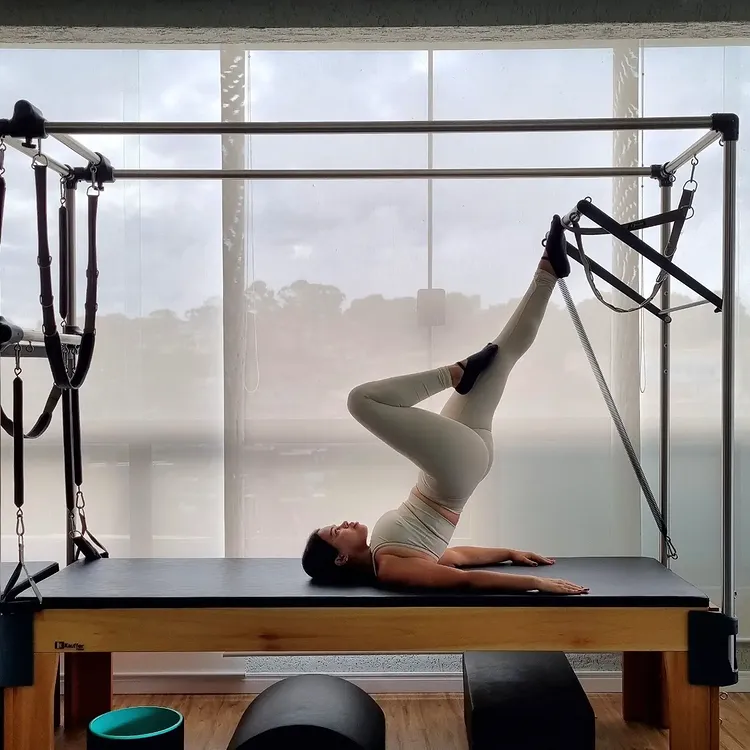
- The Supine Advantage: Many exercises are performed lying on your back. In this position, the core must work against gravity to stabilize the pelvis while the legs and arms move against spring resistance. The straps and carriage provide support that is often lacking in mat exercises, allowing for better technique and deeper muscle engagement without straining the neck or back. This leads to a strong, flat, and supportive midsection.
Building Muscular Endurance and Tone
The spring-based resistance of the Reformer is unique. It provides continuous tension throughout both the push/pull (concentric) phase and the return (eccentric) phase of a movement. This emphasis on controlled, eccentric work is key to building muscular endurance and creating the long, lean, toned look associated with Pilates. While you are unlikely to “bulk up” in the body-building sense (as that requires very heavy loads and specific rep schemes), you will develop significant strength and visible muscle definition. The low-load, high-repetition nature of many exercises fatigues muscles in a way that promotes endurance over sheer size.
Achieving Full-Body Integration
Unlike gym workouts that often isolate specific muscles (e.g., bicep curls, leg extensions), Reformer Pilates is a full-body discipline. An exercise that appears to be targeting the legs will simultaneously require core stabilization, shoulder stability, and coordinated breath. This integrated approach teaches the body to work as a cohesive unit, which is how we move in real life. This leads to more graceful, efficient movement and reduces the risk of injury caused by one muscle group overcompensating for another.
Why Is Reformer Pilates Considered a Superior Method for Postural Correction?
One of the most life-changing benefits of Reformer Pilates is its effect on posture. In a world dominated by sedentary desk work and “tech neck,” our bodies are constantly being pulled into a state of flexion (forward rounding). Reformer Pilates acts as a powerful antidote.
Correcting Imbalances and Promoting Spinal Extension
Many Reformer exercises, such as “Swan” or “Pulling Straps,” actively encourage spinal extension, moving the spine in the opposite direction of its daily slump. By strengthening the often-neglected muscles of the upper back (the rhomboids and lower trapezius), the practice helps to pull the shoulders back and open the chest.
Enhancing Body Awareness (Proprioception)
The machine itself is a feedback tool. The shoulder blocks, footbar, and the straight lines of the frame provide constant tactile cues about your alignment. You can immediately feel if you are twisted, tilted, or out of alignment. A good instructor will use verbal and hands-on cues to heighten this awareness. This improved proprioception—your sense of where your body is in space—is a skill that you carry with you into your daily life, allowing you to self-correct your posture while standing in line, sitting at your desk, or lifting groceries.
The Myth of “Perfect Posture”
It is important to note that good posture is not about holding a single, rigid position. As the saying goes, “Your best posture is your next posture.” True postural health is about the ability to move freely and efficiently through a variety of positions. Reformer Pilates develops this dynamic postural control, giving you the strength and flexibility to move with ease and poise.
How Does the Practice Benefit Flexibility and Joint Mobility?
While often thought of as a strength workout, Reformer Pilates is equally powerful as a tool for increasing flexibility.
Dynamic and Active Stretching
Unlike static stretching, where you hold a position for a long time, the Reformer encourages dynamic stretching—moving a limb through its full range of motion. For example, in a “Feet in Straps” series, your legs are moved through large circles and stretches while the springs provide both resistance and support. This allows you to explore a greater range of motion safely, improving hip and hamstring flexibility without the risk of overstretching or strain.
Lubricating the Joints
Movement is essential for joint health. The gentle, controlled, and often circular movements performed on the Pembaru help to stimulate the production of synovial fluid, the body’s natural lubricant for the joints. This is particularly beneficial for those with arthritis or general stiffness, as it can help to reduce pain and improve joint function in a low-impact environment.
What Are the Mental and Mind-Body Benefits of Reformer Pilates?
The transformative power of Reformer Pilates extends far beyond the physical. It is a mindful practice that requires a deep connection between brain and body.
Cultivating the Mind-Muscle Connection
One of Joseph Pilates’ core principles was Concentration. You cannot perform Reformer exercises effectively while your mind is wandering. The precise movements and coordinated breathing demand your full attention. This intense focus cultivates a powerful mind-muscle connection. You learn to feel exactly which muscles are working and how to make subtle adjustments to improve the effectiveness of every repetition. This skill makes all other physical activities you do more efficient and effective.
Stress Reduction and Improved Well-being
The rhythmic breathing and flowing movements of a Reformer class have a calming effect on the nervous system. This can help to lower levels of cortisol, the body’s primary stress hormone, which is linked to a host of health issues, including weight gain and poor sleep. Many practitioners leave a session feeling not just physically worked, but mentally refreshed, energized, and centered. This improved sense of vitality and self-esteem is one of the most cherished benefits of the practice.
How Does Reformer Pilates Aid in Injury Prevention and Rehabilitation?
The Reformer’s versatility makes it an exceptional tool for both preventing injuries and recovering from them.
Building an “Injury-Proof” Body
Most non-contact injuries occur due to muscular imbalances, poor biomechanics, or a weak core. Reformer Pilates addresses all three. By ensuring that movement is initiated from a strong core and that all muscle groups are working in harmony, it creates more efficient movement patterns. This reduces unnecessary strain on joints and ligaments, making you less susceptible to injuries in your daily life or other athletic pursuits.
A Safe Haven for Rehabilitation
The Reformer is a cornerstone of many physiotherapy clinics. Its ability to provide a supportive, non-weight-bearing environment is invaluable for rehabilitation. For example, someone recovering from knee surgery who cannot bear their full weight can lie on the carriage and perform leg exercises against light spring resistance, maintaining muscle tone and joint range of motion without compromising the healing process. An experienced instructor or physiotherapist can tailor a program to gently rehabilitate almost any injury.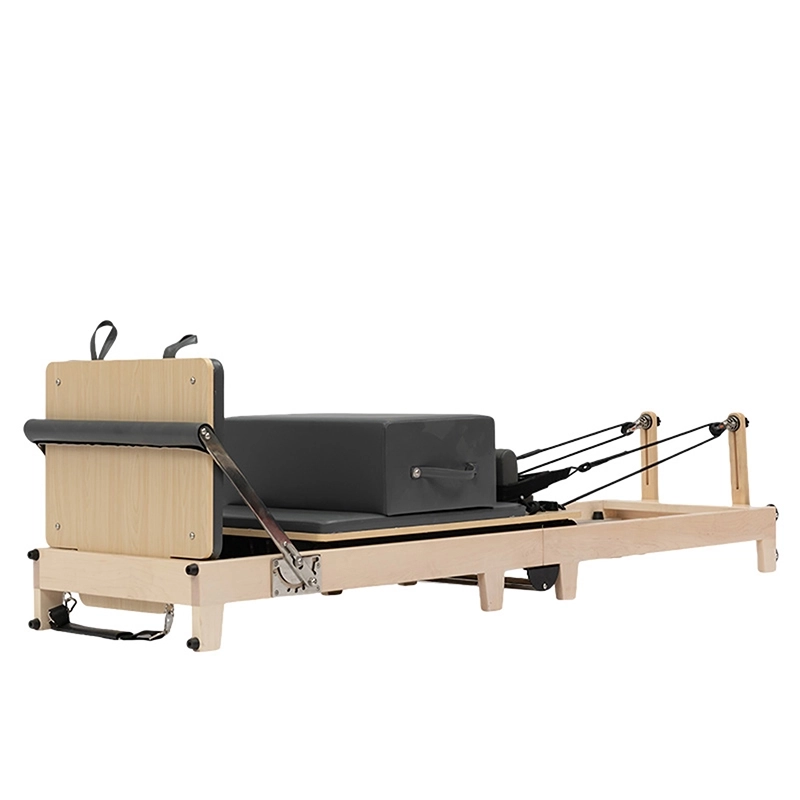
The Timeline of Transformation – What to Expect and When
Change does not happen overnight, but it does happen. Here is a realistic timeline of the benefits you can expect from a consistent Reformer Pilates practice (2-3 times per week).
| Timeframe | Typical Changes and Sensations |
|---|---|
| After 1-3 Sessions | You will likely feel muscles you never knew you had. You may feel a sense of “length” in your spine and an immediate improvement in body awareness. |
| Weeks 2-6 | The mind-muscle connection strengthens. Movements become more fluid. You will notice improvements in core engagement and may feel stronger in your daily activities. |
| Weeks 8-12 | Visible changes begin to appear. You may notice increased muscle definition, particularly in the core, arms, and legs. Your posture will have noticeably improved, and friends or family may comment that you “stand taller.” |
| 3-6 Months | Significant increases in overall strength, flexibility, and endurance. Many long-standing aches and pains (like lower back pain) may be greatly reduced or eliminated. Your body moves with more grace and efficiency. |
| 1 Year and Beyond | You have built a resilient, intelligent body. Your core is deeply strong, your posture is second nature, and you have a profound understanding of your own movement patterns. This is the foundation for lifelong, pain-free movement. |
Who Benefits Most? A Breakdown by Lifestyle and Life Stage
While everyone can benefit, certain groups find Pilates Reformer to be particularly transformative.
- Office Workers: The focus on spinal mobility and strengthening the upper back directly combats the “desk slump,” relieving neck and back pain.
- New Mothers: It provides a safe and effective way to rebuild core and pelvic floor strength post-pregnancy, addressing issues like diastasis recti in a supportive environment.
- Older Adults: The low-impact nature of the exercise protects aging joints while the resistance training helps to combat age-related muscle loss (sarcopenia) and improve balance, a key factor in fall prevention.
- Athletes and Dancers: It serves as the perfect cross-training method, building the deep core stability and flexibility that underpins peak performance and prevents career-ending injuries.
- Those Recovering from Injury: It allows for targeted, non-weight-bearing exercise, making it an ideal bridge from acute injury back to full function.
Pertanyaan yang Sering Diajukan (FAQ)
1. Will Reformer Pilates help me lose weight?
While Reformer Pilates does burn calories, its primary contribution to weight loss is through building lean muscle mass, which boosts your resting metabolism. It is not a high-intensity cardio workout, so it is unlikely to lead to significant weight loss on its own without dietary changes. However, when used as part of a well-rounded program that includes a healthy diet and some cardiovascular exercise, it is an extremely effective tool for body recomposition (losing fat and gaining muscle tone).
2. Is Reformer Pilates the only exercise I need to do?
Reformer Pilates provides incredible benefits for strength, flexibility, and core stability. However, for optimal health, global guidelines (like those from the American College of Sports Medicine) recommend including regular aerobic (cardiovascular) exercise. Therefore, for a complete fitness regimen, it is ideal to supplement your Reformer practice with activities like brisk walking, cycling, swimming, or running to ensure you are also conditioning your heart and lungs.
3. How is Reformer Pilates different from a regular gym workout?
The focus and feel are completely different. Gym workouts often involve isolating muscles with heavy weights for a set number of reps. Reformer Pilates focuses on full-body, integrated movements with an emphasis on control, precision, and flow. While you will feel your muscles working intensely, the experience is less about “grinding out reps” and more about mastering the quality of the movement. It is often described as a more mindful and less jarring way to build strength.
Closing Thoughts: A Practice for Lifelong Vitality
The benefits of Reformer Pilates are not just about aesthetics or short-term fitness goals. The practice is about building a body that is intelligent, resilient, and capable of moving through life with strength and ease. It is an investment in your long-term health, offering a sustainable way to stay strong, flexible, and pain-free at any age. Whether your goal is to change how your body looks, how it feels, or how it performs, the Reformer provides a pathway to achieving it. The true transformation lies not just in a leaner physique, but in the profound sense of control and well-being that comes from mastering your own movement.
 English (United States)
  English (Canada)
  English (Australia)
  English (New Zealand)
  English (UK)
  Arabic
  Bulgarian
  Czech
Czech  Danish
  Greek
Greek  Spanish
  Ukrainian
  Turkish
  Thai
Thai  Swedish
  Serbian
  Slovenian
  Slovak
  Russian
  Romanian
  Portuguese (Portugal)
  Portuguese (Brazil)
  Dutch
Dutch  Estonian
  Finnish
  French
  Hindi
Hindi  Croatian
  Indonesian
  Icelandic
  Italian
  Japanese
  Georgian
  German
  Lithuanian
  Polish
  Korean
  Uzbek
Uzbek  Hungarian
  Malay
Malay