
To successfully create a Pilates studio at home, you primarily need a high-quality Pilates reformer that fits your space and budget, complemented by essential accessories like a sitting box and jump board to maximize exercise variety. While you can start with just a mat, a true studio experience centers around the Reformer, requiring a dedicated space—approximately 2.5 meters by 1.5 meters—that allows for safe movement, along with a commitment to learning proper form through digital classes or virtual instruction.
Building a sanctuary for health and wellness within your own four walls is an aspirational goal for many. It transforms exercise from a chore that involves commuting into a seamless part of your daily lifestyle. However, the transition from attending commercial studios to managing your own equipment requires careful planning. It is not merely about purchasing a machine; it is about curating an environment that fosters consistency, safety, and progression.
The home studio is an investment in longevity. It removes the barriers of class schedules, waitlists, and travel time, leaving you with no excuses—only opportunities. Whether you are a novice looking to heal back pain or an advanced practitioner aiming to master acrobatic repertoire, the components you choose will dictate your success. From the mechanics of the carriage to the ambiance of the room, every detail matters. This guide delves deep into the anatomy of the perfect home Pilates setup, ensuring your investment pays dividends in physical and mental well-being for years to come.
1. What Are the Essential Features of a Beginner-Friendly Home Reformer?
When embarking on the journey of curating a home studio, the Reformer is undoubtedly the centerpiece. For beginners, the market can seem saturated with options ranging from flimsy, low-cost models to intimidating industrial machines. The “right” machine for a home studio, particularly for those newer to the practice, must bridge the gap between usability and professional functionality.
The Crucial Role of Adjustable Resistance
At the heart of any effective Reformer is the resistance system. A beginner-friendly machine must feature a sophisticated, adjustable resistance mechanism, typically in the form of springs. Unlike weight stacks in a gym, springs provide “progressive resistance,” meaning the tension increases as the spring stretches. For a home setup, look for a machine that offers multiple spring options—usually a combination of heavy, medium, and light tensions. This is vital because different muscle groups require different loads; your legs might need heavy tension to build strength, while your rotator cuffs require light tension to ensure stability without injury. A user-friendly attachment system is also non-negotiable; you should be able to change springs quickly and safely without pinching your fingers, keeping your heart rate up and the flow of the workout uninterrupted.
The Mechanics of the Carriage
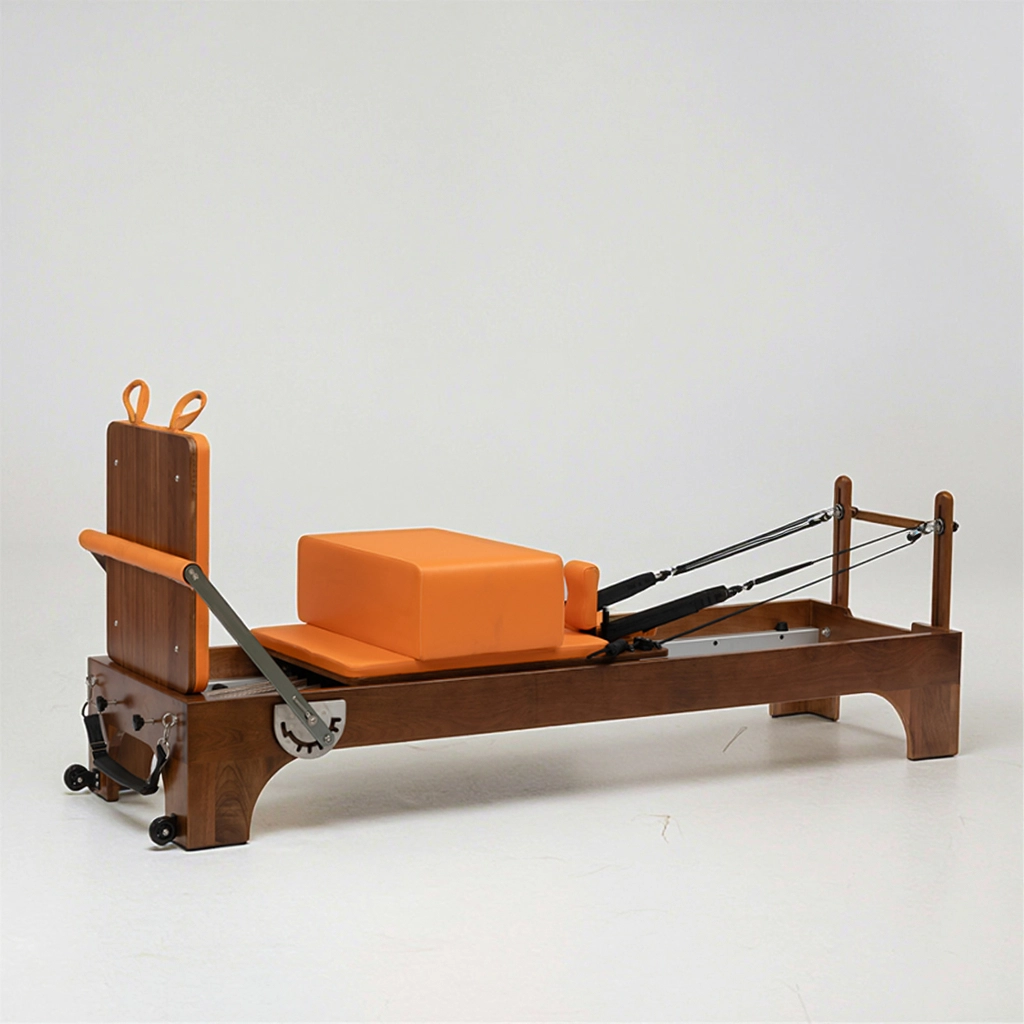
The carriage is the moving platform upon which you will lie, sit, kneel, and stand. In a home studio context, the “glide” is everything. You need a carriage mechanism that rolls on high-quality wheels with sealed bearings. A jerky or sticky carriage not only ruins the experience but can also cause muscular imbalances as you subconsciously fight the friction of the machine rather than the resistance of the springs. Silence is also a factor; a home machine should be whisper-quiet to ensure your practice doesn’t disturb other household members.
Safety and Construction Priorities
For the beginner, safety is paramount. A stable frame that does not wobble during vigorous movement is essential. Whether the frame is made of wood, steel, or aluminum, it must have a low center of gravity and non-slip rubber feet to grip your flooring. Additionally, look for “stoppers” that prevent the carriage from crashing into the end of the frame, and a wide, padded footbar that provides a secure contact point for your feet and hands.
Comfort Elements
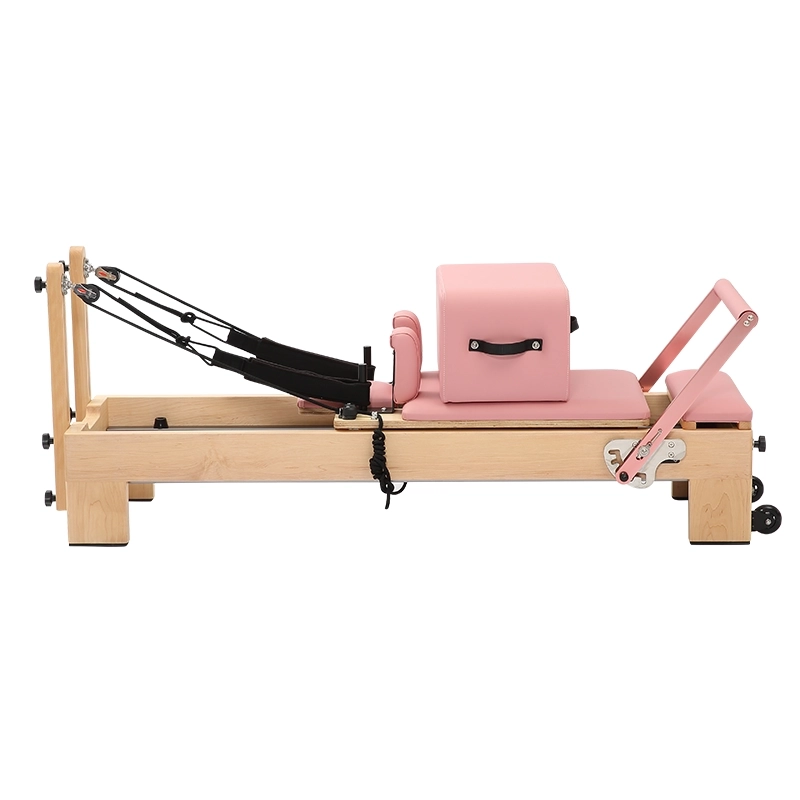
Since you will be spending hours on this machine, ergonomics cannot be overlooked. A high-quality home Reformer should feature dense, non-slip padding on the carriage to support the spine and pelvis. Adjustable headrests are critical for neck support, and removable shoulder blocks allow you to customize the fit for your height and shoulder width. Brands that specialize in the Australian market, such as Pilates Direct, often curate their entry-level models with these specific ergonomic needs in mind, ensuring that the transition from a commercial studio to a home environment feels seamless.
2. Why Should You Choose a Reformer Over a Full Studio Setup?
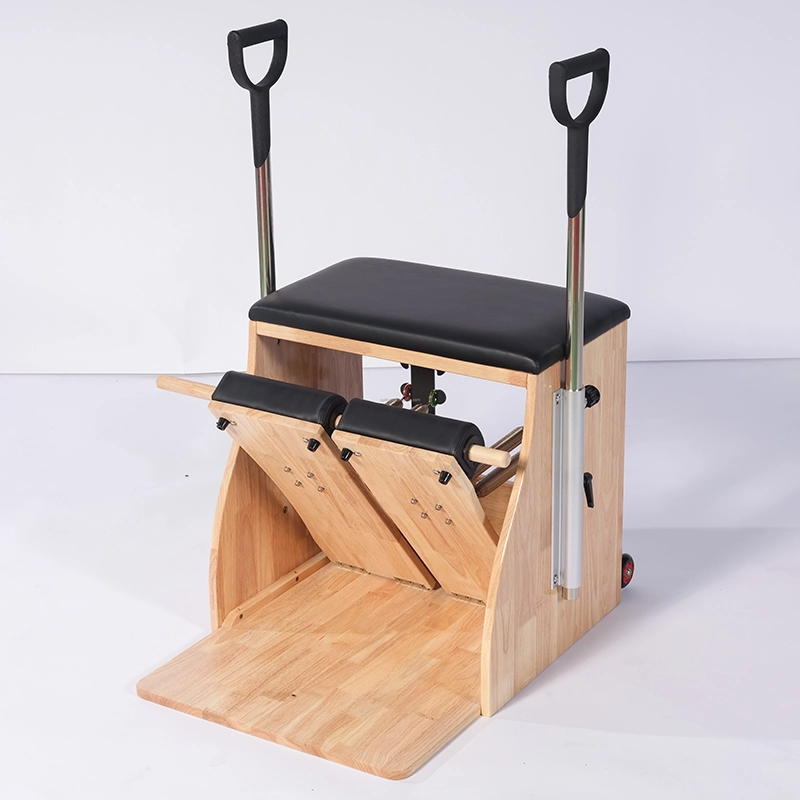
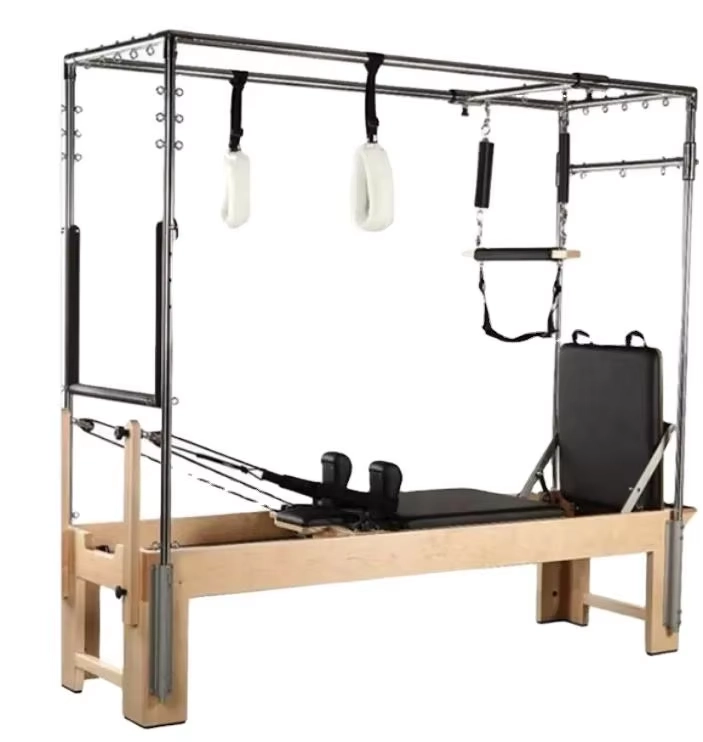
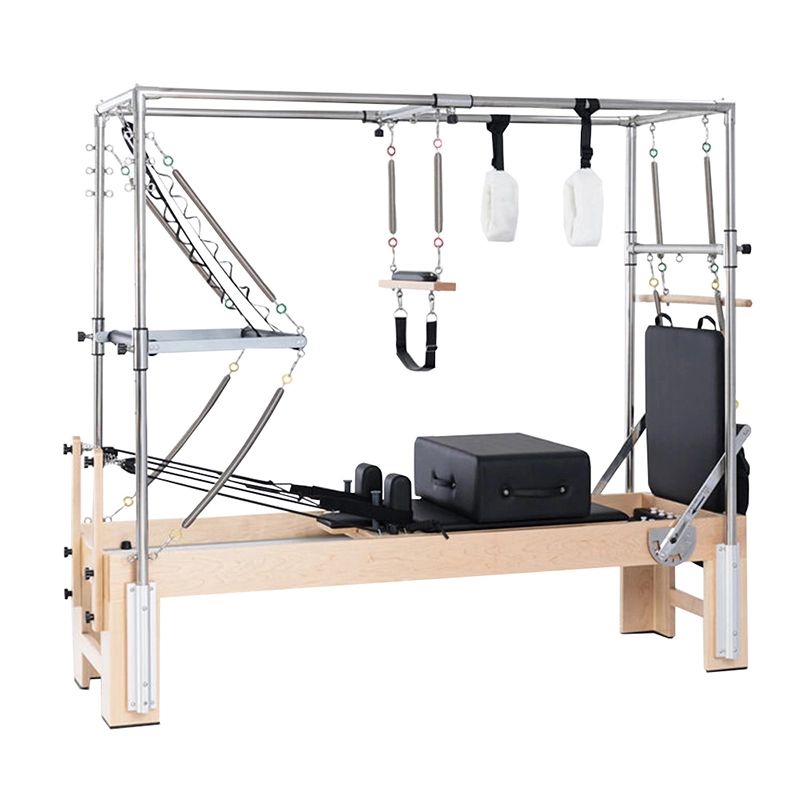
One of the most common dilemmas for home Pilates enthusiasts is deciding how much equipment is actually necessary. Is a single Reformer enough, or do you need the Cadillac, the Wunda Chair, and the Ladder Barrel to get a “real” workout?
The Versatility of the Single Reformer
For 95% of home practitioners, a single high-quality Reformer is the superior choice. The Reformer is the “Swiss Army Knife” of the Pilates method. It facilitates hundreds of distinct exercises that target every plane of movement—flexion, extension, lateral flexion, and rotation. On a single Reformer, you can perform deep core activation, heavy leg conditioning, upper body strengthening, and flexibility work. The machine’s design allows it to act as both a support system for rehabilitation and a challenging apparatus for athletic conditioning.
Space and Cost Efficiency
A full studio setup requires a significant amount of square footage—often an entire dedicated room or garage—and can cost upwards of $10,000 to $20,000. In contrast, a Reformer-focused home studio is highly space-efficient. Modern home Reformers are designed to fit into standard bedrooms or living areas without dominating the environment. By focusing your budget on one superior piece of equipment rather than scattering it across several cheaper pieces, you ensure a better workout experience.
Accessories that Bridge the Gap
You can mimic many exercises from other apparatuses by adding simple accessories to your Reformer.
- Az ülődoboz: This adds height and allows for prone (lying on stomach) exercises and seated abdominal work that creates different leverage challenges.
- Az ugródeszka: This attachment converts the Reformer into a horizontal cardio machine, allowing for plyometric training that is low-impact on the joints.
- The Magic Circle and Bands: These small props can add resistance and variety similar to what might be achieved on a Wunda Chair.
While professional studios in Australia utilize the full spectrum of equipment to cater to hundreds of different bodies and pathologies, a home studio is tailored specifically to you. Unless you are a professional instructor training clients at home, the Reformer covers the vast majority of functional needs. For those who do crave variation, second-hand markets or rental options through reputable suppliers like Pilates Direct can be a way to test other equipment later, but the Reformer remains the foundational bedrock of the home studio.
3. How Do I Determine if the Investment is Worth It?
Sticker shock is real. High-quality home Reformers generally range from $300 for basic entry-level models to $5,500 for professional-grade masterpieces. However, determining value requires looking beyond the initial price tag and analyzing the “Return on Health” and long-term savings.
The Cost-Benefit Analysis
Consider the cost of a boutique Pilates studio membership. In many Australian cities, a single Reformer class costs between $25 and $40. If you attend three classes a week, you are spending roughly $300 to $480 per month, or $3,600 to $5,700 per year. In this light, a high-quality home Reformer pays for itself in just 12 to 18 months. After that break-even point, your workouts are effectively free.
The Value of Accessibility and Consistency
The true value of a home studio lies in the removal of friction. How many times have you skipped a workout because you couldn’t book a class at a convenient time, or you were too tired to drive to the studio? Having a Reformer in your home eliminates these barriers. You can workout for 20 minutes before work or 45 minutes after the kids go to sleep. This accessibility leads to consistency, and consistency is the only way to achieve physical results.
Privacy and Personal Progress
For many, the group class environment can be intimidating or distracting. A home studio offers total privacy. You can wear whatever you want, grunt, sweat, and fail at difficult exercises without fear of judgment. This psychological safety often allows people to push themselves harder and experiment with advanced movements they might avoid in a public setting.
Resale Value
Quality Pilates equipment holds its value remarkably well. Brands like Merrithew, Align-Pilates, or high-end models from Pilates Direct can often be resold for 50-70% of their original purchase price if maintained well. This makes the purchase less of a “spending” event and more of an asset acquisition. When you factor in the physical benefits—reduced back pain, improved posture, increased muscle tone, and better mental health—the investment proposition becomes overwhelmingly positive.
4. Which Features Define a High-Quality Machine in the Australian Market?
When shopping for a home Reformer in Australia, it is crucial to understand the technical specifications that differentiate a “toy” from a fitness tool. The Australian market has specific safety standards, and the climate can even affect materials, so knowing what to look for is key.
Frame Construction and Durability
The longevity of your machine depends on the frame.
- Aircraft-Grade Aluminum: This is the gold standard for modern home Reformers. It is lightweight, resistant to rust (important in humid coastal areas), and incredibly strong. It offers a sleek, modern aesthetic.
- Steel: Heavier and very sturdy, often used in studio settings. It is excellent for stability but harder to move.
- Wood: Aesthetically pleasing and offers natural vibration absorption. Ensure it is a hard-wearing timber like maple or beech to prevent warping.
Look for reinforced welding points and a weight capacity of at least 120kg to 150kg. This ensures the machine can handle dynamic forces (like jumping) without compromising structural integrity.
The Suspension System
A smooth ride is non-negotiable. Look for a carriage system that utilizes an 8-wheel system (4 vertical wheels to support weight and 4 horizontal wheels to guide the carriage). Sealed bearings are essential as they prevent dust and hair from clogging the mechanism—a common issue in home environments.
Adjustability for Biomechanics
A “one-size-fits-all” machine rarely fits anyone perfectly. A quality home Reformer must offer:
- Adjustable Footbar: It should lock into at least 3 or 4 different angles to accommodate different exercises and body heights.
- Rope Adjustment: You should be able to change the length of the ropes quickly. Modern systems use nautical cleats or auto-lock systems rather than tedious buckles.
- Spring Gear System: The ability to move the gear bar (the anchor point for the springs) allows you to adjust the machine for longer or shorter legs, ensuring you can achieve full extension without hitting the stoppers.
Documentation and Certification
In Australia, reputable equipment should meet safety standards. Look for suppliers who provide clear documentation regarding weight limits and usage guidelines. A machine that comes with a warranty (ideally 2 years or more on the frame) signals that the manufacturer stands behind the build quality.
5. Where Does Home Equipment Differ from Professional Studio Gear?
While the gap is narrowing, there are distinct differences between equipment designed for commercial spaces and those optimized for the home. Understanding these differences helps manage expectations.
Size and Footprint
Studio Reformers are often longer and wider to accommodate the widest possible range of client body types, from NBA players to petite dancers. They are built to be stationary. Home Reformers are typically engineered with a slightly smaller footprint to fit into bedrooms or spare rooms. They might be a few centimeters narrower or shorter, which usually doesn’t affect the workout for the average person but saves crucial floor space.
Weight and Portability
A studio machine might weigh 80kg to 100kg. It is a permanent fixture. Home machines are designed to be moved. They use lighter materials (without sacrificing too much strength) and often feature transport wheels on one end, allowing you to lift and roll the machine like a wheelbarrow.
Height Profile
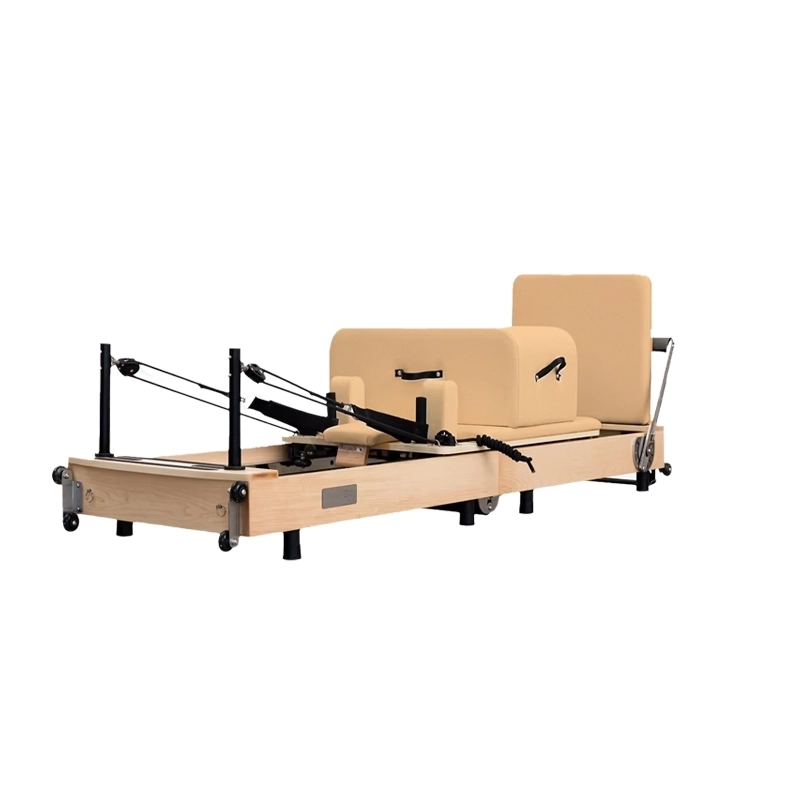
Studio Reformers usually sit 35cm to 40cm off the ground (Standard Height) or even higher (Rehab Height) to make it easy for clients to sit down. Many home Reformers are “Low Profile,” sitting closer to the floor. This makes them less visually intrusive in a room and often more stable, but it does mean you have to be able to get down to floor level to use them.
Complexity of Features
Studio machines often have “bells and whistles” designed for quick transitions in a fast-paced class environment, such as rapid-adjust footbars or intricate rope systems. Home machines might use slightly simpler mechanisms that take a few seconds longer to adjust but are less prone to breaking and easier to maintain for a solo user.
Despite these differences, top-tier home equipment from suppliers like Motion Pilates or Pilates Direct utilizes the same fundamental mechanics—spring tension and carriage glide—ensuring that the quality of the movement remains comparable to the studio experience.
6. When Space is Limited, How Can I Fit a Studio in an Apartment?
Living in a smaller apartment or a house without a dedicated gym room does not preclude you from owning a Pilates studio. The industry has responded to urban living with innovative space-saving designs.
The Foldable Revolution
Foldable Reformers are the game-changer for small spaces. These machines feature a hinge in the middle of the rails, allowing the Reformer to be folded in half when not in use.
- Pros: When folded, they can fit into a cupboard or under a high bed. They are perfect for multi-purpose rooms (e.g., a home office that doubles as a gym).
- Cons: You must ensure the hinge mechanism is robust. Some lower-quality foldable models can have a “bump” in the track where the rails join, creating a slight disruption in the glide. However, premium models from brands like Align-Pilates or the AeroPilates series have engineered seamless connections.
Vertical Storage Solutions
If you don’t want a foldable machine, look for a Reformer with a vertical stand. These machines are designed to be lifted at the foot end and stood upright on a stable end-stand.
- The Benefit: A machine that takes up 2.5 meters of floor space when in use occupies only roughly 60cm x 60cm when stored vertically. This allows you to reclaim your floor space instantly.
- The Catch: You need ceilings high enough to accommodate the length of the Reformer (usually around 2.4 meters), and you must be physically capable of lifting the weight of the machine (usually around 30-40kg) to the vertical position.
Stackable Designs
For those who might buy two machines (perhaps for a couple), some Reformers are designed to stack on top of one another. This is seen in the Balanced Body IQ Reformer, which telescopes down to a tiny size.
Optimizing the Layout
To make a small space work, you need to be smart about accessories. Wall-mounted racks for resistance bands and circles keep the floor clear. Using a “Sitting Box” that doubles as storage for small props is a clever hack. The goal is to minimize visual clutter so the room remains a peaceful living space when the workout is finished.
7. Who Are the Trusted Retailers and What Should I Look for When Buying?
The final piece of the puzzle is sourcing. In the digital age, you can buy almost anything online, but buying a complex piece of biomechanical equipment requires due diligence.
Verified Retailers vs. Generic Marketplaces
Avoid buying unbranded Reformers from generic auction sites or dropshippers. These machines often lack safety certifications, spare parts are impossible to find, and warranties are non-existent. In Australia, trusted retailers like Pilates Direct, Pilates World, and direct manufacturers provide a layer of security. They offer local support, meaning if a spring snaps or a wheel cracks, you can get a replacement part quickly.
The Importance of Reviews and Community
Look for retailers with verified customer reviews. Read about the assembly process—is it a nightmare or straightforward? Look for feedback on the smoothness of the carriage after 6 months of use, not just on day one. Engaging with Pilates forums or social media groups can provide honest, unfiltered opinions on specific models.
After-Sales Support and Assembly
A Reformer is a heavy item. Check if the retailer offers delivery and assembly services. If you live in an apartment building without an elevator, “curbside delivery” might be a disaster. Professional assembly ensures the machine is calibrated correctly and safe to use.
Virtual Consultations
Many top-tier retailers now offer virtual consultations. You can video call a showroom, show them your space, and have an expert recommend the specific model that fits your room dimensions and fitness goals. This personalized service minimizes the risk of buying a machine that is too big or ill-suited for your needs.
Feature 1: The Importance of Flooring and Ambiance
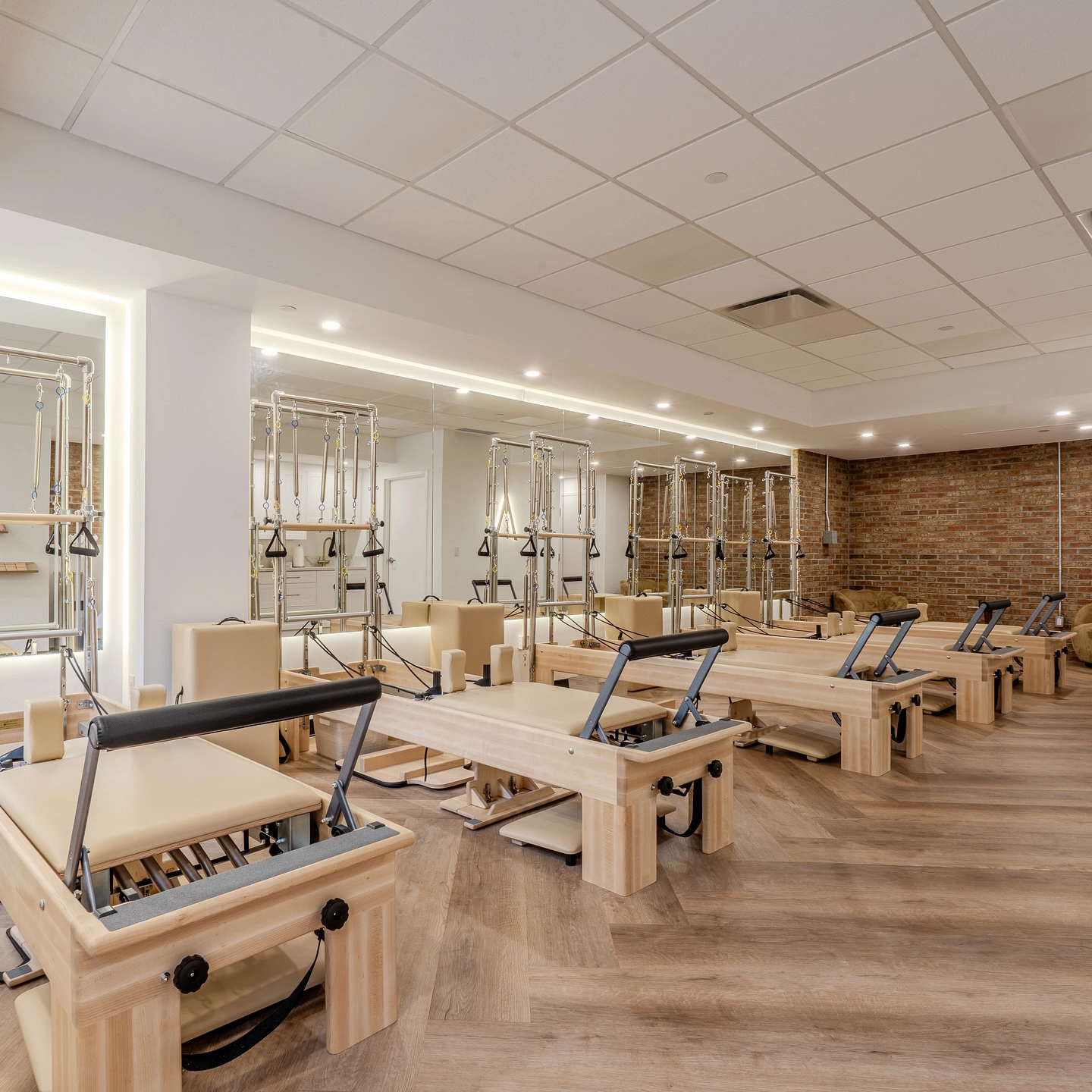
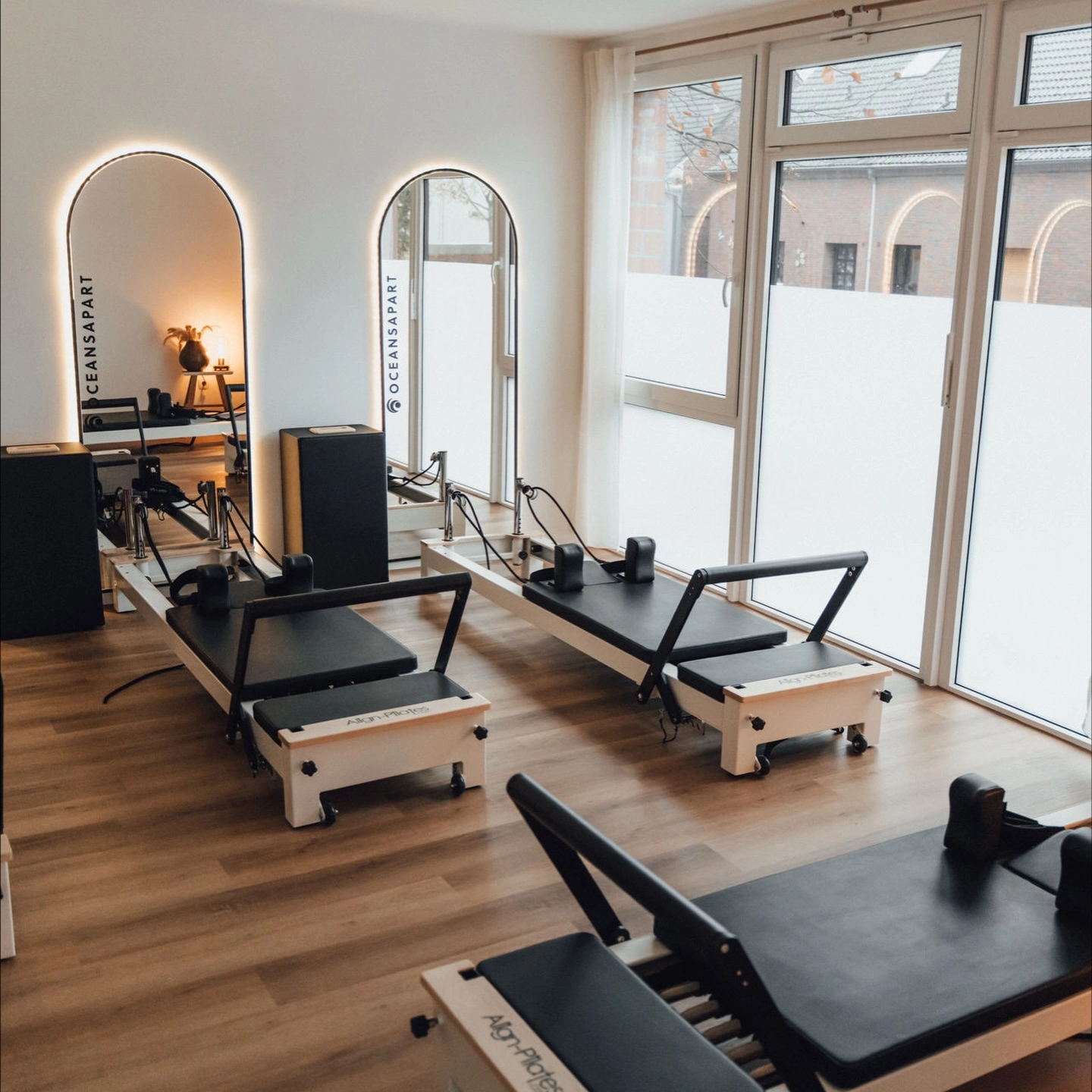
Creating a home studio is about more than just the metal and springs; it is about the atmosphere. To truly replicate the studio experience and ensure you want to spend time in the space, you must address the environment.
Flooring Fundamentals
Reformer Pilates involves pressure points. While the machine has feet, placing it directly on a slippery tile or polished wood floor can cause it to slide during rigorous jumping or pulling exercises. This is dangerous and distracting.
- The Solution: Invest in a high-density equipment mat. This serves multiple purposes: it anchors the machine, protects your floor from scratches, absorbs sound (keeping your practice quiet), and prevents dust and carpet fibers from migrating up into the greased wheels and rails of the carriage.
Mirrors for Form Correction
In a studio, an instructor corrects your form. At home, you are your own instructor. A large mirror placed on the wall parallel to the Reformer is invaluable. It allows you to check your spinal alignment, ensure your pelvis is neutral, and verify that your knees are tracking correctly over your toes. Visual feedback is a powerful tool for preventing injury and ensuring you are targeting the correct muscles.
Lighting and Mood
Pilates is a mind-body discipline. Harsh fluorescent lighting can prevent the relaxation response required for deep core connection. Consider installing dimmer switches or using soft floor lamps. Adding plants to the room can improve air quality and create a calming, natural aesthetic that mimics high-end boutique studios. A decent Bluetooth speaker for playing flow playlists can also be the difference between a boring workout and an immersive experience.
Feature 2: Integrating Digital Programming
Having the best equipment in the world is useless if you don’t know how to use it. The rise of “Connected Pilates” is the final essential component of the home studio.
On-Demand Platforms
Gone are the days of following a DVD. Subscription platforms like Pilates Anytime, Merrithew Connect, or specific app-based programs offer thousands of classes filterable by level, duration, and equipment. You can choose a “20-minute Glute Burn” or a “60-minute Full Body Flow.” This variety prevents boredom and ensures progressive overload.
Live Virtual Classes
For those who miss the community aspect, many studios now stream live classes. This allows you to workout in real-time with a remote instructor who can sometimes offer verbal cues if your camera is set up correctly.
Tablet and Screen Holders
To facilitate this, consider how you will view the content. Some modern Reformers come with built-in tablet holders. If yours doesn’t, a simple gooseneck stand or a wall-mounted TV at eye level (when standing or sitting) helps maintain neck alignment so you aren’t craning your head to see the screen while trying to perform a complex maneuver.
Gyakran ismételt kérdések
1. How much maintenance does a home Reformer require?
Home Reformers are generally low maintenance, but they are not “no maintenance.” To keep the machine safe and smooth:
- Weekly: Wipe down the rails with a gentle cleaner and a microfiber cloth to remove dust, hair, and sweat. Clean the upholstery with a non-abrasive, alcohol-free cleaner to prevent cracking.
- Monthly: Check the springs for signs of wear or gaps in the coils. Inspect the ropes for fraying.
- Annually: It is recommended to replace springs every 2 years (or sooner if used heavily) as they lose tension over time. Tighten all bolts and screws to ensure the frame remains rigid.
2. Can I use a home Reformer to lose weight?
Yes, a home Reformer can be a powerful tool for weight loss, but it works differently than a treadmill. Pilates builds lean muscle mass. Muscle tissue is metabolically active, meaning it burns more calories at rest than fat tissue does. By increasing your muscle mass through Reformer resistance training, you boost your resting metabolic rate. Additionally, using a Jump Board attachment allows for high-intensity interval training (HIIT) on the Reformer, which burns significant calories during the session. Combined with a healthy diet, it is highly effective for body composition change.
3. Is it safe to use a home Reformer during pregnancy?
Generally, Pilates is considered one of the safest forms of exercise during pregnancy, but modifications are essential.
- First Trimester: You can usually continue with your normal routine, listening to your body.
- Second and Third Trimester: You must avoid lying flat on your back (supine) for extended periods to prevent compression of the Vena Cava. This is where a “Pregnancy Wedge” or using the “Sitting Box” on an incline becomes a necessary home studio addition.
- Caution: Always consult your doctor before starting any exercise routine while pregnant. It is highly advisable to follow specific pre-natal digital classes or consult with a specialized instructor to learn the necessary modifications for your home practice.
Conclusion
Creating a Pilates studio at home is a journey of empowerment. It shifts the locus of control for your health from external facilities to your own private sanctuary. By selecting a Reformer that balances quality, safety, and functionality, and surrounding it with the right environment and educational resources, you create a space that invites you to become the strongest, most balanced version of yourself. Whether you opt for a compact foldable model for a city apartment or a professional-grade setup for a dedicated gym, the key is to start. With the right equipment, the transformative power of Pilates is quite literally within your reach, any time of day, every day of the year.
 English (United States)
  English (Canada)
  English (Australia)
  English (New Zealand)
  English (UK)
  Arabic
  Bulgarian
  Czech
Czech  Danish
  Greek
Greek  Spanish
  Ukrainian
  Turkish
  Thai
Thai  Swedish
  Serbian
  Slovenian
  Slovak
  Russian
  Romanian
  Portuguese (Portugal)
  Portuguese (Brazil)
  Norwegian
  Dutch
Dutch  Estonian
  Finnish
  French
  Hindi
Hindi  Croatian
  Indonesian
  Icelandic
  Italian
  Japanese
  Georgian
  German
  Lithuanian
  Polish
  Korean
  Uzbek
Uzbek  Hungarian
  Malay
Malay