
To provide a direct and immediate answer: A standard 50-minute Reformer Pilates session typically burns between 200 and 400 calories. However, this number is a generalization. The specific expenditure depends heavily on individual variables such as your current body weight, basal metabolic rate, the level of spring resistance used, and the intensity of the class. While this caloric output may seem modest compared to an hour of high-intensity interval training (HIIT) or vigorous running, the true value of Reformer Pilates lies not in the immediate burn, but in its ability to alter body composition and metabolic function over the long term.
Let’s be honest: you are likely reading this because you have heard rumors that Reformer Pilates is the celebrity secret to a sculpted physique, or perhaps you have seen transformative before-and-after images on social media. It is time to separate marketing from physiology. Reformer Pilates is indeed a powerful tool for weight loss, but it does not function like a traditional “cardio machine.” To understand its true potential, we must look beyond the calorie counter and understand the science of the human body.
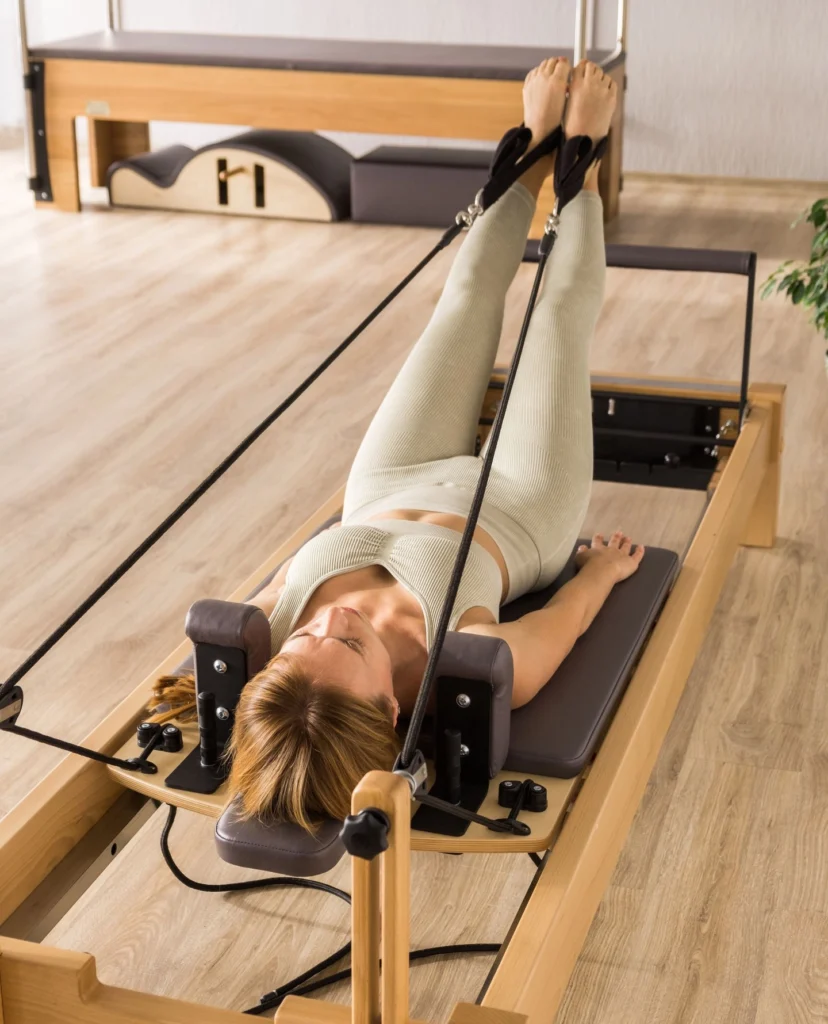
1. What Are the Physiological Mechanisms Behind Caloric Expenditure on the Reformer?
When discussing weight loss, the conversation often begins and ends with “calories in versus calories out.” While this thermodynamic law is the foundation of weight management, it is an oversimplification of how exercise impacts the body. To understand why a 50-minute Reformer class is effective despite a moderate calorie burn, we must analyze the physiological response to resistance training.
The Concept of Energy Expenditure
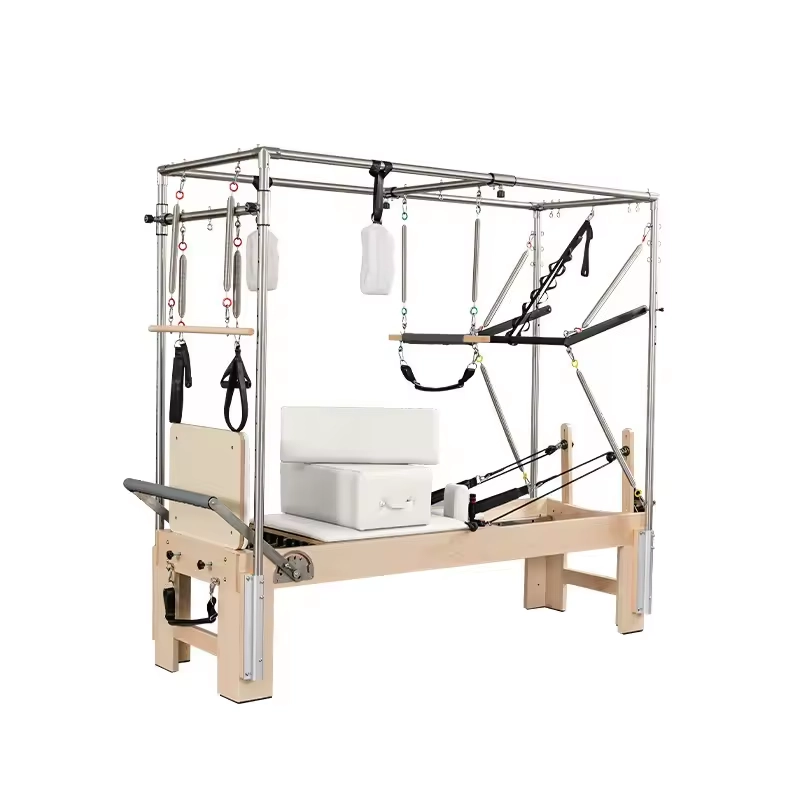
Every movement requires energy. When you lie on a Reformer carriage and push against the footbar, your body converts stored chemical energy (adenosine triphosphate, or ATP) into kinetic energy. The harder the push, the more energy is required.
In a typical cardio workout, the heart rate spikes, demanding rapid oxygen delivery. In Reformer Pilates, the heart rate may not reach those anaerobic peaks, but the muscles are under constant tension. This “Time Under Tension” (TUT) is a critical factor. Because there is very little rest in a flowing Pilates class, your body remains in a state of constant work, contributing to that 200–400 calorie figure. However, the calorie counter on your smartwatch often underestimates this because it relies heavily on heart rate data, whereas Pilates is a strength-based modality.
The Metabolic Currency of Lean Muscle
This is the most critical concept to grasp: Muscle is metabolically active tissue.
Fat tissue sits relatively dormant, storing energy. Muscle tissue, conversely, is “expensive” for the body to keep. It requires a constant supply of blood, oxygen, and nutrients just to exist.
Reformer Pilates is a form of hypertrophy (muscle-building) training. By working against the variable resistance of the springs, you create microscopic tears in the muscle fibers. As the body repairs these fibers, they grow stronger and denser. As your muscle mass increases, your Basal Metabolic Rate (BMR) rises. This means that after months of consistent Pilates practice, you will burn more calories while sleeping, sitting at your desk, or watching television than you did before you started. This long-term metabolic shift is far more valuable for sustainable weight loss than the calories burned in a single 50-minute session.
Insulin Sensitivity and Glucose Disposal
Another often-overlooked mechanism is how Pilates affects blood sugar. Resistance training increases the body’s sensitivity to insulin. When you exercise on the Reformer, your muscles demand glucose for fuel. This helps clear sugar from the bloodstream and trains your body to utilize carbohydrates for energy rather than storing them as adipose tissue (fat). Improved insulin sensitivity is a cornerstone of preventing weight gain and managing belly fat.
2. How Does the Unique Mechanics of the Reformer Enhance Fat Loss?
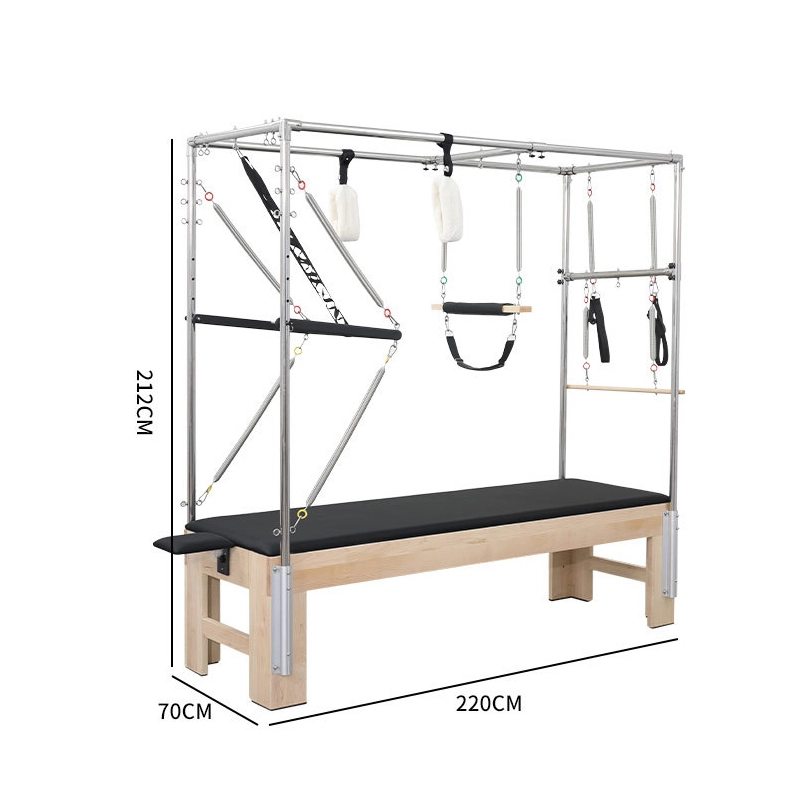
Why choose a Reformátor over a set of dumbbells or a treadmill? The answer lies in the unique engineering of the apparatus, developed by Joseph Pilates to rehabilitate bedridden patients and later adapted for elite dancers.
Variable Resistance: The Magic of Springs
Unlike a dumbbell, which provides a static weight (a 10lb weight is always 10lbs), a spring provides dynamic variable resistance. As you stretch a spring, the tension increases.
This means the muscle has to work harder the further you push. Furthermore, the spring wants to snap back. Controlling the return phase of the movement (the eccentric contraction) is often where the hardest work happens. Research shows that eccentric training is superior for building muscle strength and density. The Reformer forces you to resist gravity and spring tension simultaneously, creating a double-impact workout that fatigues muscles deeply and efficiently.
Full-Body Integration
In a traditional gym setting, you might do a “leg day” or an “arm day.” In Pilates, every exercise is a full-body event. Even when you are performing “Feet in Straps” to target the hamstrings, your core must stabilize the pelvis, your arms press into the mat to stabilize the shoulders, and your neck muscles elongate the spine.
By engaging stabilizing muscles alongside the primary movers, you recruit more total muscle fibers per minute than in isolation exercises. This “co-contraction” increases the total energy demand of the session. You are not just burning calories in your legs; you are burning them systemically.
The “Afterburn” Effect (EPOC)
While less pronounced than in HIIT, vigorous Reformer Pilates can induce Excess Post-exercise Oxygen Consumption (EPOC). If the class moves at a brisk pace with minimal rest, your body accumulates an oxygen debt. To repay this debt and return the body to a resting state (replenishing fuel stores, cooling down, repairing cells), your metabolism stays elevated for several hours after the class finishes.
3. Why Is Consistency More Valuable Than Intensity in the Pilates Method?
In the fitness world, there is a pervasive myth: “No pain, no gain.” We are taught that if we aren’t gasping for air and dripping in sweat, we haven’t worked out. Pilates challenges this narrative by proving that consistency yields better results than sporadic intensity.
The Tortoise and the Hare
High-Intensity Interval Training (HIIT) burns a massive amount of calories—perhaps 600 in an hour. However, it places significant stress on the central nervous system and joints (cortisol spikes and inflammation). Because of this, it is difficult to do HIIT every day without risking burnout or injury.
Reformer Pilates is low-impact. It places minimal compressive force on the joints while still loading the muscles. Because it is gentle on the body, you can practice it 3, 4, or even 5 times a week without needing days of recovery in between.
The Math of Consistency:
- Scenario A: You do one brutal HIIT class a week (600 calories) but are too sore to move for three days. Total burn: 600 calories.
- Scenario B: You do three Reformer classes a week (300 calories each) and feel energized enough to walk on the off days. Total exercise burn: 900 calories + walking.
Over the course of a month or a year, the consistent Reformer practitioner often outpaces the sporadic high-intensity athlete in total activity volume.
The Motivation Factor
Psychology plays a huge role in weight loss. Because Reformer Pilates is intellectually engaging (you must focus on coordination, breath, and form), the 50 minutes often fly by. It is often described as “fun” rather than “punishing.” The best workout for weight loss is the one you actually do. If you dread the treadmill, you will find excuses to skip it. If you love the feeling of the carriage gliding, you will show up. Showing up is 90% of the battle.
4. Where Does Nutrition Fit into the Caloric Equation?
We must address the elephant in the room. No amount of time on the Reformer can compensate for a diet that exceeds your caloric needs. This is the “Nutrition Reality Check.”
The Myth of “Eating Back” Calories
A common mistake among fitness enthusiasts is the reward mentality. After a 50-minute class, you might feel famished. It is easy to justify a 500-calorie smoothie or a pastry because “I worked out.”
If your class burned 300 calories and your post-workout snack is 500 calories, you are technically in a calorie surplus, which leads to weight gain, not loss. To lose weight with Pilates, you must view food as fuel for your practice, not a reward for it. The goal is to create a slight caloric deficit—consuming slightly fewer calories than your Total Daily Energy Expenditure (TDEE).
Fueling for the Reformer
To maximize the fat-burning and muscle-building potential of your Pilates class, nutrition is key:
- Protein is Non-Negotiable: You are breaking down muscle fiber on the Reformer. To rebuild it into lean, metabolic tissue, you need amino acids. Aim for a serving of protein (chicken, fish, tofu, lentils) with every meal.
- Hydration: Pilates aids the lymphatic system in flushing toxins. Water is essential for this process and for metabolic efficiency.
- Whole Foods: Processed foods spike insulin and encourage fat storage. Whole, nutrient-dense foods provide the sustained energy required to hold that plank for 60 seconds.
Exercise acts as the accelerator for weight loss, but nutrition is the steering wheel. You cannot drive in the right direction if the steering wheel is broken.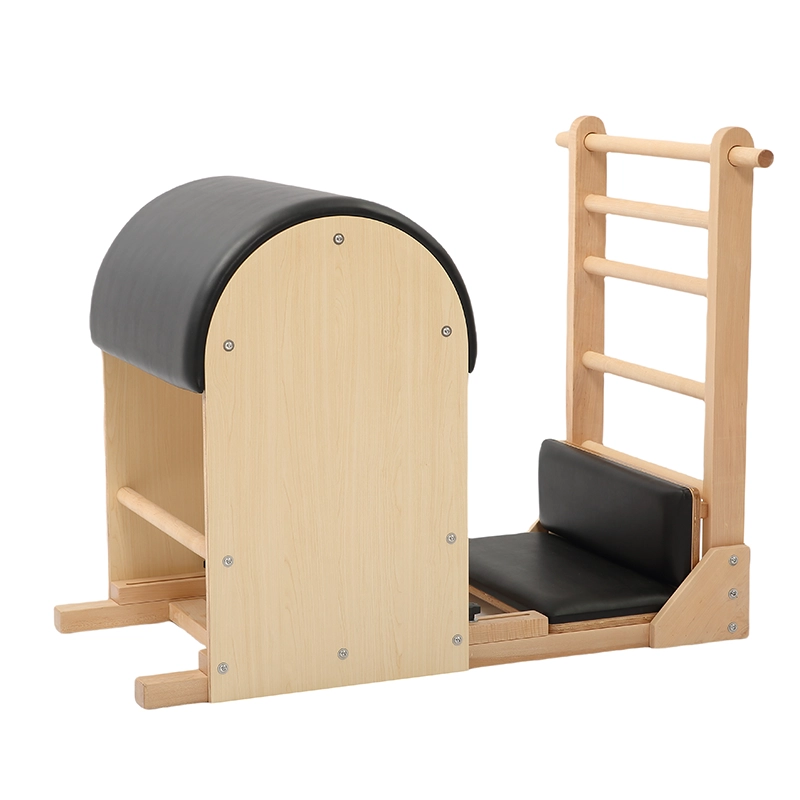
5. When Should You Incorporate Hybrid or “Power” Styles?
The fitness industry has recognized that while traditional Pilates is amazing for strength, some people crave that “cardio endorphin rush” and higher calorie burn. Enter the hybrid class.
The Rise of “Mix’d” and Cardio Pilates
If your primary goal is rapid weight loss, standard classical Pilates might feel slow. Many studios now offer classes like “Cardio Reformer,” “Jumpboard,” or circuit-style classes (often called MO: Mix’d or similar names).
These classes bridge the gap. They utilize the Reformátor for precision but introduce:
- The Jumpboard: A padded plate placed at the foot of the reformer. You lie down and “jump” horizontally. This removes the impact of gravity on the joints but allows for plyometric movement that spikes the heart rate into the fat-burning zone (130+ BPM).
- Interval Training: Alternating between heavy spring loads (strength) and light spring rapid movements (cardio).
- Circuit Elements: Getting off the reformer to use dumbbells or kettlebells in between sets.
A 50-minute class in this style can push the calorie burn closer to the 400-500 calorie range, making it a highly efficient option for those strictly chasing numbers.
Who Is This For?
These hybrid classes are ideal for the intermediate student who has mastered the basics of form. If you try to move fast before you can move well, you risk injury. Once your core is stable, adding speed and power is an excellent way to accelerate weight loss results.
6. Who Can Expect the Most Dramatic Results?
Is Reformer Pilates an equal-opportunity fat burner? Physiologically, yes, but results vary based on starting point and effort.
The Beginner’s Advantage
Individuals who are currently sedentary or significantly overweight often see the fastest initial results. For an untrained body, the stimulus of the springs is novel and intense. The body must work overtime to adapt, leading to significant initial changes in muscle tone and calorie burn. Furthermore, heavier individuals burn more calories simply moving their bodies against gravity.
The Advanced Paradox
Ironically, as you get better at Pilates, you become more efficient. You learn to use the correct muscles and stop “cheating” with momentum. However, efficiency uses less energy.
To continue losing weight as an advanced practitioner, you must apply the principle of Progressive Overload. You cannot use the same spring settings forever. You must:
- Increase the resistance (heavier springs for strength).
- Decrease the stability (remove hands, kneel instead of sit).
- Increase the complexity (combine movements).
If you are plateauing, it is likely because your body has adapted to the workload. It is time to make the class harder.
Additional Feature: The “High-Burn” Reformer Routine Breakdown
Not all exercises are created equal. If you are in an open-level class and want to maximize your calorie burn, focus your energy on these “Big Five” movements. These exercises recruit the largest muscle groups (glutes, quads, back), which require the most oxygen and energy to fuel.
- The Lunge (Eve’s Lunge/Scooter): Standing on the floor with one foot on the moving carriage. Pushing the carriage back engages the glutes and quads of the stabilizing leg.
- Why it burns: It is a compound movement requiring balance (core) and massive leg strength. Legs are the biggest calorie burners in the body.
- Plank to Pike (Long Stretch Series): Hands on the footbar, feet on the carriage. Pushing out to a plank and pulling in to a pike.
- Why it burns: Full body stabilization. Shoulders, abs, and hip flexors are screaming.
- Side-Lying Leg Series with Heavy Springs: Lying on the side, strap on the foot.
- Why it burns: Constant tension on the glute medius with no rest.
- Jumpboard Intervals: (If available).
- Why it burns: It is pure cardio. 60 seconds of jumping is equivalent to sprinting.
- Short Box Series (Flat Back/Tree):
- Why it burns: While it looks static, holding your torso against gravity leverages the weight of your upper body against your core. It is intense isometric work.
Additional Feature: A Sample 7-Day Weight Loss Schedule
To optimize weight loss, you should combine Reformer Pilates with Low-Intensity Steady State (LISS) cardio, like walking. This keeps cortisol low while maximizing activity.
- Hétfő: Reformer Pilates (Strength Focus/Heavy Springs) – 50 Mins.
- Kedd: Brisk Walking or Swimming – 45 Mins.
- Szerda: Reformer Pilates (Flow/Endurance Focus) – 50 Mins.
- Csütörtök: Active Recovery (Stretching or Yoga) – 30 Mins.
- Péntek: Cardio Pilates / Jumpboard / HIIT Class – 50 Mins.
- Szombat: Long Hike or Bike Ride (Outdoor Activity) – 60+ Mins.
- Vasárnap: Rest & Meal Prep.
Gyakran Ismételt Kérdések
Is Reformer Pilates enough exercise to lose weight on its own?
For most people, relying solely on Reformer Pilates without any dietary changes or supplemental cardio may result in slow weight loss. While it is excellent for toning, “enough” depends on your calorie intake. If you eat a balanced diet with a slight deficit, yes, 3-4 Reformer classes a week can drive weight loss. However, for faster results, combining Pilates with daily walking (aiming for 8,000-10,000 steps) creates the optimal deficit without the stress of high-impact cardio.
Will the springs make me bulk up instead of slim down?
This is a common fear, especially among women. The answer is a definitive no. “Bulking” requires massive caloric surpluses and lifting extremely heavy weights to failure (hypertrophy tailored for size). The resistance on a Reformer, combined with the high repetition range used in Pilates, builds lean endurance muscle. This creates the “long, toned” look associated with dancers, rather than the bulky look of bodybuilders. You will get smaller and tighter, not bigger.
Why is the scale not moving even though I look thinner?
This is the “Pilates Effect.” Because you are building muscle while losing fat, your total body weight might stay the same, or even go up slightly initially. However, muscle is much denser than fat. One pound of muscle takes up significantly less space than one pound of fat.
If the scale isn’t moving but your jeans are loose, you are succeeding. You are undergoing body recomposition. Toss the scale and use a tape measure or how your clothes fit as your primary progress indicators.
The Bottom Line
Is Reformer Pilates a magic wand for weight loss? No. It does not burn calories at the ferocious rate of a spinning class or a boxing match. However, viewing exercise solely through the lens of calorie burning is a mistake.
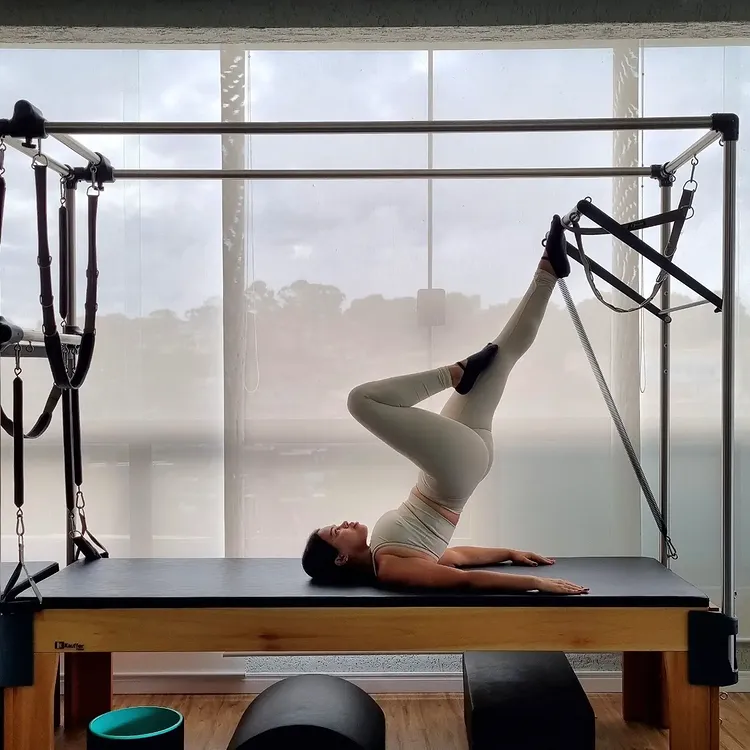
Reformer Pilates offers something more sustainable: a complete overhaul of your body’s architecture. It builds the lean muscle engine that burns fat while you sleep. It corrects the posture that makes you look heavy. It reduces the stress that causes belly fat retention. And perhaps most importantly, it is an exercise method that people enjoy enough to stick with for years, not just weeks. When combined with mindful nutrition and patience, those 200–400 calories per session add up to a complete and lasting transformation. The best exercise for weight loss is the one you will do forever—and for many, that is Reformer Pilates.
 English (United States)
  English (Canada)
  English (Australia)
  English (New Zealand)
  English (UK)
  Arabic
  Bulgarian
  Czech
Czech  Danish
  Greek
Greek  Spanish
  Ukrainian
  Turkish
  Thai
Thai  Swedish
  Serbian
  Slovenian
  Slovak
  Russian
  Romanian
  Portuguese (Portugal)
  Portuguese (Brazil)
  Dutch
Dutch  Estonian
  Finnish
  French
  Hindi
Hindi  Croatian
  Indonesian
  Icelandic
  Italian
  Japanese
  Georgian
  German
  Lithuanian
  Polish
  Korean
  Uzbek
Uzbek  Hungarian
  Malay
Malay