
Reformer Pilates fenntartható utat teremt a fogyáshoz, de ezt a test újraösszetételén keresztül teszi, nem pedig az egyszerű kalóriaégetésen keresztül. Míg a nagy intenzitású kardió az edzés során az energia elégetésére összpontosít, a Reformer Pilates a sovány izomtömeg építésére összpontosít, ami alapvetően megváltoztatja a nyugalmi anyagcserét (BMR). A rugóalapú ellenállás alkalmazásával, amely koncentrikus és excentrikus fázisokban is igénybe veszi az izomrostokat, a gyakorlat egy sűrűbb, anyagcsere-aktívabb testalkatot eredményez. A kortizol – a hasi zsírraktározáshoz kapcsolódó hormon – szintjének csökkentésével párosítva a Reformer Pilates átfogó, alacsony terhelésű megoldást kínál a hosszú távú testsúlyszabályozásra és a fizikai átalakulásra.
Miért válik a Reformer Pilates a fogyás előnyben részesített módszerévé?
Évtizedekig az volt az uralkodó nézet a fitnesziparban, hogy a fogyáshoz szenvedés kell. Azt hitték, hogy hacsak nem kapkodsz levegő után a futópadon, vagy nem ugrálsz kétségbeesetten egy HIIT órán, akkor nem égetsz zsírt. Ez a narratíva azonban változóban van. Jelenleg egy hatalmas elmozdulásnak vagyunk tanúi az alacsony terhelésű, magas eredményeket hozó edzések felé, élükön a Reformer Pilates-szel.
A vonzereje a fenntarthatóságban rejlik. A nagy terhelésű gyakorlatok gyakran kiégéshez, fáradtsághoz és sérülésekhez vezetnek, különösen az ízületekben. Amikor valaki megsérül, a fogyása megáll. A Reformer Pilates megtöri ezt a ciklust. Lehetővé teszi az egyének számára, hogy következetesen eddzenek – ami a fogyás legfontosabb tényezője – anélkül, hogy elhasználnák a porcaikat, vagy a stresszhormonjaik kezelhetetlen szintre emelkednének.
Továbbá a fogyás modern felfogása a “kalóriák be, kalóriák ki” elvtől a “hormonális egyensúly és anyagcsere-egészség” árnyaltabb értékeléséig fejlődött. A Reformer Pilates holisztikusan közelíti meg a testet. Nem csak arra kéri a testet, hogy üzemanyagot égessen el; megtanítja a testet a hatékony mozgásra, korrigálva a testtartási egyensúlyhiányokat, amelyek gyakran nehezebbnek mutatnak minket, mint amilyenek vagyunk, miközben építi azt a gépezetet (izmot), amely a zsír folyamatos égetéséhez szükséges.
Mi a reformgépezet mögötti mechanizmus?
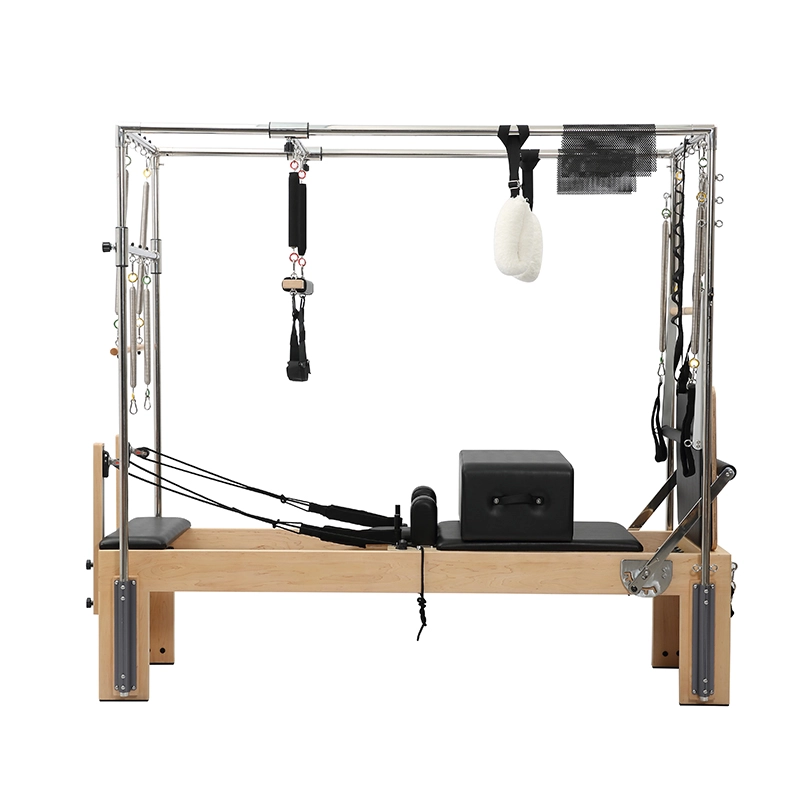
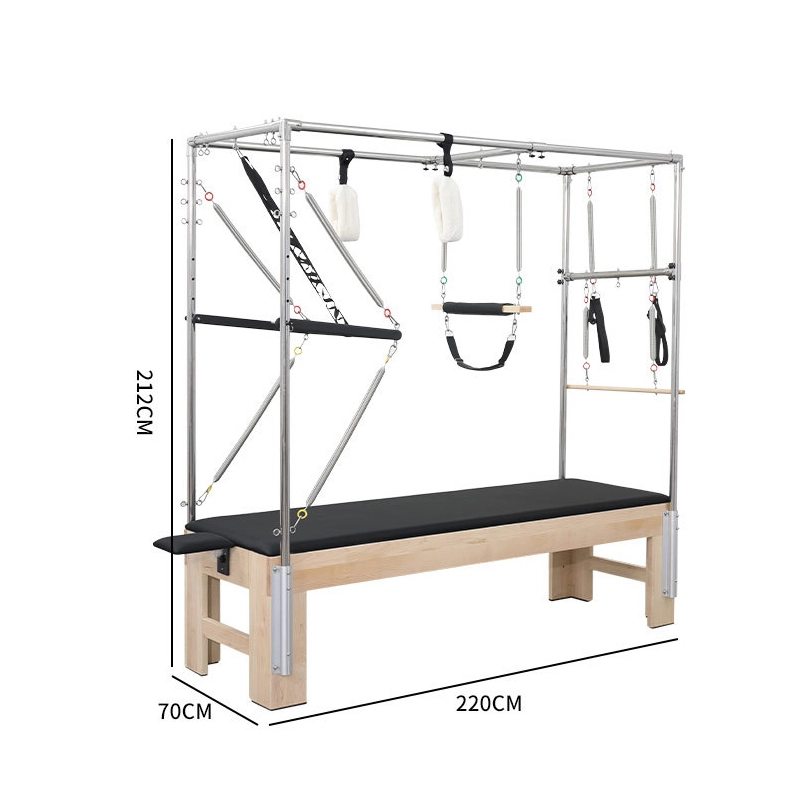
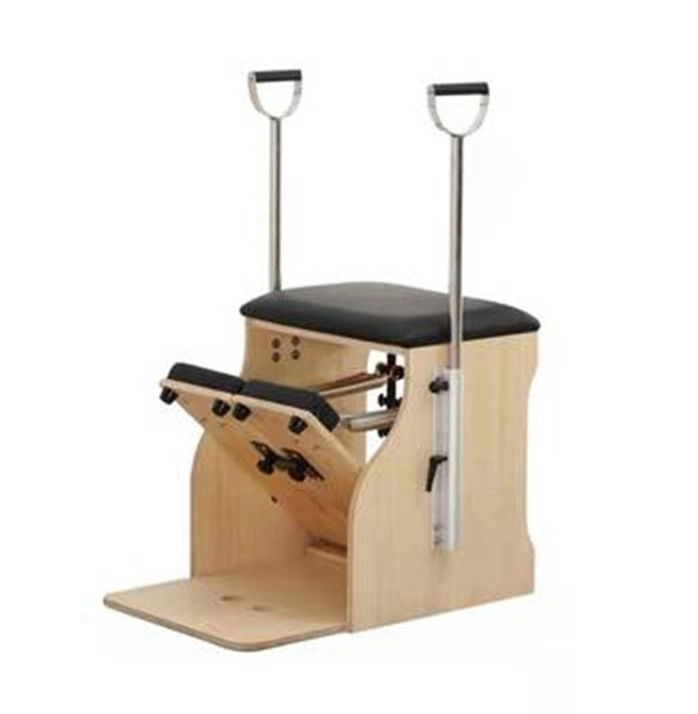
A fogyásban rejlő lehetőségek megértéséhez meg kell érteni a készüléket. Reformátor nem csupán egy rugós pad; hanem egy kifinomult visszacsatolási rendszer az emberi test számára. A Joseph Pilates által feltalált gép egy csúszó kocsiból, egy lábtartóból, hevederekből és egy rugórendszerből áll, amelyek változtatható ellenállást biztosítanak.
Az ellenállási tényező
A súlyzókkal ellentétben, amelyek statikus, a gravitációra támaszkodó súlyt biztosítanak, a rugók “progresszív ellenállást” biztosítanak. Ahogy kinyújtjuk a rugót, az egyre nehezebb lesz. Ez azt jelenti, hogy az izmoknak a mozgástartomány végén, pontosan ott kell keményebben dolgozniuk, ahol a leggyengébbek. Ez maximális izomrost-regenerációt vált ki.
Az excentrikus előny
A Reformer a fogyás és az izomtónus-formálás szempontjából kulcsfontosságú a mozgás “negatív” vagy excentrikus fázisát (a kocsi visszatérése) hangsúlyozza. A rugókkal szembeni ellenállás, miközben azok megpróbálják visszahúzni a kocsit, intenzív kontrollt igényel. A kutatások azt mutatják, hogy az excentrikus edzés több mikroszakadást okoz az izomrostokban, mint a koncentrikus edzés (emelés). Ezen mikroszakadások helyreállítási folyamata jelentős energiát igényel, ami a kalóriaégetés fokozódásához vezet jóval az edzés vége után.
Hogyan viszonyul a kalóriaégetés más edzésekhez?
Gyakori vitapont a kalóriaszám. Vajon egy Reformer óra annyit éget el, mint egy spinning óra? Általában nem. De a számok vizsgálata kontextust igényel.
A számok játéka
Egy átlagos 50-60 perces Reformer Pilates óra a következő órák között fog égni: 200 és 450 kalória több változótól függően:
- Testsúly: A nehezebb egyének több energiát égetnek el a kocsi mozgatása során.
- Nem: A férfiak gyakran többet égetnek a nagyobb izomtömegük miatt.
- Osztályformátum: Egy “klasszikus flow” edzés kevesebbet égethet, míg egy “kardio tramp” vagy “ugródeszka” óra – amely pliometrikus ugrást is tartalmaz fekve – közelítheti az elégetést 500+ kalóriához.
- Intenzitás: Mekkora rugóerőt használsz? Pihensz a sorozatok között?
A kalóriakövetők félrevezető természete
Fontos megjegyezni, hogy a fitneszórák gyakran alábecsülik a Pilates égési sérüléseit. Ezek az eszközök nagymértékben a pulzusszámra és a lépésszámra támaszkodnak. Mivel a Pilates a kontrollált pulzusszámra és az izometrikus tartásra (ahol nem mozogsz, de az izmaid üvöltenek) összpontosít, az algoritmusok gyakran nem tudják rögzíteni az edzés valódi anyagcsere-igényét.
Miért az izomtömeg a titkos fegyver a zsírégetéshez?
Ez a legfontosabb koncepció azok számára, akik Pilates-t használnak fogyáshoz: Az izom anyagcsere szempontjából drága szövet.
A zsírszövet raktárként helyezkedik el a testen; nagyon kevés energiára van szüksége a létezéséhez. Az izomszövet ezzel szemben aktív. Állandó vér-, oxigén- és tápanyagellátásra van szüksége a fenntartáshoz. Ezt nevezzük alapanyagcserének (BMR) – az a kalóriák száma, amelyet pusztán az életben maradásoddal elégetsz.
Reformer Pilates egy ellenállásos edzésmódszer. A rugóknak való nyomással és húzással hipertrófiát (izomnövekedést) serkentesz. Minden egyes kilogramm izomtömeg növelése után a tested napi 30-50 kalóriát éget el nyugalmi állapotban. Egy év alatt néhány kilogramm izomtömeg növelése több kilogramm zsír elégetését eredményezheti anélkül, hogy egyetlen perc extra kardiót végeznél.
Ez az “utóégési” hatás, tudományosan túlzott edzés utáni oxigénfogyasztás (EPOC) néven ismert, az igazi varázslat. A testednek 24-48 órán át túlóráznia kell, hogy helyreállítsa a Reformeren megdolgoztatott izmokat, ezáltal fenntartva az anyagcserédet.
Hogyan változtatja meg a Reformer Pilates a test alakját és összetételét?
A fogyás a számok játéka, de az “alakoskodás” vizuális játék. Sokan azt tapasztalják, hogy még ha a mérlegen látható szám nem is csökken drasztikusan, a ruháik teljesen másképp állnak egy hónap Reformer Pilates után. Miért történik ez?
A “fűző” hatás
Reformer Pilates A haránt hasizom (TVA) gyakorlatsor a hasizmok legmélyebb rétegét célozza meg. Ez a hasizmok legmélyebb rétege, amely fűzőként veszi körül a középső testrészt. A hagyományos hasprés a felszíni izmokat dolgoztatja meg (a hatos hasizmok), de néha vastagabbnak mutathatják a derekat. A Pilates befelé húzza a hasizmokat. Az erős TVA behúzza a hasat, azonnal csökkenti a derékbőséget és ellaposítja a hasat.
Testtartás és érzékelés
A rossz testtartás – görnyedt vállak, előredőlt fej és ferde medence – kidülleszti a hasat, ami a túlsúly illúzióját keltheti. A Reformer Pilates vitathatatlanul a legjobb létező testtartás-korrekciós módszer. A gerinc megnyújtásával, a mellkas kinyitásával és a medence kiegyenesítésével a gyakorlók magasabban állnak. Ez a függőleges nyújtás egyenletesebben osztja el a testtömeget, így az egyén pusztán a helyes állás miatt 2-4 kilogrammal könnyebbnek tűnik.
Hosszú, karcsú vonalak
Egyes nők attól tartanak, hogy az ellenállásos edzés “nagydarabossá” teszi őket. A Pilatesben alkalmazott rugós ellenállás, az erősítés közbeni nyújtás hangsúlyozásával kombinálva, inkább a hosszú, szálkás izomtömeg fejlődését segíti elő, mint a nehéz súlyemeléssel járó rövid, terjedelmes izomhasat. Ez hozza létre az áhított “táncos testalkatot”.”
Mikor kell beépíteni a táplálkozást a maximális eredmény elérése érdekében?
Bár a Reformer Pilates egy hatékony eszköz, nem varázspálca. Nem lehet “kiejteni” egy olyan diétát, amely kalóriatöbbletet okoz. A Reformer fogyási potenciáljának kiaknázásához a táplálkozásnak összhangban kell lennie.
A fehérjeszükséglet
Mivel a Reformeren izomrostokat bontsz le, megnő a fehérjeszükségleted. Ha nem eszel elég fehérjét, a szervezeted nem tudja helyreállítani az izmokat, és lemaradsz az anyagcsere-löketről. A sovány fehérjék előnyben részesítése segíti a jóllakottságot és a regenerálódást.
A 80/20-as szabály
Gondolj a fogyásra úgy, mint 80% táplálkozásra és 20% mozgásra. A mozgás (Pilates) formálja a testet és felpörgeti a motort, de a táplálkozás határozza meg az üzemanyagszintet. A Reformer sok gyakorló számára segít a sóvárgás leküzdésében; az órán szükséges tudatosság gyakran az étkezésben való tudatossághoz is vezet. Tudatosabb leszel azzal kapcsolatban, hogy az étel hogyan hat a testedre, ami természetes módon jobb döntésekhez vezet.
Hogyan segíti a stressz csökkentése (kortizol) a fogyást?
Ez az a rejtett előny, amit a HIIT és a futás gyakran elszalaszt. A nagy intenzitású edzés stresszor a szervezet számára. Megnöveli a kortizolszintet. Sok olyan ember számára, akiket már amúgy is stresszel a munka és a magánélet, a nagy intenzitású testmozgás krónikusan megemelheti a kortizolszintet.
A kortizol és a hasi zsír kapcsolata
A krónikusan magas kortizolszint zsírraktározásra készteti a szervezetet, konkrétan a hasi zsírt a zsigeri zsírban (egy túlélési mechanizmus). Emellett lebontja az izomszövetet – ami pont az ellenkezője annak, amit szeretnénk.
A Reformer Pilates egy tudatos gyakorlat. Mély, ritmikus légzést és intenzív koncentrációt igényel. Serkenti a paraszimpatikus idegrendszert (pihenés és emésztés). A kortizolszint csökkentésével jelezed a szervezetednek, hogy biztonságos a tárolt zsír elengedése. Azok számára, akik már “mindent kipróbáltak”, és nem tudják megszabadulni a hasi zsírtól, a Pilates stresszcsökkentő aspektusa gyakran a hiányzó kulcs.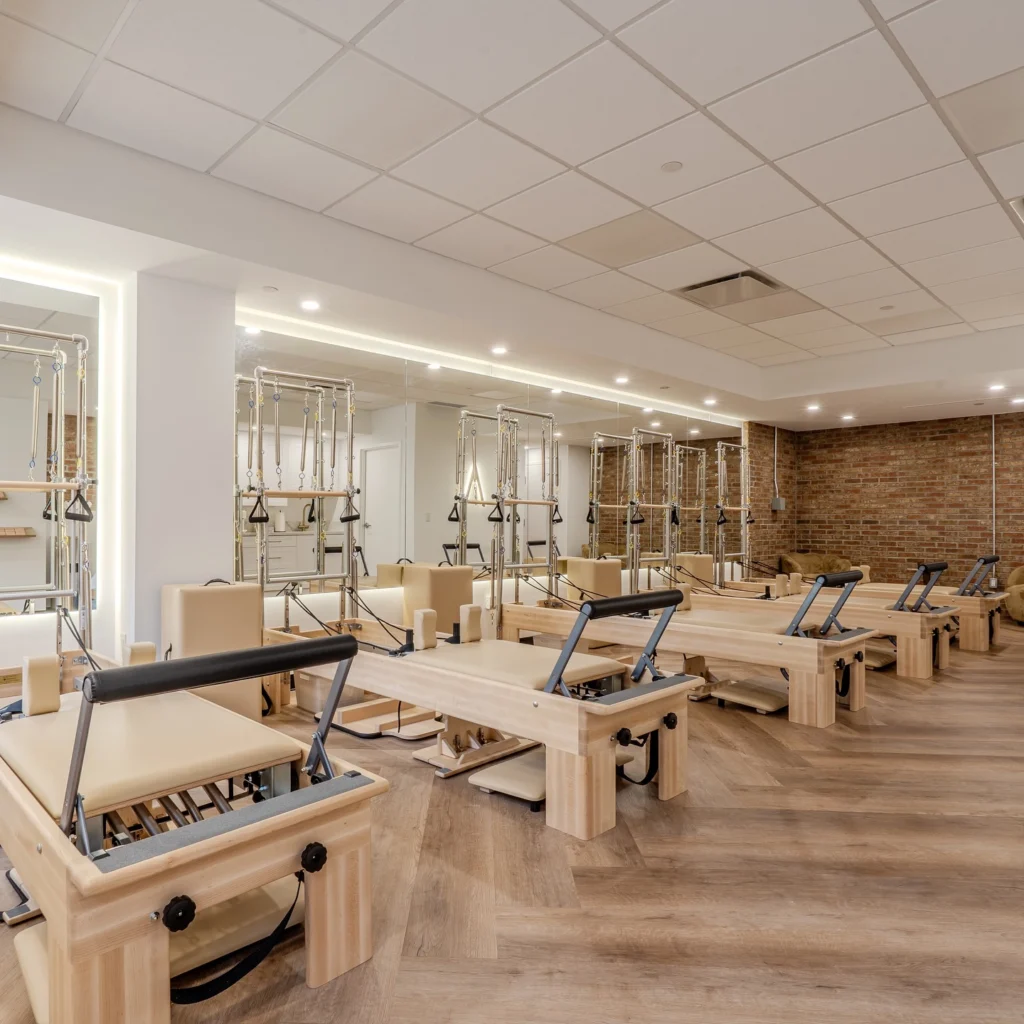
Melyik a hatékonyabb a zsírégetésben: a matrac vagy a reformer?
Bár mindkettő kiváló, ha a konkrét cél a fogyás és a testátalakítás, a Reformátor általában tartja az előnyét.
| Jellemző | Pilates szőnyeg | Reformer Pilates |
|---|---|---|
| Elsődleges ellenállás | Gravitáció és testsúly | Rugók, csigák és testsúly |
| Intenzitási határérték | Saját súlyod által korlátozva | Korlátlan (további rugók hozzáadása) |
| Izomtoborzás | Magas szintű fókusz | Teljes test (karok, lábak, farizmok, törzs) |
| Fajta | Standard repertoár | Végtelen variációk + kardió opciók |
| Fogyási potenciál | Mérsékelt | Magas |
A Mat Pilates fantasztikus a törzs erősítésére és a mobilitás fejlesztésére, de a Reformer a következőket is hozzáadja: progresszív túlterhelés. Ahhoz, hogy továbbra is zsírt égess és izmot építs, folyamatosan nagyobb terheléssel kell megterhelned a tested. A Reformer ezt megkönnyíti; a Mat nem.
Mikor és milyen gyakran kell edzeni a maximális eredmény elérése érdekében?
A gyakoriság az alkalmazkodás mozgatórugója. Havi egy alkalom igazi élvezet; heti három alkalom egy edzésprogram.
Kezdőknek szóló órarend (1-4. hét)
Célkitűzés heti 2-3 alkalom. A testednek meg kell tanulnia a motoros mintákat. Valószínűleg olyan izmokban is fájdalmat fogsz érezni, amelyekről nem is tudtad, hogy léteznek. A pihenőnapok kulcsfontosságúak, hogy a gyulladás alábbhagyhasson, és az izmok regenerálódhassanak.
Fogyókúrás ütemterv (5. hét+)
A testösszetétel jelentős változásainak eléréséhez törekedjen a következőkre: heti 3-5 alkalom.
Azonban nem minden foglalkozásnak kell maximális intenzitásúnak lennie.
- 2 nap: “Atlétikai” vagy “Erő” Reformer (Nagy ellenállású, izzasztó).
- 1 nap: “Ugródeszka” (kardióra fókuszban).
- 1 nap: “Klasszikus” vagy “Flow” (a nyújtáson és az igazításon van a hangsúly).
Ez a változatosság megakadályozza a túledzést, miközben magas szinten tartja a kalóriaégetést.
Az intenzitás helyett a következetesség
Jobb egy éven keresztül heti 3 mérsékelt edzést végezni, mint egy hónapon keresztül heti 6 intenzív edzést, mielőtt abbahagynád. A Pilates a fegyelem gyakorlata. A testben bekövetkező változások összeadódnak.
A tökéletes reformer fogyókúrás ellenőrzőlista
Annak érdekében, hogy minden csepp zsírégető potenciált kihozhass a stúdióidődből, kövesd ezt az ellenőrzőlistát minden óra alatt.
- Rugófeszültség maximalizálása: Ne a könnyebb utat válaszd. Ha az oktató felkínál egy nagyobb mozgástartományt (pl. “1-2 piros rugó”), és meg tudod tartani a jó formádat, válaszd a nehezebbet az izomnövekedés serkentése érdekében.
- Koncentrálj a negatívumokra: Ne hagyd, hogy a kocsi visszacsapódjon. Visszafelé menet ellenállj a rugóknak. Visszafelé számolj 3-ig. Ez az excentrikus terhelés hozza létre az anyagcsere utáni égést.
- Fogd be a lélegzeted: Az erőteljes kilégzés megmozgatja a mély törzsizmokat és fokozza az edzés termogén hatását. Ne tartsd vissza a lélegzeted.
- Minimalizáld a pihenést: Az órát úgy kezeld, mint egy köredzést. Válts simán a lábmunkáról a hevederes gyakorlatokra, hosszú szünetek nélkül. Tartsd magasan a pulzusszámot.
- Add hozzá a kardió edzést: Ha a stúdiód kínál Jumpboard órákat, akkor azokat heti 1-2 alkalommal végezd. Ez egy nagy intenzitású intervallum edzés (HIIT), amelyet vízszintesen végeznek – a két világ legjavát ötvözve.
Heti mintaütemterv a zsírégetés optimalizálására
Íme egy kiegyensúlyozott heti terv, amely a Reformer Pilates-t aktív regenerálódással ötvözi az optimális fogyás érdekében.
- Hétfő: Hatalmi Reformer. Fókusz: Erő és nehéz rugók. Cél: Farizmok és combok.
- Kedd: LISS kardió. Fókusz: 45 perces gyors séta vagy könnyű kerékpározás. Cél: Aktív regenerálódás a tejsav kiürítéséért.
- Szerda: Ugródeszka / Kardio Pilates. Fókusz: Magas pulzusszámú intervallumok. Cél: Kalóriaégetés és állóképesség.
- Csütörtök: Pihenés vagy nyújtás. Fókusz: Jóga vagy könnyű Pilates szőnyegen otthon. Cél: Kortizolszint csökkentése.
- Péntek: Teljes testes áramlás. Fókusz: Koordináció és törzserő. Cél: Derékvonal meghatározása.
- Szombat: Aktív hobbi. Túrázás, úszás vagy egy hosszú séta. Mozogj folyamatosan, de tedd szórakoztatóvá.
- Vasárnap: Étkezés előkészítése és pihenés. Készíts magas fehérjetartalmú ételeket a hétre. Teljes fizikai pihenés.
Gyakran Ismételt Kérdések (GYIK)
1. A Reformer Pilatestől “zömöknek” fogok tűnni, ha nehéz rugókat használok?
Nem. Ez egy gyakori tévhit. A “tömegnövelés” általában nehéz súlyemelést, kalóriatöbbletet és magas tesztoszteronszintet igényel. A Reformer rugók által biztosított ellenállás, a gyakorlatok magas ismétlésszámával kombinálva, a nagy robbanékony rostok (IIb típus) helyett állóképességi izomrostokat (I. típus) épít. Az eredmény egy tónusos, kompakt és feszes megjelenés, nem pedig egy testes testépítő testalkat.
2. Célzottan a hasi zsírégetésre is alkalmas a Reformer Pilates?
Bár nem lehet “helyben csökkenteni” a zsírt (azaz nem választhatod a zsírégetést csak (a hasadból), a Reformer Pilates kivételesen jól megváltoztatja a középső rész megjelenését. A mély törzsizom erősítésével és a testtartás javításával behúzza a hasat. Továbbá, a gyakorlattal járó kortizolszint-csökkenés segít kezelni a zsigeri hasi zsírlerakódás hormonális okát. Idővel, ahogy a testzsír összessége csökken, a hasi kontúr megmutatkozik.
3. Biztonságos a Reformer Pilates túlsúlyos kezdők számára?
Igen, vitathatatlanul ez az egyik legbiztonságosabb gyakorlat a túlsúlyos egyének számára. A futás vagy ugrás akár a testsúly háromszorosát is megterhelheti a térdre és a bokákra. A Reformer a kocsi segítségével tartja meg a testsúlyodat. Ez lehetővé teszi, hogy intenzíven eddz az ízületek terhelése nélkül. Ez egy “ízületbarát” környezet, amely lehetővé teszi a túlsúlyos egyének számára, hogy megszerezzék azt az erőt és önbizalmat, amelyre szükségük van a biztonságos fogyáshoz.
Konklúzió: A fenntartható út egy új énhez
A Reformer Pilates nem egy “gyors megoldás” vagy divatdiéta; hanem egy életmódbeli beavatkozás. Bár lehet, hogy nem éget kalóriákat egy sprint vérszomjas sebességével, az anyagcsere-aktív izmok építésére, a testtartás korrigálására, a stressz csökkentésére és a sérülések megelőzésére való képessége kiváló választássá teszi a hosszú távú testsúlyszabályozáshoz.
Belülről kifelé alakítja át a testet. Olyan testet hoz létre, amely hatékony, erős és képes zsírt égetni még nyugalmi állapotban is. A következetes gyakorlatok és a tudatos táplálkozás párosításával nemcsak fogysz, hanem teljesen új kapcsolatot alakítasz ki a fizikai éneddel.
Készen állsz átalakítani a tested?
Ha Corkban vagy környékén tartózkodik, soha nem volt még jobb alkalom felszállni a hintóba. ālaya Pilates (a Himalaya Yoga Valley támogatásával) specializálódtunk arra, hogy az első alkalomtól kezdve egészen a haladó átalakulásig segítsük a tanulókat. Akár fogyni, akár sérülést rehabilitálni, vagy egyszerűen csak erősebbnek érezni magát, szakértő oktatóink készen állnak, hogy támogassák Önt. Tekintse meg bevezető ajánlatainkat időpontjainkban, és fedezze fel a rugók erejét még ma!.
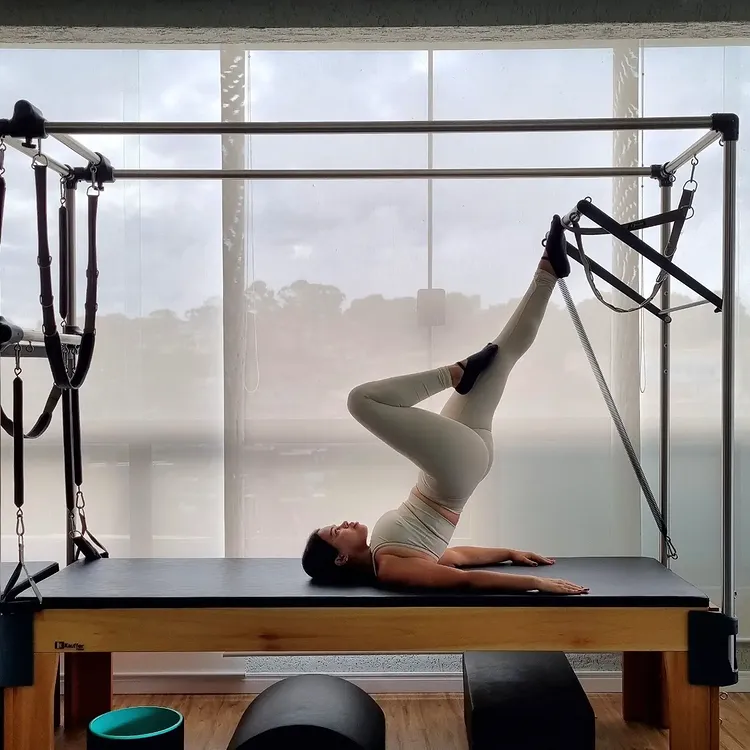
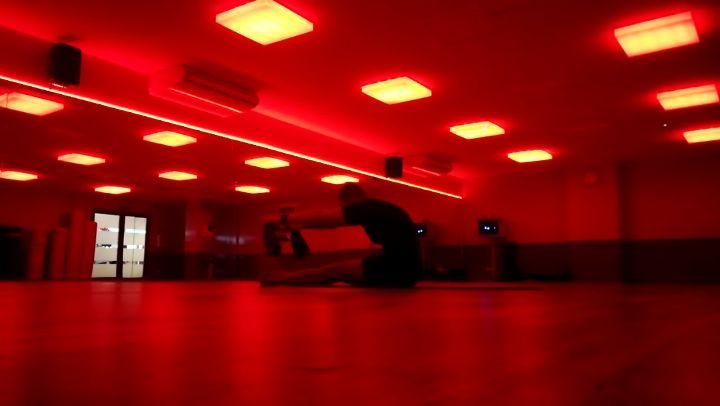
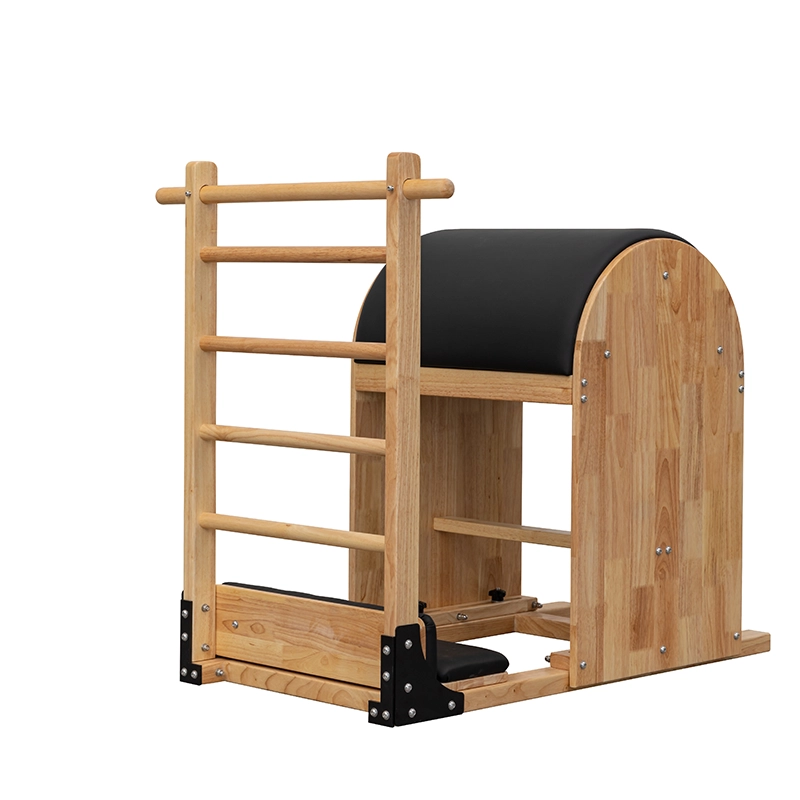
 English (United States)
  English (Canada)
  English (Australia)
  English (New Zealand)
  English (UK)
  Arabic
  Bulgarian
  Czech
Czech  Danish
  Greek
Greek  Spanish
  Ukrainian
  Turkish
  Thai
Thai  Swedish
  Serbian
  Slovenian
  Slovak
  Russian
  Romanian
  Portuguese (Portugal)
  Portuguese (Brazil)
  Dutch
Dutch  Estonian
  Finnish
  French
  Hindi
Hindi  Croatian
  Indonesian
  Icelandic
  Italian
  Japanese
  Georgian
  German
  Lithuanian
  Polish
  Korean
  Uzbek
Uzbek  Hungarian
  Malay
Malay