
Pilates is an exceptionally effective tool for weight loss, especially when you transition from traditional methods to a high-intensity, resistance-based framework. While many people associate Pilates solely with flexibility or core strength, the modern evolution of the practice—specifically high-intensity reformer sessions—is designed to create the necessary caloric deficit for fat loss. By engaging in these workouts, you can burn between 400 and 600 calories in a single 45-minute session. This significantly outperforms traditional mat Pilates, which typically averages around 250 calories per hour. The secret lies in the combination of cardiovascular challenge, muscle hypertrophy, and a sustained heart rate that transforms your body into a more efficient fat-burning machine. By building lean muscle mass and boosting your basal metabolic rate, Pilates ensures that you aren’t just losing weight, but reshaping your entire physique for long-term health and vitality.
1. Why is High-Intensity Pilates the Ultimate Secret to Sustainable Fat Loss?
The journey toward weight loss is often paved with grueling cardio sessions that leave you exhausted but often plateaued. High-intensity Pilates, particularly the BODYROK method, offers a scientifically backed alternative that focuses on “quality over quantity.” The “why” behind its effectiveness lies in the unique combination of mechanical tension és metabolic stress. Unlike steady-state cardio (like walking on a treadmill), which primarily burns calories only while you are moving, resistance-based Pilates triggers a process known as Excess Post-exercise Oxygen Consumption (EPOC).
When you challenge your muscles against the heavy springs of a reformer, you create micro-tears in the muscle fibers. The body must then work overtime for hours—sometimes even days—after the workout to repair these tissues. This repair process requires significant energy, effectively turning your body into a furnace that burns calories while you sleep. Furthermore, because Pilates emphasizes the “powerhouse” or core, it stabilizes the spine and allows for more explosive, calorie-dense movements in other areas of your fitness life, such as running or weightlifting.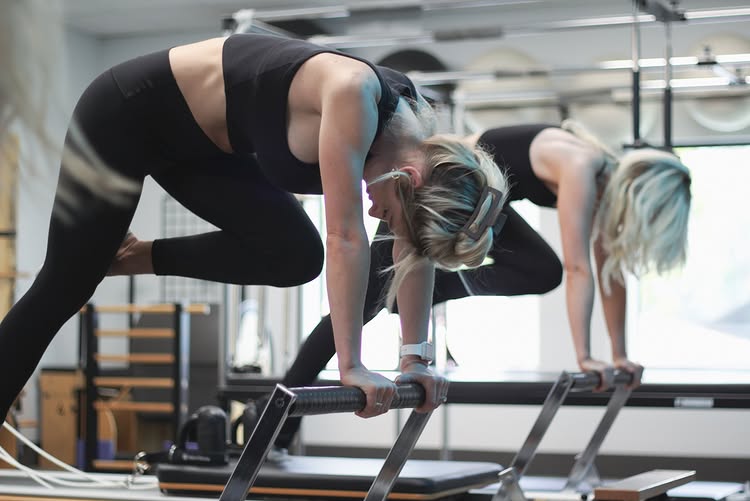
2. How Does Reformer Pilates Accelerate Your Metabolic Rate Compared to Other Exercises?
To understand how Pilates facilitates weight loss, we must look at the comparison of energy expenditure across different modalities. Most weight loss programs fail because they are not sustainable or they don’t address body composition. Pilates is different because it focuses on building lean muscle mass. Muscle is more metabolically active than fat; therefore, the more lean muscle you have, the higher your resting metabolic rate (RMR) becomes.
| Workout Type | Estimated Calories (45 mins) | Focus Area | Metabolic Impact |
|---|---|---|---|
| High-Intensity Reformer | 400–600 | Full Body + Cardio | High (EPOC Effect) |
| Traditional Mat Pilates | 170–250 | Core & Flexibility | Mérsékelt |
| Hatha Yoga | 150–250 | Flexibility & Breath | Low |
| Power Walking (3.5 mph) | 150–200 | Lower Body | Low (Zero EPOC) |
By integrating cardio bursts into the reformer flow, sessions like those at BODYROK keep the heart rate in the “fat-burning zone” (60-70% of max heart rate) while simultaneously pushing into the “aerobic zone” (70-80%). This dual-action approach ensures that you are stripping away body fat while defining the muscles underneath. This is why many practitioners notice their clothes fitting better even if the number on the scale doesn’t drop immediately; they are undergoing a total body recomposition.
3. What Are the Scientific Principles That Make Pilates Effective for Toning and Trimming?
The efficacy of Pilates for weight loss is rooted in several key physiological principles. First is Eccentric Contraction. In many gym workouts, the focus is on the “concentric” phase (shortening the muscle, like lifting a weight). Pilates places equal, if not more, emphasis on the “eccentric” phase (lengthening the muscle under tension). Research shows that eccentric training is superior for building strength and increasing metabolic demand.
The Role of the “Powerhouse”
In Pilates, every movement originates from the core. By constantly engaging the deep transverse abdominis and the pelvic floor, you are creating a “girdle” effect. This doesn’t just make your stomach look flatter; it increases the internal temperature of the body and improves digestive efficiency, both of which are secondary drivers of healthy weight management. When your core is strong, your posture improves, which naturally elongates the torso and makes you appear leaner instantly.
Resistance and Variety
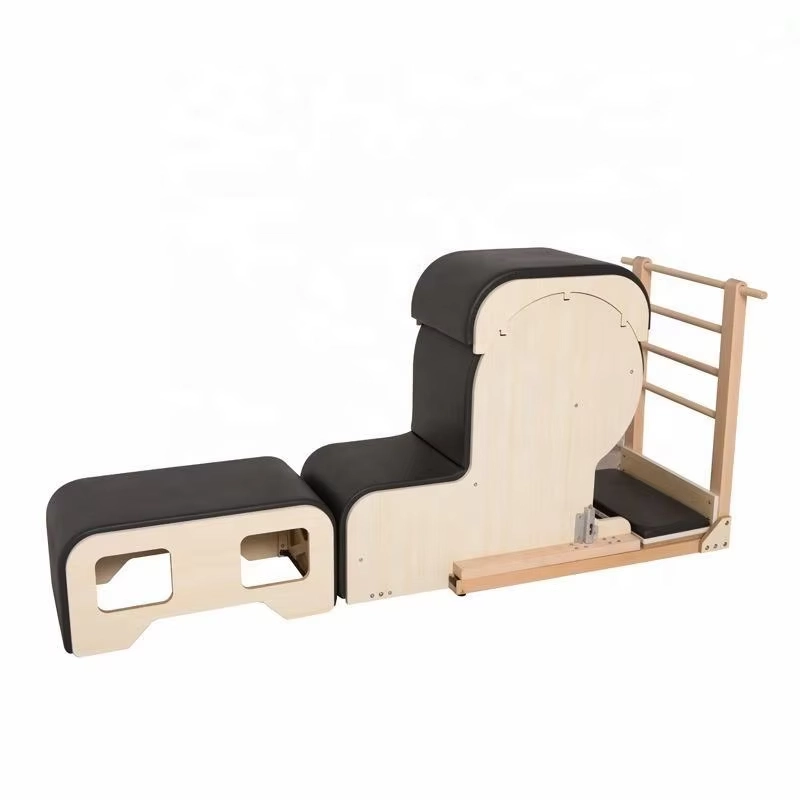
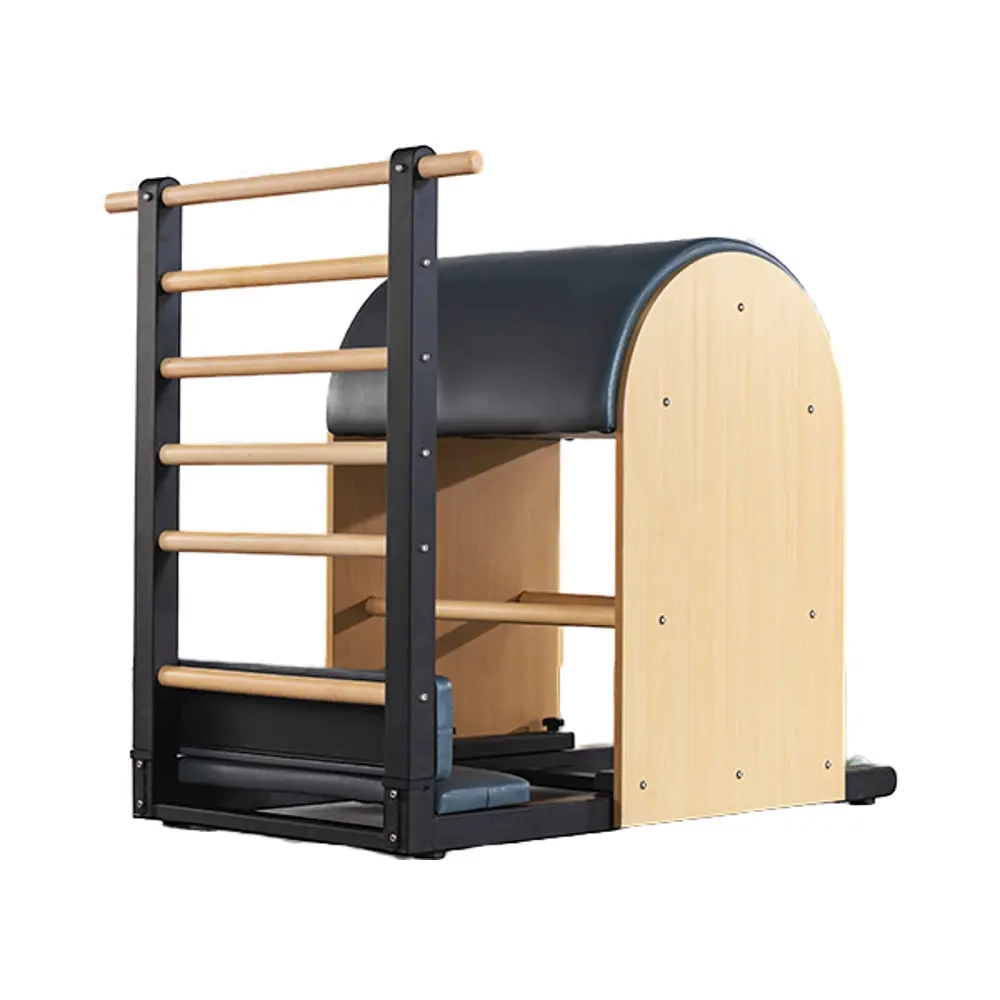
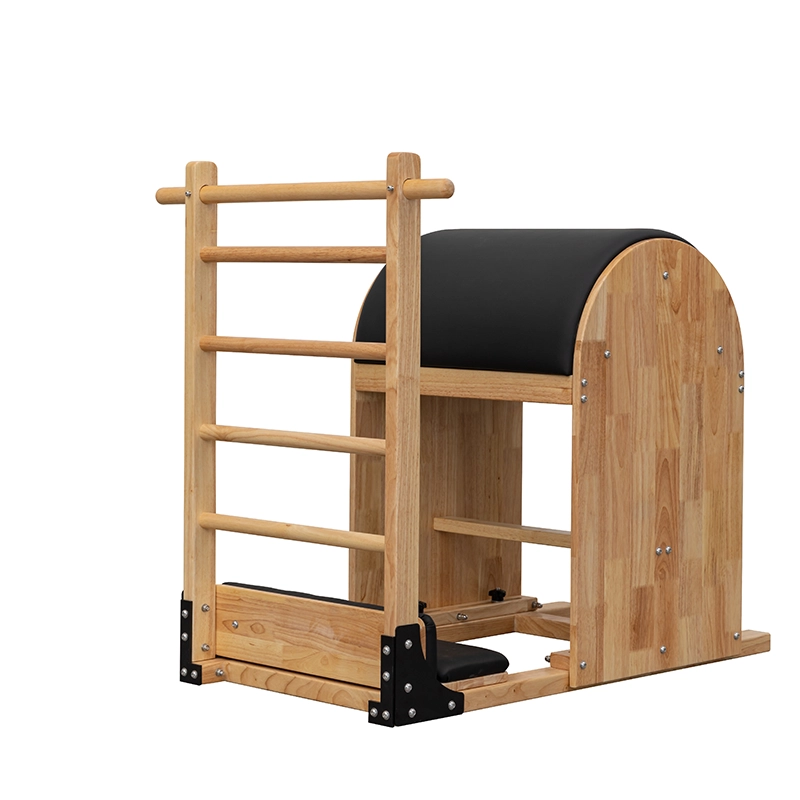
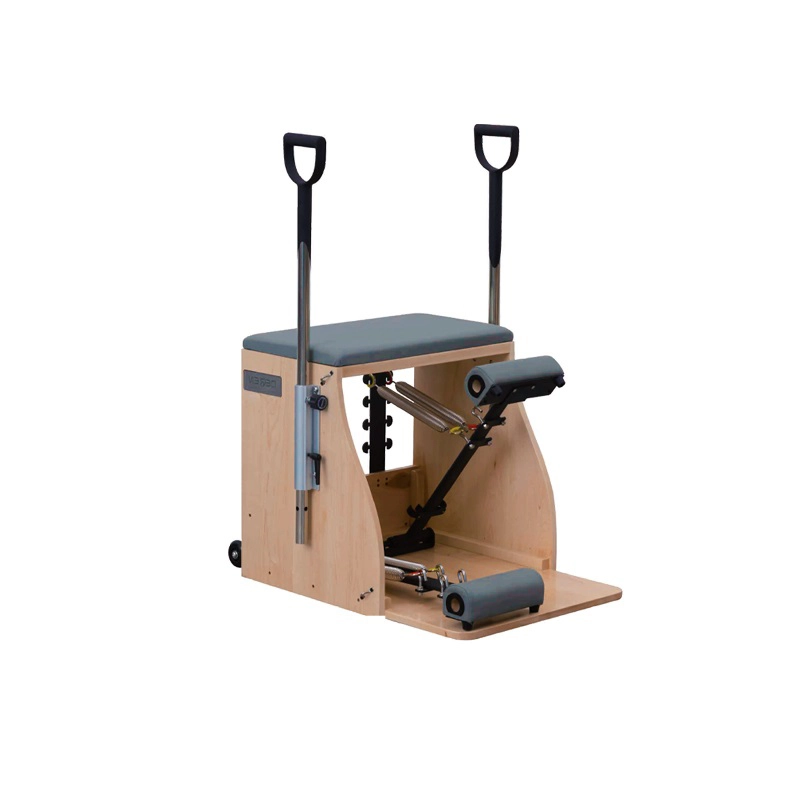
The Reformer machine uses a system of springs and pulleys. Unlike free weights, where gravity determines the resistance, the springs provide constant tension throughout the entire range of motion. There is no “cheating” using momentum. This constant engagement means the muscles are working for the full 45 minutes, maximizing the caloric burn per minute of exercise.
4. When Is the Best Time to Practice Pilates to Maximize Fat Oxidation?
While the “best” time to work out is whenever you can be consistent, there are specific physiological advantages to timing your Pilates sessions. Many experts suggest that performing high-intensity Pilates in the morning on a relatively empty stomach (fasted or semi-fasted) can encourage the body to tap into stored glycogen and fat reserves more quickly. However, the most important “when” is the frequency.
To see significant weight loss results, a schedule of heti 3-5 alkalom is recommended. This frequency allows for adequate recovery while keeping the metabolic rate elevated. Joseph Pilates famously said, “In 10 sessions you’ll feel the difference, in 20 sessions you’ll see the difference, and in 30 sessions you’ll have a whole new body.” For those specifically targeting weight loss, the 30-session mark is often where the most dramatic “before and after” transformations occur, as the cumulative effect of muscle building and caloric deficit reaches a tipping point.
5. Where Does the Mind-Body Connection Play a Role in Curbing Emotional Eating?
Weight loss is as much a mental game as it is a physical one. This is where Pilates holds a distinct advantage over traditional “grind-culture” workouts. Pilates requires intense concentration and breath control. You cannot effectively perform a “Teaser” or a “Plank to Pike” on a moving carriage if your mind is wandering to your grocery list. This forced mindfulness trains the brain to stay present.
This mental discipline often translates directly to the kitchen. When you become more aware of how your body feels and moves, you become more attuned to its actual hunger signals versus emotional cravings. Furthermore, the deep diaphragmatic breathing used in Pilates helps lower cortisol levels. High cortisol, often caused by stress and high-impact overtraining, is a leading cause of stubborn belly fat. By lowering stress through mindful movement, Pilates helps remove the hormonal barriers that often prevent weight loss in high-stress individuals.
6. Who Can Use Pilates to Break Through a Weight Loss Plateau?
If you have been running five miles a day or lifting the same weights for months and have stopped seeing results, your body has likely adapted to the stimulus. Pilates is the perfect “plateau breaker” because it challenges the body in planes of motion that are rarely used in daily life or standard gym routines. It targets the small, stabilizing muscles that are often neglected, forcing the body to adapt to new challenges and, consequently, burn more energy.
Pilates is also ideal for:
- Post-Injury Athletes: Those who need to lose weight but cannot handle the impact of jumping or running.
- Seniors: Who want to maintain muscle mass and metabolic health without risking joint damage.
- Busy Professionals: Who need a “one-stop-shop” workout that handles cardio, strength, and flexibility in under an hour.
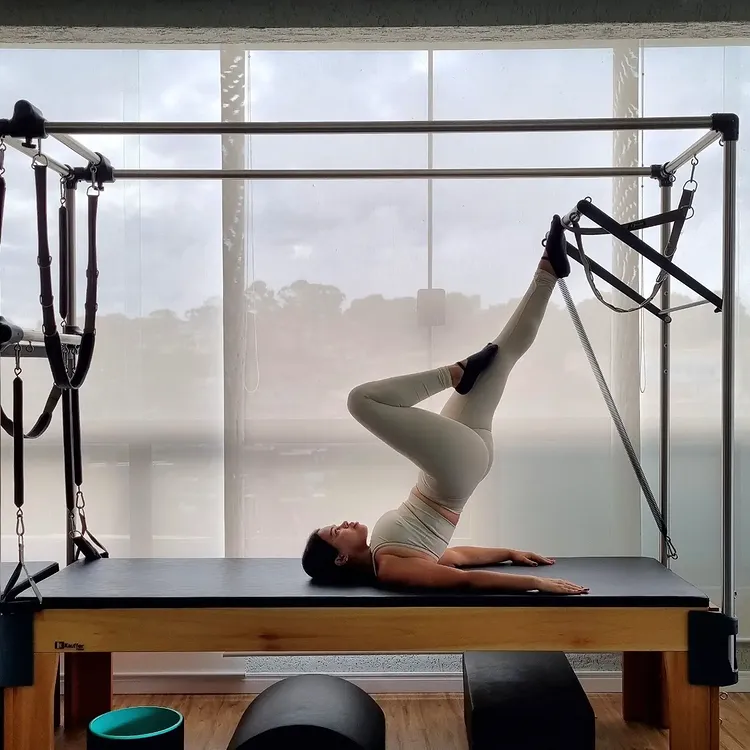
7. Feature 1: The 7-Day “ROK” Your Metabolism Schedule
To maximize your weight loss efforts, consistency is your greatest ally. Here is a sample weekly blueprint designed to keep your metabolism elevated and your muscles guessing.
| Day | Activity Focus | Weight Loss Goal |
|---|---|---|
| Monday | High-Intensity Full Body Reformer | Kickstart metabolic rate and torch 500+ calories. |
| Tuesday | Active Recovery: 30-min brisk walk | Flush out toxins and keep the lymphatic system moving. |
| Wednesday | Targeted “Six Packs & Backs” Session | Deep core engagement to trim the waistline. |
| Thursday | High-Intensity Full Body Reformer | Maintain caloric deficit and build lean muscle. |
| Friday | “Flow” or Flexibility-Focused Pilates | Lower cortisol and lengthen muscle fibers. |
| Saturday | “ROK Your Body” Intensive | Maximum weekend caloric burn. |
| Sunday | Complete Rest & Meal Prep | Reset for the upcoming week and focus on nutrition. |
8. Feature 2: Nutritional Synergy for Pilates Weight Loss
While the reformer is your tool for burning energy, your kitchen is where you provide the fuel. To maximize the 400-600 calorie burn of a BODYROK session, your nutrition should support muscle repair and fat oxidation.
- The Pre-Workout Window: Consume complex carbohydrates 60 minutes before class (e.g., oats or a banana). This ensures your muscles have the glycogen needed to push through high-resistance sets.
- The Post-Workout Recovery: Protein is non-negotiable. Within 45 minutes of your session, consume 20-30g of high-quality protein to repair the muscle fibers you just challenged. This solidifies the “toning” effect.
- Hydration and Electrolytes: The intense breathwork in Pilates can be dehydrating. Aim for at least 3 liters of water daily to support metabolic processes and prevent the body from holding onto “water weight.”
9. Frequently Asked Questions (FAQ)
Can I lose 10 pounds just by doing Pilates?
Yes, provided you are consistent and maintain a balanced diet. Pilates creates the muscular foundation and caloric burn needed for weight loss. When paired with a modest caloric deficit (eating slightly fewer calories than you burn), losing 10 pounds is a very achievable goal within a 2-month timeframe using high-intensity reformer sessions.
Is Pilates better than the gym for fat loss?
It depends on your goals. Traditional gym workouts can be high-impact and often focus on isolated muscles. Pilates offers a “functional” fat-loss approach that tones the entire body simultaneously. For many, Pilates is “better” because the low-impact nature allows for more frequent training with a lower risk of injury, leading to better long-term consistency.
Will Pilates make my legs look bulky?
Quite the opposite. Pilates is famous for creating “long and lean” muscles. Because the focus is on eccentric stretching (stretching while the muscle is working), it builds strength without the “bulk” often associated with heavy weightlifting. You will notice your legs becoming firmer and more defined, but not necessarily larger in circumference.
Conclusion: Embarking on Your Transformation Journey
Weight loss is a journey of a thousand repetitions, and Pilates provides the most intelligent way to complete them. By choosing a method that respects the body’s mechanics while pushing its metabolic limits, you aren’t just chasing a number on a scale—you are building a stronger, more resilient version of yourself. The high-intensity reformer approach is the missing link for many who have struggled with traditional fitness routines. It offers the perfect marriage of sweat, science, and serenity.
Stop waiting for the “perfect time” to start. Your body is ready for a change, and the reformer is ready for you. Whether you want to drop a dress size, gain core strength, or simply feel more confident in your skin, Pilates is the vehicle that will get you there. Take that first step, book your first class, and experience the transformative power of mindful, high-intensity movement today. Your future self will thank you for the strength you build now!
 English (United States)
  English (Canada)
  English (Australia)
  English (New Zealand)
  English (UK)
  Arabic
  Bulgarian
  Czech
Czech  Danish
  Greek
Greek  Spanish
  Ukrainian
  Turkish
  Thai
Thai  Swedish
  Serbian
  Slovenian
  Slovak
  Russian
  Romanian
  Portuguese (Portugal)
  Portuguese (Brazil)
  Dutch
Dutch  Estonian
  Finnish
  French
  Hindi
Hindi  Croatian
  Indonesian
  Icelandic
  Italian
  Japanese
  Georgian
  German
  Lithuanian
  Polish
  Korean
  Uzbek
Uzbek  Hungarian
  Malay
Malay