
If your goal is to maximize muscle toning, core strength, and technique, you should perform Pilates first when your energy stores are full and your muscles are fresh; however, if you are training for an endurance event like a marathon or a triathlon, you should prioritize cardio first to ensure your running or cycling performance is not compromised by pre-fatigue. There is no single “wrong” way to structure your workout, as both sequences offer distinct benefits depending on whether you are prioritizing cardiovascular endurance or musculoskeletal conditioning. Ultimately, the best sequence is the one that allows you to maintain consistency and adhere to the guidelines set by organizations like the American College of Sports Medicine (ACSM), which recommends a balance of both aerobic activity and strength training for optimal health.
In the evolving landscape of fitness, the integration of different modalities—often referred to as “concurrent training”—has become the norm. The modern fitness enthusiast rarely sticks to just one discipline. They run, they lift, they stretch, and they practice Pilates. This variety is excellent for holistic health, but it introduces a logistical puzzle regarding energy management. The body has a finite amount of glycogen (stored energy) and a threshold for neuromuscular fatigue. Understanding how to manage these resources by sequencing your workouts correctly can be the difference between a mediocre plateau and achieving your peak physical form. This article explores the physiological nuances, the practical applications, and the expert recommendations for combining cardiovascular work with the precision of Pilates.
1. Why does the sequence of your workout matter for physiological adaptation?
To understand the debate of “cardio before or after,” we must first look at why the order influences the body’s response. The primary scientific principle at play here is known as the “Interference Effect,” or the specific adaptation to imposed demands (SAID) principle. The body adapts specifically to the stress placed upon it, but when two conflicting signals (endurance vs. strength) are sent simultaneously or in close succession, the body prioritizes the first stimulus it receives.
When you begin a workout, your muscles are stocked with glycogen, the primary fuel source for high-intensity effort. Your central nervous system (CNS) is also fresh, ready to send rapid, clear signals to your muscles to contract and stabilize.
If you choose to do cardio first, you are depleting a significant portion of your glycogen reserves. By the time you step onto the Pilates mat or Reformátor, your muscles are in a glycogen-depleted state. While some argue this helps with fat burning, from a performance standpoint, it means your muscles have less fuel for the explosive or sustained contractions required in advanced Pilates work. Furthermore, cardio induces systemic fatigue. The heavy breathing and elevated heart rate are signs that your body is working hard to regulate pH levels and clear lactate. Carrying this metabolic byproduct load into a Pilates class can make it difficult to find the “flow” and precision that the method requires.
Conversely, if you do Pilates first, you are prioritizing neuromuscular control. Pilates is not just about muscle contraction; it is about motor learning. It requires intense mental focus to isolate the Transverse Abdominis, engage the pelvic floor, and articulate the spine. If you perform this while fresh, you reinforce optimal movement patterns. You then move into your cardio session with your stabilizers activated (often called “pre-activation”), which some studies suggest can actually help maintain better posture during a run, although the legs may feel heavier due to local muscle fatigue.
2. What are the arguments for prioritizing Pilates before cardiovascular work?
For the vast majority of general fitness enthusiasts—those looking to tone up, improve posture, fix back pain, and build a “dancer’s body”—the consensus among exercise physiologists is to perform Pilates first. This approach is rooted in the concepts of safety, technique, and energy system prioritization.
The Priority of Precision
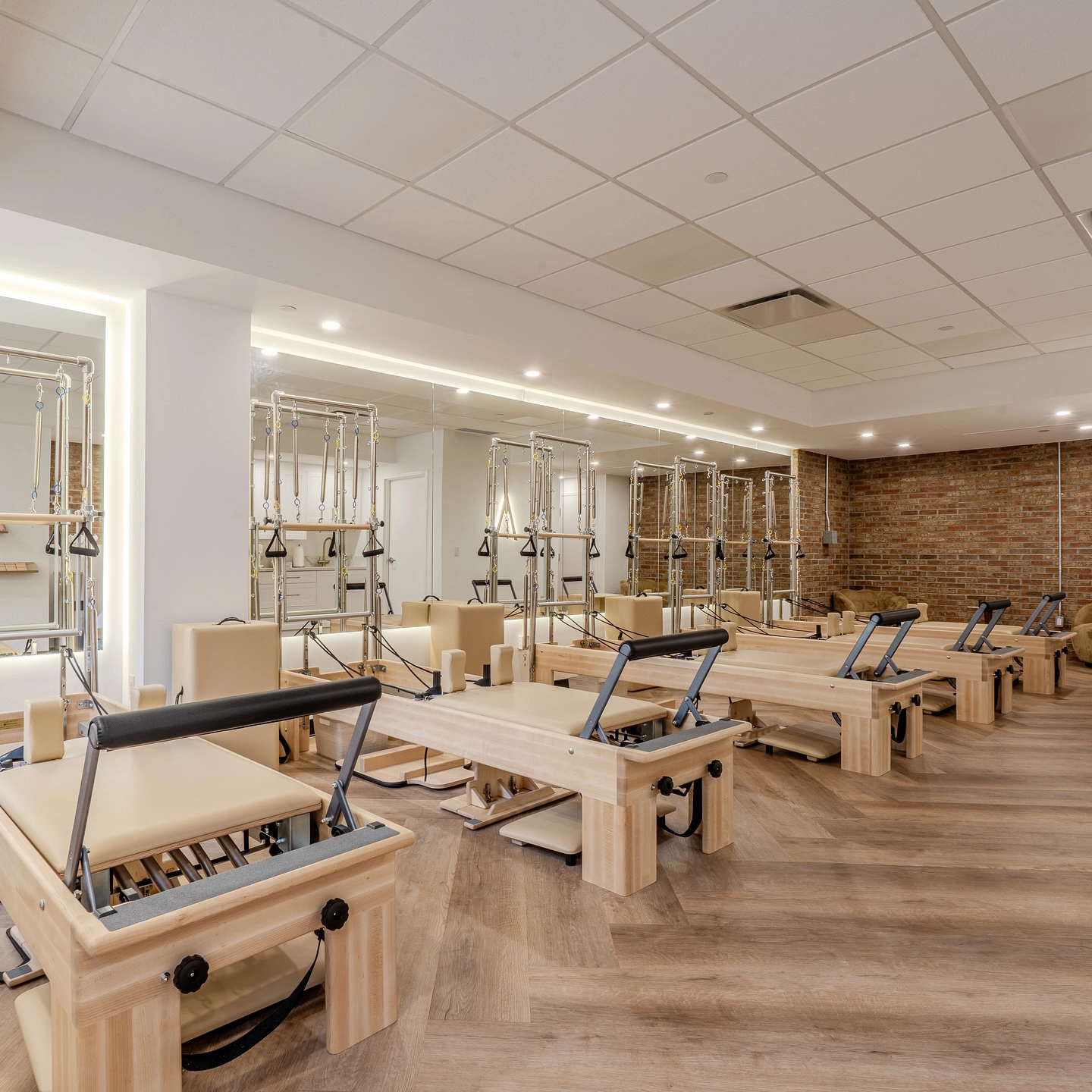
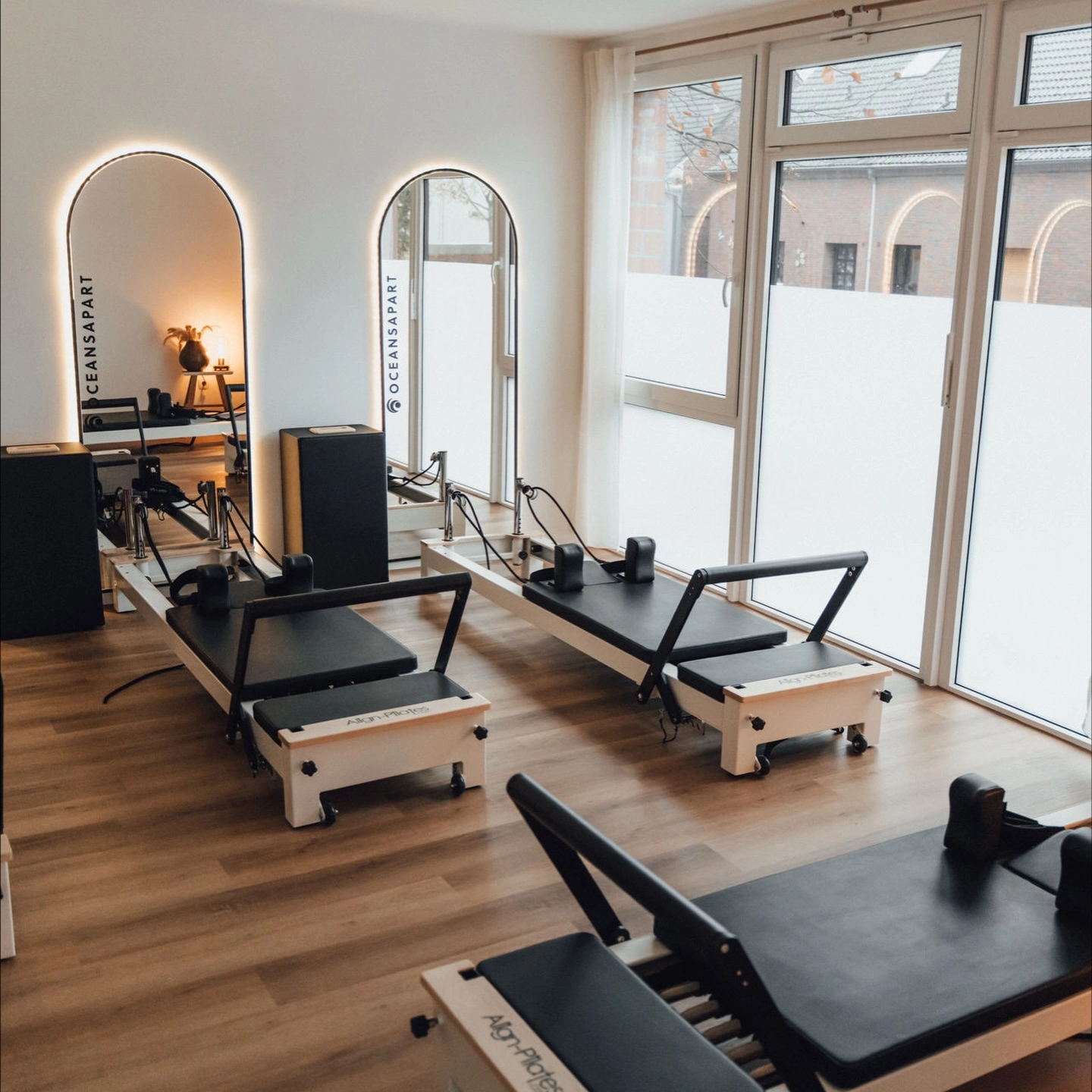
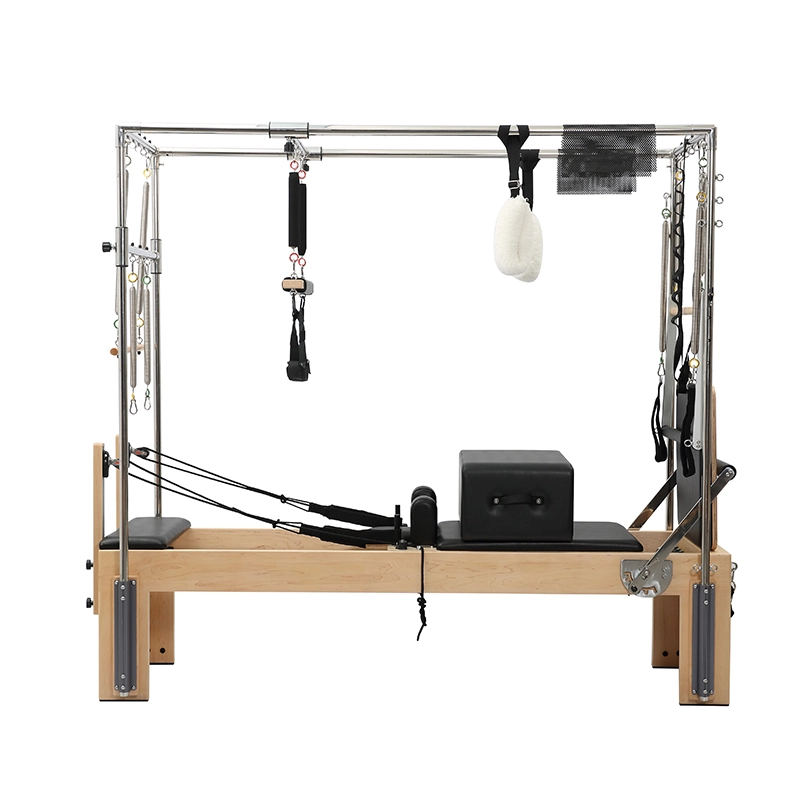
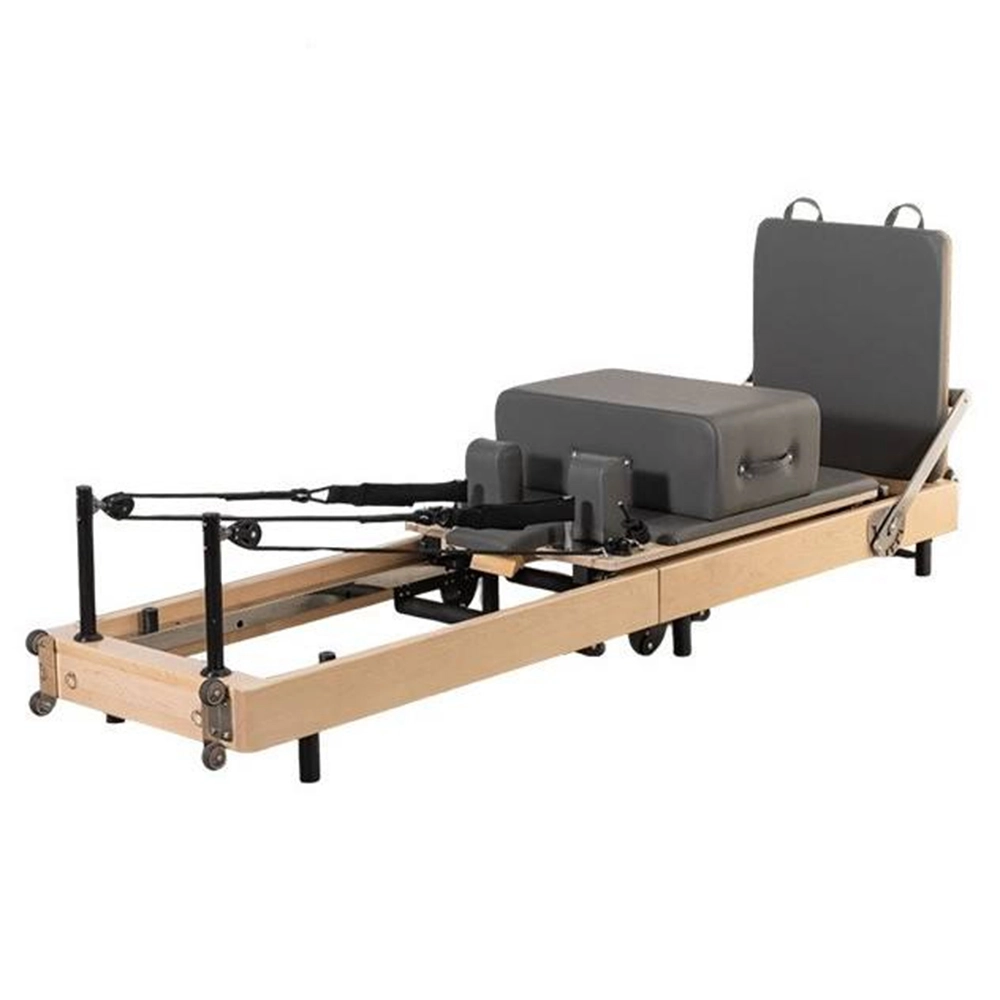
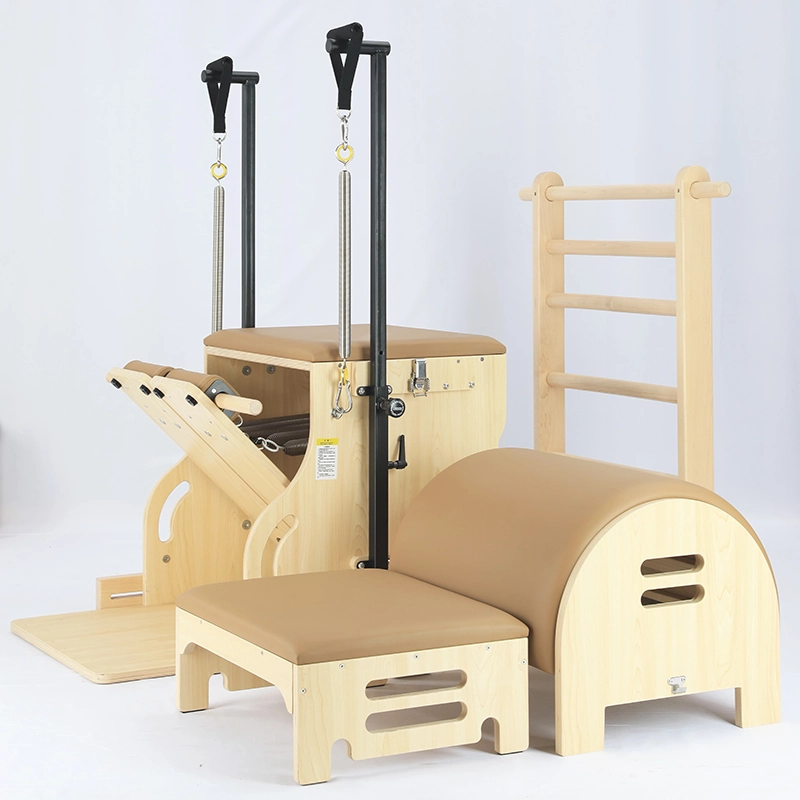
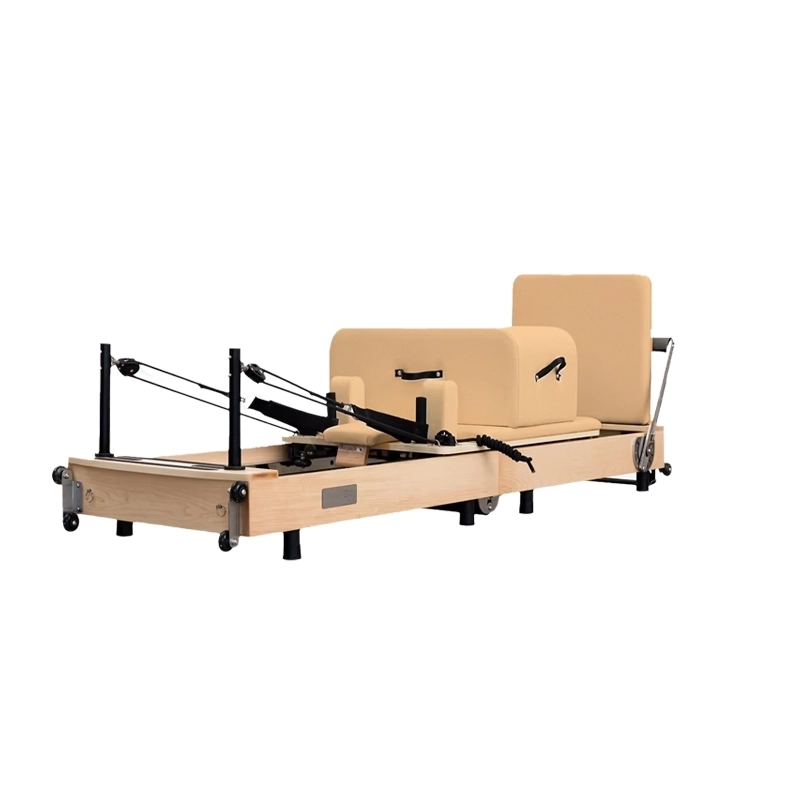
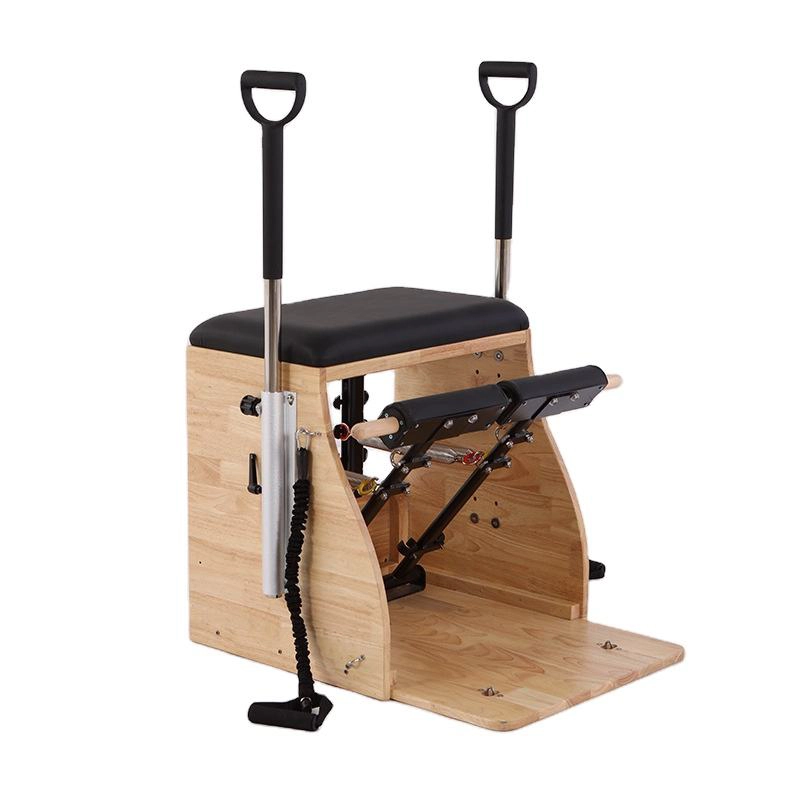
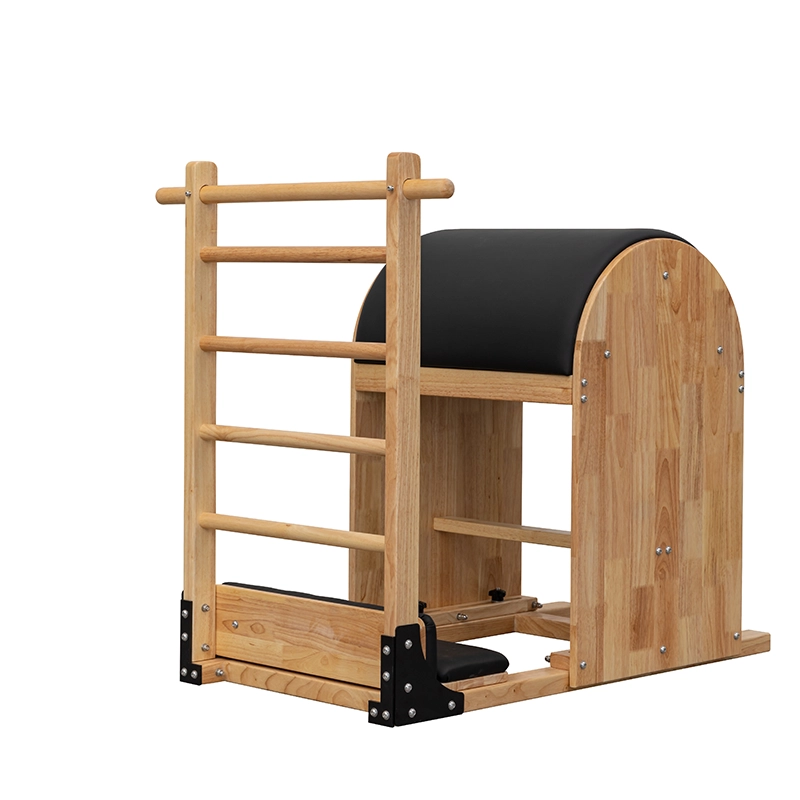
Joseph Pilates originally called his method “Contrology.” As the name implies, control is paramount. Exercises on the Reformátor, Wunda Chair, or Cadillac often involve unstable surfaces and spring loads that require micro-adjustments of the body. If you have just run 5 miles, your proprioception (your body’s ability to sense its position in space) is blunted. Fatigue masks the sensory feedback loops that tell you if your pelvis is neutral or if your shoulders are hiking.
Doing Pilates first ensures that your brain is sharp. You can execute complex choreography—like “The Snake” on the Reformer or “The Teaser” on the Mat—with perfect form. Perfect form leads to better muscle recruitment. If you are tired, your body will default to its dominant, stronger muscles (often the quads or lower back) to survive the movement, bypassing the weaker stabilizers you are actually trying to target. Therefore, to get the most “bang for your buck” in terms of strength and sculpting, fresh muscles are non-negotiable.
Maximizing the Resistance
The source text notes that you can gain more strengthening benefits from doing Pilates before running because fatigue affects your ability to handle load. This is a crucial point. To build strength (hypertrophy or raw power), you need to overload the muscle. On a Reformer, this means using heavier springs or sustaining holds for longer periods.
If you pre-exhaust your legs with a spin class, you will likely have to drop the spring weight during footwork or lunges on the Reformer. You essentially turn your Pilates session into a muscular endurance session rather than a strength session. If your goal is to change the shape of your body, strength training (Pilates) requires the highest quality energy you have available.
The “Fresh Core” Safety Net
Your core is your body’s shock absorber. When you run, your core must engage to stabilize the spine against the impact of the pavement. If you do Pilates first, you “wake up” the deep core. When you subsequently go for your run, your core is primed and active, potentially protecting your lower back from the repetitive impact forces. However, this comes with a caveat: if you completely obliterate your core in Pilates to the point of failure, your running form might suffer. The goal is activation, not total annihilation, before cardio.
3. When is the optimal time to perform cardio before Pilates?
While the “Pilates First” camp is large, there is a valid and substantial argument for the “Cardio First” approach, particularly for specific populations and psychological types.
The Warm-Up Effect
Some practitioners feel stiff and “cold” when they wake up or arrive at the studio. Pilates, while active, often starts with slow, small movements. For individuals who struggle with joint stiffness or need a high heart rate to feel “awake,” a short bout of cardio (15-20 minutes) can serve as an extended warm-up. This raises the body’s core temperature, reduces the viscosity of synovial fluid in the joints (lubricating them), and increases blood flow to the periphery. For these people, doing cardio first makes the Pilates movements feel deeper and more accessible because the tissues are more pliable.
Endurance Training Focus
If you are a triathlete, a marathon runner, or a competitive cyclist, your priority is aerobic capacity and lactate threshold. The principle of specificity dictates that you must perform your most important activity when you are freshest. If you do an intense hour of Pilates leg work, your subsequent run will be slower, your form will degrade, and you won’t hit the split times necessary to improve your racing performance.
In this scenario, Pilates becomes “accessory work.” It is there to put the pieces back together after the run, to stretch tight hip flexors, and to strengthen the neglected upper body. The goal of the Pilates session shifts from “maximal strength” to “recovery and restoration.”
Psychological Momentum
For many, cardio is the “eat your vegetables” portion of the workout—necessary but dreaded. If you hate running but love Pilates, doing the run first gets the hard part out of the way. You can use the Pilates class as a reward for finishing your cardio. This psychological structuring can improve adherence to a fitness routine. If you save the dreaded activity for last, you are more likely to skip it entirely as fatigue sets in or time runs out.
4. How does the American College of Sports Medicine (ACSM) guide our weekly structure?
Regardless of whether you stack your workouts back-to-back or separate them, the most important factor is that you are doing enough of both. The prompt references the guidelines from the American College of Sports Medicine (ACSM), which is the gold standard for health recommendations. Let’s break down how to interpret these numbers in the context of a Pilates practice.
The Aerobic Requirement
The ACSM recommends moderate-intensity aerobic physical activity for a minimum of 30 minutes on five days per week (totaling 150 minutes) or vigorous-intensity aerobic activity for a minimum of 20 minutes on three days per week (totaling 75 minutes).
- Moderate Intensity: A brisk walk, a gentle swim, or a flat bike ride where you can talk but not sing.
- Vigorous Intensity: Running, HIIT, singles tennis, or swimming laps where conversation is difficult.
Pilates, traditionally, does not count toward this aerobic quota. While a Jumpboard class on the Reformer raises the heart rate, standard Pilates is anaerobic (strength) or flexibility-focused. Therefore, you cannot rely on Pilates alone to meet these heart-health guidelines.
The Resistance Requirement
The ACSM explicitly recommends that a strength training program be performed a minimum of two non-consecutive days each week. This is where Pilates shines. A well-structured Pilates class counts as resistance training. It uses spring tension and body weight to overload the musculoskeletal system.
Putting It Together
To meet these guidelines, a balanced week might look like this:
- Monday: 45 mins Pilates (Strength) + 15 mins brisk walk (Light Cardio)
- Tuesday: 30 mins Jogging (Vigorous Cardio)
- Wednesday: 45 mins Pilates (Strength)
- Thursday: 30 mins Cycling (Vigorous Cardio)
- Friday: Rest or Yoga
- Saturday: 60 mins Hiking (Moderate Cardio)
- Sunday: Rest
This schedule hits the “2x strength” and “vigorous cardio” targets without forcing you to do two heavy workouts in a single session, often leading to better recovery.
5. Who should strictly separate cardio and Pilates sessions?
While “doubling up” (doing both in one session) is time-efficient, it is not for everyone. Who should avoid doing cardio and Pilates back-to-back? The answer lies in individual physiology and stress management.
The High-Cortisol Individual
Exercise is a stressor. While it is “good” stress (eustress), it still triggers the release of cortisol. Prolonged workouts (lasting over 90 minutes) can lead to a sustained spike in cortisol, which can be counterproductive for people who are already stressed, suffering from adrenal fatigue, or dealing with hormonal imbalances. For these individuals, doing 45 minutes of cardio followed immediately by 45 minutes of intense Pilates might be too much systemic stress. Splitting these into morning and evening sessions, or different days, allows cortisol levels to return to baseline in between.
The Rehabilitation Patient
If you are doing Pilates to rehab an injury (e.g., a herniated disc, ACL tear, or rotator cuff repair), you should ideally do Pilates in isolation. You need 100% of your neural energy focused on the injured area. Fatigue from cardio increases the risk of “cheating” the movement pattern, which could re-aggravate the injury.
The Beginner
For someone new to fitness, the neuromuscular demand of Pilates is exhausting on its own. The brain is working overtime to learn new patterns. Adding cardio to this can lead to “central fatigue,” where the central nervous system simply cannot drive the muscles effectively anymore. Beginners often benefit from keeping sessions shorter and more focused until their conditioning improves.
6. Which types of cardio pair best with specific Pilates apparatus?
Not all cardio is created equal, and not all Pilates is the same. Which combinations work best? This depends on the complementary nature of the movements.
Reformer Pilates + Running
This is a classic combination. Running is high-impact and sagittal (moving forward). Reformer Pilates is low-impact and multi-planar (twisting, side-bending).
- Recommendation: Pilates before a short run to activate glutes. Pilates after a long run to stretch hip flexors.
Mat Pilates + Swimming
Swimming is upper-body dominant and non-weight bearing. Mat Pilates is often core and anterior-chain focused.
- Recommendation: Swim first. Swimming loosens the joints without the compressive impact of running, making it a great warm-up for the deep flexion and extension of mat work. The core activation in Pilates can be harder to access if the lats are exhausted, but the buoyancy of water mitigates injury risk.
Chair Pilates + Cycling/Spinning
Cycling puts the body in a hunched, flexed position (kyphosis) and heavily works the quads. The Wunda Chair is excellent for opening the chest (extension) and working the posterior chain (hamstrings/glutes).
- Recommendation: Pilates after cycling. Use the Pilates session to “undo” the posture of the bike—opening the chest and lengthening the hip flexors that have been shortened during the ride.
7. How do fat loss goals influence the sequencing decision?
The “fat burning zone” is a concept that often confuses the sequencing debate. How should you order your workout if your primary goal is shedding body fat?
The Glycogen Depletion Theory
There is a theory that if you do resistance training (Pilates) first, you deplete your glycogen (carbohydrate) stores. Then, when you move to cardio, your body is forced to switch to fat oxidation (burning fat for fuel) sooner than it would have otherwise. While strictly physiologically true, the real-world difference in calorie burn is often negligible for the average person.
The EPOC Factor
A more significant factor is EPOC (Excess Post-exercise Oxygen Consumption), or the “afterburn.” High-intensity resistance training creates a higher EPOC than steady-state cardio. If you push hard in your Pilates class (heavy springs, jumpboard, minimal rest), you create a metabolic disturbance that burns calories for hours after. If you do cardio first and fatigue yourself, you might not be able to push hard enough in Pilates to trigger this effect.
Therefore, for weight loss, the recommendation leans slightly toward Pilates First (or High-Intensity Pilates), followed by steady-state cardio. This maximizes the muscle-building potential (and muscle burns more calories at rest than fat) and allows for a “fat burning” cool-down via cardio.
Quick Decision Matrix
Struggling to decide? Use this matrix to find your ideal workout structure.
| Your Primary Goal | Recommended Order | Why? |
|---|---|---|
| General Toning & Strength | Pilates First | Prioritizes fresh muscles for maximum load and form. |
| Marathon/Triathlon Training | Cardio First | Ensures specific endurance adaptation is not compromised by fatigue. |
| Injury Rehab | Pilates Only (or First) | Mental focus must be 100% on the injured area; fatigue risks re-injury. |
| Weight Loss | Pilates First | Maximizes EPOC (afterburn) and muscle building; uses cardio to burn fat stores. |
| Stiff Joints / Morning Stiffness | Cardio First (Light) | Acts as a dynamic warm-up to increase range of motion. |
| Mental Stress Relief | Cardio First | “Burn off” the adrenaline with cardio, then “center” the mind with Pilates. |
Sample Weekly Workout Plans
Here are three ways to structure your week based on different lifestyles.
The “Time-Crunched” Executive (Same Day Sessions)
- Mon: 40 min Reformer Pilates + 20 min HIIT Run (Immediate transition)
- Tue: Rest
- Wed: 40 min Mat Pilates + 20 min Stair Climber
- Thu: Rest
- Fri: 30 min Strength Pilates + 30 min Spin Class
- Sat: 60 min Active Walk/Hike
- Sun: Rest
The “Performance” Runner (Separate Focus)
- Mon: 5 Mile Run (AM)
- Tue: 50 min Pilates (PM) – Focus on core/stretching
- Wed: Interval Running (AM)
- Thu: 50 min Pilates (PM) – Focus on leg strength
- Fri: Rest
- Sat: Long Run (10+ Miles)
- Sun: Rest or Gentle Yoga
The “Wellness” Seeker (Balanced Approach)
- Mon: Pilates (Strength focus)
- Tue: 30 min Swim + Sauna
- Wed: Pilates (Mobility focus)
- Thu: 45 min Brisk Walk
- Fri: Pilates (Jumpboard/Cardio hybrid)
- Sat: Fun Activity (Tennis, Dancing, Hiking)
- Sun: Rest
Frequently Asked Questions (FAQs)
1. Does Pilates ever count as cardio?
Generally, traditional Pilates is not considered aerobic cardiovascular exercise because it does not sustain a clear elevation of the heart rate into the aerobic zone (60-80% of max heart rate) for extended periods. It is primarily strength and flexibility training. However, certain styles of Pilates, such as “Cardio Pilates,” “Jumpboard” classes on the Reformer, or advanced flow classes with minimal rest periods, can elevate the heart rate significantly. While these provide some cardiovascular benefits, they are usually interval-based (anaerobic) rather than steady-state aerobic. For optimal heart health, it is best to supplement Pilates with dedicated cardio activities like walking, running, or swimming.
2. Can I do HIIT (High Intensity Interval Training) and Pilates on the same day?
Yes, but be cautious. This is a very demanding combination. HIIT places a massive tax on the central nervous system, and Pilates requires high neural drive for balance and precision. If you combine them, it is generally safer to do the Pilates session first to ensure your stabilizers are working correctly before you subject your body to the high-impact forces of HIIT. Alternatively, separate them by at least 6 hours (e.g., HIIT in the morning, Pilates in the evening) to allow for neural recovery and glycogen replenishment.
3. Will doing cardio after Pilates “undo” my muscle toning?
No, this is a fitness myth. Doing cardio after strength training (Pilates) will not “eat away” your muscle gains, provided you are fueling your body correctly. In fact, low-impact cardio after Pilates can help flush out metabolic waste products (like lactate) and aid in recovery. The only risk to muscle gain is if you are doing excessive amounts of cardio (e.g., running 10+ miles) immediately after Pilates without consuming protein and carbohydrates, which could place the body in a catabolic (muscle-breaking) state. For the average person doing 20-40 minutes of cardio, it will only enhance your leanness, revealing the muscle tone you built during Pilates.
Conclusion
So, should you do cardio before or after Pilates? The verdict is that while there is no universal law, the “Pilates First” approach offers the most benefits for the average person seeking strength, definition, and injury prevention. Prioritizing Pilates allows you to utilize your peak mental focus and glycogen stores to execute precise movements, thereby maximizing the sculpting benefits of the method. It primes the core, corrects posture, and ensures that the stabilizing muscles are active before you subject the body to the repetitive impact of endurance training.
However, “Cardio First” remains a valid tool for those who need a thorough warm-up to mobilize stiff joints or for endurance athletes whose primary goal is aerobic performance. The beauty of fitness is its adaptability. You might find that a hybrid approach—Pilates first on leg day, Cardio first on upper body day—works best for your schedule. As the ACSM suggests, the most critical metric is not the order of operations, but the consistency of participation. Whether you run to the studio or run after you leave, the fact that you are moving your body in multiple modalities is the ultimate victory. Try both sequences, listen to your body’s feedback, and choose the one that leaves you feeling energized, strong, and ready to tackle your next workout.
 English (United States)
  English (Canada)
  English (Australia)
  English (New Zealand)
  English (UK)
  Arabic
  Bulgarian
  Czech
Czech  Danish
  Greek
Greek  Spanish
  Ukrainian
  Turkish
  Thai
Thai  Swedish
  Serbian
  Slovenian
  Slovak
  Russian
  Romanian
  Portuguese (Portugal)
  Portuguese (Brazil)
  Norwegian
  Dutch
Dutch  Estonian
  Finnish
  French
  Hindi
Hindi  Croatian
  Indonesian
  Icelandic
  Italian
  Japanese
  Georgian
  German
  Lithuanian
  Polish
  Korean
  Uzbek
Uzbek  Hungarian
  Malay
Malay