
1. How much does it cost to open a Pilates studio in today’s market?
Establishing a Pilates studio requires a financial commitment that typically ranges from $50,000 to over $500,000, depending on the scale, location, and business model you choose. If your vision involves a high-end, large-scale facility spanning over 150 square meters with dozens of premium reformers and a prime retail location, you should prepare for the higher end of that spectrum. Conversely, a more intimate, boutique “micro-studio” of 40 square meters or less with minimal equipment can be launched for approximately $50,000 or even slightly lower. This initial investment covers everything from your physical lease and interior construction to high-quality equipment, professional branding, and the necessary working capital to keep the doors open during the first few months of operation.
2. What are the primary expenses involved in launching a Pilates business?
| Kategorija | Estimated Cost Range | Detalji |
|---|---|---|
| Facility & Lease | $15,000 – $100,000 | Deposits, first month’s rent, and utility bonds. |
| Construction & Fit-out | $20,000 – $250,000 | Flooring, lighting, mirrors, changing rooms, and HVAC. |
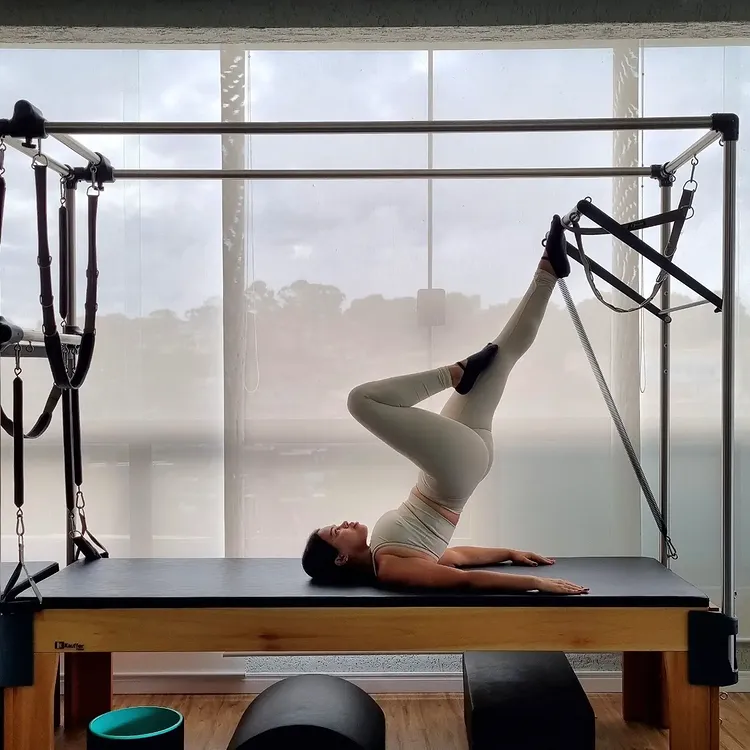
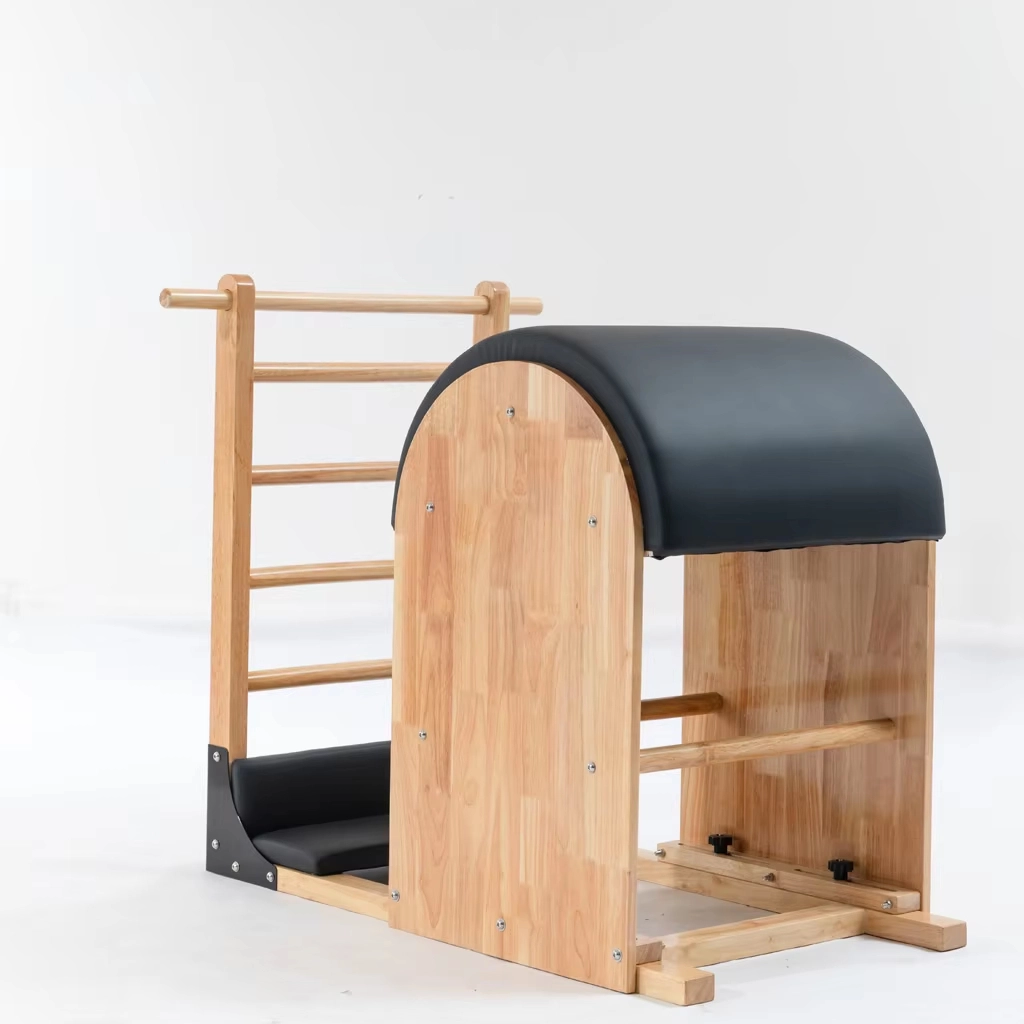
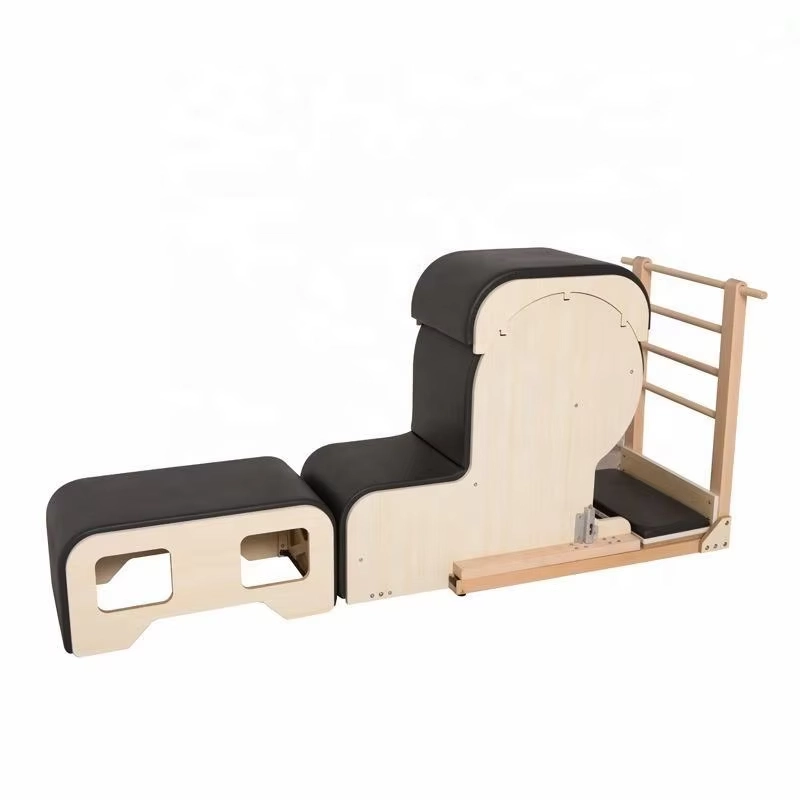
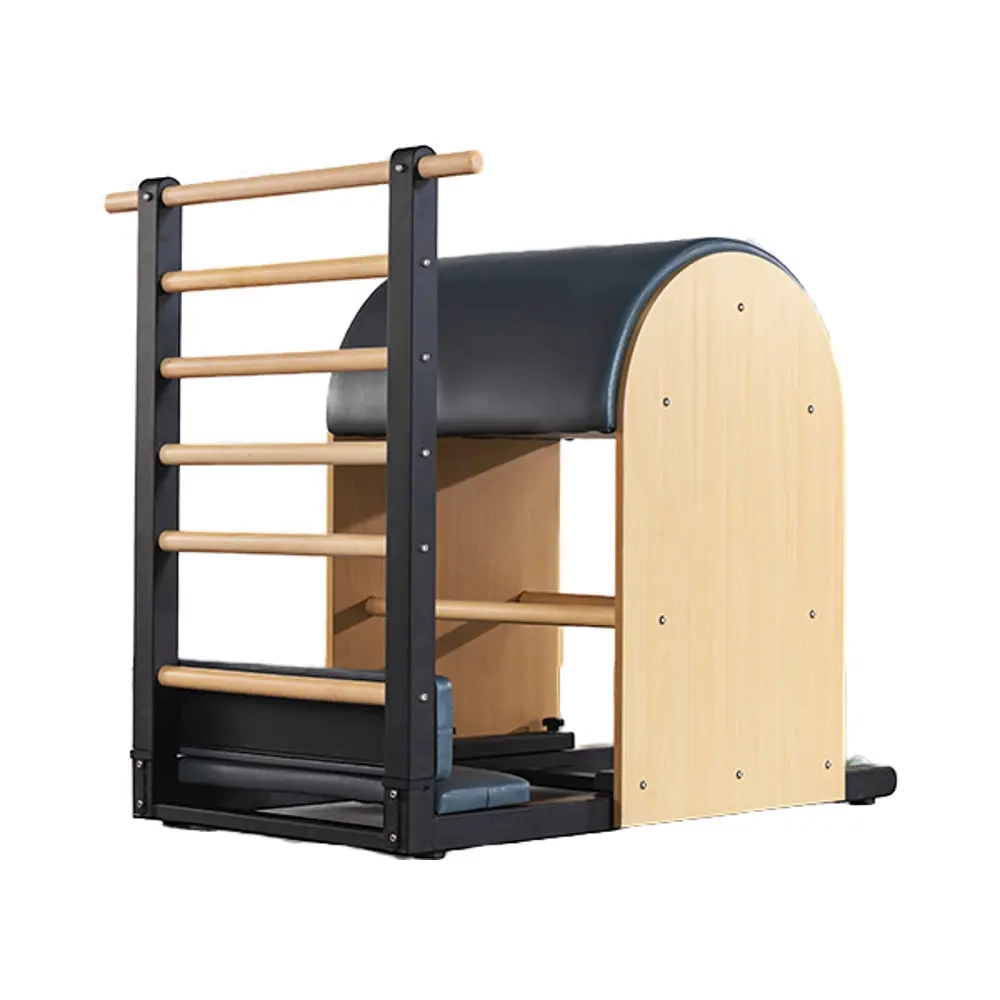
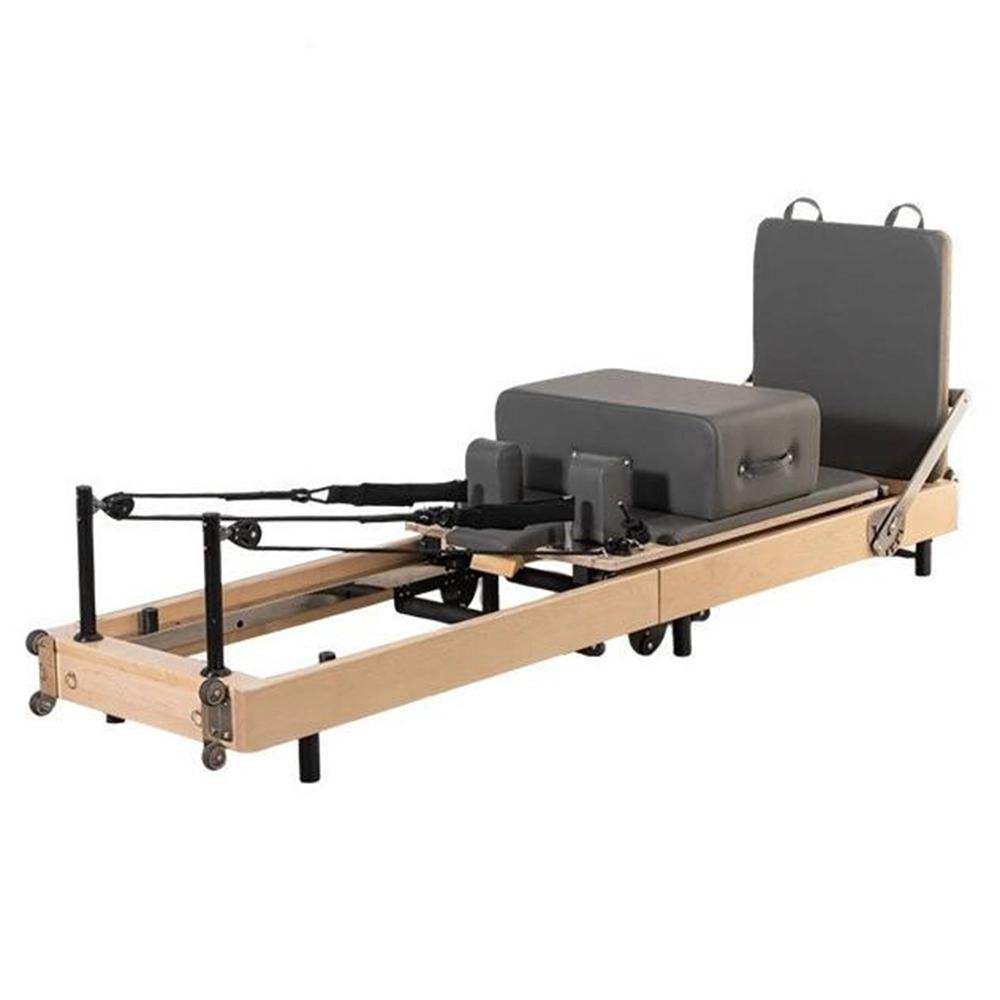
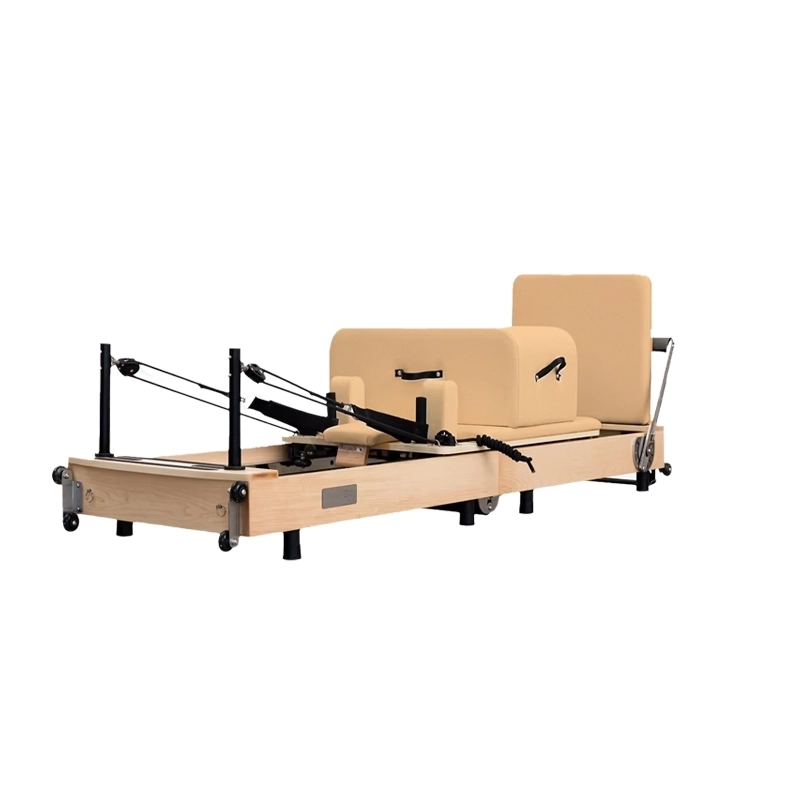
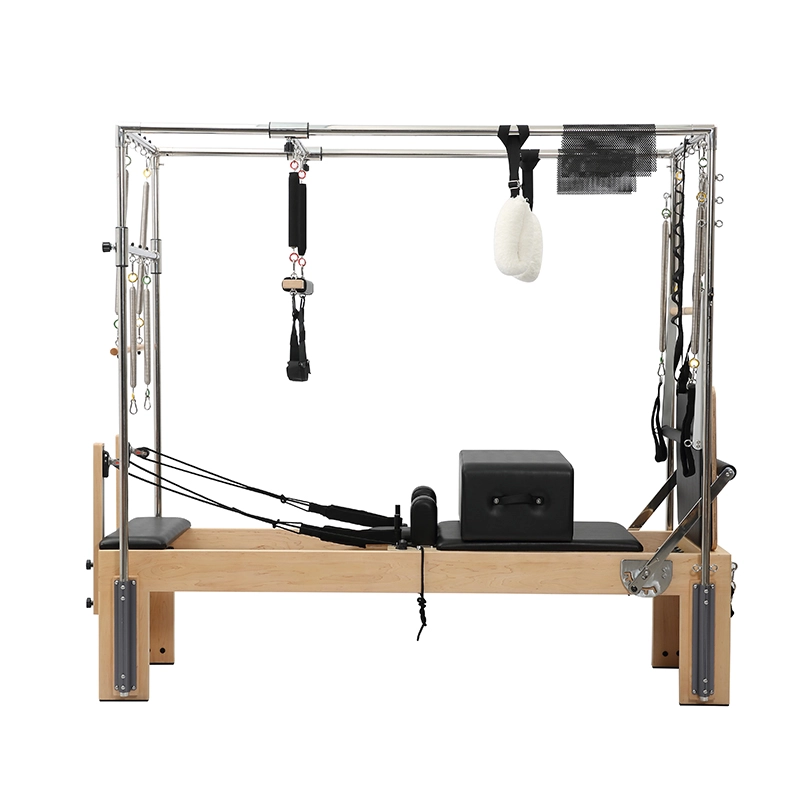
| Pilates Equipment | $10,000 – $120,000 | Reformers, Cadillacs, Wunda Chairs, and small props. |
| Professional Fees | $5,000 – $20,000 | Legal, accounting, and town planning permits. |
| Branding & Marketing | $5,000 – $30,000 | Website, signage, and pre-launch digital ads. |
| Working Capital | $10,000 – $50,000 | Buffer for wages and utilities for the first 3-6 months. |
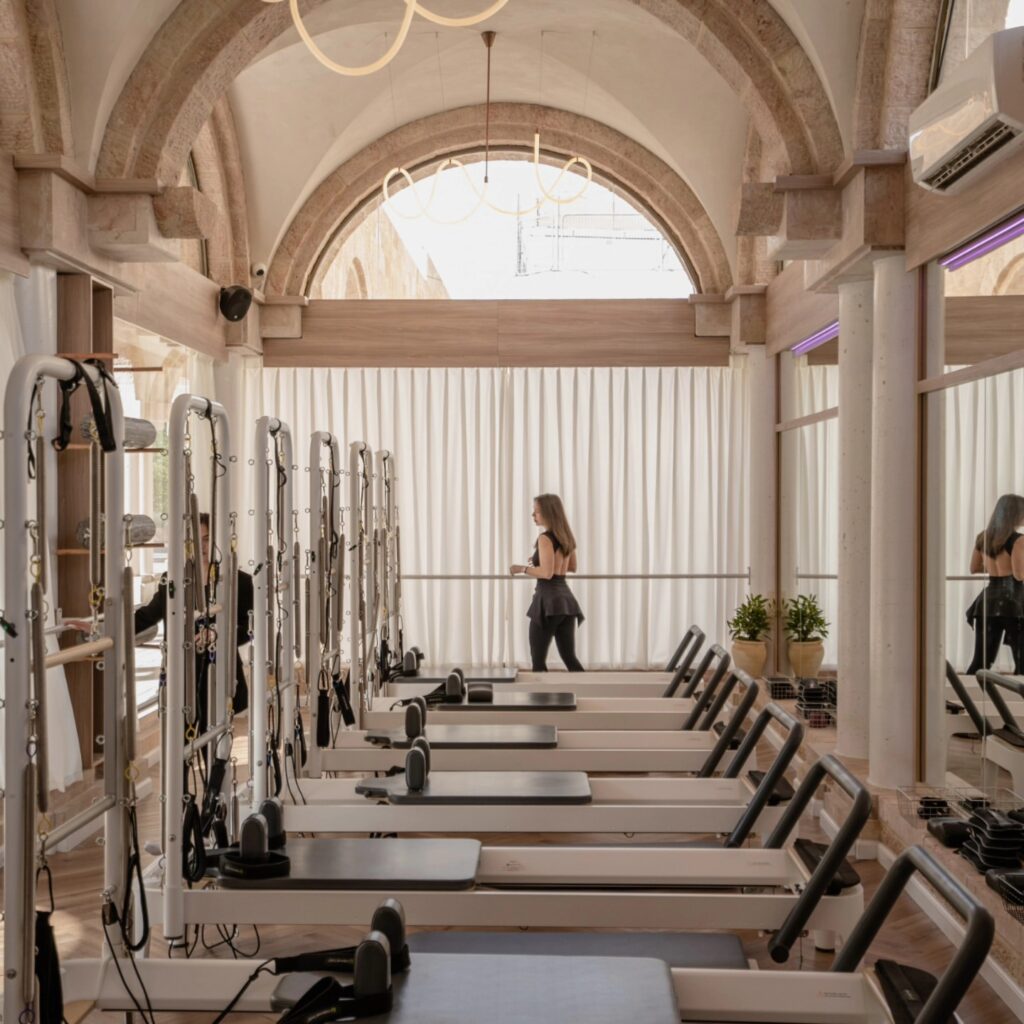
Understanding the breakdown of these costs is vital for any entrepreneur. The “fit-out” is often the most volatile variable. Converting a shell of a building into a serene, inviting sanctuary requires architectural blueprints, specialized flooring (often sprung wood or high-density foam), and a sophisticated climate control system to ensure client comfort during intense sessions.
Furthermore, the equipment is the heartbeat of your studio. While you can find budget reformers, high-traffic commercial studios require durable, professional-grade machinery—often made from hand-finished wood or high-tensile aluminum—which carries a significant price tag but ensures longevity and safety.
3. Why should entrepreneurs choose between an independent or a franchise model?
When navigating the financial landscape of the fitness industry, you face a pivotal fork in the road: do you build a brand from scratch or invest in a proven franchise?
The Independent Path:
Going independent offers total creative freedom. You own every decision, from the wall color to the specific curriculum taught. However, this path is riddled with “hidden costs.” You must spend hundreds of hours researching suppliers, vetting contractors, and designing operational manuals. Every mistake you make—whether it’s an ineffective marketing campaign or a poorly negotiated lease—comes directly out of your pocket.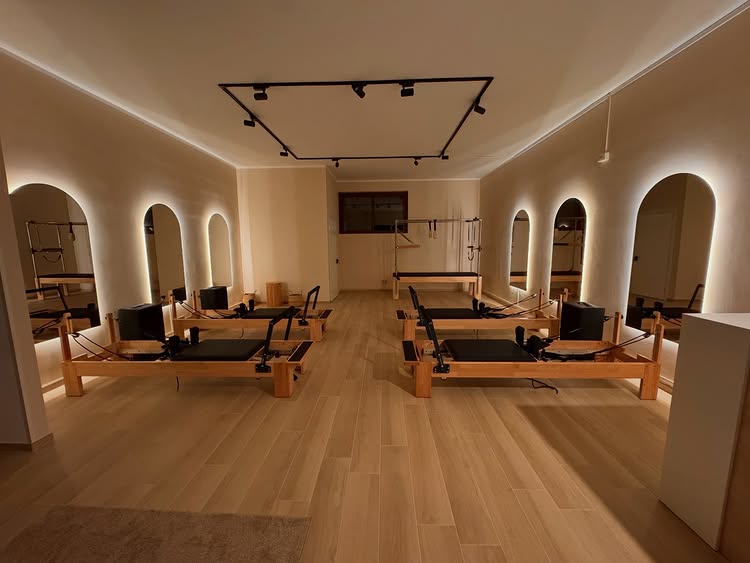
The Franchise Advantage:
Opting for a franchise, such as a Studio Pilates model, essentially buys you a “business in a box.” While there is an initial franchise fee, it often pays for itself by preventing expensive rookie errors. You gain access to:
- Proven Systems: No need to guess which software works or how to track memberships.
- Bulk Purchasing Power: Franchisors often have negotiated discounts with equipment manufacturers.
- Brand Authority: You benefit from immediate trust in the marketplace, which can drastically reduce your “customer acquisition cost.”
- Site Selection Expertise: Using data-driven analytics to find the perfect demographic, ensuring you don’t open in a “dead zone.”
4. Where does the budget go when designing the ultimate studio experience?
The physical environment of your Pilates studio is your greatest marketing tool. Clients don’t just pay for the exercise; they pay for the atmosphere. This is where “Where” becomes a financial question.
- The “Vibe” Construction: Achieving a “Zen” aesthetic involves more than just white paint. It includes acoustic treatment (so the music doesn’t echo), high-end mirrors for form correction, and custom cabinetry for prop storage.
- Technological Infrastructure: You need a robust Point of Sale (POS) system, a seamless booking app, and high-speed internet for your computers and sound systems.
- The Entryway: First impressions are formed in the reception area. The cost of a professional reception desk, retail shelving for branded apparel, and comfortable seating can add several thousand dollars to your initial layout.
5. Who are the essential people you need to hire and pay for during the startup phase?
Human capital is frequently underestimated in the “cost to open” equation. You are not just paying for instructors; you are paying for the expertise that ensures your business is legal and functional.
- Legal and Accounting Professionals: You need experts to review your commercial lease (which can be 50+ pages of legal jargon) and set up your corporate structure to minimize tax liabilities.
- Specialized Contractors: Plumbers, electricians, and town planners are necessary to ensure your space meets local safety codes and zoning laws.
- The Teaching Team: Even before you open, you will incur costs for staff recruitment and intensive training. If you are running a specialized Pilates method, your instructors may need weeks of paid onboarding to ensure consistency in the “customer journey.”
- The Owner’s Time: Perhaps the biggest “Who” cost is your own. If you are spending 60 hours a week on the build-out, that is time you aren’t spending on revenue-generating activities.
6. When is the right time to allocate funds for marketing and pre-launch?
The most successful studios are those that have a waitlist before the front door even opens. This requires a “When” strategy for your capital:
- 3 Months Out: Finalize your branding, photography, and website. High-quality visuals of your specific studio (or 3D renders) are essential for social media.
- 2 Months Out: Start your “Founder’s Member” campaign. This involves spending money on digital ads (Facebook, Instagram, Google) to capture leads.
- 1 Month Out: Direct mailers, local community partnerships, and “sneak peek” events.
- Post-Launch: You must have “Working Capital” set aside. Most studios do not break even in month one. Having 3 to 6 months of operating expenses (rent, utilities, and wages) in the bank is the difference between a studio that thrives and one that closes within a year.
Additional Feature: The “Startup Essentials” Checklist
Before you sign a lease or buy a single reformer, ensure you have accounted for these often-overlooked items:
- ☐ Utility Deposits: Electricity, water, and high-speed internet often require upfront bonds.
- ☐ Insurance: General liability, professional indemnity, and property insurance.
- ☐ Signage: Both external (to attract street traffic) and internal branding.
- ☐ Uniforms: High-quality athletic wear for your staff to maintain a professional look.
- ☐ Office Supplies: Everything from printers and ink to basic cleaning supplies and first aid kits.
- ☐ Printing: Brochures, price lists, and “Grand Opening” flyers.
Često postavljana pitanja (FAQs)
Q: Can I save money by buying used equipment?
A: While tempting, proceed with caution. Used reformers may have worn-out springs, frayed ropes, or structural fatigue. In a professional setting, safety is paramount. If you do buy used, factor in the cost of a professional technician to refurbish the units.
Q: Is it cheaper to open a mat-based Pilates studio instead of a reformer studio?
A: Significantly. A mat studio eliminates the massive overhead of $5,000+ reformers. However, the “per-class” price you can charge for mat Pilates is usually lower, meaning you may need much higher volume to achieve the same profit margins.
Q: How much should I set aside for “surprises”?
A: A standard rule of thumb is a 10-15% “contingency fund.” Construction delays, permit hold-ups, or unexpected plumbing issues are common in commercial real estate. Having this buffer prevents the project from stalling.
Final Thoughts on Your Pilates Journey
Venturing into the world of Pilates studio ownership is an exhilarating path that combines a passion for wellness with the discipline of entrepreneurship. While the initial investment—ranging from a modest $50,000 to a premium $500,000—may seem daunting, it is important to view these figures as the foundation for a scalable, rewarding career.
By meticulously planning your fit-out, investing in top-tier equipment, and deciding whether the autonomy of an independent studio or the security of a franchise model fits your personality, you can build a business that changes lives. Remember, the most successful studios aren’t just built on floorboards and springs; they are built on a solid financial plan and a commitment to providing an unparalleled member experience. Whether you start small or aim for a luxury flagship, the growth of the Pilates industry suggests that for those who do it right, the return on investment is well worth the effort.

 English (United States)
  English (Canada)
  English (Australia)
  English (New Zealand)
  English (UK)
  Arabic
  Bulgarian
  Czech
Czech  Danish
  Greek
Greek  Spanish
  Ukrainian
  Turkish
  Thai
Thai  Swedish
  Serbian
  Slovenian
  Slovak
  Russian
  Romanian
  Portuguese (Portugal)
  Portuguese (Brazil)
  Dutch
Dutch  Estonian
  Finnish
  French
  Hindi
Hindi  Croatian
  Indonesian
  Icelandic
  Italian
  Japanese
  Georgian
  German
  Lithuanian
  Polish
  Korean
  Uzbek
Uzbek  Hungarian
  Malay
Malay