
Reformer Pilates is an exceptionally effective tool for weight loss, though it achieves results through a different physiological pathway than traditional cardiovascular exercise. While a standard session burns a moderate amount of calories—typically between 200 and 450 depending on intensity—its true power for weight management lies in its ability to alter body composition. By utilizing spring-loaded resistance to build lean muscle mass, Reformer Pilates increases your Basal Metabolic Rate (BMR), meaning you burn more calories at rest. Furthermore, it reduces cortisol (stress hormone) levels which are linked to belly fat storage, and corrects postural imbalances that can hinder physical activity. When combined with a balanced diet, Reformer Pilates offers a sustainable, low-impact route to a leaner, stronger, and more sculpted physique.
1. What Is the Mechanism Behind the Reformer That Aids in Shedding Pounds?
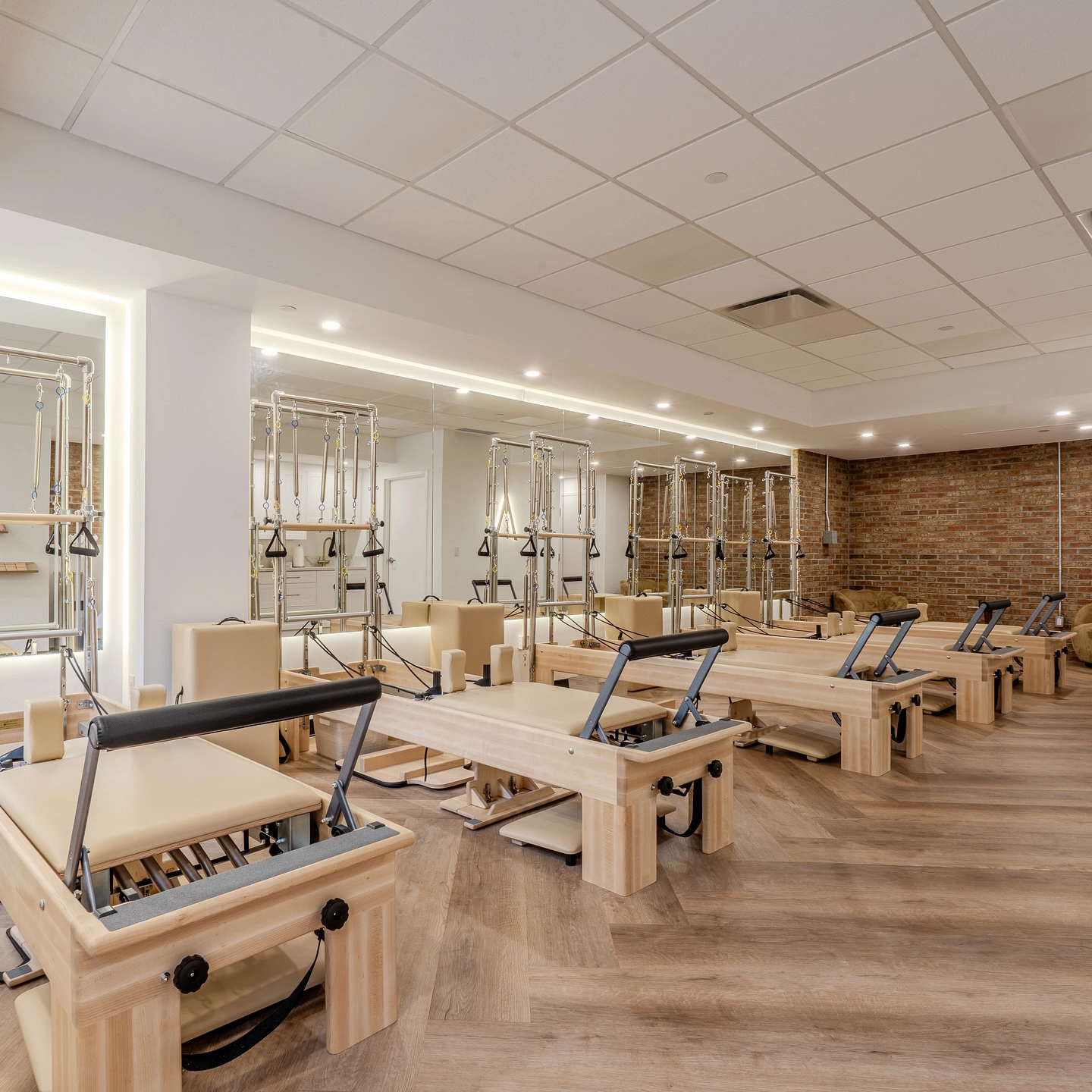
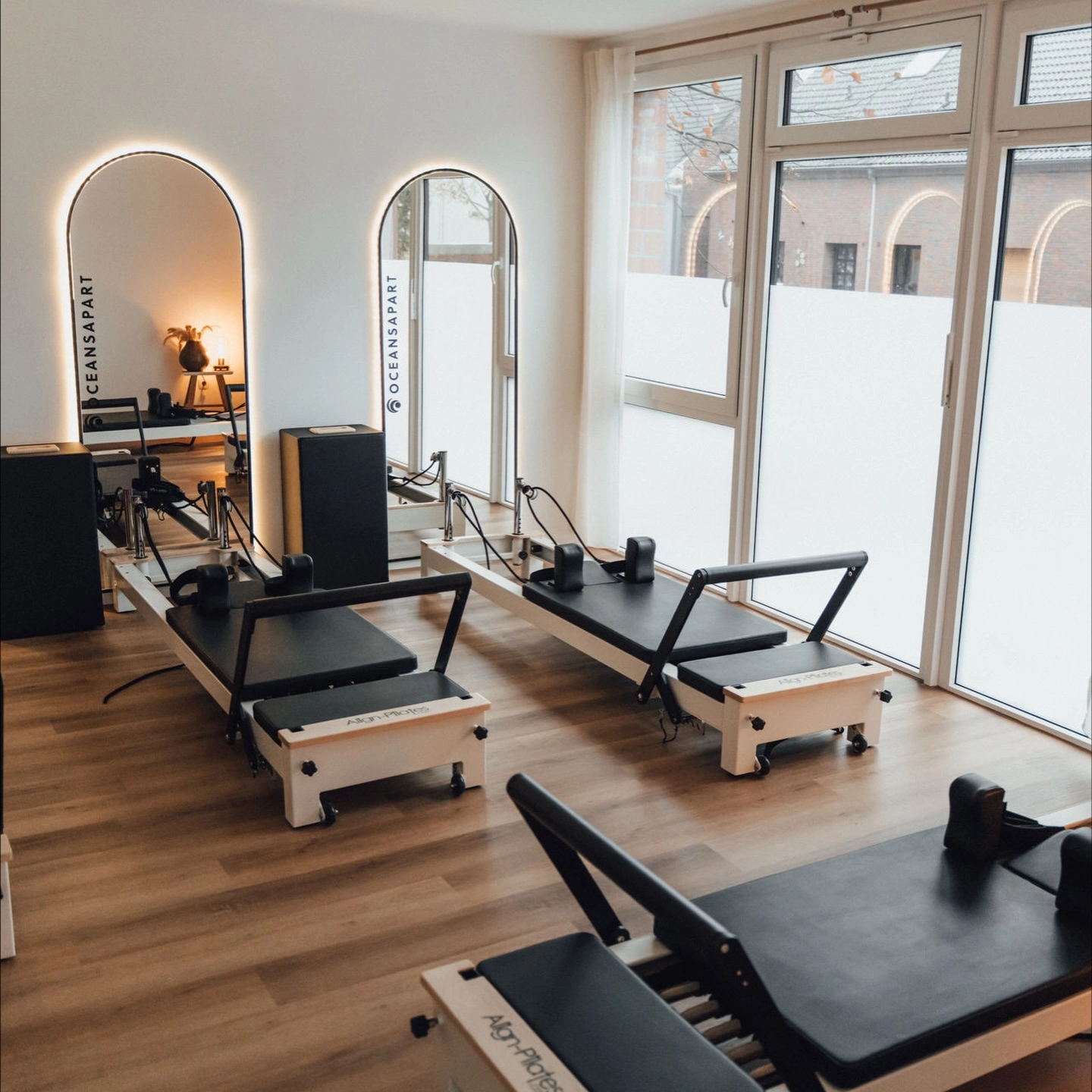
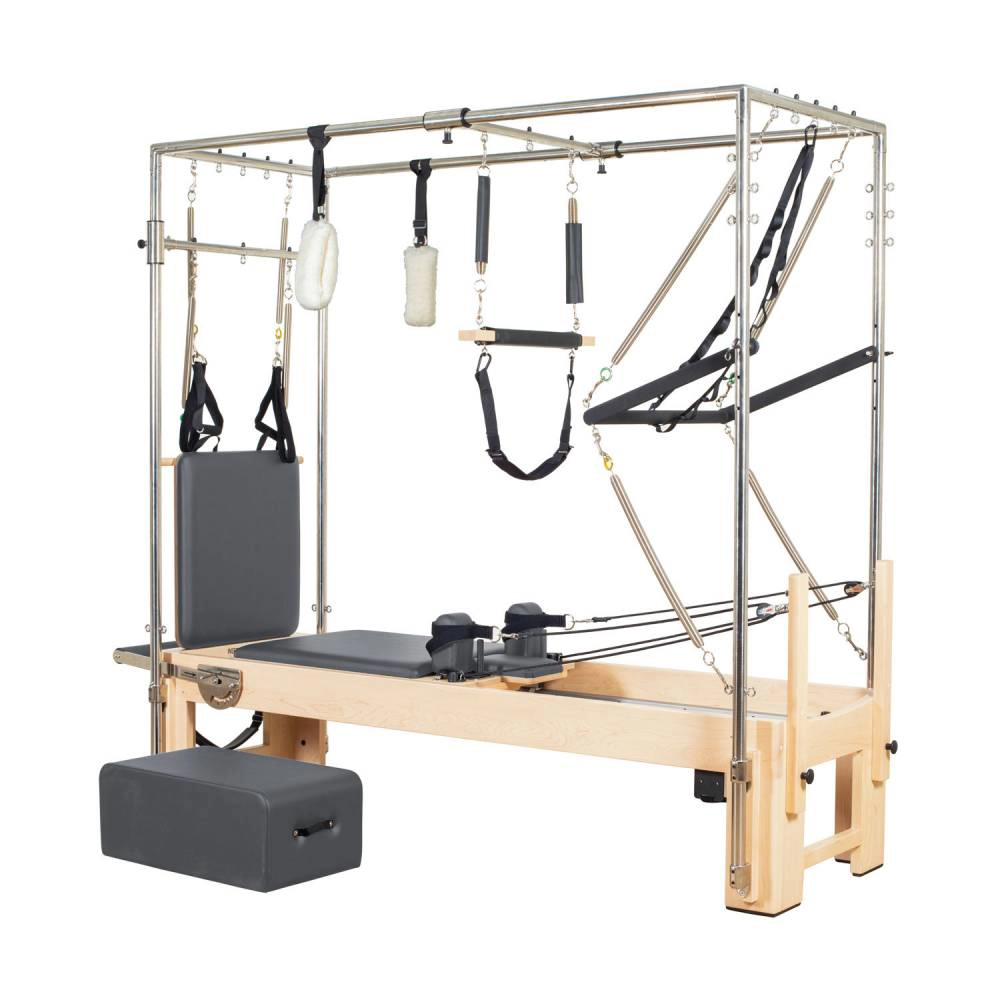
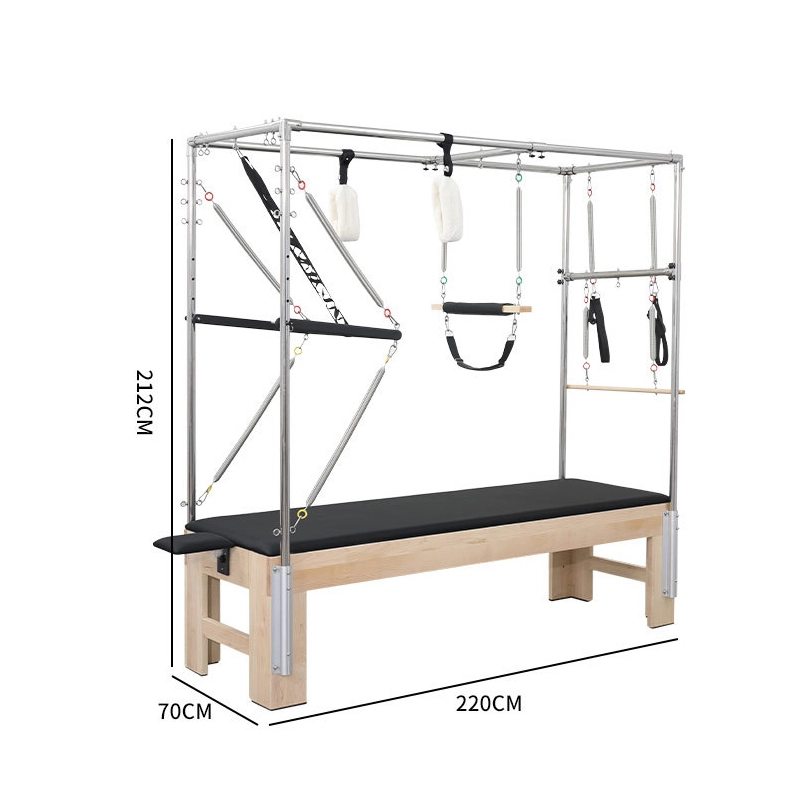
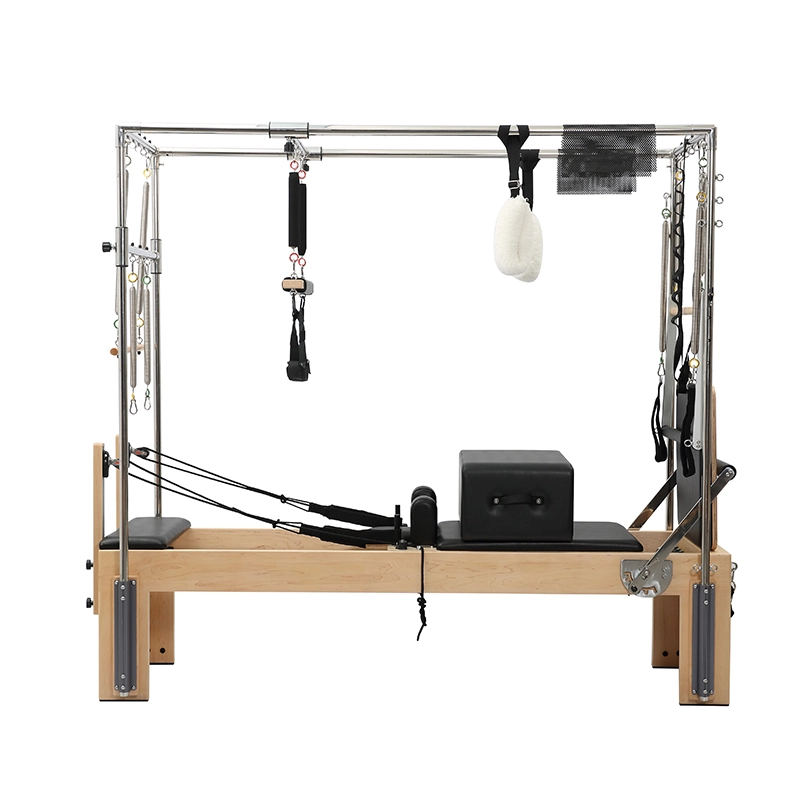
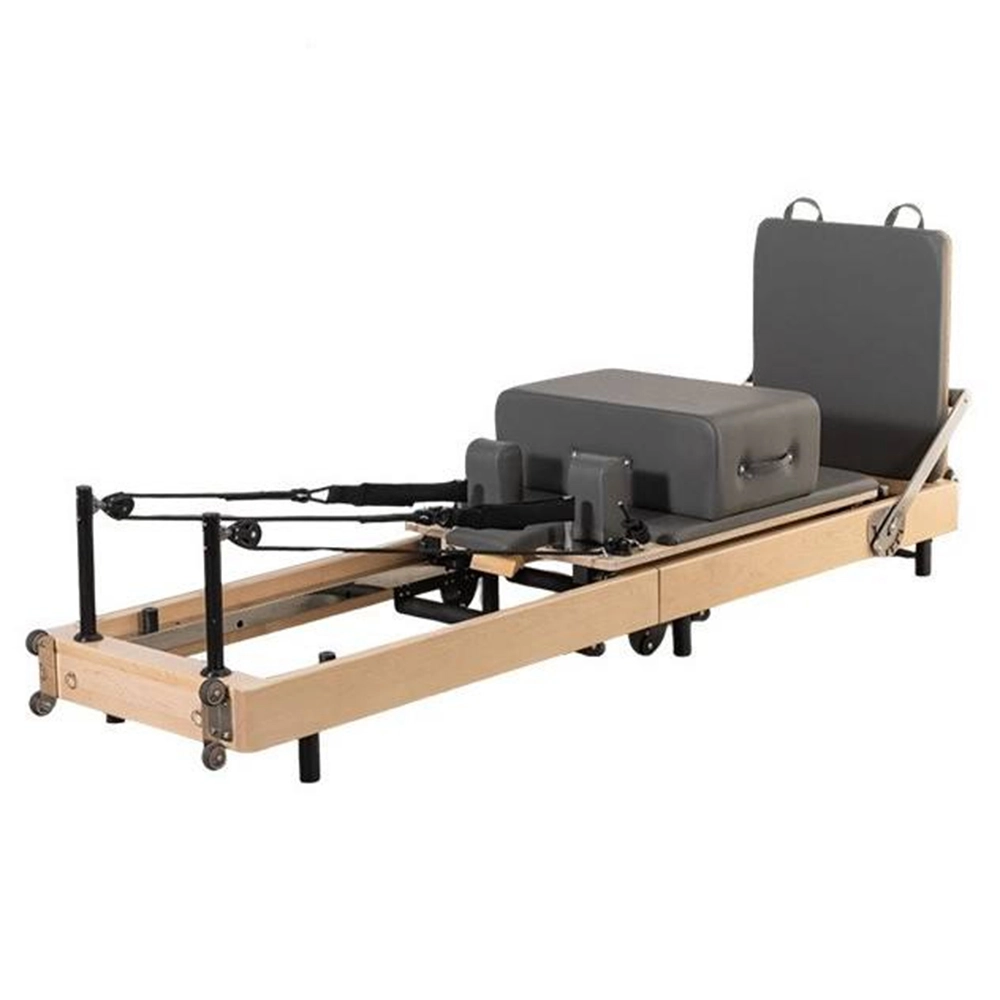
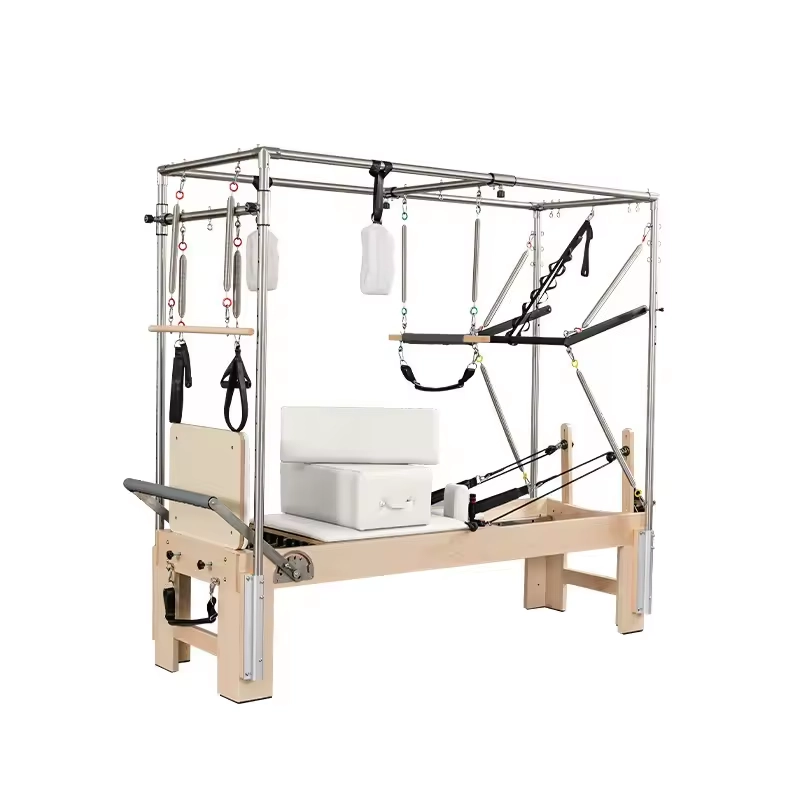
To understand why Reformer Pilates is effective for weight loss, we must first demystify the machine itself. For the uninitiated, the Reformer can look like a medieval torture device, a complex apparatus of springs, straps, pulleys, and a sliding carriage. However, this intimidating appearance hides one of the most sophisticated pieces of exercise engineering ever created.
In a modern fitness landscape saturated with high-intensity interval training (HIIT) boot camps, heavy weightlifting protocols, and endless cardio variations, finding the right path to weight loss can be daunting. Many individuals seeking a leaner physique are turning away from high-impact jarring movements and looking toward more sustainable, functional methods. Reformer Pilates has emerged as a frontrunner in this shift. But the lingering question for many remains: Does this practice actually help you burn fat and drop dress sizes, or is it merely for stretching? Let’s delve deep into the mechanics of the Reformer, the physiology of muscle growth, and how this unique exercise system can be the key to achieving your dream body weight.
The Science of Spring Resistance
Unlike dumbbells or weight machines at the gym, which rely on dead weight and gravity, the सुधारक uses springs. This distinction is crucial for weight loss and muscle toning. Springs provide what is known as progressive variable resistance. As you extend a spring, the tension increases, forcing the muscle to work harder at the peak of the movement. Conversely, as you return the carriage to the “home” position, the spring wants to snap back. You must control this return phase (the eccentric contraction) to prevent the carriage from crashing.
Research indicates that eccentric muscle contractions—lengthening the muscle under tension—are potent stimuli for muscle hypertrophy (growth) and strength. By building lean muscle tissue through this unique resistance, you are essentially upgrading your body’s engine. Muscle tissue is metabolically expensive; it requires significant energy (calories) just to exist. Therefore, the more lean muscle you build on the Reformer, the more efficient your body becomes at burning fat, even when you are sleeping.
The Sliding Carriage and Stability
The Reformer consists of a carriage that rolls on wheels within a frame. Because the surface you are standing, sitting, or lying on is unstable, your body must constantly recruit stabilizer muscles to maintain balance. This means that even when you are performing an exercise targeting your arms, your core, glutes, and deep spinal muscles are firing to keep you steady.
This phenomenon is known as full-body integration. You are rarely isolating a single muscle group in Pilates. This simultaneous recruitment of multiple muscle groups increases the energy demand of the workout. You aren’t just working your biceps; you are working your entire kinetic chain, which leads to a higher overall caloric expenditure compared to isolation exercises.
2. How Does Reformer Pilates Transform Body Composition vs. Simple Weight Loss?
There is a significant difference between “losing weight” and “changing body composition.” If your goal is simply to see the number on the scale drop, you could achieve that by dehydrating yourself or losing muscle mass through excessive cardio and starvation. However, that is not the healthy or aesthetic goal most people desire. Most people want to lose fat and keep (or build) muscle to look toned and fit.
The Role of Hypertrophy and Toning
Reformer Pilates excels at body recomposition. Because the resistance is adjustable and can be quite heavy, it provides enough stimulus to build muscle fiber. However, because the movements are often performed with high repetitions and emphasize lengthening, the result is typically the long, lean aesthetic often associated with dancers, rather than the bulk associated with heavy weightlifting.
As you reduce your body fat percentage through a caloric deficit (diet) and increased activity, the muscle you have built on the Reformer becomes visible. This is often why people who practice Pilates look like they have lost more weight than the scale indicates. Muscle is denser than fat; it takes up less space in the body. You might lose two dress sizes while only losing a few pounds on the scale because you have replaced fluffy, voluminous fat with dense, compact muscle.
Targeting the “Powerhouse”
Joseph Pilates referred to the center of the body—the abdominals, lower back, hips, and glutes—as the “Powerhouse.” Reformer Pilates is relentless in its focus on this area. By strengthening the Transversus Abdominis (the deepest layer of abs that acts like a corset), you physically pull your waistline in. This creates a flatter stomach and a narrower waist, which visually contributes to a “weight loss” appearance, often faster than fat loss alone would provide.
3. Why Is the Low-Impact Nature of Pilates a Secret Weapon for Long-Term Weight Management?
One of the most common reasons people fail in their weight loss journeys is injury or burnout. High-Intensity Interval Training (HIIT) and running are excellent for burning calories, but they place massive impact forces on the joints (knees, hips, ankles) and spike cortisol levels.
Consistency Over Intensity
The best exercise for weight loss is the one you can do consistently for the rest of your life. If you injure your knee running, you might be sedentary for three months, leading to weight regain. Reformer Pilates is low-impact. The carriage supports your body weight, and the springs allow you to exercise in a horizontal plane, removing gravitational compression from the spine and joints.
This means you can practice Reformer Pilates 4, 5, or even 6 times a week without the risk of orthopedic injury associated with high-impact sports. This consistency allows for a steady, sustainable caloric burn week after week, month after month. It is the tortoise vs. the hare; the consistent, injury-free Pilates practitioner often outperforms the sporadic, injury-prone runner in the long run.
Cortisol and Belly Fat
Chronic stress leads to elevated levels of cortisol, a hormone that signals the body to store fat, specifically in the abdominal region (visceral fat). High-intensity exercise, while beneficial, is a physical stressor that can temporarily spike cortisol. If a person is already stressed (work, lack of sleep), adding high-impact cardio can sometimes backfire, leading to stubborn belly fat retention.
Reformer Pilates helps to down-regulate the nervous system. Through focused breathing and mindful movement, it shifts the body from a sympathetic state (“fight or flight”) to a parasympathetic state (“rest and digest”). By lowering stress levels, you lower cortisol, creating a hormonal environment where your body feels safe enough to let go of stored fat.
4. Who Can Benefit from the Metabolic and Physical Shifts of Reformer Pilates?
A common misconception is that Reformer Pilates is only for young, flexible dancers or affluent celebrities. This could not be further from the truth. The Reformer is perhaps the most inclusive piece of fitness equipment available, making it suitable for a vast demographic looking to manage their weight.
The Beginner and the Deconditioned
Is Reformer Pilates hard? It can be challenging, but it is infinitely scalable. For someone who is significantly overweight or deconditioned, getting down on the floor for a mat workout can be difficult and discouraging. The सुधारक is elevated, making it easier to get on and off. The springs can be adjusted to provide assistance (making moves easier) or resistance (making moves harder).
For beginners, the Reformer acts as a partner. It guides your range of motion and supports your limbs. This allows someone with very low fitness levels to perform squats, lunges, and abdominal work with perfect form, preventing injury and building confidence. As confidence grows, so does adherence to the fitness routine, which is the key to weight loss.
Post-Partum and Rehab
For new mothers, the “mummy tummy” is often a result of Diastasis Recti (abdominal separation) rather than just fat. Traditional crunches can worsen this condition. Reformer Pilates is the gold standard for post-partum recovery, gently knitting the abdominals back together and strengthening the pelvic floor. By fixing the structural integrity of the core, the stomach flattens.
Similarly, for those with back pain or knee issues, the Reformer allows for strengthening leg and back muscles without impact. Being pain-free is essential for an active lifestyle; by rehabbing injuries through Pilates, individuals can return to walking, hiking, and playing, which increases their overall daily calorie burn.
5. What Are the 7 Surprising Benefits That Contribute to Weight Loss?
While we have discussed the mechanisms, let’s look at the specific benefits of Reformer Pilates and specifically analyze how each one contributes to the goal of losing weight.
1. Improved Core Strength and Stability
The Benefit: The unstable carriage forces deep engagement of the core muscles (transversus abdominis, obliques, pelvic floor) in every single exercise, not just “ab work.”
Weight Loss Connection: A strong core allows you to move more efficiently in all other areas of life. It enables you to lift heavier weights, run faster, and walk longer without fatigue. By increasing your functional capacity, you increase your ability to burn calories throughout the day.
2. Increased Flexibility and Mobility
The Benefit: The springs allow for “dynamic stretching”—strengthening a muscle while it is lengthened. This increases range of motion in hips, hamstrings, and shoulders.
Weight Loss Connection: Stiffness restricts movement. If your hips are tight, you cannot squat deeply. By improving mobility, you can perform exercises through a full range of motion. A deeper squat recruits more muscle fibers than a shallow one, leading to a higher metabolic cost (more calories burned) for the same movement.
3. Better Posture and Alignment
The Benefit: Reformer Pilates strengthens the posterior chain (the muscles on the back of the body) that hold us upright, countering the “tech neck” and slumped shoulders of modern life.
Weight Loss Connection: This is partially visual and partially physiological. Visually, standing tall with shoulders back and pelvis neutral instantly makes you look 5-10 pounds lighter. Physiologically, proper alignment allows for better digestion and circulation, and reduces the fatigue associated with poor posture, giving you more energy to be active.
4. Enhanced Mind-Body Connection
The Benefit: The complexity of the movements requires intense concentration. You cannot zone out; you must sync breath with movement.
Weight Loss Connection: This mindfulness often translates to eating habits. A person who is in tune with their body is more likely to recognize satiety cues (feeling full) and distinguish between emotional hunger and physical hunger. This awareness is a powerful tool against overeating.
5. Low-Impact Injury Rehabilitation Support
The Benefit: The horizontal plane and spring resistance allow for exercise without joint compression.
Weight Loss Connection: As mentioned, consistency is key. If you are injured, you become sedentary, and weight creeps back on. Reformer Pilates keeps you moving even when you are dealing with minor tweaks or aches, preventing the “all or nothing” cycle of weight gain.
6. Full-Body Toning and Muscle Definition
The Benefit: The resistance targets slow-twitch muscle fibers, which are responsible for endurance and that sculpted, defined look.
Weight Loss Connection: Increasing muscle mass increases BMR. Every pound of muscle you add to your frame burns approximately 6-10 calories per day at rest, whereas fat burns almost nothing. Over a year, this metabolic boost adds up to significant weight management support.
7. Support for Weight Loss and Calorie Burn
The Benefit: A 50-minute session burns 200–450 calories.
Weight Loss Connection: While not the highest burner on the market, it is significant. Moreover, modern “Dynamic” or “Cardio” Reformer classes use jumpboards and faster tempos to push this burn higher, bridging the gap between strength training and cardiovascular conditioning.
6. When Should You Practice and How Often to See Results?
Managing expectations is crucial for any weight loss journey. Pilates is not a “quick fix” or a crash diet; it is a lifestyle change.
The “Joseph Pilates” Promise
The founder famously said: “In 10 sessions you will feel the difference, in 20 you will see the difference, and in 30 you will have a whole new body.”
In the context of weight loss, this generally holds true, provided nutrition is aligned.
- Sessions 1-10: You are learning the equipment. You feel stronger, your posture improves, and you have less pain.
- Sessions 11-20: Your clothes start to fit differently. Your waist feels tighter, and your arms look more defined.
- Sessions 21-30: Others notice. Your body composition has visibly shifted.
Recommended Frequency
To use Reformer Pilates as a primary tool for weight loss, a frequency of 3 to 4 times per week is recommended.
If you can only attend once a week, you will get the benefits of stretching and mind-body connection, but you may not get enough stimulus for significant weight loss. If you practice 3 times a week, you are keeping your metabolism revved and providing frequent signals to your muscles to grow and adapt.
Integration with Cardio
For optimal weight loss, many experts suggest a “hybrid” approach. On the days you aren’t doing Reformer Pilates, engage in Low-Intensity Steady State (LISS) cardio, such as brisk walking. Walking burns fat without spiking cortisol, while Pilates builds the muscle. It is a perfect, low-stress combination for shedding pounds.
Additional Feature: The Anatomy of a Fat-Burning Reformer Class
To understand the workout better, it helps to visualize the components of a class that specifically target fat loss. A weight-loss focused Reformer class often includes:
- Footwork (The Warm-up): While lying down, you press against the footbar with heavy springs. This is essentially a horizontal squat. It targets the quadriceps and glutes—the largest muscle groups in the body. activating these large muscles early triggers a high calorie burn.
- The Hundred: A breathing exercise where you hold a curled-up position (crunch) while pumping your arms. This heats up the body, increases heart rate, and vigorously works the core.
- Feet in Straps: Your feet go into loops attached to ropes. You perform circles and lowers. This targets the hamstrings and inner thighs while stabilizing the pelvis. It is excellent for leaning out the legs.
- The Jumpboard: A padded board replaces the footbar. You literally “jump” while lying on your back. This converts the Reformer into a cardio machine, spiking the heart rate into the aerobic zone without the impact of running on pavement.
- Lunges and Scooters: performed standing with one foot on the moving carriage. This requires immense balance and strength, firing up the glutes and stabilizers, leading to a high metabolic demand.
Additional Feature: The Nutrition Connection
It is impossible to discuss weight loss without addressing the fuel you put into your body. Reformer Pilates is the accelerator, but nutrition is the fuel.
Don’t Eat Back Your Calories
A common mistake is feeling “virtuous” after a workout and treating yourself to a high-calorie treat. Because Pilates is not as high-intensity as a 10-mile run, you do not have a massive buffer of burned calories. If you burn 300 calories in class but eat a 400-calorie muffin afterward, you will not lose weight.
To lose weight with Pilates, you must maintain a slight caloric deficit. This means eating nutrient-dense, filling foods that provide energy without excessive calories.
Protein is Key
Since the goal of Reformer Pilates is to build lean muscle to boost metabolism, you must provide the building blocks for that muscle. Protein is essential for muscle repair and growth. Ensure you are consuming adequate lean protein (chicken, fish, tofu, legumes) to support the structural changes your body is undergoing.
अक्सर पूछे जाने वाले प्रश्नों
Is Reformer Pilates suitable for absolute beginners who are out of shape?
Absolutely. In fact, it is often better for deconditioned beginners than mat Pilates. On the mat, you must support your own body weight, which can be very difficult if you lack core strength. The Reformer provides support. The springs can assist you in movements like sit-ups or leg lifts, making them achievable. As you get stronger, the settings are changed to challenge you. Always look for a “Level 1” or “Foundation” class to start.
Can Reformer Pilates help with back pain or injury recovery?
Yes, this is one of its primary medical applications. Joseph Pilates designed the equipment for rehabilitation. By strengthening the deep core stabilizers (Multifidus and Transversus Abdominis), the Reformer creates a “corset” of muscle that supports the spine, alleviating pressure on discs. The controlled, low-impact movements allow you to strengthen the muscles surrounding an injury (like a knee or shoulder) without aggravating the joint itself.
Can I do Reformer Pilates if I am overweight or out of shape?
Absolutely. Reformer Pilates is one of the most accessible forms of exercise for individuals carrying extra weight. The carriage supports your body weight, removing stress from the knees and ankles, which is often a barrier in running or aerobics. The springs assist movement, meaning you can perform exercises on the machine that you might not be able to do on a mat (like a sit-up). It is a judgment-free, adaptable method where the machine meets you at your current level.
The Bottom Line
Is Reformer Pilates the magic bullet that will make weight vanish overnight? No. No exercise is. However, is it good for weight loss? Emphatically, yes.
Reformer Pilates offers a unique, holistic approach to weight management. Instead of punishing the body with high-impact cardio that leaves you exhausted and hungry, it builds a body that is metabolically efficient, injury-resistant, and aesthetically toned. It reshapes your silhouette by pulling in the waist, lifting the glutes, and lengthening the muscles. Perhaps most importantly, it is an engaging, enjoyable form of exercise that fosters a strong mind-body connection.
When you enjoy your workout, you show up. When you show up consistently, you get results. If you are looking for a sustainable path to a lighter, stronger, and more confident version of yourself, the Reformer is waiting. Your journey to a transformed body starts with that first spring setting.
 English (United States)
  English (Canada)
  English (Australia)
  English (New Zealand)
  English (UK)
  Arabic
  Bulgarian
  Czech
Czech  Danish
  Greek
Greek  Spanish
  Ukrainian
  Turkish
  Thai
Thai  Swedish
  Serbian
  Slovenian
  Slovak
  Russian
  Romanian
  Portuguese (Portugal)
  Portuguese (Brazil)
  Norwegian
  Dutch
Dutch  Estonian
  Finnish
  French
  Hindi
Hindi  Croatian
  Indonesian
  Icelandic
  Italian
  Japanese
  Georgian
  German
  Lithuanian
  Polish
  Korean
  Uzbek
Uzbek  Hungarian
  Malay
Malay