
Pilates Reformer is widely considered one of the most effective, non-invasive rehabilitation methods for alleviating, managing, and preventing back pain. Unlike high-impact exercises that can aggravate spinal issues, Reformer Pilates uses a specialized system of springs and pulleys to support the body’s weight while targeting the deep stabilizing muscles of the core. By correcting postural imbalances, decompressing the spine, and strengthening the “powerhouse” muscles that support the skeletal structure, Reformer Pilates addresses the root causes of back pain rather than just treating the symptoms. It offers a safe, controlled environment where individuals can regain confidence in movement and restore functional mobility.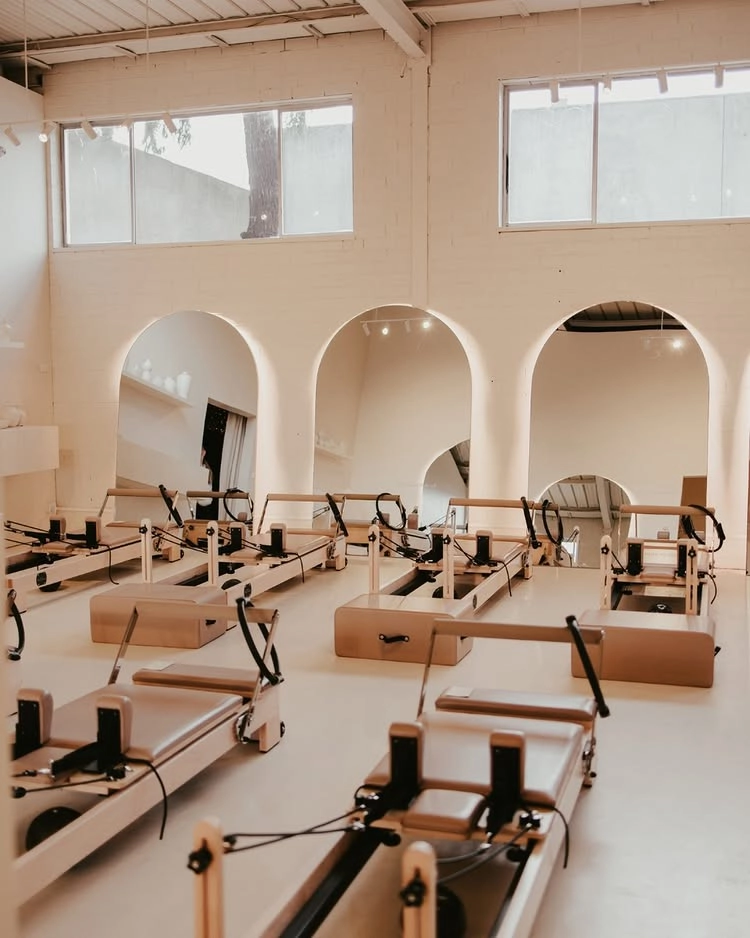
1. Why Is Back Pain Considered a Global Health Crisis?
To understand the necessity of Reformer Pilates, we must first understand the scope of the problem it solves. According to data released by the World Health Organization (WHO), approximately 619 million people globally suffer from low back pain (LBP). This staggering statistic positions back pain as the single leading cause of disability worldwide. It is a condition that does not discriminate, affecting individuals across all age groups, professions, and activity levels.
However, the question remains: why is this number so high? The modern lifestyle is largely to blame. The human body evolved for movement—walking, squatting, and reaching. Yet, contemporary life often confines us to chairs for eight to ten hours a day. This sedentary behavior leads to a cascade of physiological issues: the hip flexors tighten, the glutes weaken (gluteal amnesia), and the shoulders roll forward. This phenomenon, often referred to as “Lower Crossed Syndrome,” places immense, unnatural strain on the lumbar spine.
Conversely, back pain isn’t solely the domain of the inactive. Athletes and manual laborers often suffer from back issues due to repetitive strain, overuse, and muscular imbalances where the prime movers (large outer muscles) overpower the smaller, intrinsic stabilizers. Whether the cause is an acute injury, a chronic condition like sciatica, or simply the cumulative effect of poor posture, the result is pain that limits quality of life.
When patients present with these issues, medical professionals increasingly move away from prescribing immediate surgery or heavy medication. Instead, the recommendation is often conservative management through movement therapy. This is where the directive to “Try Pilates” usually originates. It is not just a fitness trend; it is a clinically supported intervention designed to restore the body’s natural alignment.
2. What Is the Pilates Method and Its Relevance to Rehabilitation?
Before diving into the machinery, it is essential to understand the methodology. Developed by Joseph Pilates in the early 20th century, the Pilates method (originally called “Contrology”) is a system of exercises designed to strengthen the human mind and body. While often grouped with yoga, Pilates is distinct in its relentless focus on the “Core” or “Powerhouse.”
The relevance of this method to back pain lies in its holistic approach. Joseph Pilates understood that a chain is only as strong as its weakest link. In the context of the human back, pain is rarely the result of a single isolated muscle failure. Rather, it is usually a systemic failure of the musculature surrounding the hips, pelvis, and spine.
The Pilates method works on several fundamental principles that directly combat back pain:
- Centering: All movement radiates from the center. By strengthening the core, you take the load off the vertebrae.
- Concentration: The mind must be engaged to ensure muscles fire in the correct sequence.
- Control: No movement is performed with momentum. Momentum is often where injuries occur; control is where healing happens.
- Precision: Alignment is everything. A millimeter of difference in pelvic placement can change the effectiveness of an exercise.
- Breath: Proper breathing mechanics regulate intra-abdominal pressure, which stabilizes the spine.
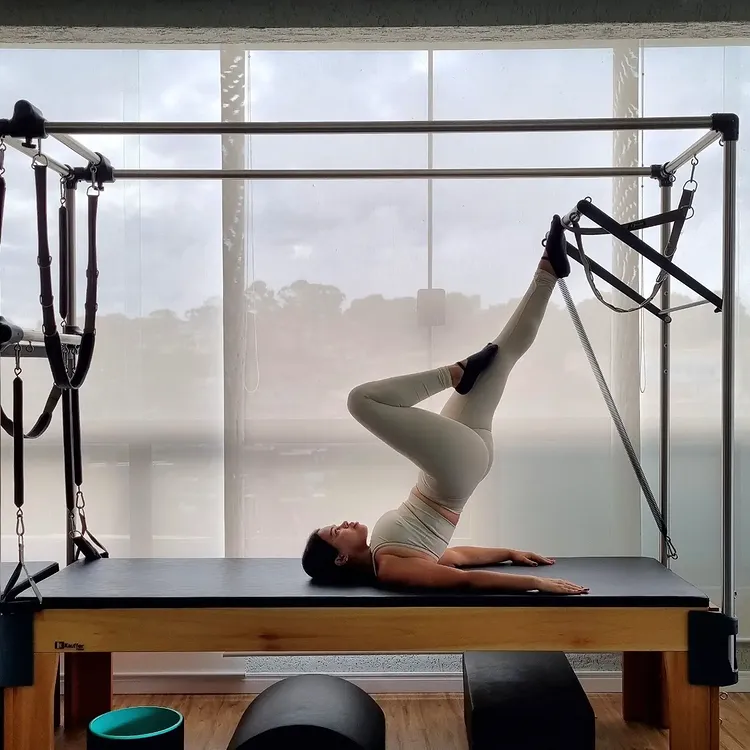
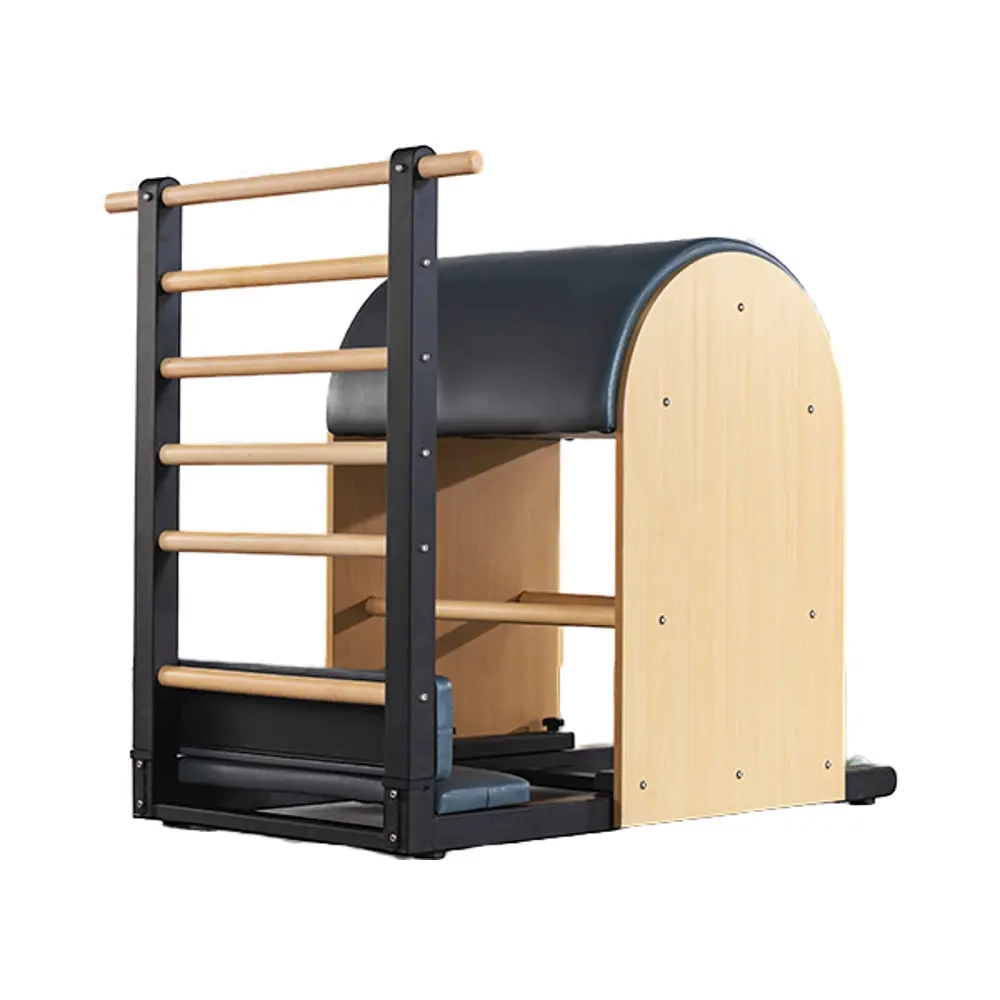
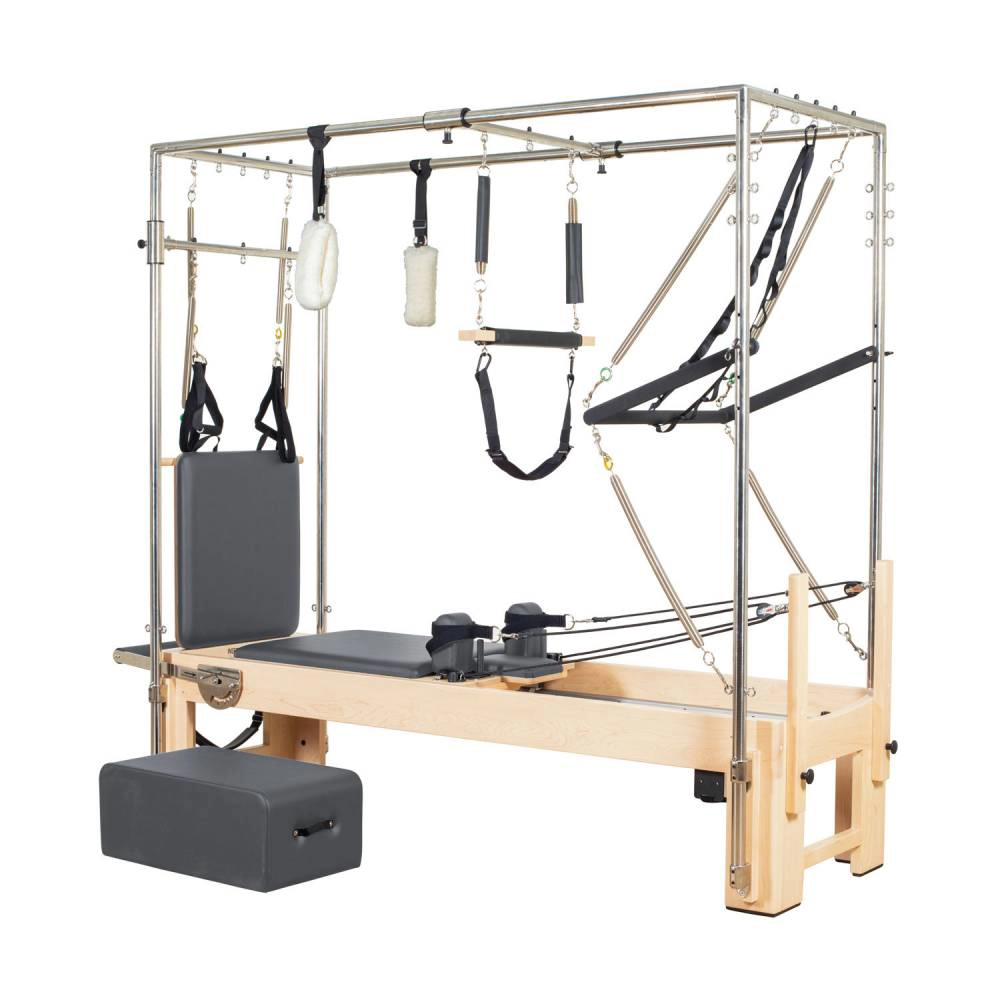
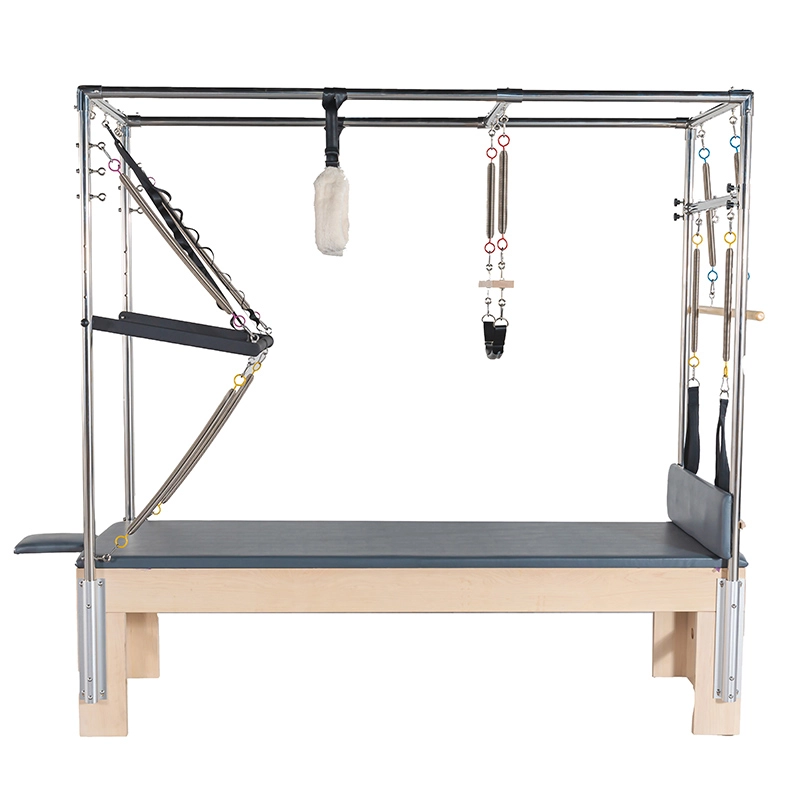
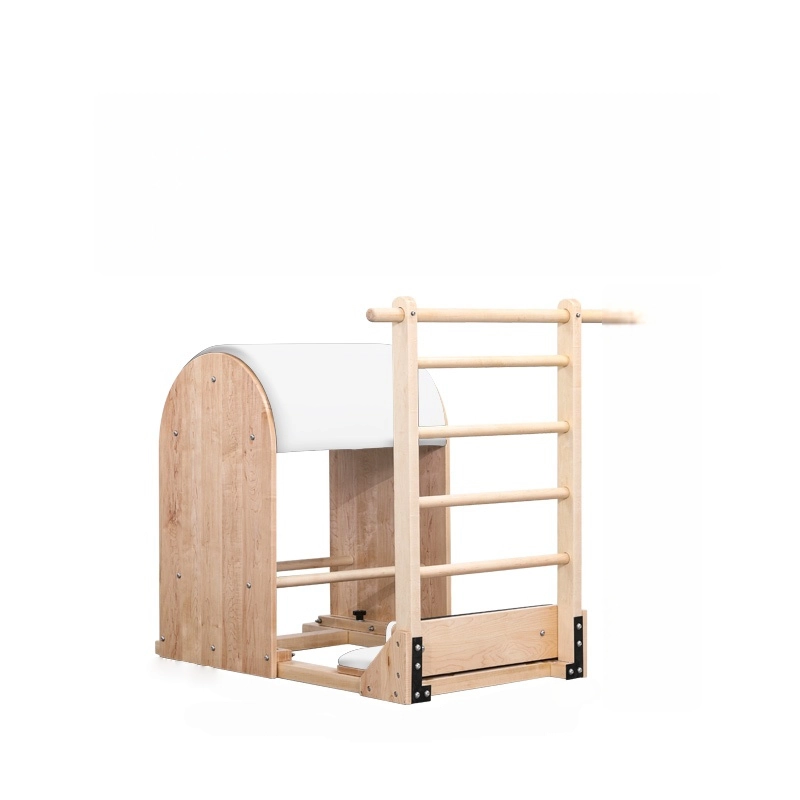
While the Pilates method can be practiced on a mat using only body weight, the rehabilitation of back pain is often best served by the specialized equipment Joseph Pilates designed. This suite of apparatus includes the Tower, the Chaise Wunda, le Cadillac (Table trapèze), the Springboard, the Échelle à barils, and the Spine Corrector. However, the crown jewel of the system, and the most effective tool for back pain sufferers, is the Reformer.
3. How Does the Reformer Machine Specifically Aid Recovery?
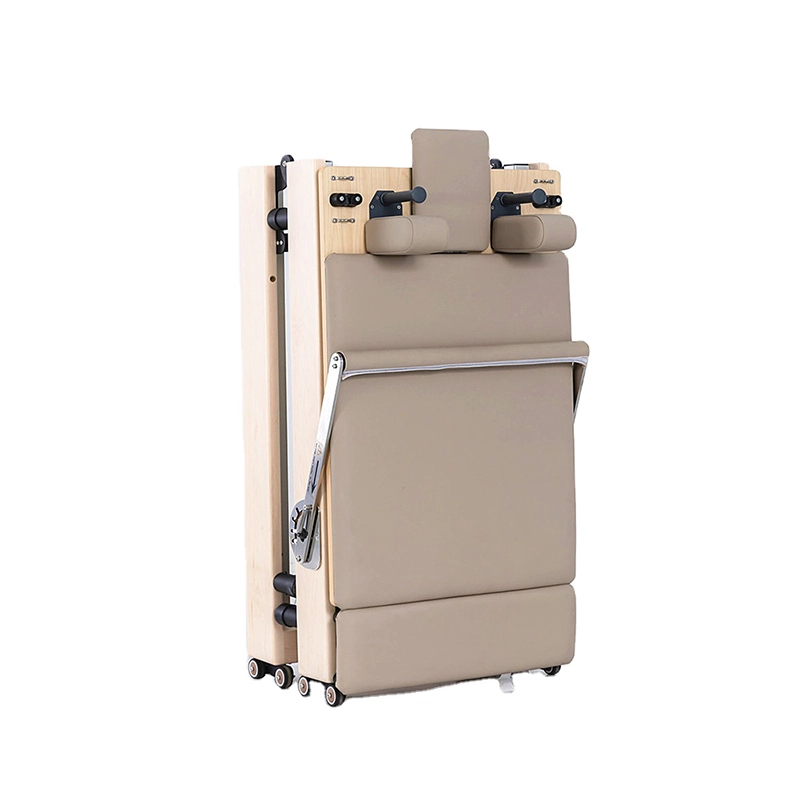
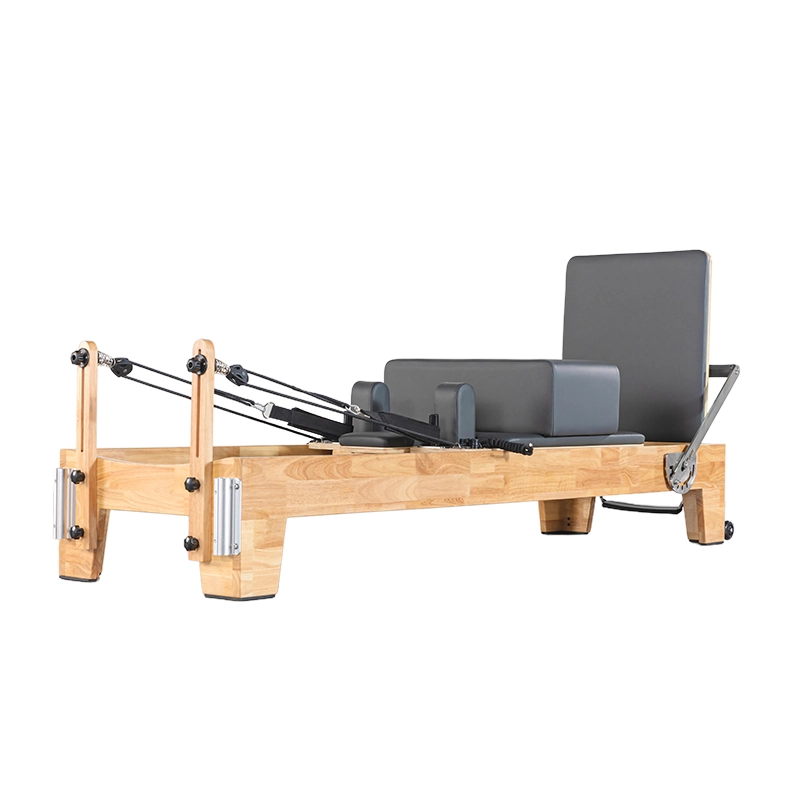
For a newcomer entering a Pilates studio, the Réformateur can look intimidating. With its sliding carriage, ropes, pulleys, and springs, it may resemble a medieval torture device more than a healing tool. However, this design is precisely why it is so effective for treating lower back pain.
The Mechanics of Support
The primary advantage the Reformer holds over mat-based Pilates is support. When a person with severe back pain attempts to exercise on the floor (mat Pilates), they must support their own body weight against gravity. For someone with a weak core or acute pain, this can often be too difficult, leading them to strain their neck or back muscles to compensate.
The Reformer eliminates this issue. The sliding carriage supports the user, often in a supine (lying on the back) position. This allows the spine to be in a “neutral” alignment—a position where the natural curves of the spine are preserved, and shock absorption is optimized. Because the machine supports the weight of the limbs and torso, the patient can work on strengthening their muscles without the compressive force of gravity acting on the spinal discs.
Résistance variable : la magie des ressorts
Unlike gym equipment that uses weight stacks and pulleys (which provide constant resistance), the Reformer uses springs. Spring resistance is unique because it is “dynamic.” As you stretch a spring, the tension increases; as you close the spring, it wants to snap back, forcing you to control the release.
This type of resistance mimics the way muscle fibers work. It allows for “eccentric” muscle strengthening—lengthening the muscle under tension. For back pain sufferers, this is crucial because it builds strength without bulk and creates space within the joints. The springs can be adjusted to provide assistance (making an exercise easier so the client can move without pain) or resistance (making an exercise harder to build strength).
Closed Kinetic Chain Exercises
Many Reformer exercises are “closed kinetic chain” movements, meaning the hand or foot is fixed against a solid surface (the footbar or straps) while the body moves. This type of movement is generally safer for joints and more functional for rehabilitation than open-chain exercises, as it improves proprioception (body awareness) and joint stability.
4. Who Can Benefit from Reformer Pilates?
Reformer Pilates is not a one-size-fits-all workout; it is a highly adaptable discipline suitable for a wide range of back pathologies. Understanding who can benefit requires looking at specific conditions.
Sufferers of Non-Specific Low Back Pain
This is the most common category—people who have an ache in the lower back with no identifiable structural cause (like a fracture). Usually, this stems from muscular imbalances. Reformer Pilates targets the deep stabilizers, correcting the tilt of the pelvis and relieving the chronic ache associated with fatigue and poor posture.
Individuals with Herniated or Bulging Discs
A herniated disc occurs when the soft center of a spinal disc pushes through a crack in the tougher exterior casing. This can irritate nearby nerves. While acute phases require rest, the rehabilitation phase requires stabilization. The Reformer allows these individuals to strengthen the muscles around the injury without compressing the spine. By strengthening the abdominals and back extensors, the body creates a natural “corset” that supports the damaged area.
Patients with Spinal Stenosis
Stenosis involves a narrowing of the spaces within your spine, which can put pressure on the nerves. These patients typically find relief in flexion (bending forward). Reformer exercises can be modified to keep the spine in a slightly flexed or neutral position, avoiding the extension (bending backward) that often aggravates this condition, while still building limb strength.
Those with Scoliosis
Scoliosis is a sideways curvature of the spine. While Pilates cannot “fix” the curve structurally in adults, it is exceptional for management. The Reformer promotes elongation of the spine. Instructors can use the asymmetric nature of the equipment (using one arm or leg at a time) to strengthen the weak side of the back and stretch the tight side, creating better functional balance and reducing pain.
Post-Partum Mothers
Pregnancy places immense strain on the lower back and can lead to conditions like Diastasis Recti (separation of abdominal muscles). The Reformer is the gold standard for gently reconnecting the abdominal wall and strengthening the pelvic floor, which in turn supports the lower back.
5. Where Does the Core Fit into the Equation?
To understand why Pilates stops back pain, one must understand the anatomy of the “Core.” In Pilates, the core is not just the “six-pack” muscles (Rectus Abdominis). Relying solely on the six-pack can actually cause back pain if they are too tight.
In Reformer Pilates, the focus is on the “Inner Unit” or the deep stabilizing system. This consists of four main players:
- Transversus Abdominis (TVA): This is the deepest layer of abdominal muscle. It wraps around the torso horizontally like a cummerbund or corset. When it contracts, it stabilizes the lumbar spine and pelvis. Most people with back pain have a weak or dormant TVA. The Reformer forces this muscle to wake up.
- Multifidus: These are thin, small muscles that run along the spine, connecting the vertebrae. They are the first line of defense for spinal stability. Studies show that within 24 hours of an episode of back pain, the multifidus can atrophy (waste away). Pilates focuses on small, controlled movements that reactivate these muscles.
- The Diaphragm: Proper breathing is a core component of Pilates. The diaphragm serves as the roof of the core.
- The Pelvic Floor: This serves as the floor of the core.
When you push and pull the carriage on the Reformer, you are not just working your arms and legs. You are training these four muscle groups to fire in coordination. This increases “intra-abdominal pressure,” which acts like an internal airbag for your spine. When the core is strong and functional, the load of daily activities—lifting groceries, picking up a child, sitting at a desk—is transferred to the muscles rather than the passive structures of the spine (discs and ligaments).
6. When Should You Expect Results and How Often Should You Practice?
Patience is a virtue in rehabilitation, but Reformer Pilates is known for its efficiency. The famous quote by Joseph Pilates provides a general roadmap: “In 10 sessions you’ll feel the difference, in 20 sessions you’ll see the difference, and in 30 sessions you’ll have a whole new body.”
While this sounds like marketing, it holds physiological truth.
The Neuromuscular Phase (Sessions 1-10)
In the beginning, the changes are largely neurological. The brain learns how to communicate with the muscles again. You may not see muscle growth yet, but you will “feel the difference” because your proprioception (awareness of body position) improves. You learn to catch yourself before you slump; you learn to engage your core before you lift. This awareness alone can significantly reduce pain episodes.
The Structural Phase (Sessions 10-30)
With consistency, physiological changes occur. Muscle fibers hypertrophy (grow), connective tissues strengthen, and flexibility increases. This is when chronic pain often begins to subside substantially because the body is physically better equipped to handle gravity.
Frequency Recommendations
How often should you go? For someone dealing with back pain, consistency beats intensity.
- The Golden Rule: The standard guideline for therapeutic results is a minimum of 2 à 3 séances par semaine.
- Why? Once a week is generally maintenance; it is rarely enough to create adaptive change in the body. Two times a week provides enough stimulus to build strength while allowing for recovery. Three times a week accelerates results.
It is also important to note that because Reformer Pilates is low-impact, it can be done more frequently than high-intensity workouts without risking overuse injuries, provided the intensity is managed correctly.
The Psychological Aspect—Overcoming Kinesiophobia
One of the most overlooked benefits of Reformer Pilates for back pain is psychological. There is a condition common among chronic pain sufferers known as Kinésiophobie—the fear of movement.
When a person has been in pain for a long time, their brain creates a protective association between movement and pain. They stop moving to avoid hurting. Paradoxically, this lack of movement causes stiffness and weakness, which leads to plus pain. It is a vicious cycle.
The Pilates Reformer acts as a “safe container” for movement. Because the machine supports the body, and the environment is controlled, patients feel safe to move.
- Desensitization: By performing movements on the Reformer that are pain-free, the patient retrains the brain. They prove to themselves, “I can move my leg without my back hurting.”
- Confidence: As the springs provide assistance, a client can achieve ranges of motion they couldn’t achieve on the floor. This success breeds confidence.
- Nervous System Regulation: The emphasis on breathwork in Pilates stimulates the Vagus nerve, shifting the body from a sympathetic state (fight or flight/pain and tension) to a parasympathetic state (rest and digest/relaxation). A relaxed body feels less pain than a tense one.
Breaking the fear-tension-pain cycle is often the most critical step in healing chronic back pain, and the Reformer is uniquely suited for this task.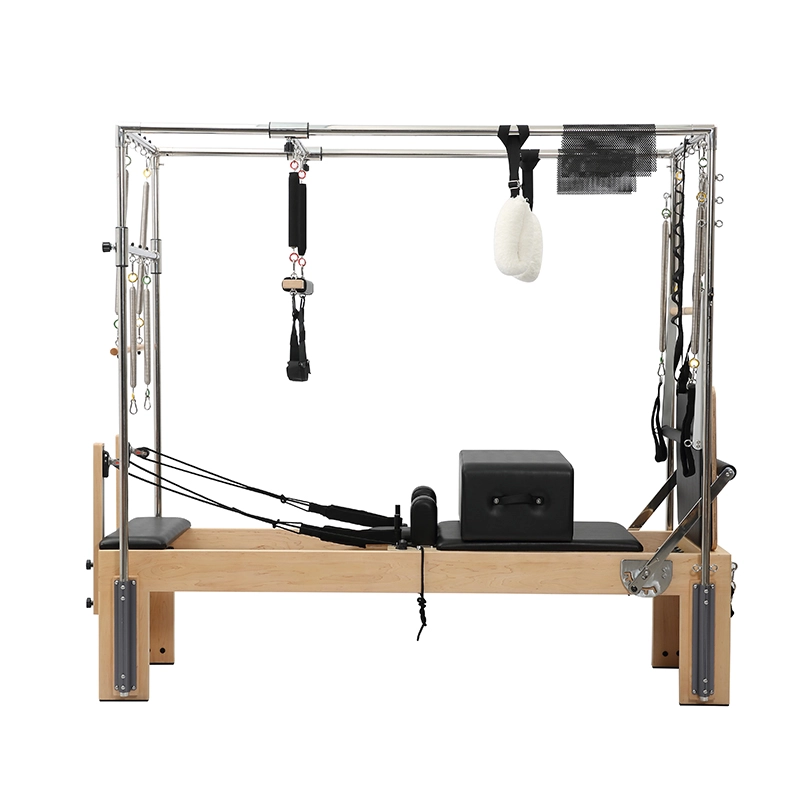
Top 5 Reformer Exercises for Back Health
While a certified instructor should always guide you, these are five staple exercises often used to treat back pain.
- Footwork:
- The Move: Lying on the back, feet on the footbar, pushing the carriage out and in.
- L'avantage : This acts as a squat while lying down. It strengthens the legs and glutes and teaches pelvic stability without putting any vertical load on the spine. It teaches the back how to stay neutral while the legs move.
- Bridging:
- The Move: Lying on the back, feet on the footbar, lifting the hips up and articulating the spine down.
- L'avantage : This mobilizes the spine and strengthens the posterior chain (glutes and hamstrings). It teaches the glutes to do the heavy lifting, taking the pressure off the lower back.
- Hands in Straps (Mid-Back Series):
- The Move: Lying on the back, holding straps in hands, pulling arms down to hips.
- L'avantage : This strengthens the lats and the mid-back (thoracic spine). Strong lats help stabilize the lower back. It also encourages opening the chest, countering the “slumped” desk posture.
- Elephant:
- The Move: Standing on the Reformer, hinging at the hips to move the carriage with the legs.
- L'avantage : This provides a deep stretch for the hamstrings and calves (which pull on the back when tight) while teaching the user how to disassociate the legs from the pelvis.
- Mermaid:
- The Move: Sitting sideways, pressing the footbar away to side-bend.
- L'avantage : This stretches the Quadratus Lumborum (QL), a deep lower back muscle that is often tight and painful. It opens up the side body and improves lateral mobility of the spine.
Foire aux questions
1. Is it safe to do Reformer Pilates if I am currently in pain?
Generally, yes, but with caveats. If you are in the acute phase of an injury (the first 48-72 hours where inflammation is high and movement is excruciating), rest is usually recommended. However, for sub-acute and chronic pain, movement is medicine.
It is vital to distinguish between “good pain” (muscle effort) and “bad pain” (sharp, shooting, or nerve pain). You should always inform your instructor of your condition. They can modify the spring tension and range of motion to ensure you are working within a pain-free range. The Reformer’s ability to support your weight makes it one of the safest options for exercising while managing discomfort.
2. Can Reformer Pilates make my back pain worse?
Like any physical activity, if performed incorrectly, it can cause strain. This is why attending classes with qualified instructors is crucial, especially beginners.
Common mistakes that could aggravate back pain include:
- “Tucking” the pelvis: Flattening the back aggressively against the carriage can strain the lumbar spine.
- Using too much resistance: Going too heavy too soon can cause the larger muscles to take over, bypassing the weak stabilizers you are trying to target.
- Hyperextension: Arching the back too far without core support.
However, when performed with proper form and guidance, the risk is very low compared to other forms of exercise like weightlifting or running.
3. How does Reformer Pilates differ from Yoga for back pain?
Both are excellent, but they function differently. Yoga often involves static holding of poses and focuses heavily on flexibility and range of motion. For some people with back pain (especially those with hypermobility), the extreme ranges of motion in yoga can sometimes be irritating.
Pilates, specifically on the Reformer, focuses more on stability et dynamic strength. The resistance of the springs provides feedback that yoga does not offering. For back pain, the Reformer is often preferred in the early stages because it focuses on strengthening the structure to hold the bones in place, whereas yoga focuses on stretching. Ideally, a combination of both can be beneficial, but Reformer Pilates is often the better starting point for stabilization.
Conclusion
Lower back pain is a debilitating condition that affects hundreds of millions of people, robbing them of their mobility and joy. While medication can mask the pain and surgery can alter structure, true long-term relief often comes from within—specifically, from building a body that is strong enough to support itself.
Reformer Pilates offers a scientifically sound, biomechanically efficient path to recovery. By utilizing the support of the carriage and the dynamic resistance of springs, it allows individuals to strengthen their core, mobilize their spine, and correct the muscular imbalances that cause pain in the first place. Whether you are a sedentary office worker, a recovering athlete, or a new mother, the Reformer provides a safe environment to rebuild your physical foundation.
If you are tired of the cycle of pain and stiffness, it is time to look beyond temporary fixes. With consistency, patience, and the guidance of the Pilates method, you can move from a state of fragility to one of strength and stability. As Joseph Pilates promised, the goal is not just the absence of pain, but the acquisition of a “whole new body” that moves with freedom and ease.
 English (United States)
  English (Canada)
  English (Australia)
  English (New Zealand)
  English (UK)
  Arabic
  Bulgarian
  Czech
Czech  Danish
  Greek
Greek  Spanish
  Ukrainian
  Turkish
  Thai
Thai  Swedish
  Serbian
  Slovenian
  Slovak
  Russian
  Romanian
  Portuguese (Portugal)
  Portuguese (Brazil)
  Dutch
Dutch  Estonian
  Finnish
  French
  Hindi
Hindi  Croatian
  Indonesian
  Icelandic
  Italian
  Japanese
  Georgian
  German
  Lithuanian
  Polish
  Korean
  Uzbek
Uzbek  Hungarian
  Malay
Malay