
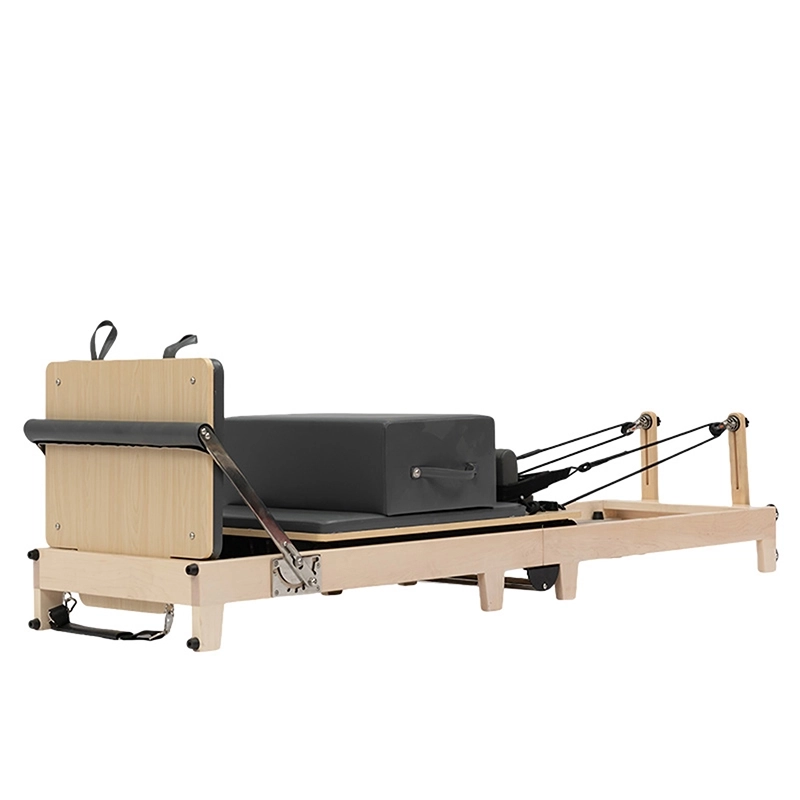
The global wellness economy is undergoing a seismic shift. We are moving away from the “punishing” fitness culture of the early 2000s—typified by high-impact cardio and heavy lifting—toward a more sustainable, holistic approach to health. At the epicenter of this transformation sits a piece of equipment that was once niche but is now essential: the Reformer de Pilates.
For studio owners, gym managers, and equipment distributors, the Reformer is no longer just an “accessory” to a gym floor; it is a primary revenue driver. The impact of Reformers de Pilates on the wellness industry extends far beyond the physical benefits to the user. It is reshaping business models, influencing architectural design in fitness spaces, and bridging the lucrative gap between physiotherapy and recreational fitness.
This comprehensive guide explores the multi-dimensional impact of Reformers, offering deep insights into market trends, equipment engineering, and the profitability metrics that matter most to industry professionals.
The Global Shift Toward Mind-Body Fitness
The resurgence of Pilates is not a fad; it is a correction in the fitness market. Post-pandemic consumers are prioritizing longevity, mobility, and mental clarity over simple calorie burning. This shift has propelled Mind-body fitness equipment to the forefront of investment strategies for wellness centers.
From Niche to Mainstream: Understanding the Market Surge
Historically, Pilates was the domain of dancers and elite athletes. Today, the demographic has widened significantly. We are seeing a “democratization of Pilates,” where the Reformer is accessible to everyone from corporate professionals seeking stress relief to seniors maintaining independence.
Data indicates that the global Pilates and Yoga studios market is projected to grow at a CAGR (Compound Annual Growth Rate) of over 10% through the next five years. This growth is driven by a consumer base that is increasingly educated. They understand that low-impact training does not mean low intensity. The Reformer offers the unique proposition of high-intensity, muscle-sculpting work with zero impact on the joints—a “Holy Grail” for the modern wellness consumer.
For distributors, this signals a vital trend: the demand is not just for more equipment, but for better equipment that aligns with this philosophy of “intelligent movement.”
The Psychology of the Reformer User
Why do clients flock to Reformer classes? Unlike a treadmill run which can feel solitary and monotonous, Reformer Pilates is engaging. It requires distinct mental focus (proprioception).
- The “Ritual” Aspect: The act of setting up the machine—adjusting springs, footbars, and straps—creates a ritualistic connection between the user and the equipment.
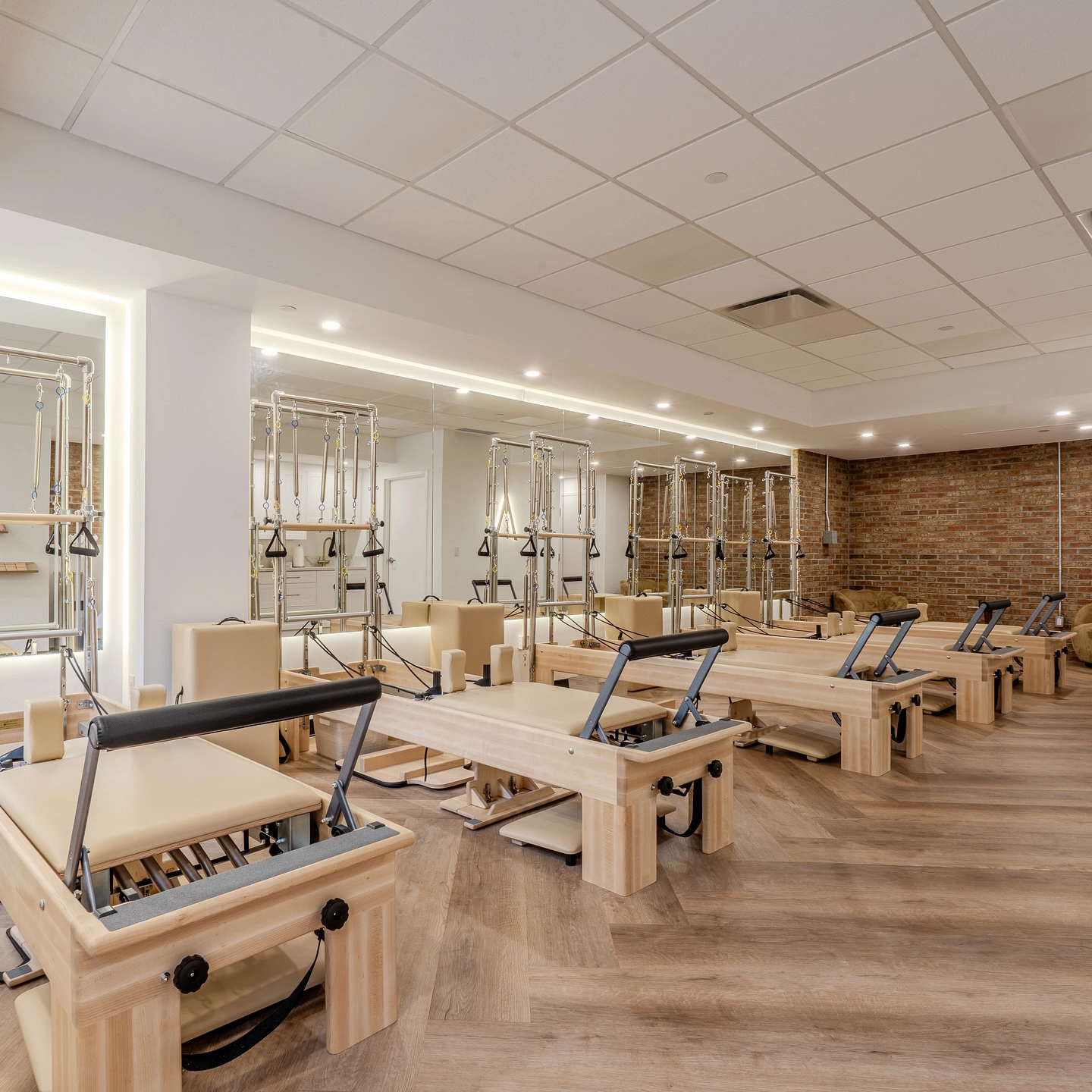
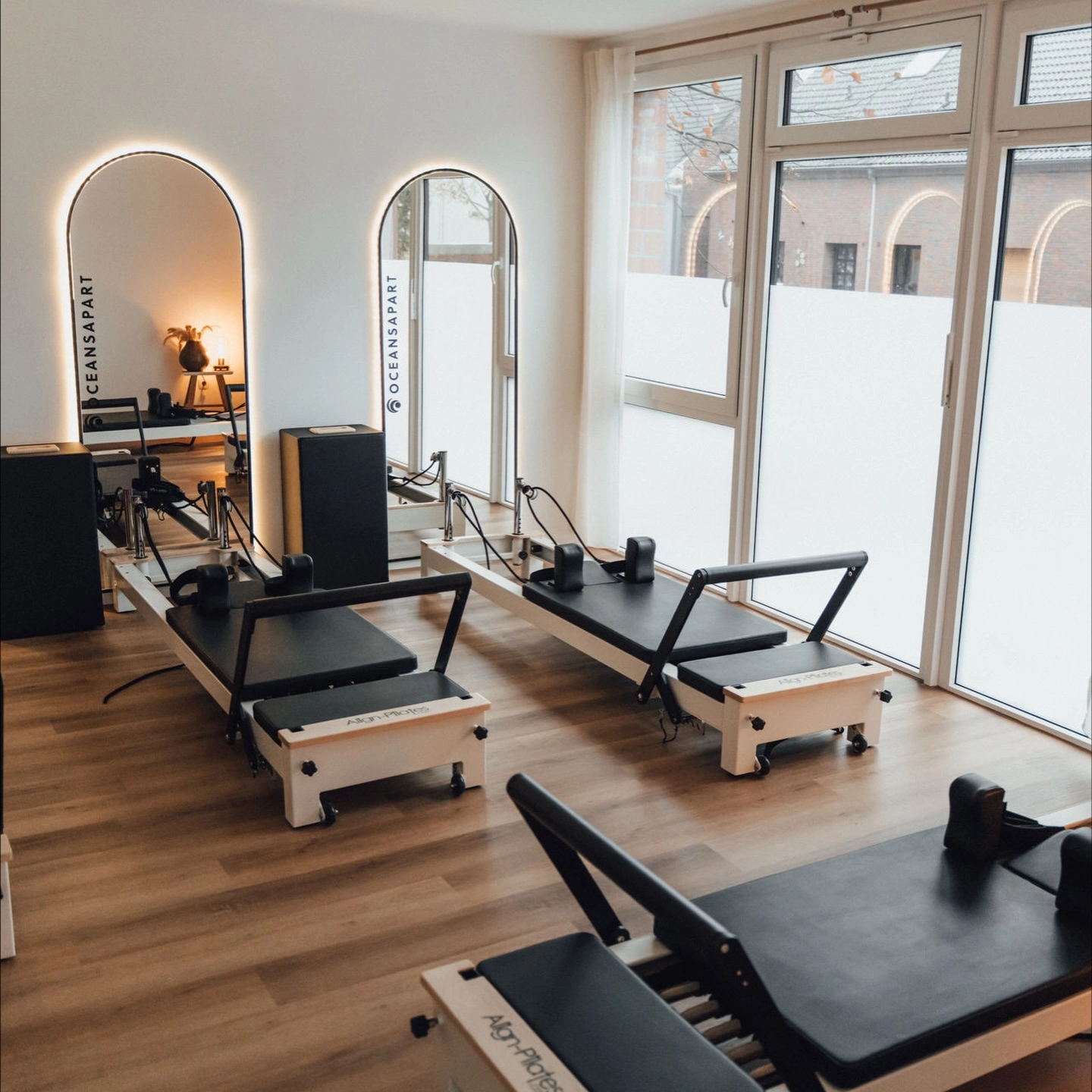
- The Aesthetic of Wellness: We cannot ignore the visual aspect. In the age of social media, the Reformer is visually compelling. It represents a sophisticated, premium lifestyle. Studios that invest in aesthetically pleasing, high-quality Reformers often see organic marketing growth through user-generated content (social shares).

The Economic Impact on Studios and Gyms
For the B2B buyer, the conversation ultimately turns to numbers. How does investing in a fleet of Commercial Pilates Reformers translate to the bottom line? The answer lies in the superior Revenue Per Square Foot (RPSF) that Reformers offer compared to traditional gym equipment.
Analyzing Studio Profitability and ROI
A Pilates studio profitability model is distinct from a big-box gym.
- Higher Price Point: Reformer classes command a premium. While a general gym membership might cost $50/month, a single drop-in Reformer class often costs $25-$40, with monthly memberships ranging from $150 to $300.
- Eficiencia espacial: A commercial Reformer typically occupies a footprint of roughly 2.5m x 0.7m. In a 100-square-meter room, a studio can comfortably fit 10-12 machines while maintaining safe spacing.
- Asset Utilization: Unlike a leg press machine that sits idle for 50 minutes of an hour, a Reformer in a group class setting is utilized 100% of the time during that billable hour.
Hypothetical ROI Calculation:
Investment: 10 Reformers at $X,XXX each.
Revenue: 10 spots x $30/class x 4 classes/day = $1,200/day gross revenue.
Break-even: Even with instructor costs and overhead, the break-even point for Reformer equipment is significantly faster than complex electronic cardio equipment which depreciates faster and commands lower direct revenue.
Note for Distributors: When selling to new studio owners, emphasize the lifespan ROI. A high-quality reformer (like those offered by [Brand Name]) can last 10+ years with minimal maintenance, whereas electronic cardio equipment often requires expensive servicing or replacement every 3-5 years.
To illustrate the efficiency, consider this comparison between standard commercial gym equipment and the Pilates Reformer:
| Métrico | Treadmill (Commercial) | Pilates Reformer (Commercial) |
|---|---|---|
| Footprint | ~20 sq ft | ~18 sq ft |
| User Capacity | 1 (Solo) | 1 (Class/Solo/Rehab) |
| Avg. Session Revenue | Included in generic membership | $25 – $40 (Class Drop-in) |
| Maintenance Cost | High (Motor/Electronics) | Low (Springs/Ropes) |
| Lifespan | 5-7 Years | 10-15+ Years |
Boosting Client Retention and Lifetime Value
Client retention is the lifeblood of any wellness business. Reformer Pilates boasts some of the highest retention rates in the industry.
- The Learning Curve: Because Pilates is a skill-based practice, clients feel a sense of progression. Mastering a “Teaser” or “Short Spine” provides a dopamine hit that keeps them coming back.
- Community Building: Small group classes foster community. Clients are not anonymous faces; they are part of a cohort. This social glue reduces churn.
- Physical Addiction: The feeling of “length” and posture correction after a session is immediate. Clients physically miss the feeling of the Reformer when they skip a week, creating a sticky product experience.
Versatility: One Machine, Multiple Revenue Streams
The versatility of the Reformer allows business owners to pivot their service offerings without changing equipment.
- Group Classes: The bread and butter of the business (Scalability).
- Private/Duet Sessions: High-ticket services for personalized attention (Premium).
- Rehab-Focused Sessions: Partnering with local medical providers to offer post-injury workshops (Specialized).
- Teacher Training: Studios can generate significant revenue by hosting certification courses, which requires commercial-grade, standard-compliant equipment.
Innovations in Reformer Technology and Design
The Reformer was invented by Joseph Pilates nearly a century ago, but modern Pilates equipment has undergone a radical engineering evolution. For distributors and discerning studio owners, understanding these nuances is key to selecting the right fleet.
Durability and Maintenance for Commercial Use
In a commercial setting, a Reformer might endure 6-8 hours of continuous use daily. The difference between a “home gym” reformer and a Commercial grade machine becomes immediately apparent.
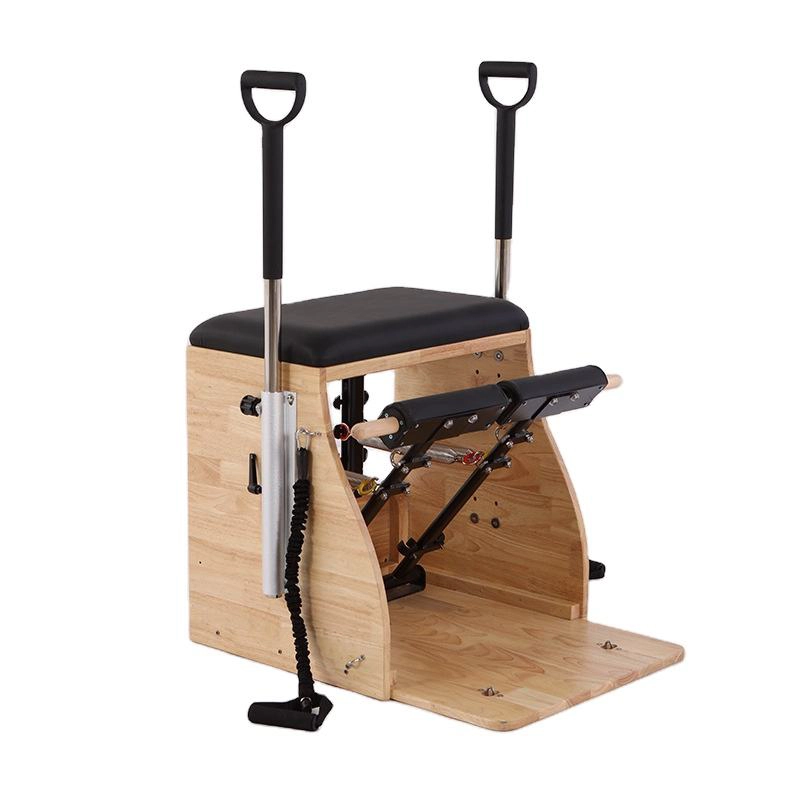
- Integridad del marco: Top-tier reformers utilize aerospace-grade aluminum or kiln-dried hardwood (like Maple or Oak) to prevent warping and ensure stability under heavy loads.
- The Carriage Glide: This is the heartbeat of the machine. Premium reformers use an 8-wheel suspension system with high-precision bearings to ensure a silent, frictionless glide. “Drag” or noise in the carriage ruins the user experience and signals low quality.
- Spring Engineering: Not all springs are created equal. Commercial springs must maintain consistent tension over hundreds of thousands of extension cycles. Nickel-plated carbon steel is the industry gold standard to prevent rust and snapping.
Client Success Story: “When we switched our studio to [Brand Name] Reformers, our maintenance downtime dropped by 90%. The clients noticed the smoother glide immediately, and our retention rate for the quarter increased by 15%.” — Sarah Jenkins, Owner of CoreFlow Studio, London.
The User Experience: Adjustability and Ergonomics
Time is money in a studio class. If an instructor has to spend 5 minutes helping clients adjust footbars, that is 5 minutes of lost flow.
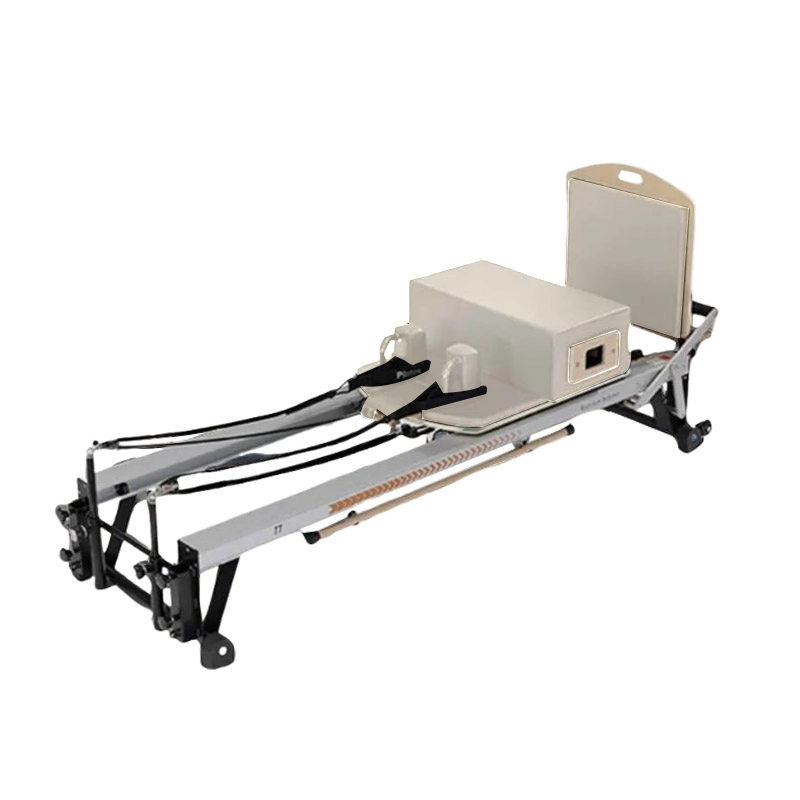
- Rapid Adjustment Systems: Modern reformers feature one-hand adjustment levers for footbars and risers. This allows for seamless transitions between exercises, keeping the class intensity high.
- Inclusive Sizing: People are getting taller and heavier. Legacy reformers were often too narrow or short. Modern Ergonomic design includes wider carriages and longer tracks to accommodate athletes, men (a growing demographic in Pilates), and taller individuals without compromising safety.
Aesthetics as a Business Advantage
We mentioned the “Instagram factor” earlier, but it goes deeper. The design of the equipment sets the tone for the studio’s brand.
- Customization: High-end manufacturers now offer custom upholstery colors to match studio branding.
- Sleek Profiles: Moving away from the “medical device” look, modern reformers feature powder-coated finishes and minimalist lines that fit into luxury spa environments and high-end hotels.
The Role of Reformers in Rehabilitation and Healthcare
One of the most profound impacts of the Reformer is its integration into mainstream healthcare. We are seeing a blurring of lines between the “gym” and the “clinic.” Pilates for rehabilitation is a massive growth sector.
Bridging the Gap Between Rehab and Fitness
Physiotherapists and Chiropractors are increasingly installing Reformers in their clinics. Why?
- Closed Kinetic Chain: The Reformer allows for strengthening exercises where the foot or hand is fixed (on the footbar), which is safer for joint stability during early-stage rehab.
- Variable Resistance: Unlike weights (gravity-dependent), springs provide resistance that increases as they are stretched. This matches the muscle’s natural contraction curve and reduces the risk of tearing or strain.
- Eccentric Focus: The Reformer is excellent for eccentric muscle loading (lengthening under tension), which is clinically proven to heal tendinopathies and improve muscle control.
This “Clinical Pilates” approach means that a patient can transition from being a “patient” to a “client” on the same machine, staying within the ecosystem of the business for years.
Catering to the Silver Economy (Active Aging)
The world’s population is aging. Senior fitness is a critical market. Traditional gym equipment is often intimidating or unsafe for seniors with balance issues or osteoporosis.
- Fall Prevention: The Reformer is low to the ground. It offers a stable platform to work on core strength and balance without the risk of falling.
- Bone Density: The resistance of the springs provides the necessary load to stimulate bone density improvements (Wolff’s Law) without the spinal compression of heavy weightlifting.
- Joint Health: The smooth, low-impact motion lubricates the joints (synovial fluid circulation), helping seniors manage arthritis.
Studios that offer “Gentle Pilates” or “Silver Reformer” classes are tapping into a demographic with high disposable income and free time during off-peak hours (mid-morning/afternoon).
Future Outlook: What’s Next for Pilates Equipment?
As we look toward 2027 and beyond, the Future of fitness technology is merging with analog equipment.
The Rise of Connected Pilates
Just as spinning bikes became “connected,” Reformers are evolving.
- Smart Sensors: We are beginning to see prototypes with sensors built into the carriage and springs that measure power output, range of motion, and symmetry. This data is invaluable for both athletic training and physical therapy documentation.
- Screen Integration: While controversial in purist circles, some commercial environments (hotels, unsupervised gyms) are adopting Reformers with attached screens for on-demand virtual coaching.
Hybrid Studio Models
The future is hybrid. Studios are combining Reformers with other modalities—Reformer + HIIT, Reformer + Yoga, or Reformer + TRX. This demands equipment that is robust and versatile enough to handle dynamic, athletic usage beyond classical contrology.
Conclusion
The impact of Reformers de Pilates on the wellness industry is total. They have transformed from rehabilitation tools for the few into profit centers for the many. For the business owner, the Reformer represents a perfect convergence of trends: the demand for mindful movement, the need for sustainable low-impact fitness, and the desire for premium experiences.
Investing in high-quality, commercial-grade Reformers is not an expense; it is a strategic asset acquisition. Whether you are launching a boutique studio, upgrading a hotel gym, or distributing to a growing network of wellness providers, the quality of the equipment you choose will define your success in this competitive market.
At [Brand Name], we understand the intersection of biomechanics and business. Our equipment is engineered to withstand the rigors of commercial use while delivering the smooth, transformative experience your clients demand.
Frequently Asked Questions (FAQ)
Q1: Is opening a Pilates Reformer studio profitable in 2026?
A: Yes, Pilates studios remain one of the most profitable segments in the fitness industry. Due to the small footprint of the machines and the high price point of group classes (which are viewed as “specialized training”), studios can achieve a higher revenue per square foot compared to open-floor gyms. Success depends on location, instructor quality, and equipment durability.
Q2: What is the average lifespan of a commercial Pilates Reformer?
A: A well-manufactured commercial Reformer, maintained properly, has a lifespan of 10 to 15 years or more. Key components like springs and ropes typically need replacement every 2-3 years depending on usage volume, but the frame and carriage mechanism should last over a decade. This makes them a high-value long-term asset.
Q3: What is the difference between home and commercial Reformers?
A: The primary differences are stability, size, and warranty. Commercial Reformers are heavier (often 150lbs+), ensuring they don’t move during aggressive use. They have higher weight limits (350lbs+), more durable vinyl upholstery resistant to sweat and sanitizer, and stronger springs. Commercial warranties cover professional usage, whereas using a home machine in a studio will typically void the warranty immediately.
Q4: How much space is needed for a Reformer Pilates studio?
A: For the machine itself, plan for approximately 2.5m x 0.75m. However, for a commercial studio, you need to allow for “safety zones” around the machine for the instructor to walk and for exercises that involve extending limbs to the side. A good rule of thumb is to allocate 4 to 5 square meters per client (including the machine) to ensure a premium, uncrowded experience.
Q5: Can Pilates Reformers be used for physical therapy billing?
A: Yes, in many jurisdictions. If the instruction is provided by a licensed Physical Therapist (PT), exercises performed on a Reformer often fall under “Therapeutic Exercise” or “Neuromuscular Re-education” CPT codes. The Reformer is considered a therapeutic modality for gait training, core stabilization, and range of motion improvement.
 English (United States)
  English (Canada)
  English (Australia)
  English (New Zealand)
  English (UK)
  Arabic
  Bulgarian
  Czech
Czech  Danish
  Greek
Greek  Spanish
  Ukrainian
  Turkish
  Thai
Thai  Swedish
  Serbian
  Slovenian
  Slovak
  Russian
  Romanian
  Portuguese (Portugal)
  Portuguese (Brazil)
  Norwegian
  Dutch
Dutch  Estonian
  Finnish
  French
  Hindi
Hindi  Croatian
  Indonesian
  Icelandic
  Italian
  Japanese
  Georgian
  German
  Lithuanian
  Polish
  Korean
  Uzbek
Uzbek  Hungarian
  Malay
Malay