
The Journey to Stronger, Leaner, and More Flexible You
When people start their fitness journey, one of the most common questions they ask is: “How many times a week should I do reformer Pilates to actually see results?” Whether you’re looking to build strength, improve posture, increase flexibility, or tone your body, it’s important to remember that there isn’t a one-size-fits-all answer to this question.
The frequency with which you practice Pilates depends on your fitness goals, experience level, and how your body responds to the exercises. In this article, we’ll explore the ideal number of Pilates sessions per week, break down the key benefits, and provide additional insights to ensure you’re making the most of your Pilates practice. We will also share tips for beginners, intermediate practitioners, and advanced Pilates enthusiasts.
Understanding the Benefits of Reformer Pilates
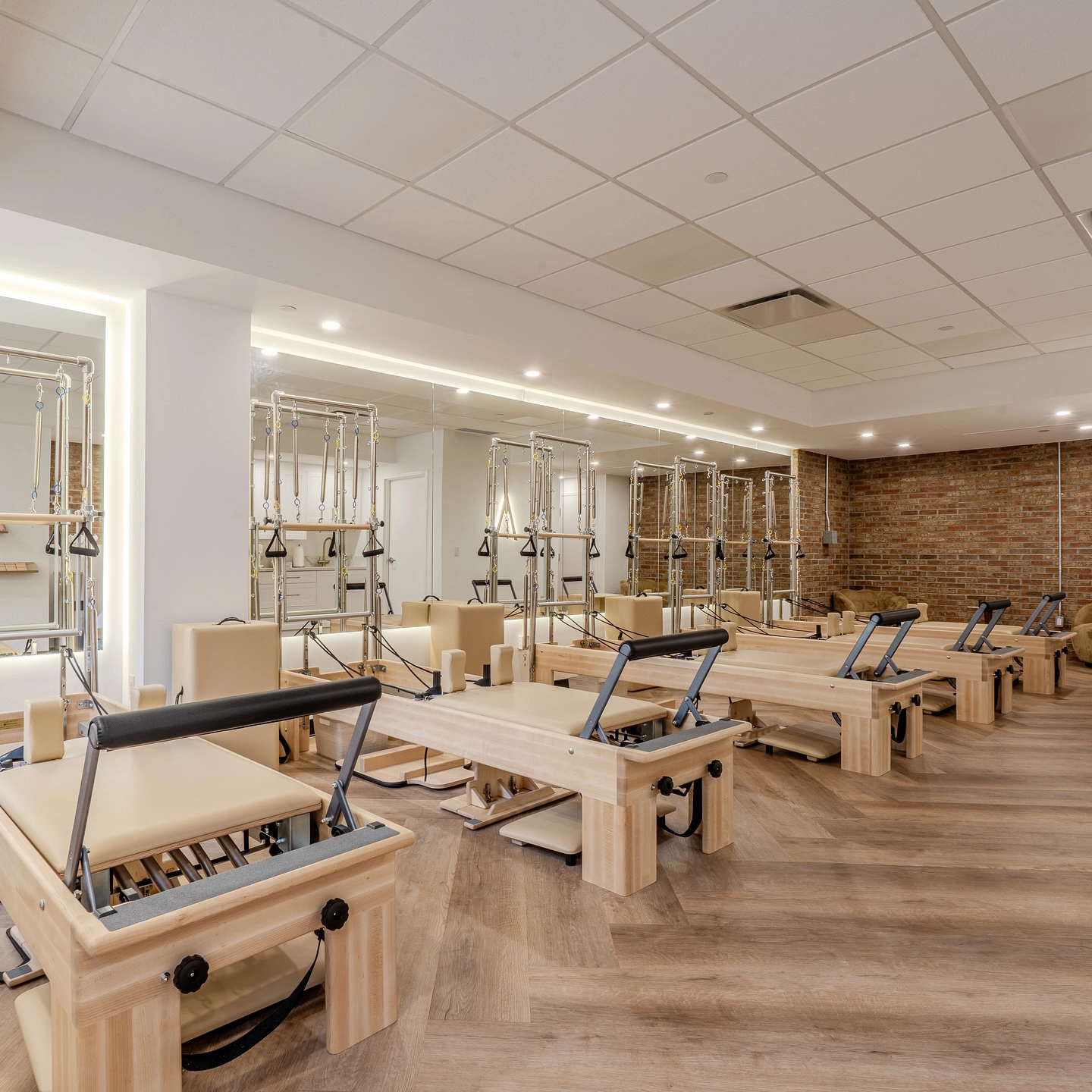
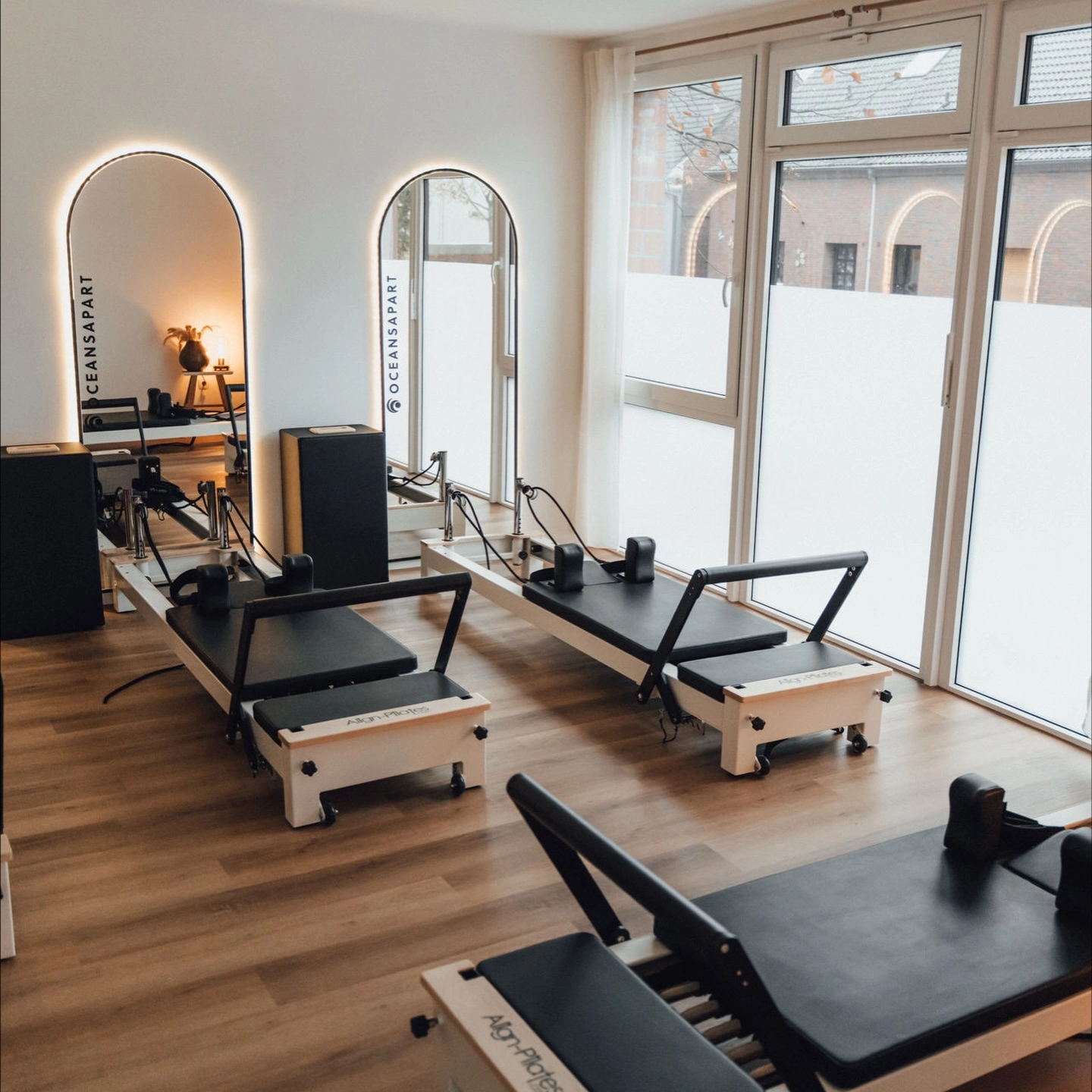
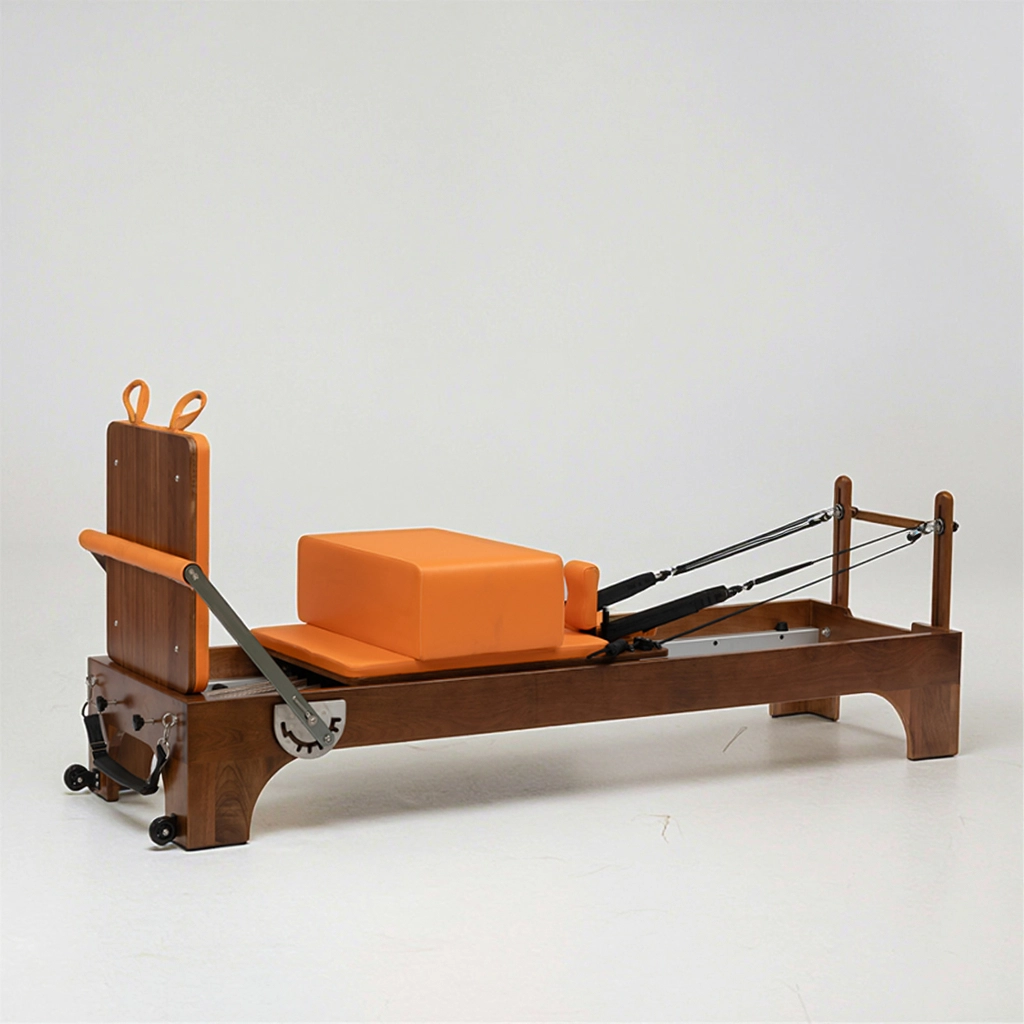
Reformer Pilates is not just a workout; it’s a system designed to build strength, improve mobility, enhance balance, and increase flexibility simultaneously. The reformer machine, with its springs and pulleys, offers resistance and support, making movements adaptable to all fitness levels.
Some of the key benefits our clients experience at FIT 850 include:
- Improved Posture: Pilates strengthens the core and stabilizing muscles, helping you maintain an upright posture and preventing slouching.
- Increased Flexibility: The controlled movements in Pilates lengthen the muscles, contributing to greater flexibility and mobility.
- Enhanced Muscle Tone: Pilates helps tone muscles without adding bulk, creating long, lean lines in the body.
- Mind-Body Connection: Pilates encourages mindfulness and body awareness, helping you engage with your body’s movements consciously.
- Low-Impact Recovery: Pilates is gentle on the joints, making it an ideal exercise for recovery and injury prevention.
While these benefits may not appear overnight, consistent practice will lead to noticeable changes in your body and overall well-being. The key is to find a balanced routine that works for your body and goals.
How Often Should You Do Reformer Pilates?
The ideal frequency for Pilates practice can vary depending on your experience level, goals, and how quickly your body adapts to the movements. However, most Pilates experts suggest that 2-3 reformer Pilates sessions per week is ideal for most people.
For Beginners:
If you’re new to reformer Pilates, starting with two classes per week is a great way to begin. This frequency allows your body to adjust to the new movements while still giving you time to recover between sessions. As your body becomes accustomed to Pilates, you can gradually increase the frequency of your classes.
For Intermediate to Advanced Clients:
If you’ve already been practicing Pilates for some time and have developed a solid foundation, 3-4 sessions per week may be more suitable, particularly if you’re focusing on strength, toning, or enhancing athletic performance. Regular practice at this frequency will help you progress faster and achieve more defined results.
For Posture, Balance, and Overall Wellness:
If your primary goal is to improve posture, balance, and general wellness, 2-3 times per week is usually enough to experience steady, sustainable progress.
At FIT 850, we’ve seen members who have practiced consistently for 8-12 weeks notice significant improvements in their posture, core strength, and muscle tone. Some clients even report feeling stronger and more fluid in their everyday activities after just a few weeks of reformer Pilates.
What Factors Influence Results in Reformer Pilates?
Not everyone will see the same results in the same amount of time, and several factors can influence how quickly and effectively Pilates will transform your body:
1. Your Specific Goals:
- Strength and Toning: To see progress in building strength and toning your muscles, consistency is key. Practicing 3 times per week will likely yield the best results.
- Flexibility and Recovery: Pilates can significantly improve flexibility. Even 1-2 sessions a week can make a noticeable difference in terms of stretching and muscle recovery.
- Weight Loss: While Pilates can help you build muscle, weight loss is best achieved by combining Pilates with regular cardiovascular exercise and a balanced diet. In this case, 2-3 Pilates sessions per week, along with cardio, is ideal.
2. Your Fitness Background:
If you have an athletic background or are already quite active, your body may respond to Pilates more quickly. However, beginners will still experience significant benefits, though it may take a little longer for your muscles to adjust.
3. Consistency:
As with any fitness regimen, regular practice is the most effective way to see results. Sporadic classes may still offer some benefits, but your progress will likely be slower than if you commit to a consistent schedule.
4. Form and Focus:
In Pilates, the quality of your movements matters more than the quantity. Practicing fewer sessions with excellent form will often yield better results than attending more classes without focusing on proper alignment and technique.
Tips for Beginners in Reformer Pilates
If you’re new to reformer Pilates, here are some tips to help you start your practice strong:
- Start Slow: Begin with 2 classes per week and gradually increase the frequency as your body adapts. Don’t rush; Pilates is a practice that improves over time.
- Listen to Your Body: Muscle soreness is normal in the beginning, but pain is a red flag. If you feel discomfort, it’s important to modify your movements and ask for guidance from your instructor.
- Ask Questions: Don’t hesitate to ask questions during class. At FIT 850, our instructors are always available to help you with alignment and proper form.
- Celebrate Small Wins: Don’t focus solely on big transformations. Celebrate the small victories, like improved balance, better posture, and a deeper connection with your core.
Making Pilates Part of Your Lifestyle
To see long-lasting results, Pilates should become more than just a short-term fitness goal. It should be a part of your regular lifestyle. Here are some tips to ensure Pilates fits seamlessly into your routine:
- Balance Pilates with Rest Days: Your muscles need time to recover and rebuild. Incorporate rest days into your routine to avoid overtraining.
- Mix Pilates with Other Activities: For a well-rounded fitness plan, consider combining Pilates with other activities such as walking, running, or strength training.
- Commit to Consistency: It’s better to commit to 2-3 classes per week over the long term than to attend several classes one week and none the next.
- Healthy Lifestyle Habits: Combine Pilates with good nutrition, hydration, and sleep. These healthy habits will accelerate your progress and enhance your overall results.
At MAD, we encourage our clients to find a Pilates routine that feels sustainable and works within their schedules. The ultimate goal isn’t just quick results—it’s to build long-term strength, resilience, and confidence in your body.
The Bottom Line
So, how often should you do reformer Pilates to see results? For most people, practicing Pilates 2-3 times per week is ideal for noticeable improvements in strength, flexibility, posture, and muscle tone. With consistent practice, proper form, and a balance of recovery, Pilates can offer lasting benefits that go beyond physical changes—it also helps you feel more connected to your body and improves the way you move through life.

If you’re ready to begin or deepen your Pilates practice, we invite you to join us at FIT 850. Our instructors bring a wealth of knowledge and experience to guide you on your journey. Together, we’ll help you find a pace that suits your needs, stay consistent, and allow Pilates to transform both your body and your life.
Sample Weekly Pilates Schedule for Optimal Results
Here’s a sample weekly schedule to help you achieve your fitness goals with Pilates:
- Monday: Reformer Pilates (strength and toning focus)
- Tuesday: Active rest day (light walking or yoga)
- Wednesday: Reformer Pilates (core and flexibility focus)
- Thursday: Strength training or cardio workout
- Friday: Reformer Pilates(posture and balance focus)
- Saturday: Rest or recreational activity (e.g., hiking, swimming)
- Sunday: Rest day
The Importance of Proper Breathing in Pilates
Breathing plays a crucial role in Pilates practice. Proper breathwork helps engage the core, enhances focus, and ensures that movements are controlled and effective. Here’s how to breathe effectively during your Pilates session:
- Inhale: Expand your rib cage and fill your lungs with air. Focus on breathing into the sides and back of your ribcage to fully activate your diaphragm.
- Exhale: Contract your abdominal muscles as you exhale, helping to engage the core and stabilize your spine during each movement.
Frequently Asked Questions (FAQs)
1. How quickly will I see results from reformer Pilates?
Results from Pilates can vary depending on consistency, form, and individual goals. Many clients notice improvements in posture and muscle tone within 6-8 weeks of consistent practice.
2. Is Pilates effective for weight loss?
Pilates can help tone muscles and improve overall strength, but it is most effective for weight loss when combined with a balanced diet and regular cardiovascular exercise.
3. Can I practice Pilates every day?
While Pilates is low-impact, it’s important to give your muscles time to recover. Practicing 2-3 times per week is ideal for most people, but you can incorporate Pilates into a more frequent workout schedule with proper rest days.
 English (United States)
  English (Canada)
  English (Australia)
  English (New Zealand)
  English (UK)
  Arabic
  Bulgarian
  Czech
Czech  Danish
  Greek
Greek  Spanish
  Ukrainian
  Turkish
  Thai
Thai  Swedish
  Serbian
  Slovenian
  Slovak
  Russian
  Romanian
  Portuguese (Portugal)
  Portuguese (Brazil)
  Norwegian
  Dutch
Dutch  Estonian
  Finnish
  French
  Hindi
Hindi  Croatian
  Indonesian
  Icelandic
  Italian
  Japanese
  Georgian
  German
  Lithuanian
  Polish
  Korean
  Uzbek
Uzbek  Hungarian
  Malay
Malay