
The cost of a single Reformer Pilates class typically ranges from £20 to £35 for a group session, while private one-on-one sessions can cost anywhere between £70 and £220 per hour. This price variation is heavily influenced by factors such as the location of the studio (urban centers like London being more expensive), the instructor’s level of clinical expertise, and whether you purchase single sessions or discounted class packs. While Reformer Pilates generally commands a higher price point than mat classes due to the expensive machinery and smaller class sizes required for safety, the investment reflects the personalized attention and specialized equipment access you receive.
Introduction: Understanding the Price Tag of Pilates
When you begin researching Pilates, you are often met with a confusing array of numbers. Why does one studio charge £10 while another charges £150? Is there a tangible difference?
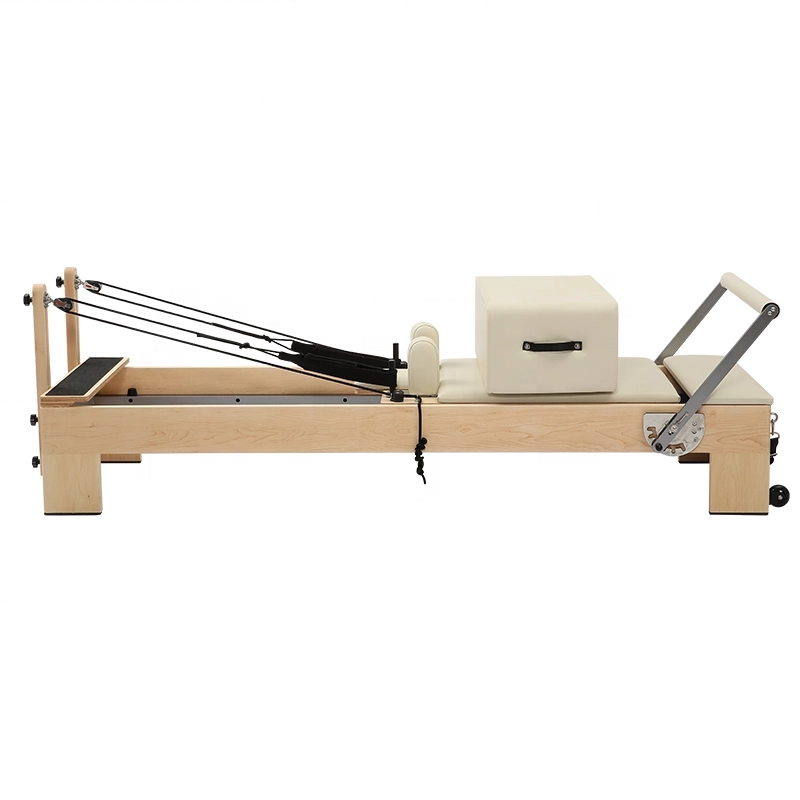
The world of Pilates is divided into various disciplines and delivery methods, each carrying its own price tag. From digital subscriptions accessed in your living room to high-end clinical rehabilitation studios using state-of-the-art machinery, the spectrum is vast. Specifically, when we talk about Reformer Pilates, we are discussing a specialized form of exercise that utilizes a complex apparatus designed by Joseph Pilates. This equipment uses springs, pulleys, and a gliding carriage to create resistance, requiring significant space and maintenance, which naturally influences the cost.
This article breaks down the financial landscape of Reformer Pilates, comparing it against other formats to help you decide where to best invest your health budget.
What Is the Average Cost Breakdown by Class Type?
To give you a clear picture of the market, we have categorized the costs based on the format of the session. Prices are indicative of the current UK market, with a focus on metropolitan areas.
| Type of Class | Format | Average Price Range (Per Session) |
|---|---|---|
| Group Reformer Pilates | In-Person Studio | £22 – £35 |
| Private 1:1 Reformer | In-Person Studio | £70 – £220 |
| Duet (2:1) Reformer | In-Person Studio | £30 – £65 (per person) |
| Group Mat Pilates | In-Person Studio | £10 – £20 |
| Online Pilates | Virtual/On-Demand | Free – £30 (monthly subscription) |
Note: Prices in central London and specialized rehabilitation clinics will typically be at the higher end of these spectrums.
Why Is Reformer Pilates More Expensive Than Mat Pilates?
A common question beginners ask is why they should pay £30 for a Reformer class when a Mat class is £12. The difference lies in the hardware and the ratios.
The Equipment Factor
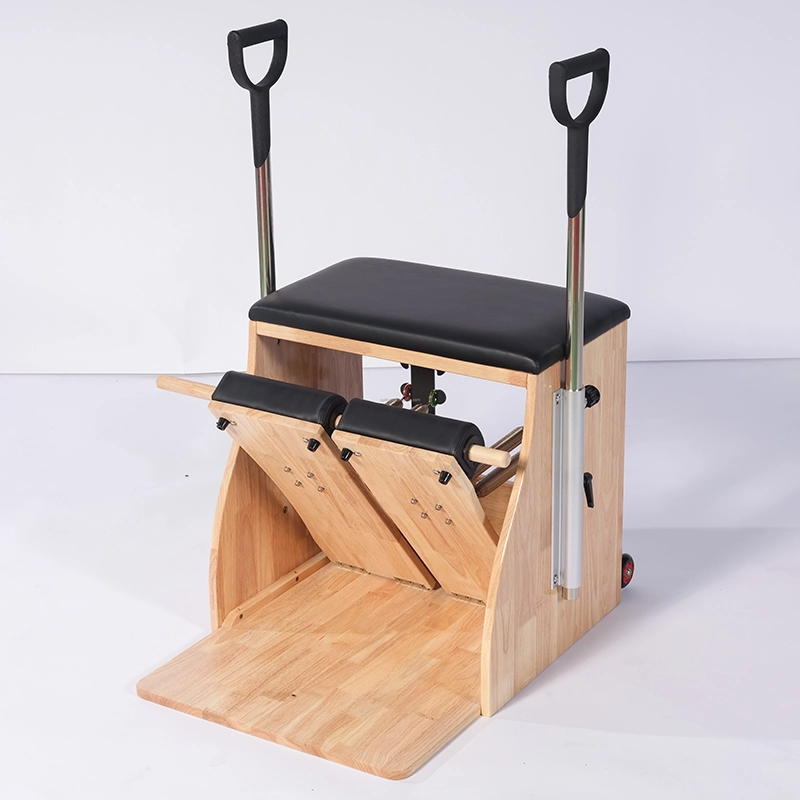
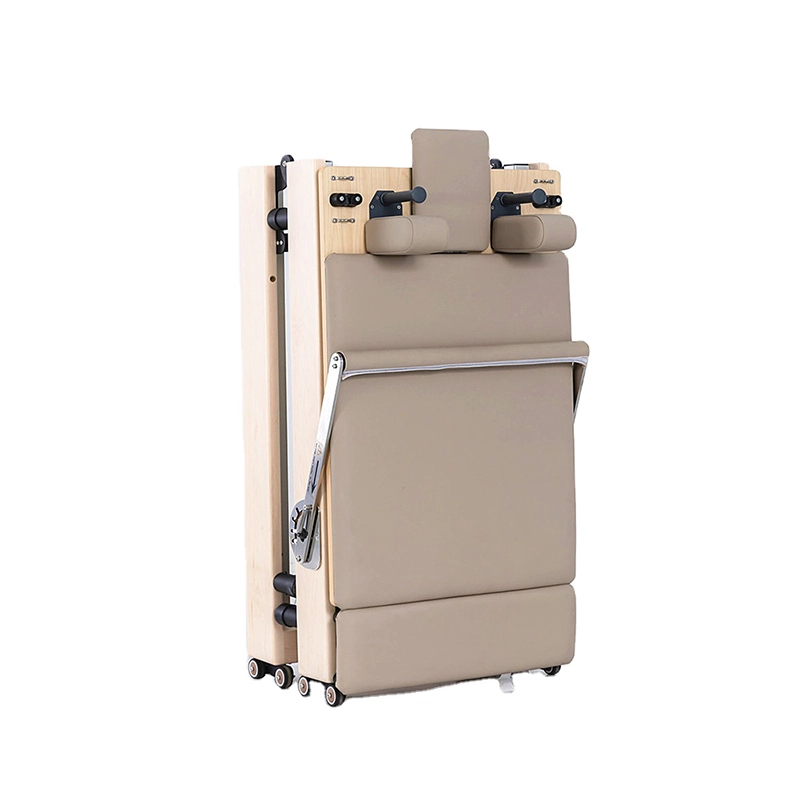
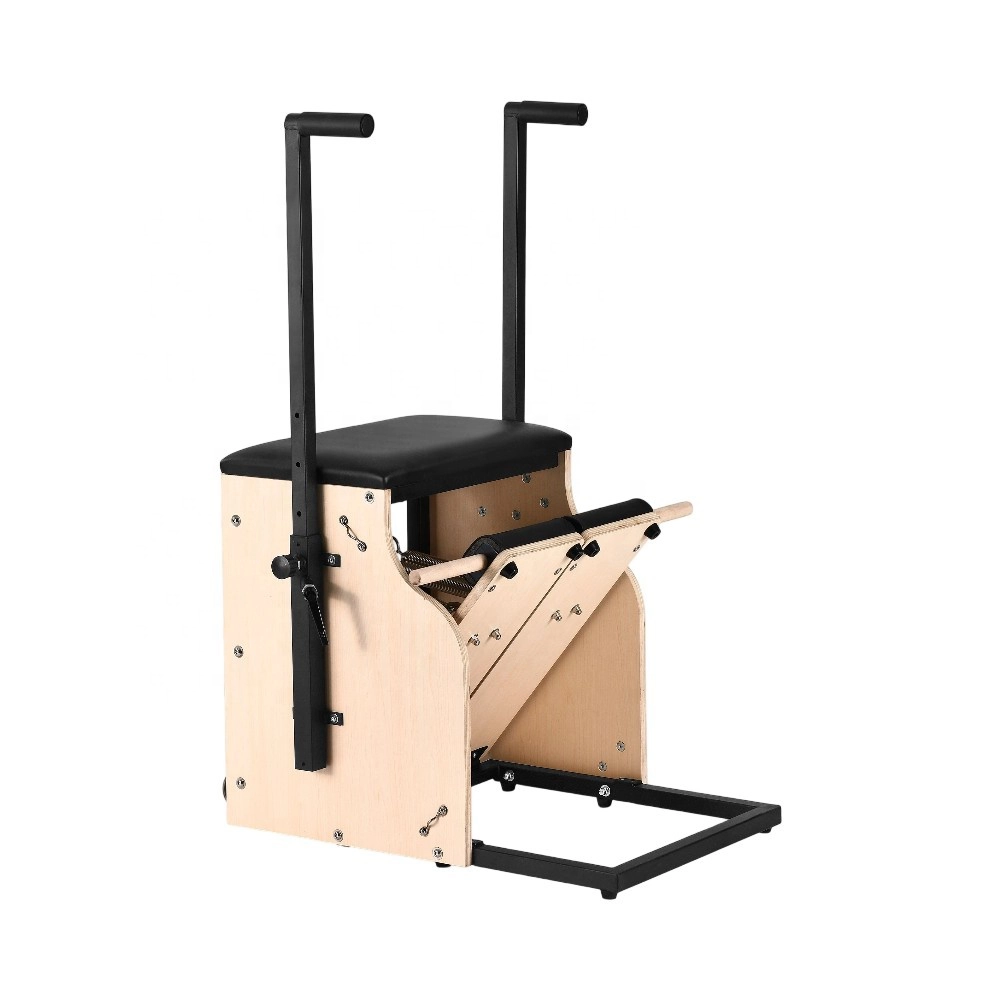
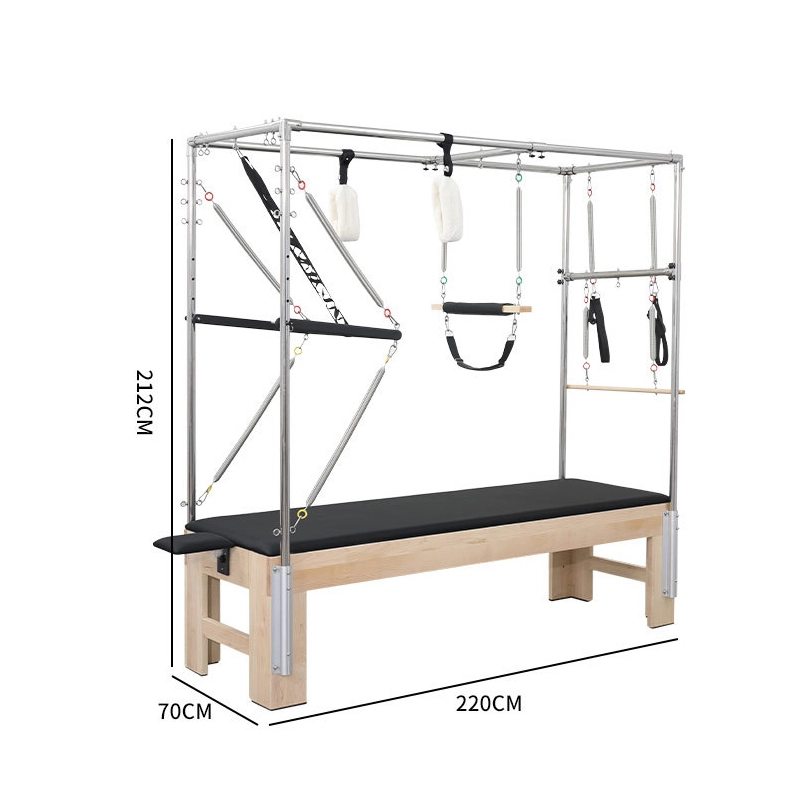
A Pilates Reformer is a large, precision-engineered piece of equipment. Studios must purchase, house, and maintain these machines. The springs need regular safety checks, and the upholstery requires cleaning and repair. These overheads are significantly higher than a hall requiring only foam mats.
The Supervision Ratio
Mat classes can accommodate 20 or more people if the room allows. However, a Reformer class is usually capped at 8 to 12 participants. This cap is necessary for safety—navigating the moving carriage requires strict form. Because the class size is smaller, the cost per head must be higher to cover the instructor’s time and studio rent.
What Influences the Cost of a Reformer Session?
Several variables dictate whether you will pay the lower or higher end of the price range. Understanding these can help you find a class that fits your budget without compromising safety.
1. Instructor Expertise and Qualifications
Not all instructors are created equal. The fitness industry is unregulated, meaning “Pilates Instructor” can be a title used by someone with a weekend certification or someone with a 4-year degree.
- Fitness Pilates Instructors: Generally cheaper. Focus on a good workout, sweat, and general toning.
- Clinical Pilates Instructors / Physiotherapists: More expensive. These professionals have deep anatomical knowledge and often hold degrees in physiotherapy. They can modify exercises for injuries, pregnancy, or chronic conditions. You are paying for medical-grade supervision.
2. Studio Location
Real estate prices drive studio costs. A boutique studio in Kensington or Chelsea will charge premium rates to cover their rent. Conversely, a studio in a community center or a rural area will have lower operating costs and can pass those savings on to you.
3. Class Format: Private vs. Group
- Private (1:1): The gold standard. You have the machine and the instructor’s eyes entirely to yourself. This is ideal for beginners or those rehabilitating an injury.
- Duet (2:1): A fantastic middle ground. You bring a friend or partner. The cost is split, making it more affordable than a private session, but you still get significant personal attention.
- Group: The most economical way to access the Reformer. However, ensure the class size is small enough (ideally under 10) that the instructor can correct your form.
How Does Booking in Blocks or Memberships Save Money?
If you are committed to regular practice, paying “drop-in” rates (single class prices) is the most expensive way to do Pilates. Studios use dynamic pricing models to reward loyalty.
Block Bookings
Most studios offer packs of 5, 10, or 20 sessions. Purchasing a block of 10 classes can often reduce the per-class price by 10% to 15%. This requires an upfront payment but lowers the long-term cost.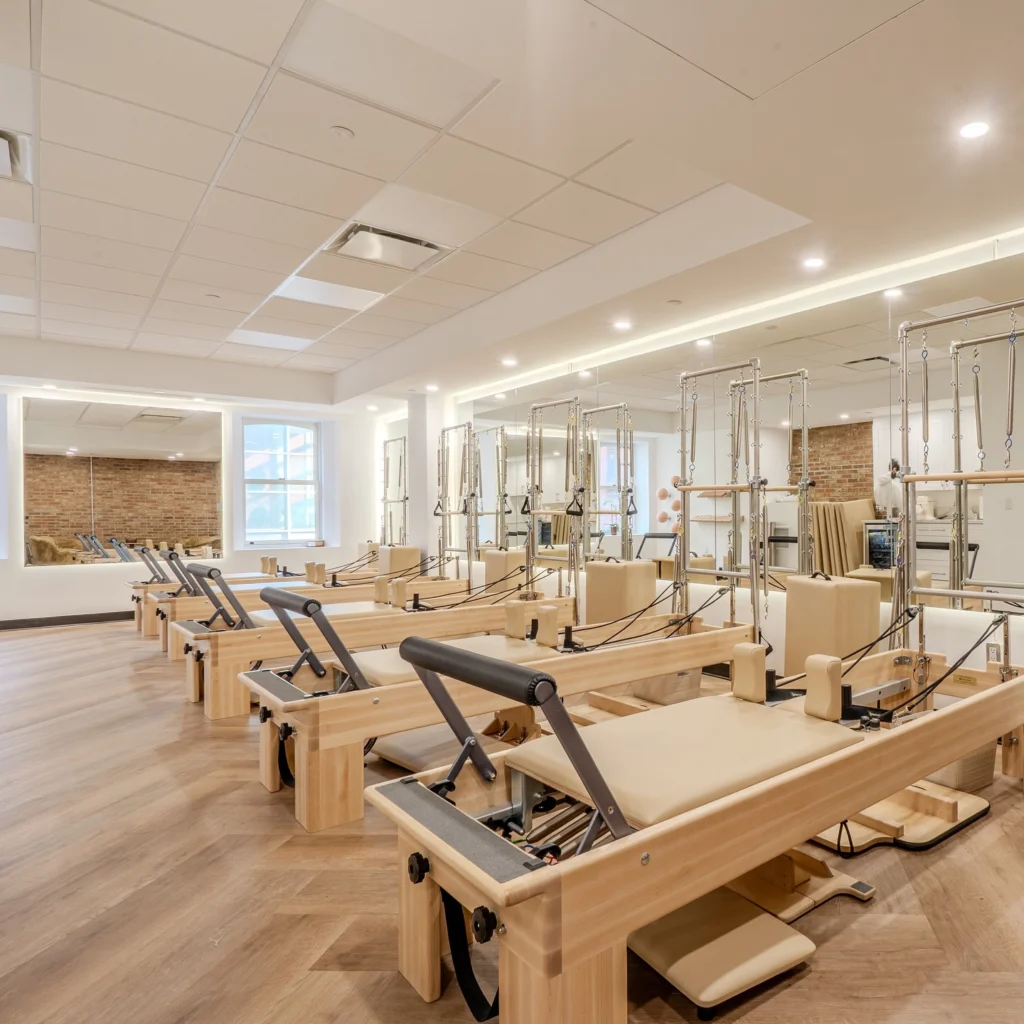
Monthly Memberships
For the dedicated practitioner attending 2-3 times a week, a monthly membership is the most cost-effective route. These operate like gym memberships, offering a set number of classes per month via direct debit. This guarantees income for the studio and offers you the best “per class” rate available.
Is Online Pilates a Viable Alternative to Reformer Studios?
While this article focuses on Reformer costs, the rise of digital fitness cannot be ignored.
The Cost of Digital
Online Pilates is incredibly accessible. You can find high-quality content on YouTube for free, or subscribe to premium On-Demand platforms for £20-£40 per month.
The Limitation
The drawback is the lack of equipment. Unless you own a home Reformer (which costs thousands), online classes are restricted to Mat work. While beneficial, Mat Pilates does not offer the spring-loaded resistance that defines the Reformer experience. However, blending online Mat classes with one weekly in-studio Reformer session is a popular strategy to manage costs.
Is the High Cost of Reformer Pilates Worth It?
Investing in Reformer Pilates is investing in your body’s longevity. Unlike high-impact exercises that can wear down joints over time, Pilates is restorative.
Long-Term Value
- Injury Prevention: Strengthening the deep stabilizing muscles protects the back and joints, potentially saving money on future medical bills or physiotherapy.
- Efficiency: The resistance of the Reformer means you often fatigue muscles faster than with bodyweight alone, making for a highly efficient workout.
- Personalization: Even in a group setting, the springs can be adjusted to your specific strength level, allowing a 20-year-old athlete and a 70-year-old retiree to work out safely side-by-side.
Cost Comparison Table – What Do You Get for Your Money?
To help visualize the value proposition, here is a comparison of what you typically receive at different price points.
| Service Tier | Price (Approx) | What’s Included | Best For |
|---|---|---|---|
| Budget / Community | £10 – £15 | Large group mat class in a hall/gym. General instruction. | Maintenance, social fitness, low budget. |
| Standard Studio Group | £25 – £35 | Small group Reformer (max 10). Certified instructor. Specialized equipment. | Fitness, toning, learning the Reformer. |
| Clinical / Physio-Led | £40 – £60 | Very small group or semi-private. Taught by a Physiotherapist. Injury management focus. | Recovery, chronic pain, pre/post-natal. |
| Private 1:1 | £80 – £150+ | 100% attention. Bespoke program. Hands-on correction. Full studio access. | Beginners, specific rehabilitation, rapid progress. |
Three Tips to Make Reformer Pilates More Affordable
If the prices seem steep, consider these strategies to fit Pilates into your budget without sacrificing quality.
- Look for Intro Offers: Almost every studio has a “First Timer” deal. This might be “3 classes for £40” or “2 weeks unlimited for £50.” Use these to test different studios and instructors before committing to a membership.
- Off-Peak Pricing: Some studios offer lower rates for classes held during “dead times,” such as mid-morning (10 am – 11 am) or mid-afternoon (2 pm – 4 pm). If your schedule is flexible, this can save you money.
- The “Hybrid” Approach: Do not feel pressured to do Reformer 3 times a week. One high-quality Reformer session combined with two affordable home Mat workouts is a sustainable and effective routine.
Frequently Asked Questions (FAQs)
1. Why are clinical Pilates sessions so much more expensive?
Clinical Pilates sessions are typically led by a qualified Physiotherapist or a Clinical Pilates Specialist. You are not just paying for a workout; you are paying for medical expertise. These instructors can diagnose movement faults, prescribe specific exercises to heal injuries, and ensure you do not aggravate existing conditions. The premium price reflects their years of medical training and the highly personalized nature of the session.
2. Can I learn Reformer Pilates online to save money?
You can only learn Reformer Pilates online if you have a Reformer machine at home. These machines are expensive to buy (starting around £1,500) and take up significant space. If you do have one, online subscriptions are a fantastic way to save money compared to studio fees. If you do not have a machine, you are limited to Mat Pilates online.
3. How many sessions do I need to see results?
Joseph Pilates famously said, “In 10 sessions you’ll feel the difference, in 20 you’ll see the difference, and in 30 you’ll have a whole new body.” Ideally, attending 2 to 3 times a week yields the best results. However, consistency is key. Even once a week, if maintained over months, will improve your core strength and posture significantly compared to sporadic attendance.
Closing Thoughts: Viewing Pilates as an Investment
While the cost of Reformer Pilates can initially seem high compared to a standard gym membership, it is important to view it through the lens of value rather than just price. You are accessing specialized machinery and, more importantly, specialized knowledge that teaches you how to move your body efficiently and pain-free.
Whether you opt for a group class to build fitness or invest in private sessions to rehabilitate an injury, the return on investment is a stronger, more resilient body. We recommend starting with an introductory offer at a reputable studio to feel the difference for yourself. If you are in London, consider visiting a studio that employs clinically trained staff to ensure you are getting the safest and most effective experience possible.

 English (United States)
  English (Canada)
  English (Australia)
  English (New Zealand)
  English (UK)
  Arabic
  Bulgarian
  Czech
Czech  Danish
  Greek
Greek  Spanish
  Ukrainian
  Turkish
  Thai
Thai  Swedish
  Serbian
  Slovenian
  Slovak
  Russian
  Romanian
  Portuguese (Portugal)
  Portuguese (Brazil)
  Dutch
Dutch  Estonian
  Finnish
  French
  Hindi
Hindi  Croatian
  Indonesian
  Icelandic
  Italian
  Japanese
  Georgian
  German
  Lithuanian
  Polish
  Korean
  Uzbek
Uzbek  Hungarian
  Malay
Malay