
Reformer Pilates is an exceptional method for “toning” the body, though the term itself requires some physiological definition. What people typically refer to as “toning” is the result of increasing lean muscle mass while simultaneously reducing body fat to reveal that muscular definition. Reformer Pilates excels at the former by utilizing spring-based resistance to create eccentric muscle contractions—lengthening the muscle under tension—which builds long, lean, and functional strength without the bulk associated with heavy weightlifting. When combined with a consistent schedule and proper nutrition, Reformer Pilates sculpts the physique, tightens the core, and improves posture, creating a visibly more “toned” and streamlined appearance.
1. How Does the Reformer Machine Actually Sculpt and Change Your Body?
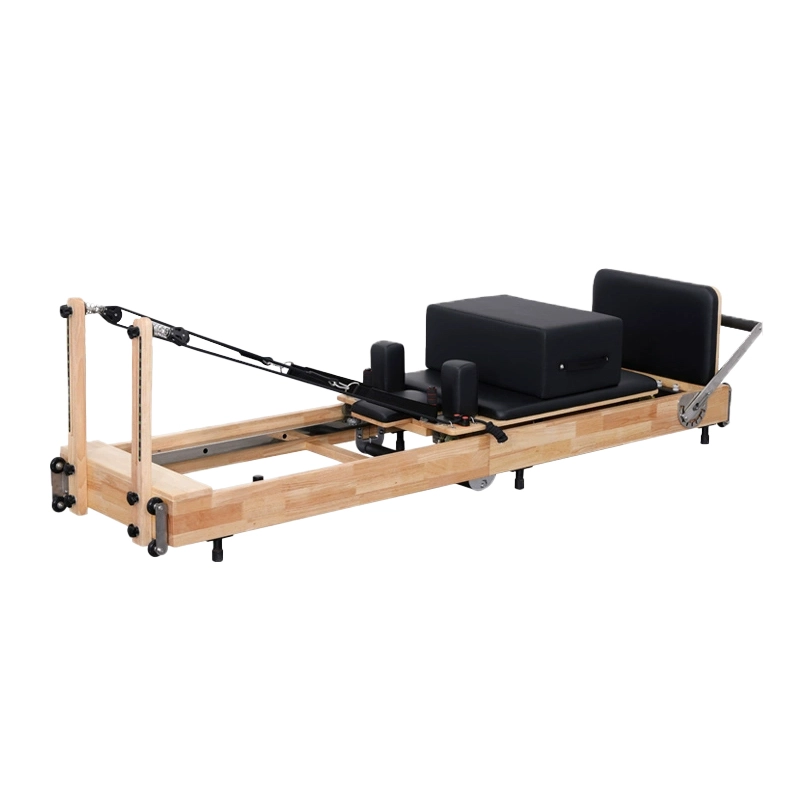
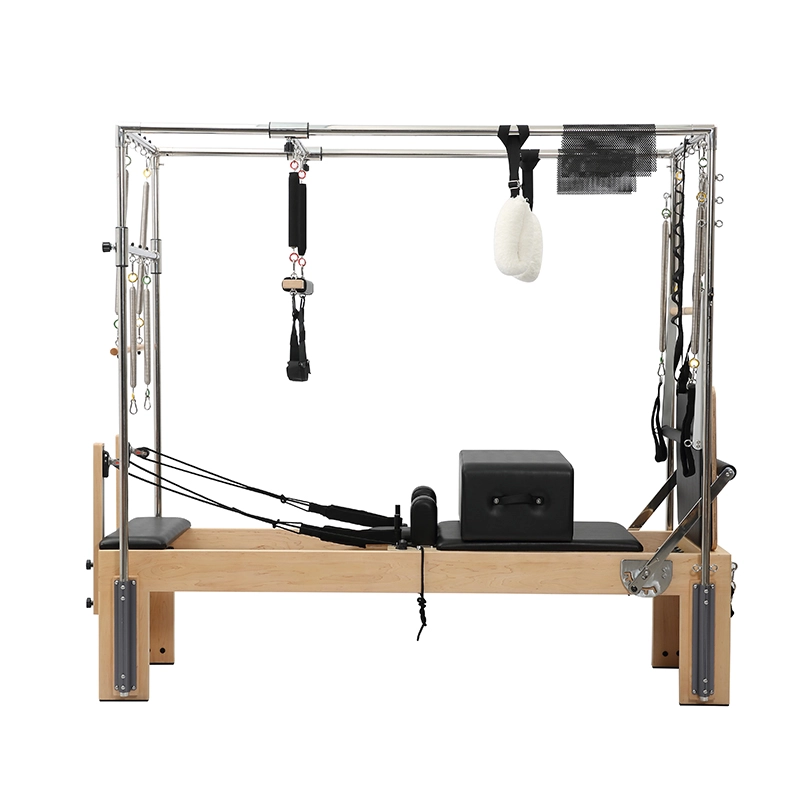
To understand why Reformer Pilates is so effective for toning, we must look beyond the hype and examine the mechanics of the machine and the physiology of the human body. The Reformer is not just a sliding carriage; it is a sophisticated apparatus designed to highlight imbalances and force the body to work as a cohesive unit.
The Power of Spring Resistance vs. Dead Weight
In a traditional gym setting, you lift “dead weight” (dumbbells or barbells). This provides constant resistance against gravity. However, the Reformer uses springs. Springs provide what is known as progressive variable resistance.
- The Tension Curve: As you stretch a spring, the tension increases. This means your muscles have to work harder at the peak of the movement—precisely where they are weakest.
- The Eccentric Phase: The magic of Pilates toning lies in the return phase. As you return the carriage to the stopper, the springs want to snap back. You must resist this urge, slowly controlling the return. This is called an eccentric contraction. Research shows that eccentric training is potent for building muscle strength and density (toning) and is the primary driver for creating the “long, lean” aesthetic associated with Pilates practitioners.
Isometric Holds and Static Strength
Reformer Pilates frequently utilizes isometric contractions, where you hold a position under tension without moving. Think of exercises like the “Long Stretch” (a plank on the machine).
- Muscle Density: These holds force the muscle fibers to fire continuously to stabilize the body. This increases muscle endurance and density, making the muscles feel firmer to the touch.
- Joint Stability: It’s not just the big muscles that get toned. Small stabilizing muscles around the rotator cuff, hips, and knees are activated, “tightening” the area around the joints and contributing to a more compact physique.
The “Corset” Effect
One of the most sought-after results of Reformer Pilates is a flatter stomach. This is achieved not by doing hundreds of crunches, but by engaging the Transversus Abdominis (TVA).
- Internal Support: The TVA wraps around the torso like a corset. Reformer exercises force you to engage this deep muscle to stabilize the pelvis on the moving carriage.
- Visual Toning: When the TVA is strong, it physically pulls the waist in, creating an hourglass figure and flattening the lower belly protrusion that simple diet often cannot address.
2. What Is the Realistic Timeline for Seeing Tangible Results?
Joseph Pilates, the founder of the method, gave us a famous benchmark: “In 10 sessions you will feel the difference, in 20 you will see the difference, and in 30 you will have a whole new body.” But does this hold up to modern scrutiny? Let’s break down the physiological timeline of toning.
Phase 1: Neural Adaptation (Weeks 0–4)
- The Feeling: In the first few weeks (approximately 1–8 sessions), you might not see your biceps bulging or your abs popping, but you will feel different.
- The Mechanism: This is the phase of neuromuscular adaptation. Your brain is learning how to talk to your muscles more efficiently. Dormant muscle fibers are waking up. You will feel taller, your posture will improve (which instantly makes you look slimmer), and you will experience the “wellbeing” rush of endorphins.
- Body Awareness: You start to understand where your body is in space (proprioception). You realize you’ve been standing with your weight on one hip, or hunching your shoulders. Correcting this is the first step toward a toned look.
Phase 2: Structural Change and Definition (Weeks 6–12)
- The Vision: Around the 20-session mark (if practicing consistently), visual changes begin. This is where friends might ask, “Have you been working out?”
- The Mechanism: Hypertrophy (muscle growth) begins to occur. The constant eccentric loading causes microscopic tears in the muscle fibers, which repair themselves to be stronger and denser.
- Visible Signs: You may notice lines of definition in your arms (triceps), a lift in the glutes, and a tightening of the thighs. Your core stability has improved enough that you are now holding yourself upright effortlessly, which changes your silhouette.
Phase 3: The “New Body” (Month 3 and Beyond)
- The Transformation: After 30+ sessions, or roughly 3 months of consistent practice, the cumulative effect of improved posture, increased muscle mass, and enhanced mobility creates a “new body.”
- The Mechanism: Your Basal Metabolic Rate (BMR) has likely increased because muscle tissue burns more calories at rest than fat tissue. This metabolic boost helps strip away body fat, revealing the muscle definition underneath. You are stronger, more flexible, and move with a fluid grace that implies athleticism.
3. Why Are Balance, Mobility, and Coordination Critical for a Toned Look?
Toning isn’t just about muscle size; it’s about how the body moves and holds itself. A stiff, bulky body looks different from a fluid, agile one. Reformer Pilates targets the latter through three key pillars.
Mobility: The Antidote to Stiffness
Muscles that are “toned” but short and tight can lead to a bulky or hunched appearance.
- Dynamic Stretching: Exercises like the “Mermaid” or “Feet in Straps” strengthen the muscle while stretching it. This improves the range of motion in the hips and spine.
- Aesthetic Result: Improved mobility allows you to stand fully upright with an open chest and lengthened neck. This “elongation” is a hallmark of the Pilates look, making the limbs appear longer and leaner.
Balance: Engaging the Deep Stabilizers
Exercises like “Standing Side Splits” or “Scooter” require you to balance on one leg while moving the other against resistance.
- Micro-Movements: To stay upright, your body makes thousands of micro-adjustments per second. This fires up the deep stabilizing muscles that standard gym exercises miss.
- Aesthetic Result: This results in “wrapped” muscle tone, where the leg looks firm from every angle, not just the front (quad) or back (hamstring).
Coordination: Brain Training
Reformer Pilates often asks you to pat your head and rub your tummy—metaphorically. You might be extending your legs while pulling straps with your arms and stabilizing your core.
- Dissociation: This is the ability to move one body part while keeping another perfectly still. It requires immense mental focus and control.
- Aesthetic Result: This leads to graceful, efficient movement patterns. You stop moving “heavily” and start moving with precision. A body that moves efficiently looks more athletic and toned.
4. How Often Should You Practice to Achieve Maximum Definition?
The frequency of your practice is the volume knob for your results. While any Pilates is better than no Pilates, there is a science to the schedule.
The Beginner’s Cadence (1–2 Times Per Week)
- Goal: Learning the ropes and recovery.
- Expectation: At this frequency, you will feel better and improve mobility, but visible “toning” will be slow. The body needs more frequent stimulus to trigger significant muscle growth.
- Advice: Use this phase to perfect your form. Poor form means you aren’t targeting the right muscles, which means no toning.
The Transformation Zone (3–4 Times Per Week)
- Goal: Hypertrophy and metabolic shift.
- Expectation: This is the sweet spot. By hitting the muscles every other day, you provide enough stimulus to force adaptation (growth/toning) while allowing 24–48 hours for recovery.
- Advice: Mix up the intensity. Do a “Jumpboard” class for cardio/fat burn one day, and a heavy resistance “Strength” class the next.
The Recovery Imperative
- The Myth: “More is always better.”
- The Reality: Muscles do not grow while you are working out; they grow while you are sleeping and recovering. If you do intense Reformer Pilates 7 days a week, you risk overtraining.
- Cortisol: Overtraining spikes cortisol, a stress hormone that can cause the body to hold onto belly fat and break down muscle tissue—the exact opposite of toning. Listen to your body. If you are exhausted, rest.
5. What Role Does Nutrition and Lifestyle Play in the Toning Equation?
You cannot out-train a bad diet, and you cannot see muscle tone if it is covered by a layer of excess adipose tissue (body fat). Reformer Pilates is the architect, but nutrition supplies the bricks.
The Protein Requirement
- Building Blocks: To “tone” is to build muscle. Muscle is made of protein. If you are tearing down muscle fibers on the Reformer but not eating enough protein to repair them, you will not see definition.
- Strategy: Ensure you are consuming adequate lean protein (chicken, fish, tofu, legumes) distributed throughout the day, especially after your class.
The Body Fat Component
- The Truth About Toning: “Toning” is largely a game of body fat percentage. You can have the strongest abs in the world, but if your body fat is high, you won’t see them.
- Caloric Deficit: To reveal the muscle you are building on the Reformer, you may need to be in a slight caloric deficit (burning more energy than you consume), depending on your starting point.
- Whole Foods: Focus on nutrient-dense whole foods that fuel your workout and recovery without adding empty calories.
Sleep and Hormones
- Growth Hormone: Human Growth Hormone (HGH), which aids in muscle repair and fat metabolism, is primarily released during deep sleep.
- Stress Management: High stress levels ruin toning efforts. Pilates helps reduce stress (lowering cortisol), but you must support this with 7–9 hours of quality sleep.
6. How Does the “Wellbeing” Aspect Contribute to Physical Toning?
It might seem disconnected, but the mental benefits of Pilates directly impact your physical results.
The Neurochemical Cocktail
- Endorphins & Serotonin: Vigorous Reformer exercise releases these “feel-good” chemicals. When you feel good, you are more likely to make healthy food choices and stick to your workout routine.
- Consistency Loop: Motivation is fleeting; habit is key. The enjoyment factor of Reformer Pilates (it’s fun to glide!) keeps people coming back long after the New Year’s resolution has faded.
Breath and Stress
- Diaphragmatic Breathing: Pilates teaches lateral thoracic breathing. This calms the Sympathetic Nervous System (Fight or Flight).
- Belly Fat Connection: By keeping the body in a Parasympathetic state (Rest and Digest), you reduce the hormonal drive to store visceral fat in the abdomen. Thus, breathing properly actually helps you slim your waistline.
7. Which Reformer Exercises Are Best for Toning Specific Areas?
If you are looking to target specific body parts for toning, look for classes that incorporate these “Holy Grail” Reformer exercises.
For Toned Legs and Glutes
- The Scooter: Standing on one leg, kicking back with the other. This isolates the glutes and hamstrings while stabilizing the hips.
- Side-Lying Leg Series: With the strap on one foot, you perform lifts and circles. This targets the Glute Medius (outer hip) and inner thighs, creating sculpted, shapely legs.
For Flat Abs and Core
- Short Box Series: Sitting on the box, hooking feet under a strap, and hinging back. This is pure eccentric abdominal work, flattening the rectus abdominis.
- The Hundred: The classic warm-up. It acts as an isometric hold for the abs while the breath pumps the system, firing up the deep core immediately.
For Sculpted Arms and Back
- Rowing Series: Sitting on the carriage facing back, pulling straps. This targets the posterior deltoids, rhomboids, and triceps, banishing “arm jiggle” and improving posture.
- Chest Expansion: Kneeling and pressing arms back against resistance. This opens the chest and tones the triceps and upper back muscles.
8. Why Choosing the Right Instructor Matters for Toning
Not all Pilates classes are created equal. The effectiveness of your “toning” depends heavily on the person guiding you.
Form is Everything
- Cheating the Movement: It is very easy to “cheat” on a Reformer. You can use momentum instead of muscle, or let the springs do the work for you.
- The Instructor’s Eye: A qualified instructor will spot micro-misalignments. They will ensure you are actually engaging the muscle you are trying to tone. For example, in a lunge, if your knee drifts inward, you lose the glute activation. An instructor corrects this, ensuring you get 100% of the benefit.
Progressive Overload
- Stagnation: If you use the same spring settings for a year, you will stop toning. Your body adapts.
- The Push: A good instructor knows when to encourage you to add a spring, or conversely, when to take a spring away (which often makes the core work harder!). They manage your “Progressive Overload” to ensure continuous results.
Frequently Asked Questions
Can I see results by doing Reformer Pilates once a week?
Yes, but manage your expectations.
Doing Reformer Pilates once a week is excellent for maintenance, stress relief, and mobility. You will likely feel better and move with less pain. However, for visible toning and structural body change, once a week is rarely enough stimulus. The body tends to revert to its baseline between sessions. To see definition, muscle growth, and significant fat loss, you generally need to hit the threshold of 3–4 sessions per week, or supplement your one weekly class with other forms of strength training at home.
Is Reformer Pilates enough to tone your body on its own?
It depends on your definition of “enough” and your starting point.
For the vast majority of people, yes, Reformer Pilates provides sufficient resistance to build lean muscle and tone the entire body. It is a full-body strength workout.
- Caveat: If your goal is to look like a bodybuilder (hypertrophy) with massive muscle bulk, Pilates will not achieve that; you would need heavy weightlifting.
- Caveat: If you have a high percentage of body fat, Pilates will build the muscle underneath, but you may need to add a nutritional deficit or higher-intensity cardio (like Jumpboard Pilates or walking/running) to shed the fat layer and reveal the tone.
How much is “too much” Reformer Pilates?
Listen to your body, not just the schedule.
Pilates is low-impact, meaning it is safer to do frequently than high-impact sports like CrossFit or running. Many people practice 5–6 times a week safely.
However, “too much” is defined by your recovery.
- Signs of Overtraining: Persistent fatigue, dreading the workout, irritability, poor sleep, or nagging joint pain.
- The Fix: If you hit this wall, do not quit. Just dial back. Switch to a “Stretch and Flow” class instead of a “Power Pilates” class. The beauty of the Reformer is its versatility; it can be a gym one day and a massage table the next.
Conclusion
Is Reformer Pilates good for toning? It is arguably one of the most sophisticated and effective tools available for creating a balanced, strong, and aesthetically pleasing physique. By leveraging the unique physics of spring resistance, it lengthens and strengthens muscles simultaneously, creating a look that is firm yet fluid.
While results require patience—adhering to the 10/20/30 session rule—and consistency, the transformation is often profound. It goes beyond just the visual “tone” of a muscular arm or a flat stomach; it tones your posture, your movement patterns, and your mental resilience. When supported by adequate nutrition, rest, and expert instruction, Reformer Pilates does not just change how your body looks; it changes how your body lives. So, book that class, trust the process, and get ready to meet your new body.
 English (United States)
  English (Canada)
  English (Australia)
  English (New Zealand)
  English (UK)
  Arabic
  Bulgarian
  Czech
Czech  Danish
  Greek
Greek  Spanish
  Ukrainian
  Turkish
  Thai
Thai  Swedish
  Serbian
  Slovenian
  Slovak
  Russian
  Romanian
  Portuguese (Portugal)
  Portuguese (Brazil)
  Norwegian
  Dutch
Dutch  Estonian
  Finnish
  French
  Hindi
Hindi  Croatian
  Indonesian
  Icelandic
  Italian
  Japanese
  Georgian
  German
  Lithuanian
  Polish
  Korean
  Uzbek
Uzbek  Hungarian
  Malay
Malay