
Pilates can be a highly effective tool for reducing belly fat and achieving a leaner midsection, though it functions differently than traditional cardio. While it is impossible to “spot reduce” fat solely through movement, Pilates acts as a powerful catalyst for weight loss by building metabolically active lean muscle, lowering cortisol levels (which drives belly fat storage), and strengthening the deep abdominal muscles to pull the waistline in. When combined with a calorie-conscious diet, Pilates creates the physiological environment necessary to shed visceral fat and reveal a toned core.
1. Why Is Pilates Considered a Secret Weapon for Core Reduction?
For decades, fitness enthusiasts and rehabilitation patients alike have viewed Pilates as a method for flexibility. However, a growing body of evidence and anecdotal success stories point to it being a premier discipline for body recomposition, particularly around the midsection. Unlike high-impact exercises that can leave the body inflamed and depleted, Pilates offers a sustainable pathway to weight loss.
The “Powerhouse” Concept
Joseph Pilates, the founder of the method, centered his entire philosophy around the “Powerhouse.” This refers to the band of muscles encircling the torso, including the abdominals, lower back, hips, and glutes. While crunches work the superficial “six-pack” muscles, Pilates targets the transversus abdominis—the deepest layer of abdominal muscle. When this muscle is strengthened, it acts like a natural corset, cinching the waist and flattening the belly appearance, even before significant fat loss occurs.
Muscle Density and Metabolism
There is a misconception that you must be gasping for air to lose weight. In reality, your Basal Metabolic Rate (BMR)—the calories you burn at rest—is dictated largely by your muscle mass. Pilates, specifically when performed with resistance (like on a Reformer) or with body weight (Mat Pilates), induces muscle hypertrophy.
Muscle tissue is metabolically expensive. By replacing fat tissue with lean muscle through Pilates, you effectively turn your body into a more efficient calorie-burning machine 24 hours a day. This passive calorie burn is crucial for long-term belly fat reduction.
2. How Does Pilates Biologically Counteract Belly Fat Storage?
To understand how Pilates helps you lose belly fat, we must look at the hormones that control fat distribution. The midsection is often the repository for “stress fat,” and Pilates is uniquely equipped to combat this.
The Cortisol Connection
One of the primary drivers of visceral fat (the dangerous fat stored deep in the belly around organs) is cortisol, the stress hormone. When the body is in a state of chronic stress, it produces excess cortisol, which specifically signals the body to store fat in the abdominal region as a survival mechanism.
High-intensity interval training (HIIT), while effective for burning calories, can sometimes spike cortisol levels further if the body is not properly recovered. Pilates, conversely, emphasizes rhythmic breathing and mindfulness. This down-regulates the nervous system, shifting the body from “fight or flight” to “rest and digest.” By lowering cortisol levels, Pilates removes the hormonal barrier to fat loss, allowing the body to finally let go of stubborn belly fat.
Improving Insulin Sensitivity
Regular resistance training, such as Pilates, improves insulin sensitivity. This means your cells become more effective at absorbing glucose from the bloodstream to use for energy, rather than storing it as fat. Improved insulin regulation is a key factor in preventing and reducing abdominal obesity.
3. What Specific Pilates Styles accelerate Weight Loss?
Not all Pilates classes are created equal. While a gentle restorative class has its benefits, those strictly looking to lose weight and burn belly fat should focus on specific modalities that increase heart rate and resistance.
Power Pilates and Circuit Training
If your goal is caloric expenditure, Power Pilates is the answer. These classes take the traditional principles of control and precision but accelerate the tempo. By minimizing rest time between exercises and incorporating continuous movement, the heart rate stays in an aerobic zone.
This creates an “afterburn” effect, known scientifically as Excess Post-exercise Oxygen Consumption (EPOC). After a vigorous Power Pilates session, your body continues to burn calories at an accelerated rate for hours as it attempts to return to homeostasis.
Reformer Pilates: The Resistance Factor
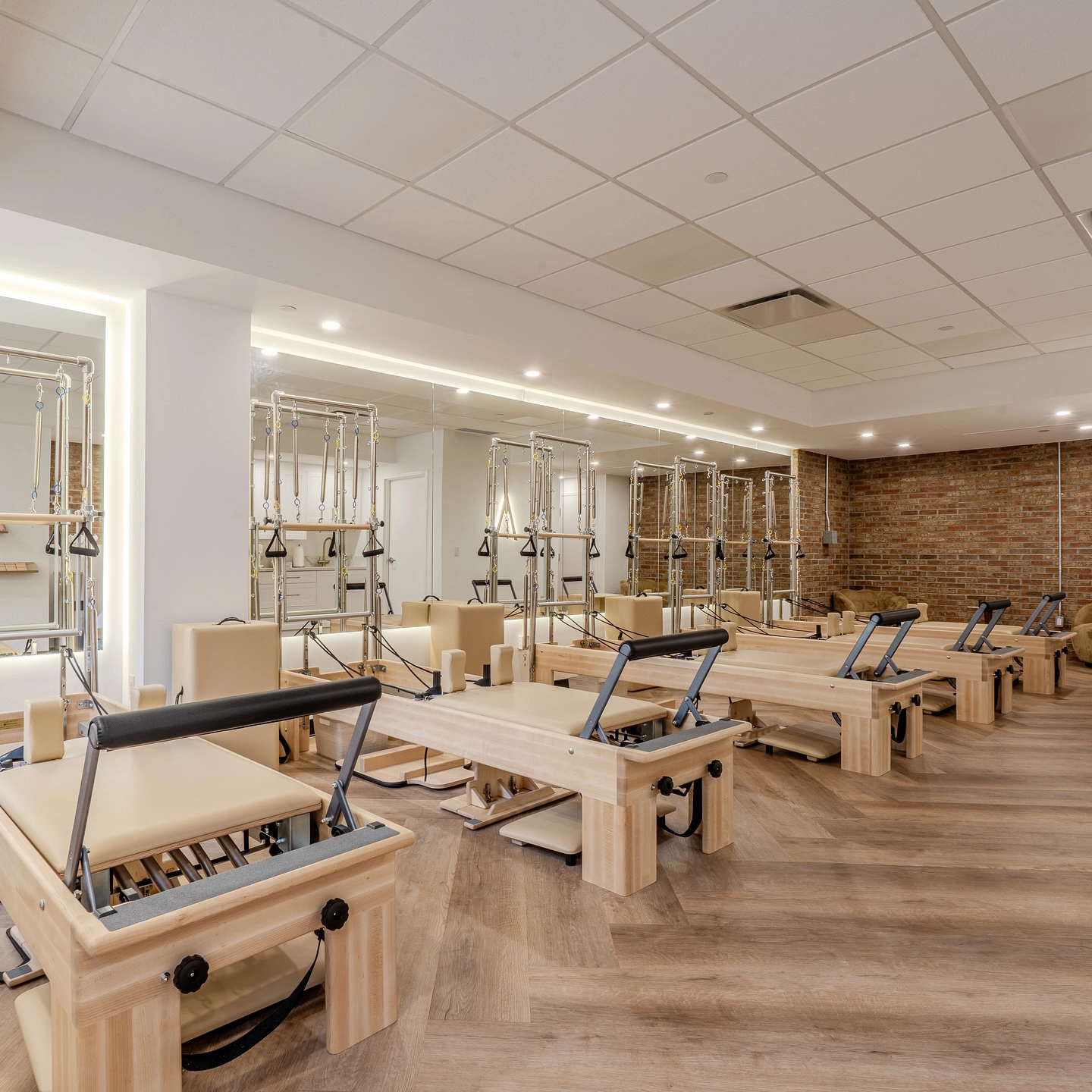
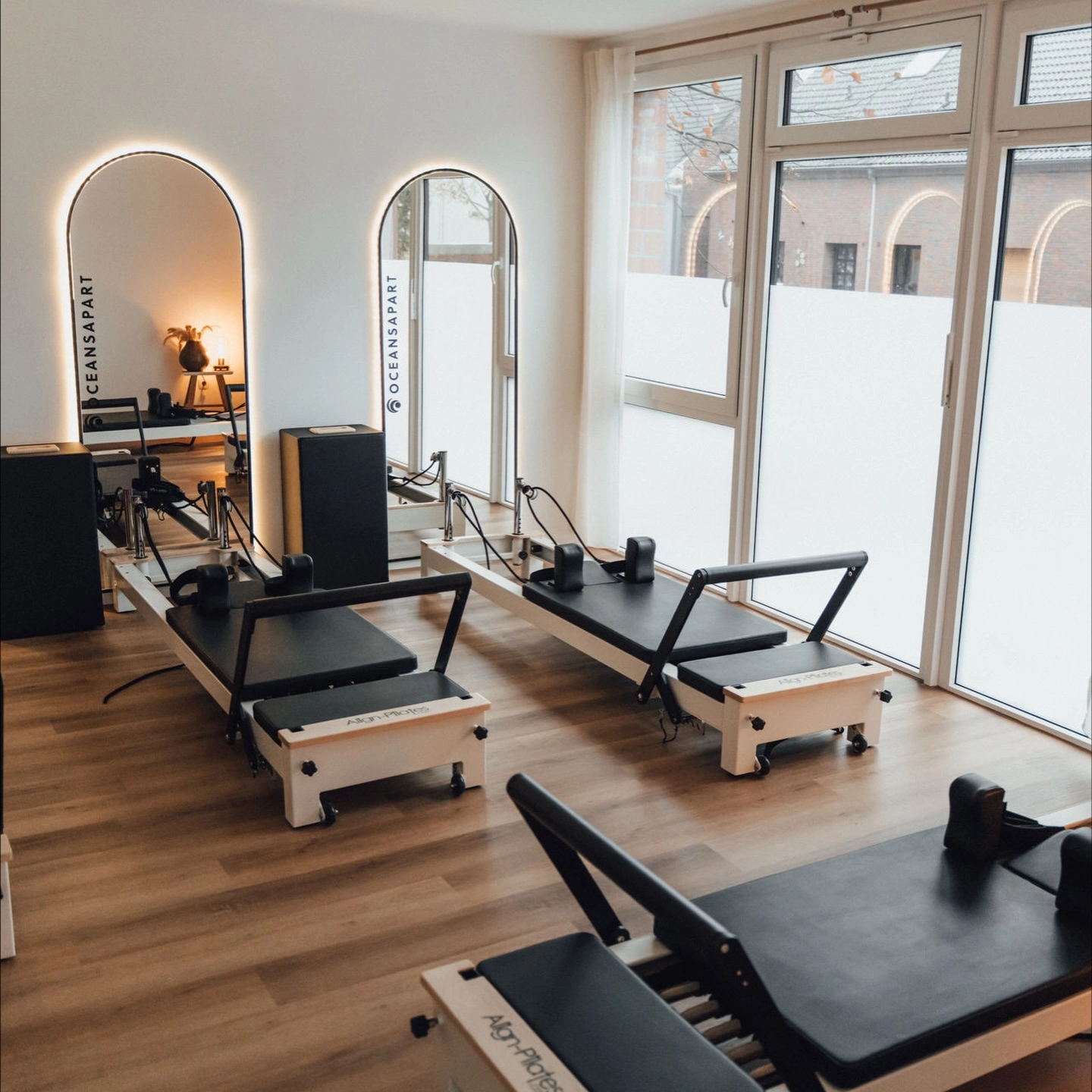
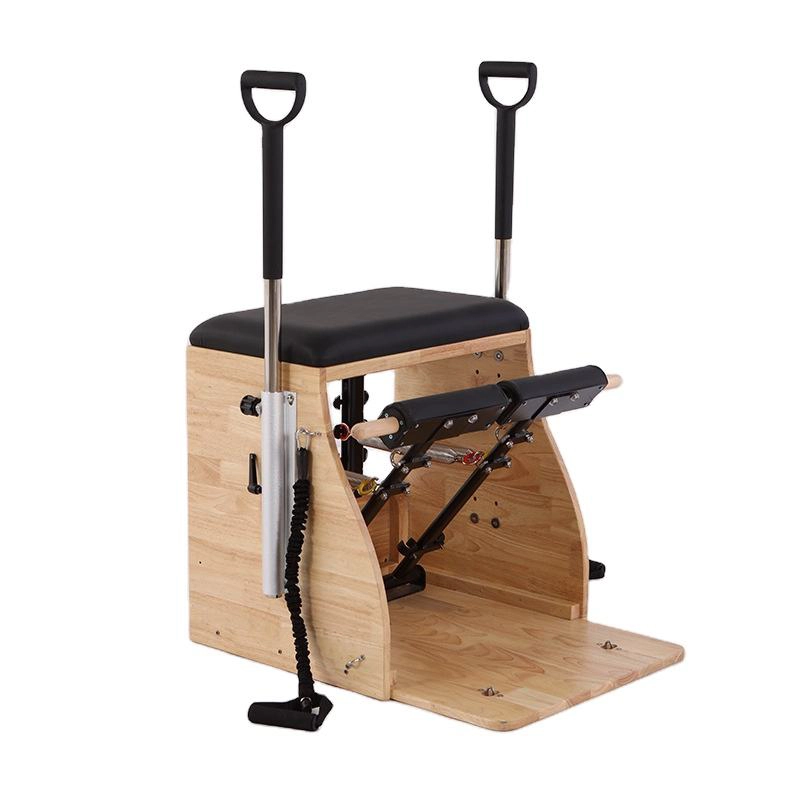
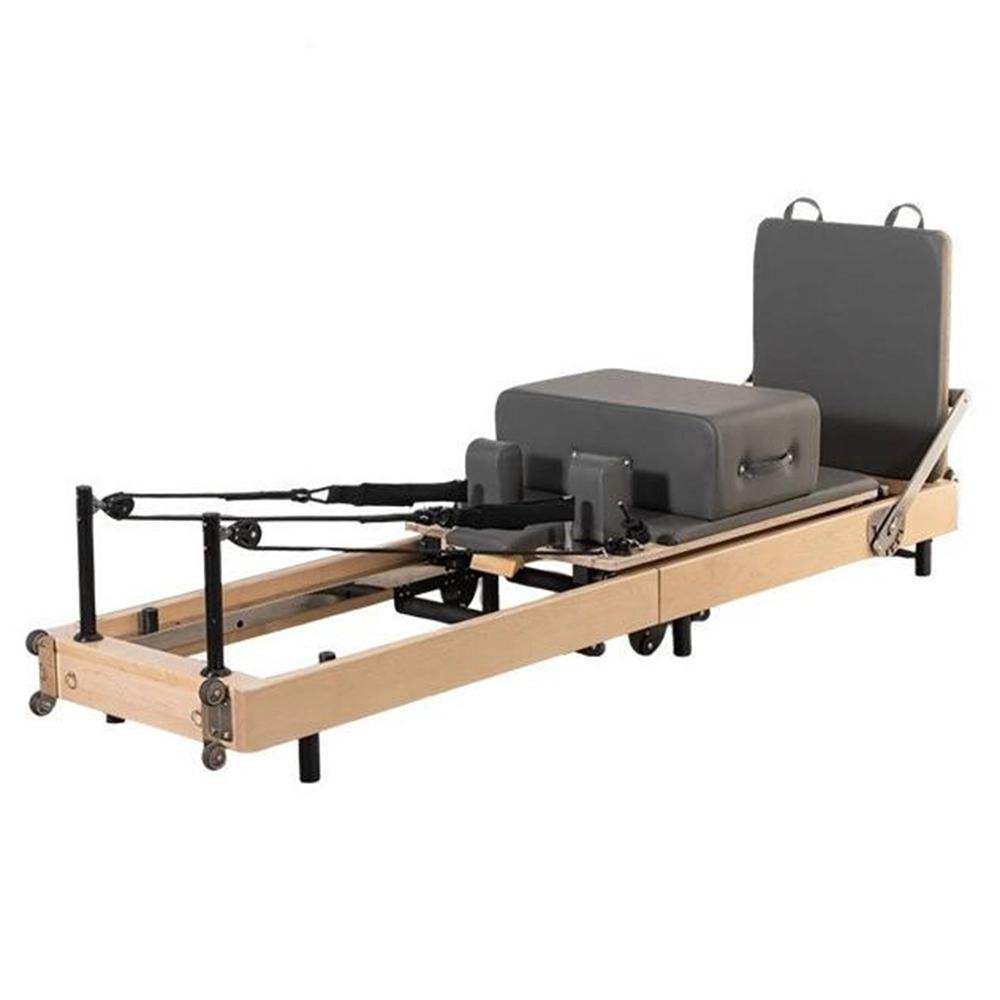
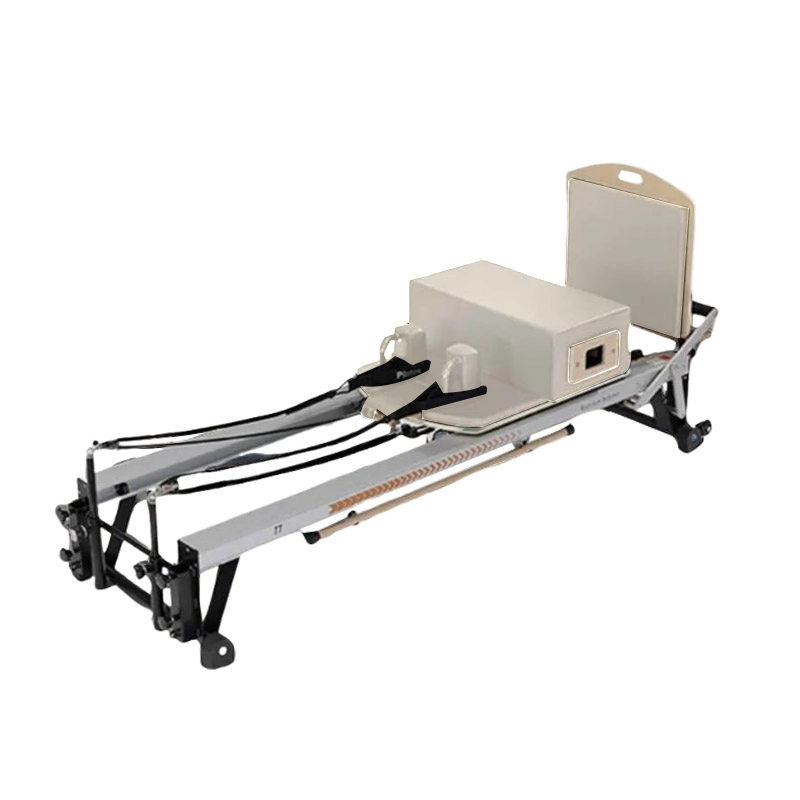
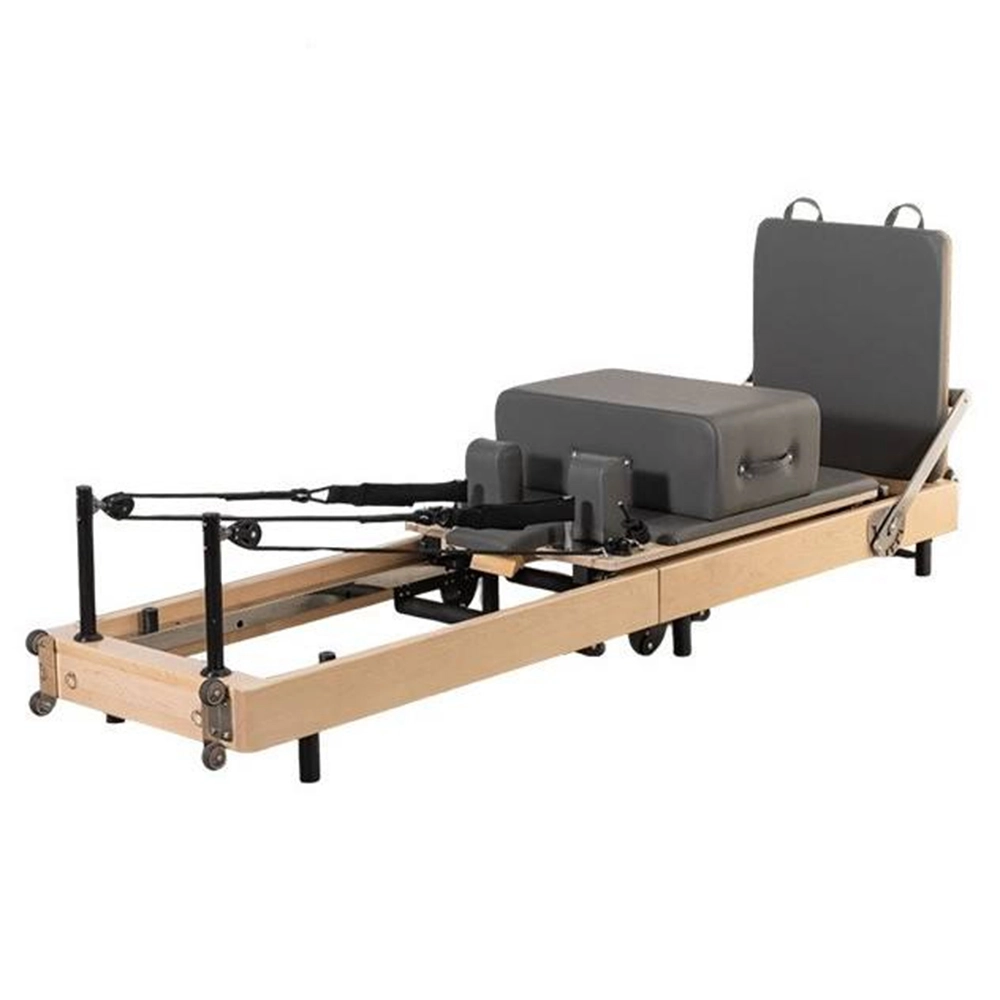
The Reformer is a sliding carriage rigged with springs of varying tension. It is arguably superior to mat work for weight loss because of the progressive overload it provides.
The Mechanism: The Reformer is a sliding carriage rigged with springs of varying tension. The springs provide resistance during the concentric phase (muscle shortening) and the eccentric phase (muscle lengthening). The eccentric phase is where the most muscle damage and subsequent growth occur. Working against the heavy springs of a Reformer requires significant energy, leading to a higher total calorie burn per session compared to mat work.
Cardio-Pilates Hybrids
Many modern studios offer hybrid classes, such as “Pilates Boxing” or “Jumpboard” classes on the Reformer. The Jumpboard involves a plate attached to the end of the Reformer; lying on your back, you “jump” horizontally against the spring tension. This is a non-impact form of plyometrics that scorches calories and targets the lower abs intensely.
4. When Should You Incorporate Pilates into Your Routine for Maximum Effect?
Consistency is the currency of fitness. However, the timing and frequency of your practice can influence how quickly you see a reduction in belly fat.
Frequency Recommendations
To change body composition, a casual once-a-week approach is usually insufficient.
- Beginner Phase: Start with 2 sessions per week to learn proper form and establish the mind-muscle connection.
- Fat Loss Phase: Ideally, aim for 4 to 5 sessions per week. This ensures you are stimulating the muscles frequently enough to trigger adaptation and keeping your metabolism elevated.
The “Pilates Sandwich”
A highly effective strategy for weight loss is to “sandwich” your Pilates practice with other forms of activity.
Example Routine:
1. Warm-up: 20 minutes of brisk walking or light cycling to mobilize fat stores.
2. Work: 45 minutes of intense Pilates to build muscle and strengthen the core.
3. Cooldown: Stretching to reduce cortisol and promote recovery.
5. Where Can Different Demographics Find Success (Including Post-Partum)?
One of the most beautiful aspects of Pilates is its universality. It is scalable to almost any fitness level, making it a sustainable choice for long-term weight management.
Mums and Bubs: Targeting the Post-Baby Belly
For new mothers, the “belly pooch” is often not just fat, but a condition called Diastasis Recti—the separation of the abdominal muscles during pregnancy. Traditional crunches can actually make this condition worse, leading to a protruding belly.
The Specialized Approach:
“Mums and Bubs” classes are specifically designed to heal this separation. By focusing on the pelvic floor and the deep transverse abdominals, Pilates knits the abdominal wall back together.
Furthermore, these classes offer a dual benefit:
- Bonding: Babies can be incorporated into the workout or watch from a carrier, providing neurological stimulation for the infant.
- Community: Post-partum weight loss can be isolating. These classes provide a supportive tribe, reducing maternal stress (and therefore cortisol), which aids in physical recovery.
The Aging Demographic
As we age, metabolism naturally slows down. Pilates is joint-friendly, making it an ideal way for older adults to maintain muscle mass without the risk of injury associated with heavy weightlifting or high-impact running.
6. Who Should Perform Specific Exercises for Belly Fat Reduction? (The Toolkit)
While you cannot spot reduce, you can spot strengthen. Developing a rock-solid core will pull your midsection in, improving your silhouette immediately. Here is a Masterclass on the most effective moves.
The Pilates Hundred (The Warm-Up)
This is the signature Pilates move designed to get the blood pumping and the core fired up immediately.
- Execution: Lie on your back. Lift your legs to tabletop (or extend them to 45 degrees for more challenge). Curl your head and shoulders up, looking at your belly button. Pump your arms vigorously by your hips.
- Breathing: Inhale through the nose for 5 pumps, exhale through the mouth for 5 pumps. Repeat for 10 cycles (100 pumps).
- Fat Loss Focus: The vigorous pumping combined with the static hold requires massive oxygen consumption and core stability.
The Criss-Cross (Waist Whittler)
This targets the obliques, the muscles on the side of your waist.
- Execution: Hands behind your head, knees in chest. Extend your right leg long while twisting your right armpit toward your left knee. Switch.
- Fat Loss Focus: Do not just move the elbows; rotate from the ribcage. Slowing this move down increases the “time under tension,” exhausting the muscle fibers and tightening the waist.
The Teaser ( The Ultimate Challenge)
The Teaser engages every muscle in the body, with a heavy focus on the rectus abdominis.
- Execution: Lie flat, arms overhead. In one fluid motion, lift your upper body and legs simultaneously into a “V” shape. Reach for your toes. Roll back down with control.
- Fat Loss Focus: This requires immense energy and balance, recruiting stabilizer muscles that often go dormant, increasing overall caloric burn.
The Double Leg Stretch (The Core Torch)
This move acts as a reset for the body, stretching and strengthening simultaneously.
- Execution: Curled up in a ball, holding shins. Inhale to explode outward, extending arms back and legs forward. Exhale to circle arms around and tuck back into a ball.
- Fat Loss Focus: The extension phase acts as a long lever, putting heavy load on the abs. Keep the lower back glued to the mat to ensure the work stays in the belly, not the spine.
Additional Feature: The “Pilates Diet” for Belly Fat
You cannot out-train a poor diet. To see the definition created by your Pilates practice, you must strip away the layer of fat covering the muscle. This requires a nutritional approach that complements the training.
Anti-Inflammatory Nutrition
Since Pilates focuses on reducing inflammation and stress, your diet should follow suit. Visceral belly fat is highly inflammatory.
- Cut Sugar: Refined sugar spikes insulin, the fat-storage hormone.
- Hydration: Pilates aids the lymphatic system. Drinking water is essential to flush out the toxins released during the massage-like movements of Pilates.
- Whole Foods: Focus on lean proteins to repair the muscles torn down during the workout, and complex carbohydrates for sustained energy without the crash.
Additional Feature: Posture—The Instant Slimmer
One of the most underrated ways Pilates helps you “lose” belly fat visually is through posture correction.
The “Slump” Effect: When you have a weak core and slouch, your spine compresses, and your internal organs push outward against the abdominal wall, causing a “pooch” even in thin individuals.
The Pilates Fix: Pilates strengthens the spinal erectors and the posterior chain. By teaching you to stand tall with an open chest and a neutral pelvis, you create more vertical space in the torso. This distributes your body mass more evenly, instantly making the waist look smaller and the stomach flatter, regardless of the number on the scale.
Frequently Asked Questions
Can you lose belly fat from Pilates alone?
While Pilates is a powerful component of weight loss, relying on it in isolation without dietary changes may yield slow results. To lose belly fat, you must be in a caloric deficit (burning more calories than you consume). Pilates helps you burn calories and build muscle (which burns more calories at rest), but if you are consuming a surplus of calories, that fat layer will remain. The most effective protocol is Pilates + Cardio + Caloric Deficit.
How often should you practice Pilates to see changes in the midsection?
For visible physical changes, the general recommendation is 3 to 5 times per week.
Sessions should last between 45 to 60 minutes. If you are doing shorter, 20-minute sessions at home, you may need to increase the frequency to daily practice. Consistency is more important than intensity; doing a 20-minute routine every day is often more effective for neuromuscular adaptation than one massive 2-hour session once a week.
Does Pilates burn more calories than Cardio?
Generally, no. A 60-minute run or spin class will typically burn more raw calories during the session than a 60-minute Pilates class. However, this is a short-sighted metric.
Cardio burns calories during the activity but stops shortly after. Pilates builds lean muscle. Having more muscle raises your metabolism permanently. Therefore, while cardio wins the battle of the single session, Pilates is a stronger ally for winning the war on long-term weight management and keeping the weight off for good.
Thoughts
Pilates is far more than a trend; it is a scientifically sound method for transforming the body’s architecture. While it may not offer the instant caloric gratification of a high-intensity run, its ability to reshape the abdominal wall, reduce stress-induced fat storage, and build a metabolically active “powerhouse” makes it superior for long-term belly fat reduction.
If you are tired of high-impact workouts that leave you injured or exhausted, Pilates offers a refreshing alternative. By combining the precision of movement with a balanced diet and a consistent schedule, you can shed weight, heal your core, and walk through life with a taller, leaner, and more confident posture. Do not wait for the “perfect” time to start; roll out the mat or the Reformer today and begin the journey toward a stronger you.
 English (United States)
  English (Canada)
  English (Australia)
  English (New Zealand)
  English (UK)
  Arabic
  Bulgarian
  Czech
Czech  Danish
  Greek
Greek  Spanish
  Ukrainian
  Turkish
  Thai
Thai  Swedish
  Serbian
  Slovenian
  Slovak
  Russian
  Romanian
  Portuguese (Portugal)
  Portuguese (Brazil)
  Norwegian
  Dutch
Dutch  Estonian
  Finnish
  French
  Hindi
Hindi  Croatian
  Indonesian
  Icelandic
  Italian
  Japanese
  Georgian
  German
  Lithuanian
  Polish
  Korean
  Uzbek
Uzbek  Hungarian
  Malay
Malay