
When identifying the optimal Pilates reformer machine for either a home gym or a professional studio environment, the primary factors to scrutinize are the structural integrity of the frame, the fluidity of the carriage’s movement, the versatility of the resistance mechanisms, and the spatial efficiency of the footprint. The quintessential machine strikes a delicate balance between robust durability and ergonomic comfort; prospective buyers should look for frames constructed from aircraft-grade aluminum or kiln-dried hardwood, resistance systems that utilize high-tension music wire springs rather than basic elastic cords, and a precision carriage tracking system that glides silently without friction. For the vast majority of enthusiasts seeking a machine that will endure years of daily use, a full-sized reformer that offers the option to fold or stand vertically, coupled with a highly customizable gear bar for resistance changes, represents the wisest long-term investment. Comprehending the nuance of specific components—such as the difference between wheel bearings and bushings, the depth and width of the mat well, and the stability of the footbar—is essential to avoiding purchasing errors and ensuring a regimen that is both safe and biomechanically effective.
Introduction: The Renaissance of Resistance Training
In the evolving landscape of physical fitness, the Pilates reformer has transcended its reputation as a niche apparatus for dancers and entered the mainstream as a cornerstone of functional strength training, rehabilitation, and holistic conditioning. Whether you are an architect of a sophisticated home wellness sanctuary or a studio owner looking to upgrade your fleet, the process of selecting the correct hardware involves a complex interplay between understanding mechanical engineering and acknowledging your personal physiological requirements.
This comprehensive guide is designed to deconstruct every critical element of the buying process. We will move beyond the superficial aesthetics and dive deep into the metallurgy of frames, the physics of spring tension, and the logistics of space management. By the end of this article, you will possess the knowledge required to answer the critical question of how to choose a reformer Pilates machine that not only fits your room but elevates your physical potential.
What Defines the Anatomy of a High-Performance Reformer?
To make an educated purchase, one must first understand what a reformer is and why its specific construction matters. A reformer is not merely a bench with springs; it is a sophisticated apparatus invented by Joseph Pilates to allow for “corrective exercise.” It leverages the principles of eccentric muscle contraction, core stability, and peripheral mobility.
The Frame: The Skeleton of Stability
The frame is the foundation. If the frame flexes, wobbles, or creaks, the efficacy of the workout is compromised.
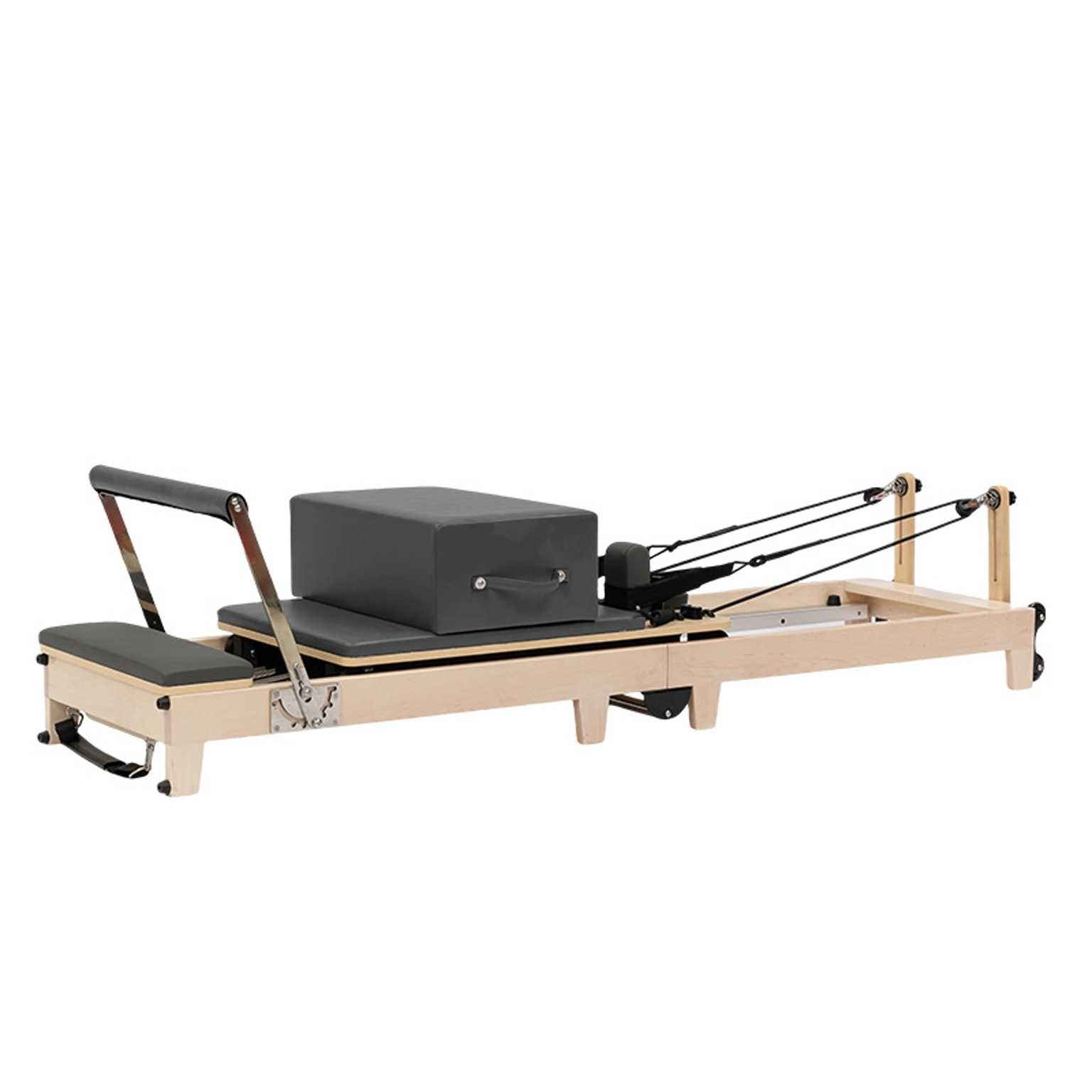
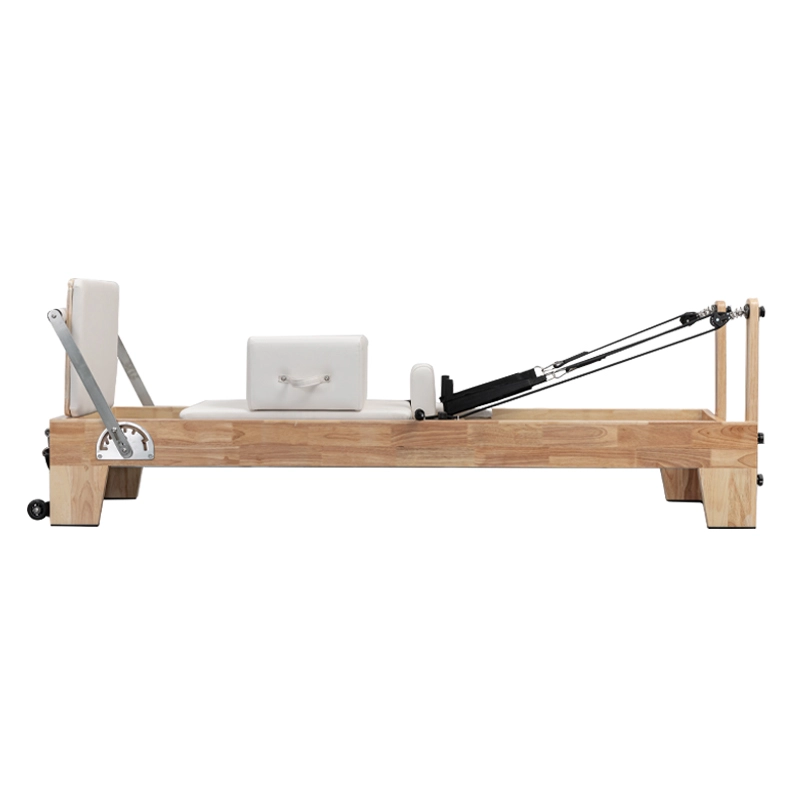
- Hardwood Frames: Often made from maple, oak, or beech, these are the gold standard for studios. Wood absorbs vibration, providing a “softer” feel and a quieter ride. They are aesthetically pleasing but are generally heavier and less portable.
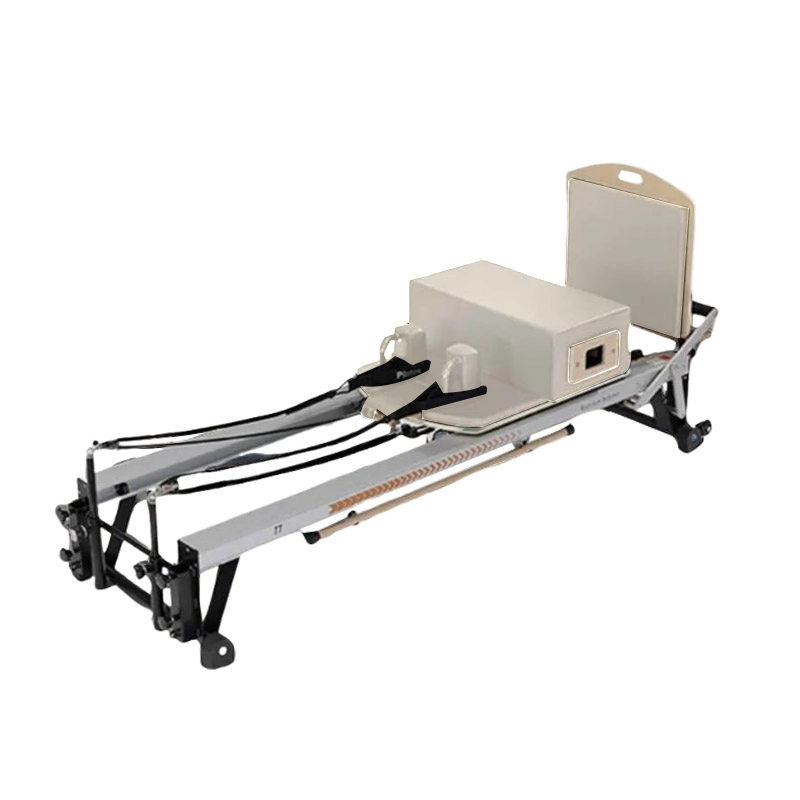
- Metal Frames: Usually constructed from aluminum or steel. Aluminum is resistant to rust and lighter than steel, making it ideal for modern, industrial-look studios or homes where the machine might need to be moved occasionally.
- Hybrid Frames: Some modern iterations combine wood and metal to offer the warmth of wood with the structural rigidity of metal rails.
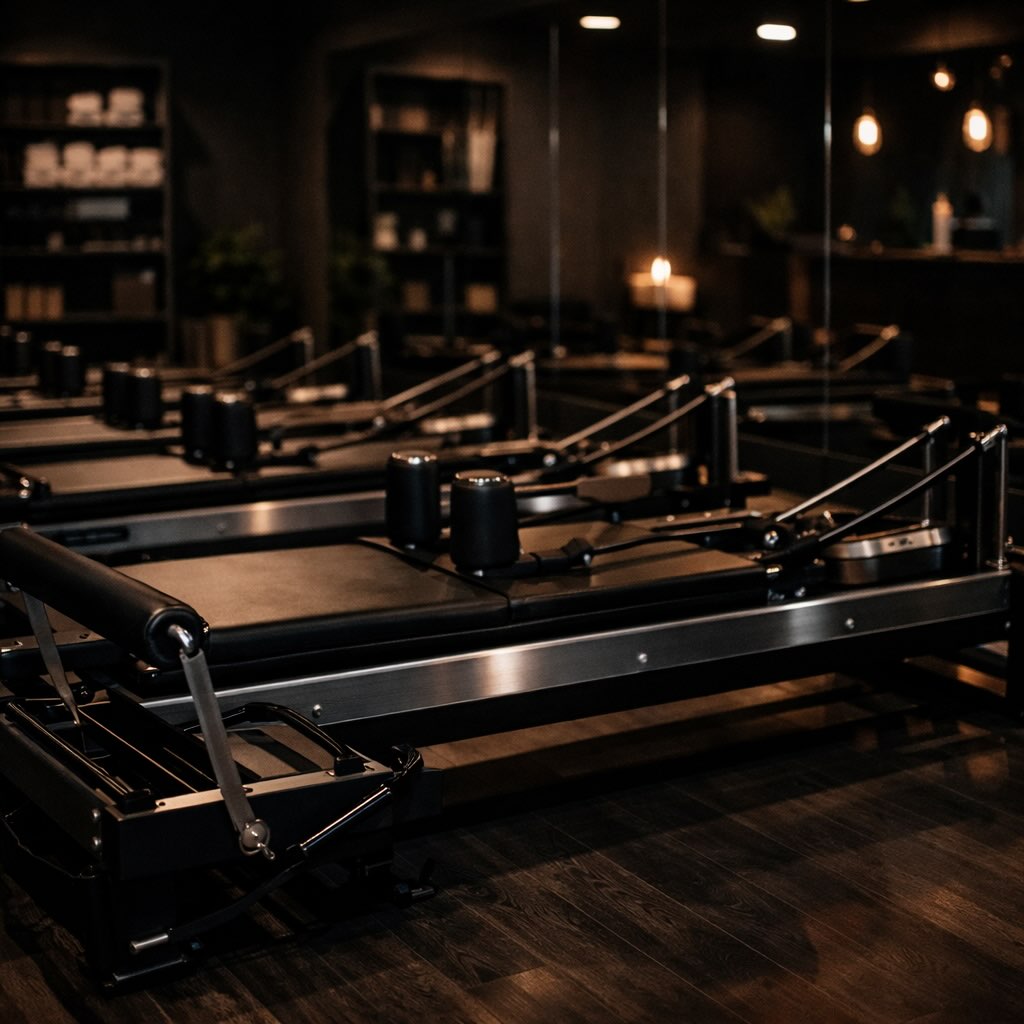
The Carriage and Tracking System
The carriage is the moving platform upon which you lie, kneel, or stand. Its movement defines the “feel” of the machine.
- The Glide: You want a sensation of “floating.” This is achieved through high-quality wheels. Look for custom stability padding and side wheels that prevent the carriage from rattling against the sides of the frame.
- The Wheels: Premium machines use ball-bearing wheels on anodized aluminum tracks. Lower-end models may use plastic wheels on metal tubes, which can develop flat spots or create a gritty sensation over time.
The Straps and Risers
The connection point between the user and the resistance.
- Rope Systems: Modern reformers often feature retractable rope systems that allow for quick length adjustments without having to unclip the straps. This is vital for flow during a workout.
- Risers: The pulleys are mounted on risers. Adjustable height risers can change the angle of pull, which is crucial for accommodating different shoulder widths and ranges of motion.
Why Is the Resistance Mechanism the Critical Differentiator?
The heart of the reformer is its resistance system. This is what provides the load for your muscles to work against. There are two primary schools of thought here: springs and cords.
The Superiority of Steel Springs
Traditional and professional-grade reformers almost exclusively use steel springs.
- Progressive Resistance: Springs offer what is known as progressive resistance. As the spring stretches, it becomes harder to pull. This mimics the natural length-tension relationship of human muscle fibers, providing support at the beginning of the movement and challenge at the peak.
- Durability: High-quality nickel-plated springs can last for years without losing their tension calibration.
- Adjustability: A standard professional setup includes a combination of heavy, medium, and light springs (often color-coded). This allows for micro-adjustments. For example, doing arm work might require a light setting, while leg presses require a heavy load.
The Economy of Bungee Cords
Entry-level and some portable home reformers utilize thick bungee cords.
- Linear Resistance: Cords tend to provide a more linear or consistent tension, which feels different from springs. They can sometimes feel “bouncy” or uncontrolled on the return phase of a movement.
- Wear and Tear: Rubber degrades faster than steel. Cords will eventually dry out, crack, or lose elasticity, requiring more frequent replacement. However, they are lighter and quieter than springs, which can be a benefit in a thin-walled apartment.
Who Should Buy Which Type? Categorizing Reformer Variants
The market is saturated with options ranging from three hundred dollars to three thousand dollars. Understanding the categorization helps align the machine with the user.
1. The Studio-Grade Workhorse
These are the machines you see in boutique fitness centers. They are roughly 8 to 9 feet long and do not fold.
- Best For: Dedicated enthusiasts, heavy users (daily workouts), and those with a dedicated gym room.
- Pros: Unmatched stability, smoother ride, higher resale value, capability to add a “tower” later.
- Cons: Significant footprint, heavy, expensive.
2. The Foldable Home Reformer
A marvel of modern engineering, these machines offer a near-studio experience but can be collapsed.
- Best For: Multi-purpose rooms, apartments, and users who need to reclaim floor space.
- Pros: Great balance of function and storage. Many have wheels for rolling into a closet.
- Cons: The folding mechanism introduces a “seam” in the rail, which can sometimes cause a tiny bump during the glide. They generally have lower weight limits.
3. The Elevated vs. Floor Reformer
- Elevated: Stands on legs, raising the carriage 14-16 inches off the ground. This is easier for getting on and off, making it essential for seniors or those with knee/back issues.
- Floor: Sits directly on the ground. These are often cheaper and more compact but can be difficult to mount and dismount for those with limited mobility.
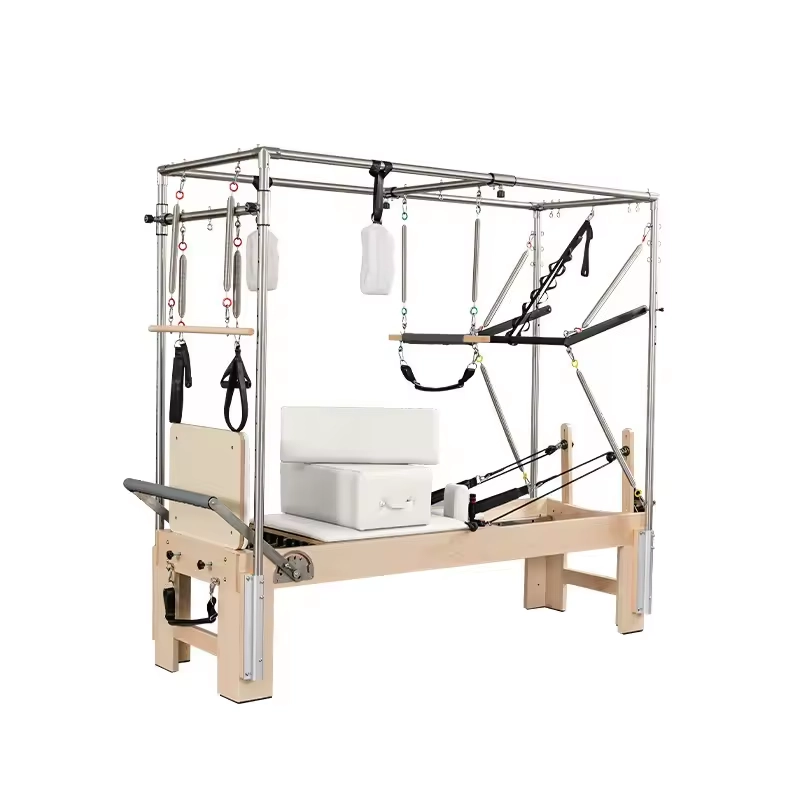
4. The Reformer/Tower Combo
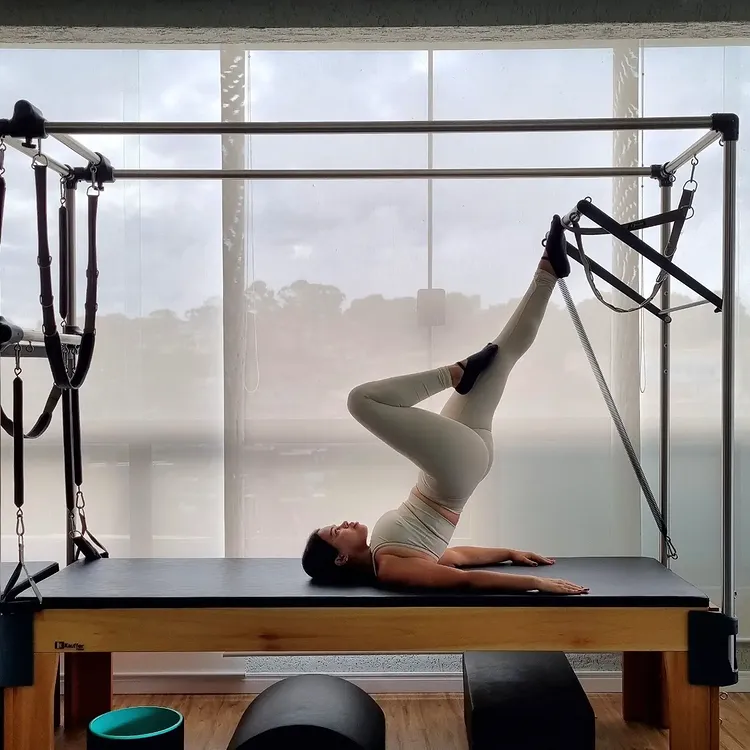
This unit adds a vertical frame (Tower) to one end of the reformer, allowing for “Cadillac” style exercises using a push-through bar and roll-down bar.
- Best For: Advanced practitioners who want the full Pilates repertoire.
- Pros: Exponentially increases exercise variety.
- Cons: Requires high ceilings and is virtually immovable once assembled.
Where Does Space and Portability Fit Into the Equation?
Before swiping a credit card, the tape measure is your most important tool. A reformer is a large piece of furniture, essentially the size of a twin bed but longer.
The Footprint Analysis
A standard reformer is approximately 90 to 100 inches long and 24 to 30 inches wide. However, you cannot just measure the machine; you must measure the working space. You need at least two feet of clearance on all sides to allow for arm and leg extension exercises. If the machine is jammed against a wall, you lose 30% of the exercise repertoire.
Storage Solutions
- Vertical Stand: Some premier machines do not fold but can be lifted onto one end to stand vertically. This reduces the footprint to roughly 2 feet by 2 feet. This is often a better solution than folding because it preserves the integrity of the single-piece rail system.
- Telescoping: A newer innovation involves telescoping frames that slide into themselves to shorten the length without folding.
Weight and Mobility
If you plan to move the machine daily, check the weight. A solid wood reformer can weigh over 150 pounds. Even with wheels, moving it on thick carpet is a chore. Foldable metal models might weigh closer to 60-80 pounds, making them manageable for a single person.
How to Assess Material Durability and Ergonomics?
The tactile experience of the reformer is non-negotiable. You will be lying, sitting, and kneeling on this surface for hours.
Upholstery and Padding
Cheap vinyl will crack and peel after exposure to sweat and friction. Look for heavy-duty, marine-grade vinyl. The foam beneath should be dense. If the foam is too soft, you will “bottom out” on the wooden board underneath, causing discomfort on the hips and knees. If it is too hard, it can cause bruising during rolling exercises.
The Footbar: The Anchor Point
The footbar takes a significant amount of force.
- Adjustability: It should adjust to at least three or four different angles. This is necessary to accommodate different user heights and leg lengths.
- Locking Mechanism: It must lock securely. A footbar that slips under load can cause serious injury.
- Padding: It should have a grippy, non-slip cover. Sweaty feet on a bare metal bar is a recipe for an accident.
Headrest and Shoulder Blocks
The headrest should adjust to at least three positions (flat, half-up, full-up) to support the neck during different exercises. The shoulder blocks act as stops to keep you from sliding off the carriage. They should be padded and contoured. Some modern machines offer removable shoulder blocks to create a wider mat surface for specific exercises.
When Is the Price Justified? Analyzing Market Value
Reformer prices can be jarring, but they are best viewed as a long-term investment in health, similar to buying a high-end mattress.
The Budget Tier ($300 – $700)
These are typically mass-produced, imported models found on general e-commerce sites.
- Expectations: Bungee cords, plastic wheels, smaller frame size (often too short for people over 5’9″), and limited warranty.
- Verdict: Good for “testing the waters,” but serious practitioners will outgrow them quickly.
The Mid-Range ($800 – $1,500)
This is the sweet spot for most home users.
- Expectations: Metal or basic wood frames, real springs (or high-end cords), decent upholstery, and reliable customer support.
- Verdict: These machines offer 85% of the functionality of a pro machine at half the price.
The Premium Tier ($1,800 – $3,500+)
Brands like Balanced Body, Merrithew, or Peak Pilates.
- Expectations: Hand-crafted wood, whisper-quiet glide, unlimited adjustability, lifetime warranties on frames, and high resale value.
- Verdict: If you can afford it, these machines retain their value and provide a joy-of-use that encourages consistency.
The Jumpboard and Cardio Capabilities
One specific feature that dramatically changes the utility of a reformer is the Jumpboard. When evaluating a machine, you must check if it includes, or is compatible with, a Jumpboard attachment.
What is it?
A Jumpboard is a padded plate that slots into the foot end of the reformer, replacing the footbar. It creates a solid surface that allows the user to perform plyometric jumping exercises while lying horizontally.
Why it matters:
- Low-Impact Cardio: Traditional plyometrics (jumping) place immense stress on the ankles, knees, and hips due to gravity. The Jumpboard allows for the same explosive movement but with gravity removed. The impact is absorbed by the springs, not the joints.
- Aerobic Conditioning: Pilates is generally anaerobic (strength-based). The Jumpboard introduces an aerobic (heart rate) component, turning the reformer into a calorie-burning machine.
- Compatibility Check: Not all reformers accept a Jumpboard. Some budget models lack the mounting brackets. If you want to use your reformer for weight loss or athletic conditioning, ensuring Jumpboard compatibility is a “must-have” feature.
The Sitting Box and Foot Strap
While often sold as accessories, the Sitting Box and Foot Strap are so integral to the full Pilates repertoire that their compatibility should be a primary purchasing criterion.
The Sitting Box
This is a rectangular, padded box placed on top of the carriage.
- Elevation: It elevates the torso, allowing for a greater range of motion for arm work and abdominal exercises.
- Prone Exercises: It enables “Long Box” exercises where the user lies on their stomach to work the back extensors, a critical movement for countering the effects of sitting at a desk all day.
- Dimension Logic: The box must fit securely between the shoulder blocks and the footbar. A mismatch in sizing can lead to instability.
The Foot Strap
Usually used in conjunction with the box, this strap anchors the feet (usually under the standing platform) to allow for “Short Box” abdominal series. Without a secure anchor point built into the frame for this strap, you miss out on some of the most effective core-strengthening exercises in the Pilates method.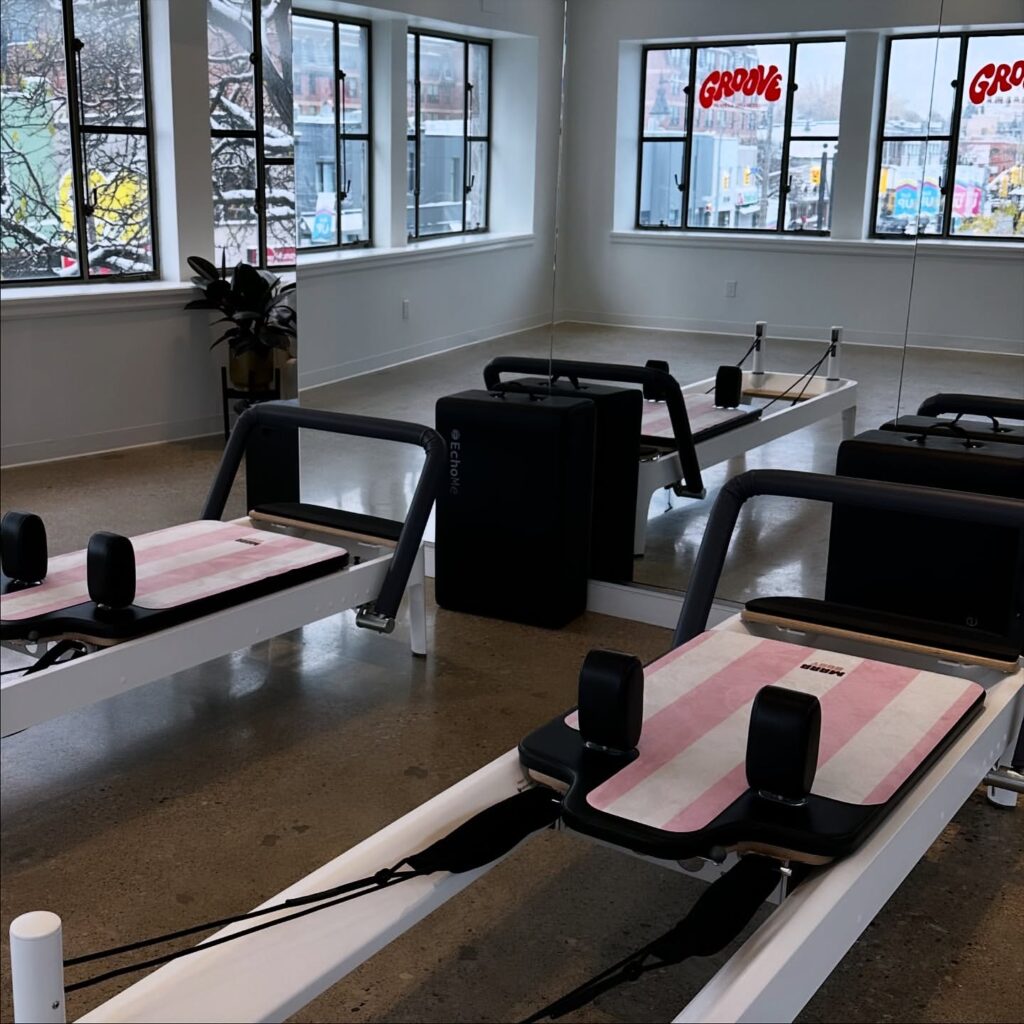
Step-by-Step Buying Guide: From Research to Delivery
To streamline your decision, follow this sequential strategy:
- Define the Primary User: Is this for a 6’4″ male athlete or a 5’2″ petite senior? Check the carriage length and weight capacity.
- Measure the “Live” Space: Tape out the dimensions on your floor. Lie down in that space. Extend your arms. Do you hit the sofa?
- Choose Your Resistance: Decide between the longevity and feel of springs (recommended) vs. the quietness and price of cords.
- Check the Rail Height: Do you need a machine that is elevated for accessibility, or is a floor model acceptable?
- Investigate the Warranty: Look for at least a 5-year warranty on the frame. Springs and ropes are wear items and usually have shorter warranties (90 days to 1 year).
- Read Verified Assembly Reviews: Some machines come 90% assembled. Others require three hours and a socket wrench set. Know your DIY limits.
- Calculate Total Cost: Include shipping (which can be over $100 for freight), taxes, and essential accessories like the box or jumpboard.
Pros and Cons of Ownership
The Advantages:
Owning a reformer eliminates the friction of travel time to a studio. It allows for micro-workouts (e.g., 10 minutes of stretching in the morning). It offers a private space to learn complex movements without the self-consciousness of a group class. Over time, the cost per use drops significantly below the $30-$40 price tag of a single studio class.
The Disadvantages:
It is a space hog. Unlike a yoga mat, it cannot be easily tucked away (unless you buy a specific folding model). It requires maintenance; springs must be changed every two years to ensure safety. There is also a safety risk; without a certified instructor, bad form on a reformer can lead to injury, particularly with the moving carriage.
Frequently Asked Questions
1. Can I assemble a professional reformer by myself?
While it is technically possible, it is not recommended for full-size, solid wood studio reformers. These machines are incredibly heavy and often delivered via freight. You will likely need a second person to help lift the frame and align the rails. Foldable or metal home versions are generally designed for single-person assembly, but even then, having an assistant makes the process of aligning the carriage much safer and faster.
2. How often do the springs need to be replaced?
For a home reformer used 3-4 times a week by one or two people, springs should typically be replaced every two years. If you notice gaps in the coils when the spring is at rest, or if they make a crunching sound during extension, they should be replaced immediately. Using compromised springs is dangerous as they can snap under tension. Bungee cords generally have a shorter lifespan and may need replacing annually depending on humidity and usage intensity.
3. Will a reformer machine help me lose weight?
The reformer is primarily a tool for strength, alignment, and toning rather than rapid weight loss. However, it alters body composition by building lean muscle mass. Muscle tissue burns more calories at rest than fat tissue, so over time, it boosts metabolism. To maximize weight loss, look for a machine with a Jumpboard attachment to integrate cardio bursts, and ensure your routine keeps the heart rate elevated by minimizing rest time between spring changes.
Conclusion
Choosing the right reformer Pilates machine is a decision that requires balancing performance, space constraints, and budget. It is not merely a purchase of fitness equipment; it is an investment in your physical longevity. For most consumers, a full-size model that offers the structural integrity of a metal or wood frame, combined with the authentic feel of spring resistance, delivers the highest return on investment. While premium brands command a higher price, their durability and resale value often justify the cost. Conversely, mid-tier foldable models have advanced significantly, offering a viable solution for space-conscious users. By prioritizing the quality of the glide, the safety of the locking mechanisms, and the versatility of the resistance system, you can secure a machine that supports a consistent, safe, and transformative practice for years to come.
 English (United States)
  English (Canada)
  English (Australia)
  English (New Zealand)
  English (UK)
  Arabic
  Bulgarian
  Czech
Czech  Danish
  Greek
Greek  Spanish
  Ukrainian
  Turkish
  Thai
Thai  Swedish
  Serbian
  Slovenian
  Slovak
  Russian
  Romanian
  Portuguese (Portugal)
  Portuguese (Brazil)
  Dutch
Dutch  Estonian
  Finnish
  French
  Hindi
Hindi  Croatian
  Indonesian
  Icelandic
  Italian
  Japanese
  Georgian
  German
  Lithuanian
  Polish
  Korean
  Uzbek
Uzbek  Hungarian
  Malay
Malay