
Reformer Pilates does burn fat, but it achieves this differently than traditional cardio. It promotes fat loss primarily by altering your body composition; the resistance training component builds lean muscle mass, which significantly elevates your resting metabolic rate (RMR). While a single session burns a moderate number of calories, the long-term physiological change—where your body burns more calories at rest due to increased muscle density is the true engine of weight loss in this method. When combined with the high-intensity nature of spring tension and a balanced diet, Reformer Pilates becomes a highly effective tool for sustainable fat reduction and body sculpting.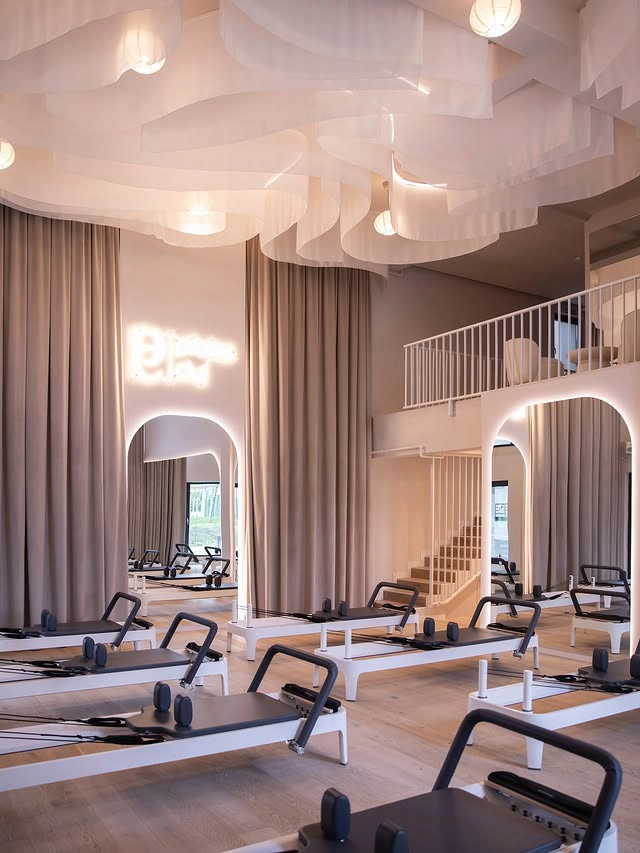
What Is Reformer Pilates and How Does It Work?
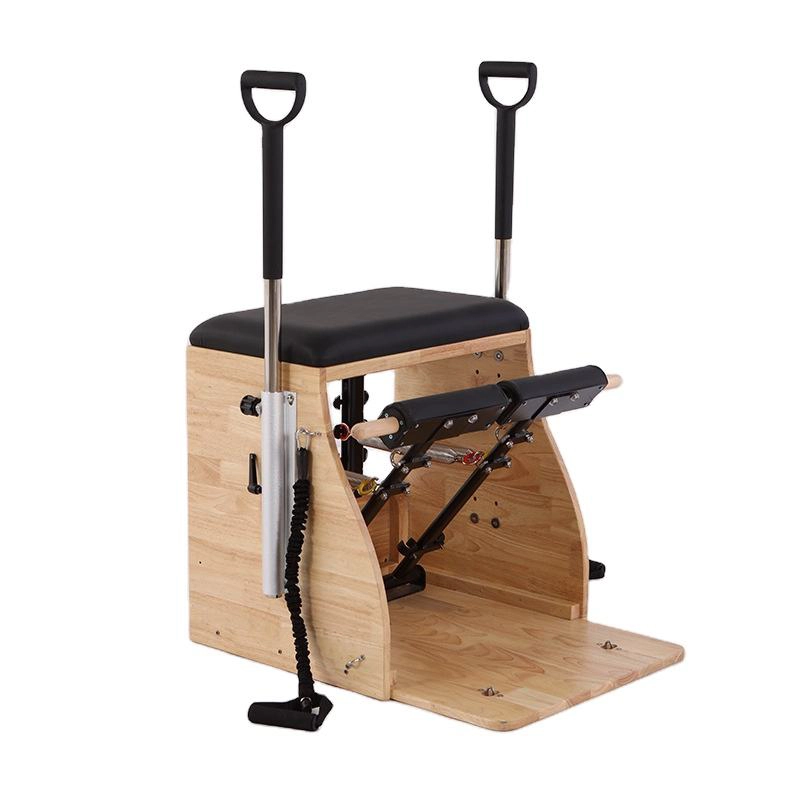
To understand the weight loss potential, one must first understand the apparatus. Reformer Pilates is an evolution of Joseph Pilates’ original contrology method, transitioned from the mat to a sophisticated piece of equipment known as the Reformer.
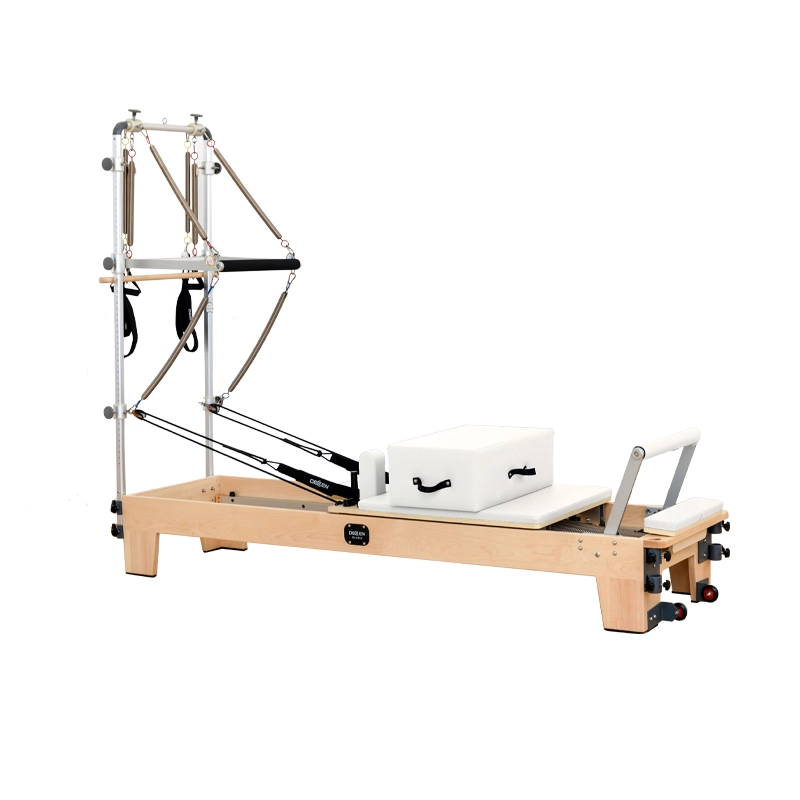
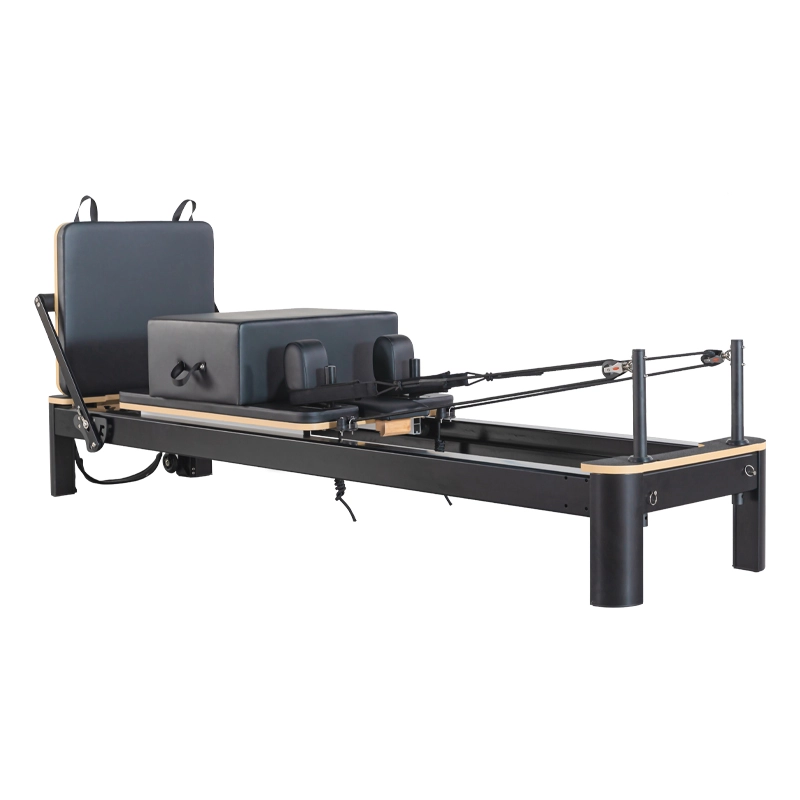
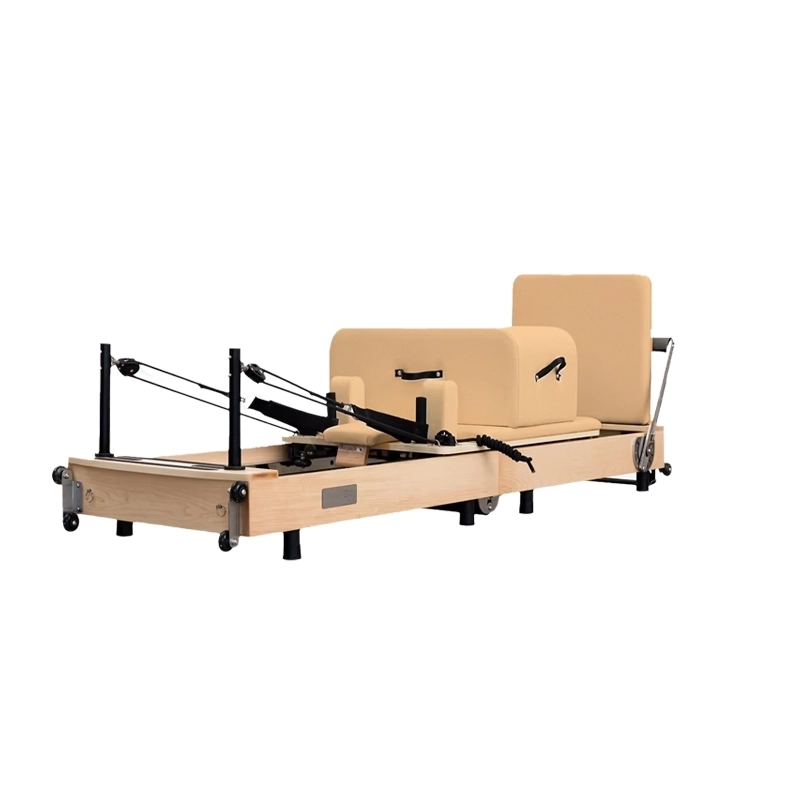
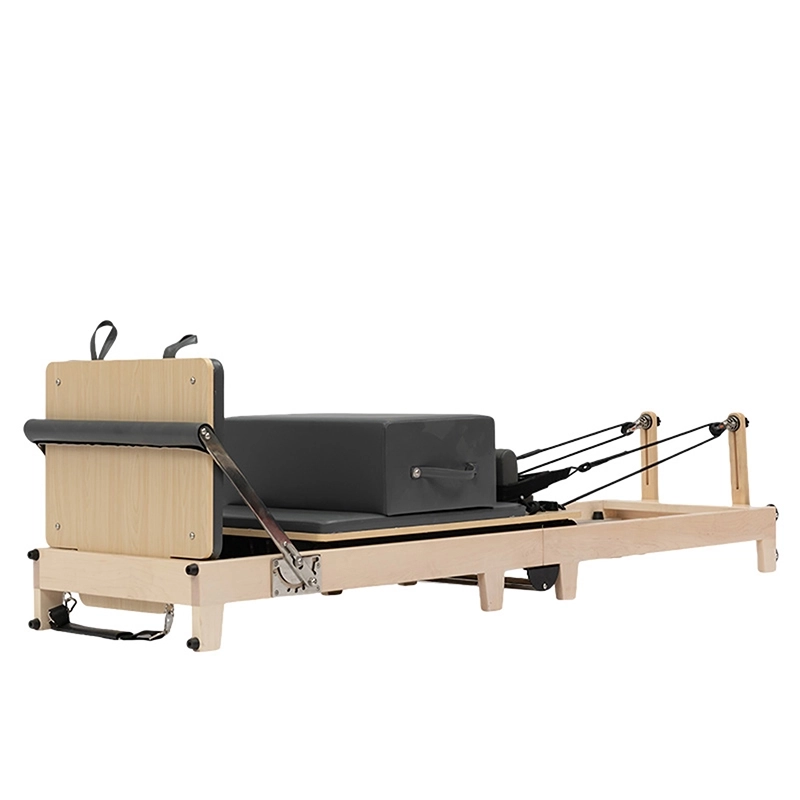
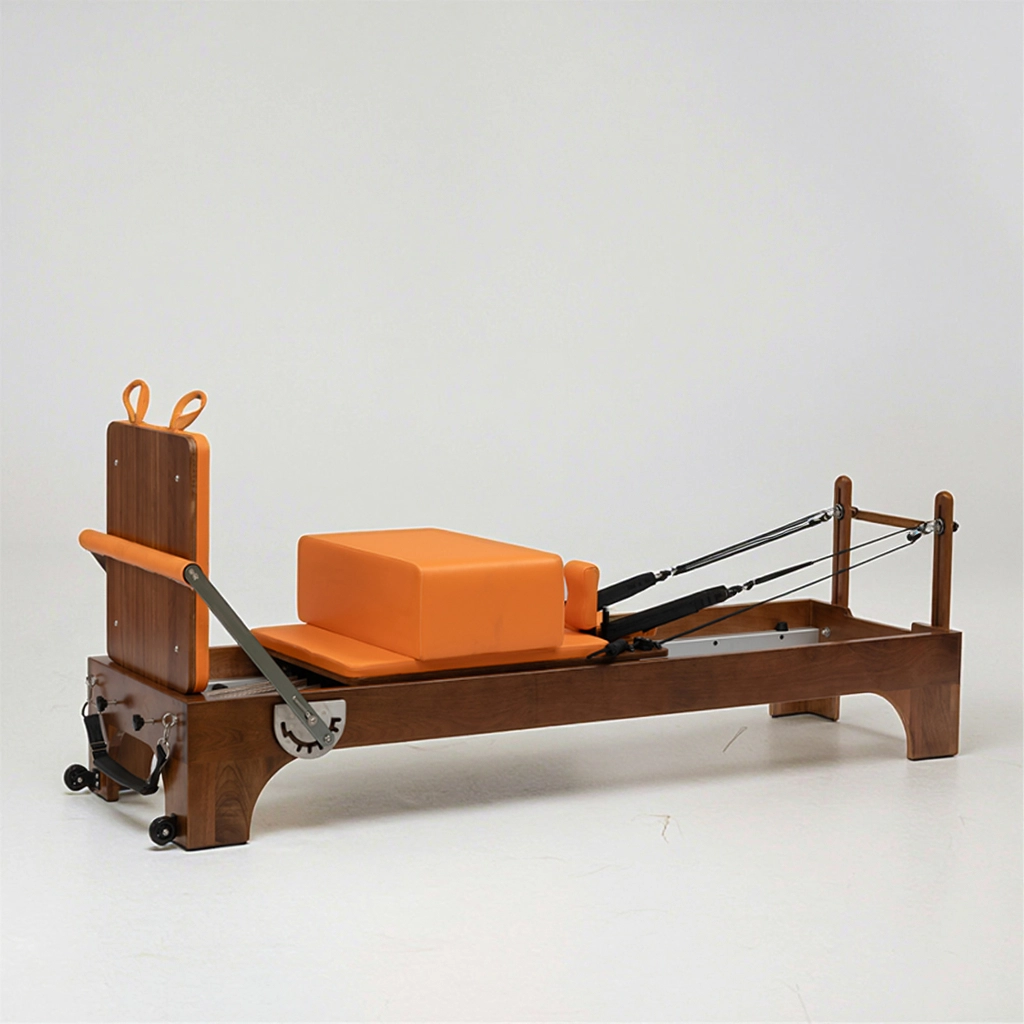
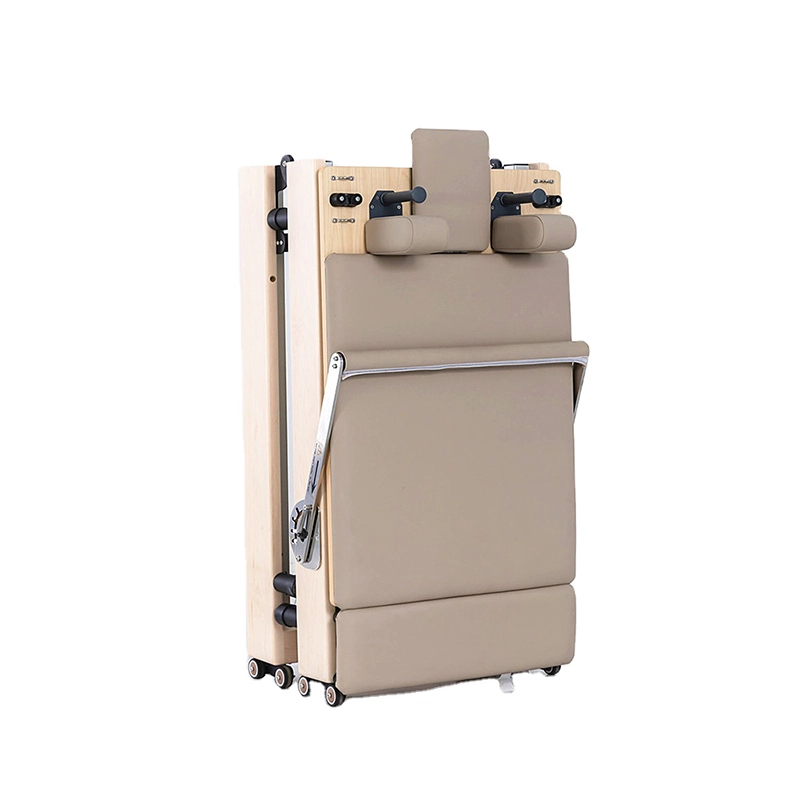
The Reformer is a bed-like frame with a flat platform, called the carriage, which rolls back and forth on wheels within the frame. The carriage is attached to one end of the reformer by a set of springs. These springs provide choices of differing levels of resistance as the carriage is pushed or pulled along the frame.
The Mechanics of the Machine
The magic lies in the springs. Unlike static weights, springs provide progressive resistance. As you stretch the spring, it becomes harder, and as you return the carriage, the spring wants to snap back, requiring you to control the return phase (eccentric contraction). This dual-phase resistance creates long, lean muscles rather than bulk.
- The Carriage: Creates an unstable surface, forcing your deep stabilizing muscles (core) to engage constantly to maintain balance.
- The Straps: Allow for arm and leg work that extends the range of motion beyond what is possible on a mat.
- The Footbar: Acts as the launchpad for “jumping” exercises and lower body pressing.
This equipment allows for a vast repertoire of exercises that promote length, strength, flexibility, and balance, all of which contribute to a body that moves more efficiently and burns energy more effectively.
How Does Reformer Pilates Differ From Regular Mat Pilates?
While both methods share the same principles—breath, concentration, control, centering, precision, and flow—the execution and intensity differ radically. This difference is crucial for those asking, “Does Reformer Pilates burn fat?”
The Resistance Factor
Mat Pilates relies almost exclusively on body weight and gravity. While effective for core strength, it has limitations regarding how much load you can place on the muscles.
The Reformer introduces variable external load. You can adjust the springs to be incredibly heavy (building strength) or incredibly light (challenging stability). This variability allows for:
- Progressive Overload: The ability to continually challenge muscles as they get stronger, which is essential for hypertrophy (muscle growth) and metabolic increase.
- Support and Range: The machine supports body weight, allowing users to perform exercises they couldn’t do on a mat, increasing the total work performed in a session.
Comparison: Mat vs. Reformer
| Feature | Mat Pilates | Reformer Pilates |
|---|---|---|
| Primary Resistance | Gravity & Bodyweight | Springs, Pulleys & Bodyweight |
| Calorie Burn | Low to Moderate | Moderate to High |
| Muscle Focus | Primarily Core (Powerhouse) | Full Body (Arms, Legs, Core) |
| Variety | Limited to floor exercises | 500+ Exercise variations |
| Rehabilitation | Good, but hard for limited mobility | Excellent (supportive structure) |
Why Is Reformer Pilates Considered Good for Weight Loss?
The connection between Reformer Pilates and weight loss is multifaceted. It is not just about the calories burned during the hour you are in the studio; it is about how the practice changes your physiology.
1. Metabolic Acceleration through Muscle Density
Muscle tissue is metabolically active. It requires energy (calories) just to exist. Fat tissue, conversely, is largely a storage depot. By using the Reformer’s spring resistance to build lean muscle mass, you are effectively upgrading your body’s engine.
Key Insight: For every pound of muscle you gain, your body burns significantly more calories at rest. This is known as raising your Basal Metabolic Rate (BMR).
2. The “Afterburn” Effect (EPOC)
High-intensity Reformer classes, particularly those using “Jumpboards” (a cardio attachment) or continuous flow, can trigger Excess Post-exercise Oxygen Consumption (EPOC). This means your body continues to burn calories at a higher rate for hours after the class finishes as it works to repair muscle fibers and replenish oxygen stores.
3. Body Recomposition vs. Weight Loss
It is vital to distinguish between losing weight and losing fat. Reformer Pilates is exceptional at body recomposition. You might see the scale stay the same initially, but your waistline shrinks, and your clothes fit better. This is because you are losing fat while simultaneously gaining dense, compact muscle.
How Does Pilates Compare to Cardio for Calorie Burning?
This is a common query for those debating between a treadmill and a Reformer.
A standard 50-60 minute Reformer Pilates session can burn between 250 and 450 calories for a 150-pound individual. The range depends heavily on the intensity of the class (e.g., a “Flow” class vs. a “Restorative” class) and the effort exerted by the participant.
The Cardio Comparison
- Running/Spinning: Generally burns more calories per minute (400-600+ per hour).
- Reformer Pilates: Burns fewer immediate calories but provides the strength training component that cardio lacks.
Why choose Pilates over pure cardio?
Chronic cardio can sometimes lead to muscle loss if not paired with strength training, which can eventually lower your metabolism. Reformer Pilates offers a “two-in-one” benefit: it elevates the heart rate for cardiovascular health while providing the resistance necessary to maintain and build muscle.
What Is the Role of Diet in a Pilates Weight Loss Plan?
You cannot out-train a diet that is not aligned with your goals. For Reformer Pilates to result in significant fat loss, it must be synergistic with nutritional habits.
Creating a Caloric Deficit
To lose fat, you must consume fewer calories than you burn. Reformer Pilates increases the “calories out” side of the equation. A balanced diet manages the “calories in.”
Nutritional Pillars for the Pilates Practitioner
- Protein Prioritization: To repair the micro-tears in muscles caused by the spring resistance, you need adequate protein (lean meats, legumes, tofu). This supports the muscle growth that drives metabolism.
- Complex Carbohydrates: Pilates requires focus and energy. Whole grains and vegetables provide the sustained glycogen needed to power through a grueling heavy-spring sequence.
- Hydration: Water is essential for metabolic processes. Furthermore, a hydrated muscle is a flexible muscle, reducing the risk of injury on the machine.
Tip: Avoid processed sugars before class. They cause energy spikes and crashes that ruin the concentration required for Pilates precision.
How Often Should You Do Reformer Pilates for Maximum Results?
Consistency is the secret ingredient. Joseph Pilates famously said: “In 10 sessions you’ll feel the difference, in 20 you’ll see the difference, and in 30 you’ll have a whole new body.”
The Frequency Sweet Spot
- 1 Day/Week: Great for stress relief and light stretching, but unlikely to drive significant weight loss or muscle change.
- 2-3 Days/Week: The maintenance zone. You will see improvements in posture and tone.
- 4+ Days/Week: The transformation zone. At this frequency, combined with diet, rapid changes in body composition and fat loss occur.
The Importance of Routine
Attending classes regularly builds muscle memory. As you master the technique, you can perform exercises with greater intensity and precision, which increases the physical demand and calorie burn of each session.
What Are the Benefits of Reformer Pilates Beyond Weight Loss?
Fixating solely on the scale ignores the holistic power of this method. Reformer Pilates changes how you feel and move through the world.
1. Posture and Appearance
Often, a “protruding belly” is actually the result of poor posture (lordosis) and a weak Transversus Abdominis. Pilates acts as a corset for the midsection. By realigning the spine and pulling the abs in, you can look 5-10 pounds lighter simply by standing taller and deeper.
2. Mental Health and Cortisol
Stress triggers the release of cortisol, a hormone linked to abdominal fat storage. Reformer Pilates requires intense focus (mind-body connection), which acts as a moving meditation. Lowering stress levels lowers cortisol, which physically assists in shifting stubborn belly fat.
3. Injury Prevention
By strengthening the small stabilizing muscles around the joints (knees, hips, shoulders), Pilates prevents injuries common in other high-impact sports. This allows you to stay active longer in life.
The Reformer Pilates Weight Loss Checklist
If your goal is specifically fat burning, ensure you are ticking these boxes during every session:
- Maximize Spring Tension: When the instructor gives a range (e.g., “1 to 2 red springs”), opt for the heavier option if your form allows.
- Engage the Breath: Use forced exhalation on the exertion phase. This activates the deep core muscles, burning more energy.
- Minimize Rest: Transition smoothly between exercises. Keep the heart rate up by avoiding long breaks to adjust equipment.
- Focus on the Negative: Resist the springs on the return (eccentric) phase. Do not let the carriage crash home; control it. This is where the deepest strengthening occurs.
- Add the Jumpboard: If your studio offers it, take Cardio/Jumpboard classes 1-2 times a week for High-Intensity Interval Training (HIIT) on the reformer.
Sample Weekly Schedule for Body Transformation
To visualize how to integrate Reformer Pilates into a weight loss lifestyle, consider this balanced weekly plan:
| Day | Activity | Focus |
|---|---|---|
| Monday | Reformer Flow (Level 2) | Strength & Endurance (Full Body) |
| Tuesday | Cardio (30 mins) | Walking, jogging, or cycling for pure calorie burn |
| Wednesday | Reformer Jumpboard | HIIT Cardio + Core Strength |
| Thursday | Active Recovery | Yoga or light stretching to reduce inflammation |
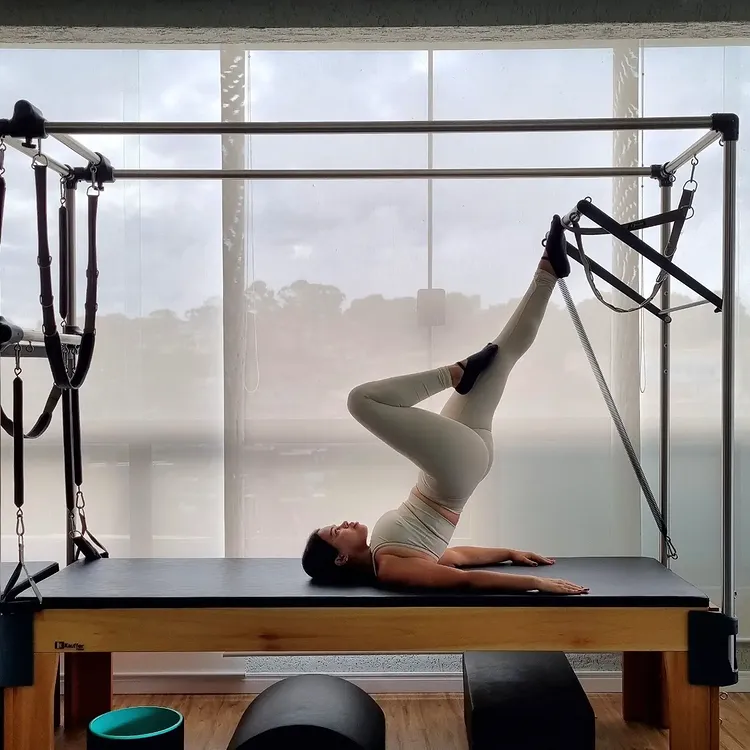
| Friday | Reformer Tower/Strength | Heavy resistance focus for muscle building |
| Saturday | Long Activity | Hiking, swimming, or a long Reformer session |
| Sunday | Rest | Meal prep and hydration focus |
Frequently Asked Questions (FAQs)
1. Can beginners do Reformer Pilates for weight loss immediately?
Yes. While the machine looks intimidating, it is actually more supportive than a mat. Beginners can start immediately. However, weight loss results will accelerate once you master the basic forms and can increase the intensity of the workout without compromising safety.
2. Will Reformer Pilates make me look “bulky”?
No. This is a common myth. The springs on a Reformer create resistance during muscle lengthening (eccentric contraction). This promotes long, lean, toned muscle fibers rather than the short, bulky muscles often associated with heavy weightlifting. You will likely lose inches before you lose weight.
3. Is Reformer Pilates safe if I am very overweight or have joint pain?
Generally, yes. The Reformer is non-impact, meaning it puts very little stress on knees and ankles compared to running. The carriage supports your weight, making it an ideal starting point for those carrying extra weight or managing joint issues. Always consult a doctor before starting, but Pilates is renowned for being accessible to diverse body types.
Closing Thoughts: Embracing a Holistic Approach to Weight Loss
Reformer Pilates is far more than a trend; it is a scientifically sound method for improving body composition, increasing metabolic health, and building functional strength. While it may not burn calories at the same furious rate as a sprint, its ability to build lean muscle ensures that your body becomes a more efficient fat-burning machine 24 hours a day, not just during the workout.
When you pair the resistance of the springs with a nutrient-dense diet and consistent practice, you unlock a sustainable path to weight loss that also gifts you with better posture, less stress, and a resilient body.
 English (United States)
  English (Canada)
  English (Australia)
  English (New Zealand)
  English (UK)
  Arabic
  Bulgarian
  Czech
Czech  Danish
  Greek
Greek  Spanish
  Ukrainian
  Turkish
  Thai
Thai  Swedish
  Serbian
  Slovenian
  Slovak
  Russian
  Romanian
  Portuguese (Portugal)
  Portuguese (Brazil)
  Dutch
Dutch  Estonian
  Finnish
  French
  Hindi
Hindi  Croatian
  Indonesian
  Icelandic
  Italian
  Japanese
  Georgian
  German
  Lithuanian
  Polish
  Korean
  Uzbek
Uzbek  Hungarian
  Malay
Malay