
Metal springs are considered superior for traditional Pilates training and long-term durability. Springs provide a unique, progressive resistance that increases as the spring stretches, offering distinct feedback during the “eccentric” (return) phase of movement, which is critical for muscle toning and control. However, bungee cords (or elastic bands) have a valid place in the market; they are significantly quieter, lighter, and offer a fluid, non-jarring resistance that is often preferred for acute rehabilitation or lightweight home travel units. Ultimately, if you seek an authentic studio experience, springs are better; if you need silence and portability for light therapy, cords may be the superior choice.
With the market flooded with various Reformer designs, navigating the specifications can be daunting for novices. Every configuration—whether intended for a high-traffic gym, a cozy living room, or a physical therapy clinic—brings a specific set of benefits and compromises to the table. In this comprehensive guide, we will dissect the mechanical hearts of these machines, explore the nuances between spring and cord tension, and guide you toward the equipment that aligns perfectly with your physiology and environment.
Understanding the Landscape of Reformer Types
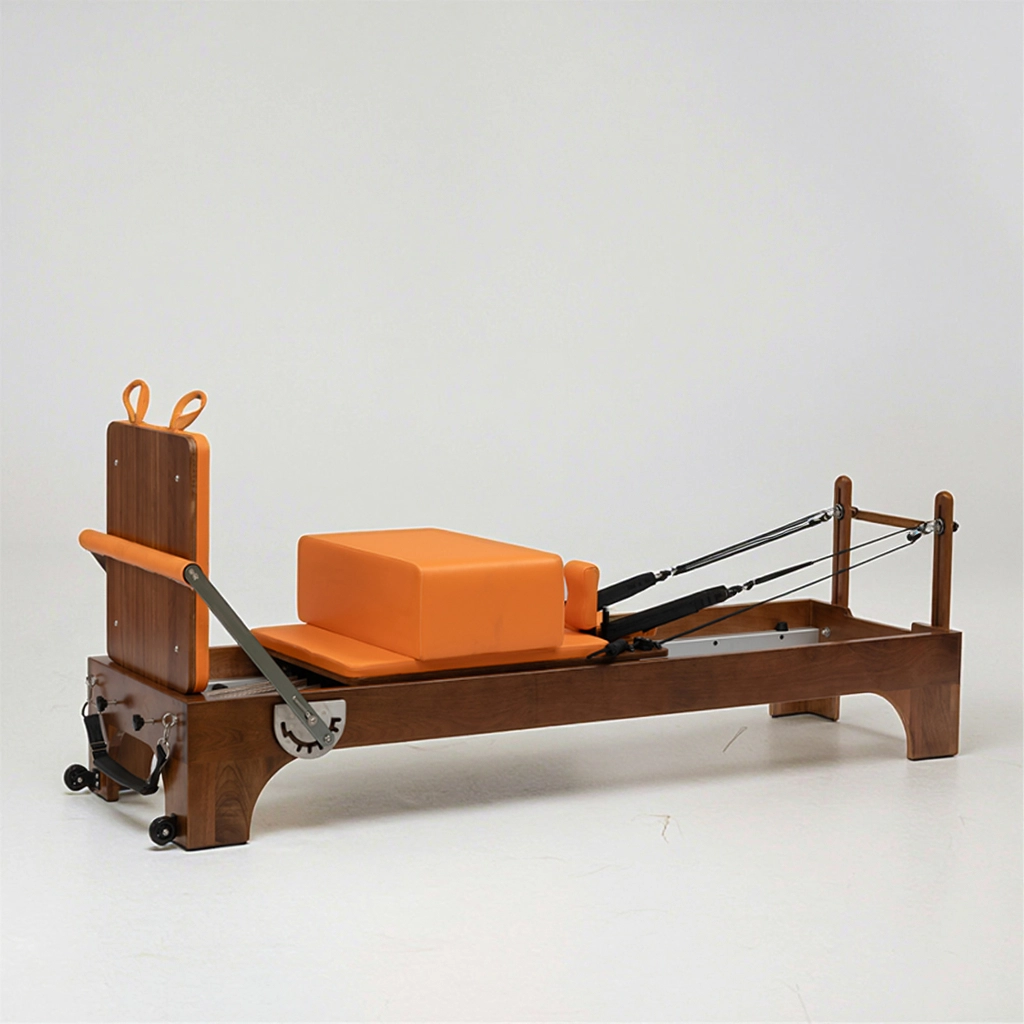
De Pilates-reformator has metamorphosed from Joseph Pilates’ original makeshift contraption into a diverse family of apparatuses designed to meet specific biomechanical and spatial needs. The spectrum ranges from the Classical Wooden Reformer, revered for its rigidity, silence, and connection to history, to modern Aluminum and Hybrid models that champion lightness and industrial durability.
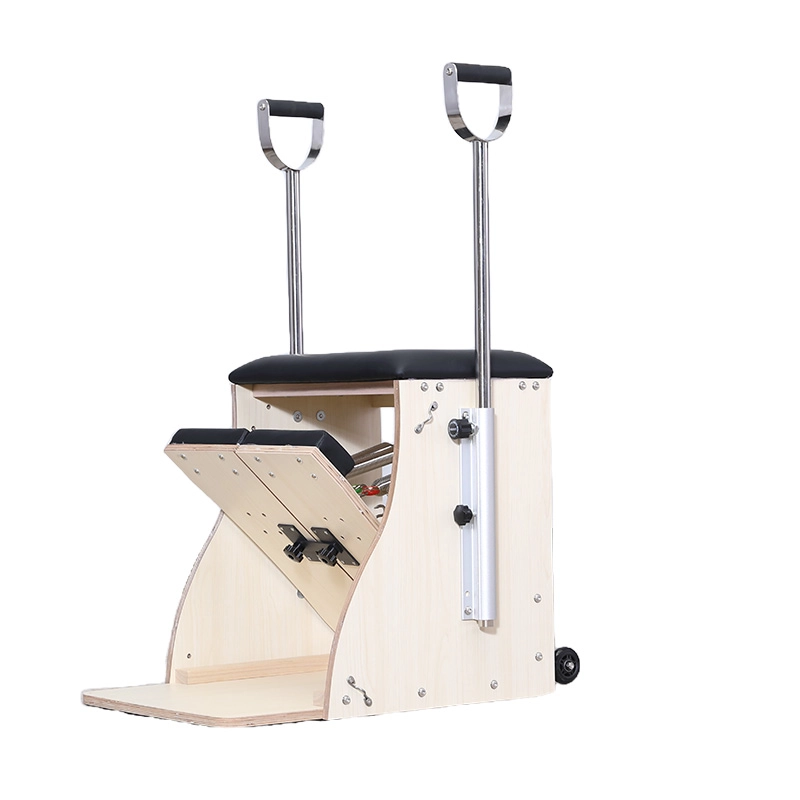
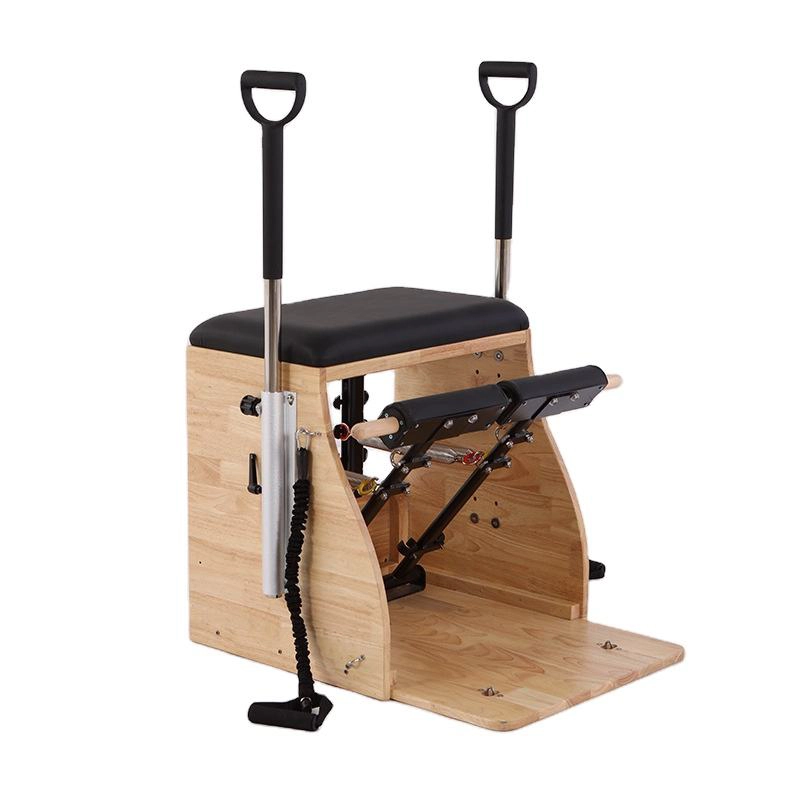
Beyond the frame material, specialized units like the Cadillac-Reformer Combo, Megaformers (for high-intensity Lagree fitness), and Rehab V2 Max units cater to niche markets. Whether it is a foldable unit tucked under a bed or a studio-grade machine meant to withstand 10 hours of daily use, the common denominator is the need to understand how resistance, adjustability, and ergonomics interplay.
Home Sanctuaries vs. Commercial Studios
The environment dictates the design. A machine built for a private residence has fundamentally different engineering requirements than one destined for a bustling fitness center.
The Home Pilates Reformer
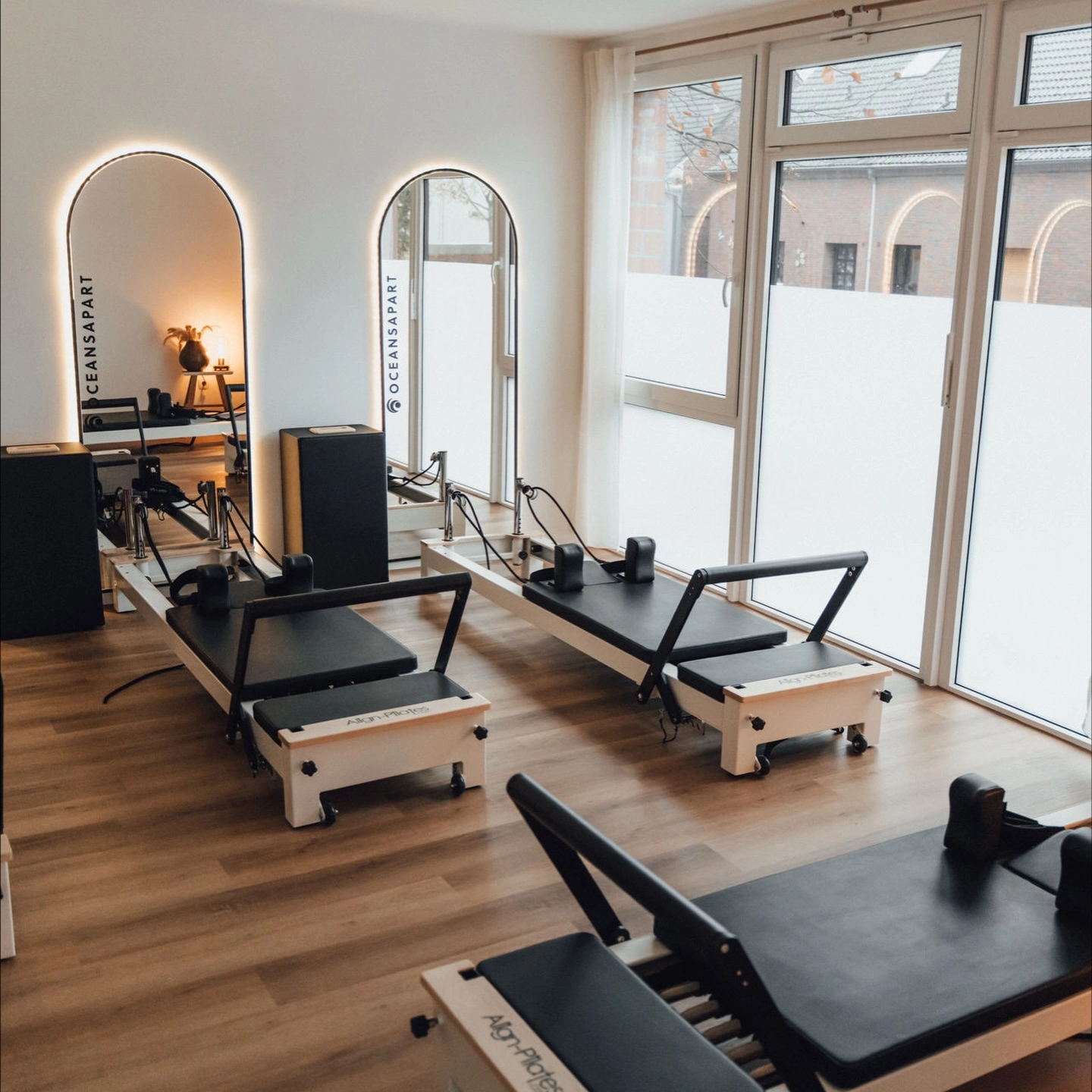
Overview: These units are engineered for the individual enthusiast. The design philosophy centers on footprint reduction, maneuverability, and user-friendly assembly.
- The Pros: They are unobtrusive, often equipped with wheels or folding mechanisms, and are significantly more affordable. They are perfect for maintaining consistency between studio sessions.
- The Cons: To save weight, mass is sacrificed, which can lead to a less stable feel during vigorous jumping or heavy resistance work. They often lack the nuanced adjustability of professional distinct footbars and gear systems.
- Target Audience: The apartment dweller or the solo practitioner.
- Examples: AeroPilates series, Peak Pilates Casa.
The Studio/Gym Reformer
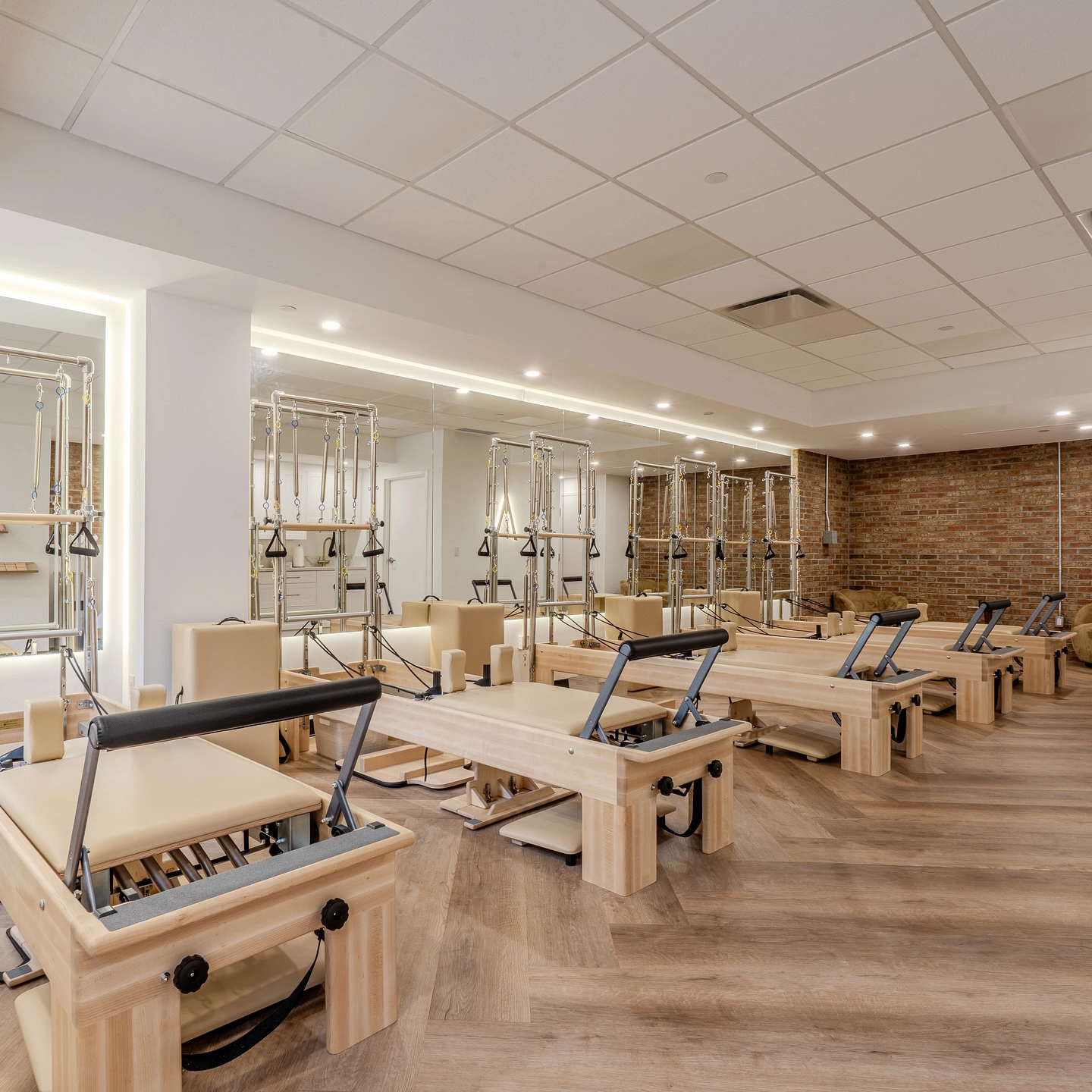
Overview: These are the workhorses of the industry. They are constructed with heavy-gauge steel or thick hardwood to ensure zero flex during use by clients of all sizes.
- The Pros: Unmatched durability and stability. They utilize commercial-grade vinyl, high-tension springs, and offer the widest range of modifications for special populations.
- The Cons: They are expensive, heavy, and occupy a permanent footprint in the room. Moving them requires effort.
- Target Audience: Commercial gyms, boutique Pilates studios, and luxury home gyms.
- Examples: Balanced Body Allegro 2, Merrithew V2 Max.
Complexity Levels: Basic vs. Advanced Configurations
Basic Pilates Reformers
Overview: These machines strip the Reformer down to its bare essentials: a carriage, a footbar, and a resistance system. They are often synonymous with entry-level home models.
- Why Choose It: They lower the barrier to entry, both financially and intellectually. If you simply want to do “Footwork” and “The Hundred,” this is all you need.
- The Trade-off: You may outgrow the machine as your practice deepens. They often lack the ability to add towers or jump boards.
Advanced Reformers
Overview: These are versatile platforms designed for complex biomechanical work. They feature adjustable gear bars, moveable pulley risers, and compatibility with “Towers” or “Half-Cadillacs.”
- Why Choose It: They grow with you. As your strength increases, the machine offers new challenges. They are essential for instructors who need to modify setups for injured clients.
- The Trade-off: The array of knobs and levers can be intimidating to the uninitiated and requires a higher financial investment.
Intended Purpose: Professional Fitness vs. Clinical Rehabilitation
Professional Fitness Reformers
Overview: Designed for “Flow.” These machines allow for quick transitions between exercises to keep the heart rate up and the class moving.
- Key Features: Quick-change spring systems, easy-to-adjust footbars, and durable upholstery that withstands sweat and friction.
Rehabilitation Reformers
Overview: These are medical devices disguised as gym equipment. They are often higher off the ground (24 inches+) to make mounting and dismounting easier for elderly or injured patients.
- Key Features: They emphasize “Verticality” and support. The resistance systems often include lighter “quarter” springs for extremely delicate neural-muscular re-education.
- The Trade-off: They can be too bulky for a high-intensity circuit training environment.
Material Science: The Warmth of Wood vs. The Utility of Aluminum
Wooden Reformers
Overview: Usually crafted from maple, oak, or beech, these machines are the direct descendants of Joseph Pilates’ original designs.
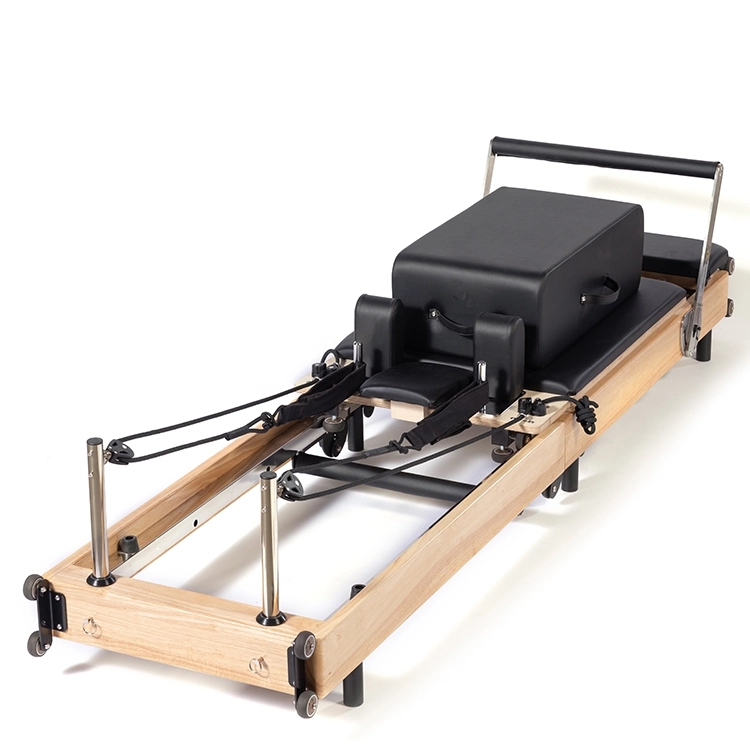
- The Aesthetic & Feel: Wood absorbs sound and vibration, resulting in a silent, “thud-free” ride. They offer a sense of warmth and luxury that elevates a studio’s atmosphere.
- Considerations: They are susceptible to humidity changes (though high-end finishes mitigate this) and are very heavy.
Aluminum Reformers
Overview: Constructed from anodized or powder-coated aluminum extrusions.
- The Aesthetic & Feel: Sleek, modern, and industrial. They are incredibly resistant to wear, easy to clean, and much lighter than wood.
- Considerations: They can feel “cold” to the touch and may transmit more vibration through the frame than a dense wooden unit.
Doctrinal Differences: Classical vs. Modern
The Classical Reformer
Overview: These machines are strict adherences to the dimensions and mechanics established by Joseph Pilates in the early 20th century.
- Characteristics: Leather straps (not ropes), lower footbars, and four springs of equal tension. The goal is to fit the body to the method.
- Best For: Purists practicing “Contrology.”
The Modern Reformer
Overview: These machines apply modern exercise science to the original concept.
- Characteristics: Adjustable ropes/risers, ergonomic shoulder rests, and five or six springs of varying weights (Heavy, Medium, Light). The goal is to fit the method to the body.
- Best For: Contemporary studios, athletic conditioning, and physiotherapy.
The Digital Age: Smart Reformers vs. Analog Tradition
Smart Reformers
Overview: The “Peloton-ification” of Pilates. These units come with integrated touchscreens or Bluetooth sensors.
- The Innovation: They track metrics like carriage travel, spring load, and calories burned. They provide on-demand classes, which is excellent for home motivation.
- The Downside: Technology ages faster than steel. A glitchy screen can render the experience frustrating, and subscriptions add a recurring cost.
Traditional Reformers
Overview: Purely mechanical. No plugs, no updates, no Wi-Fi needed.
- The Strength: They are timeless. A well-made traditional reformer can last 30 years with basic maintenance. The focus is entirely on the internal “mind-body” connection rather than external data.
Deep Dive: Spring Resistance vs. Bungee Cords
This section addresses the core of our title question. The resistance mechanism is the soul of the Reformer; it dictates how the movement feels.
The Spring Reformer System
Overview: High-quality nickel-plated carbon steel coils.
- The Physics: Springs adhere to Hooke’s Law—resistance increases effectively as the spring is extended. This means the end of the movement is harder than the beginning.
- The “Eccentric” Advantage: When returning the carriage to the “stopper” (home position), the springs want to snap back. The user must fight this tension, creating a powerful eccentric contraction that builds lean muscle.
- Durability: Metal springs maintain their tension accuracy for years.
- Verdict: The gold standard for fitness and progression.
The Elastic/Bungee Cord System
Overview: Thick rubber cables or fabric-wrapped bungee cords.
- The Physics: Bungees provide a flatter resistance curve. They feel smoother and lack the jarring “noise” of springs expanding and contracting.
- The “Soft” Advantage: The resistance is fluid and forgiving, which is exceptionally gentle on joints. This makes it ideal for geriatric care or absolute beginners who might be intimidated by heavy springs.
- Durability: Rubber oxidizes and loses elasticity (hysteresis) much faster than steel. Cords will need frequent replacement.
- Verdict: Best for quiet home use, travel, or light rehab.

Structural Form: Standard vs. Compact vs. Foldable
Standard Reformer
Dimensioner: Approx. 90-100 inches long.
Use Case: The permanent fixture. Offers the full range of motion for tall users and maximum stability.
Compact Reformer
Dimensioner: Approx. 80-85 inches long.
Use Case: Smaller rooms. While they save space, users over 6 feet tall may find them cramping, unable to fully extend legs during strap work.
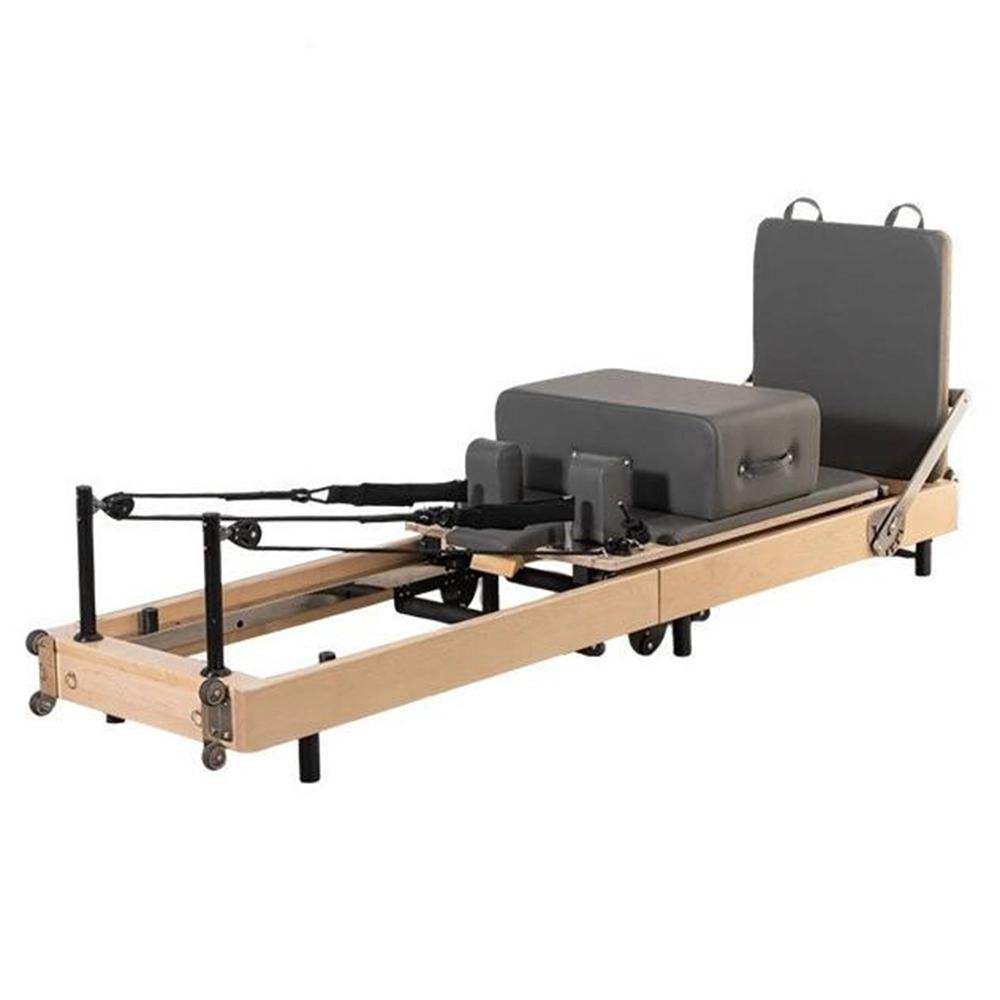
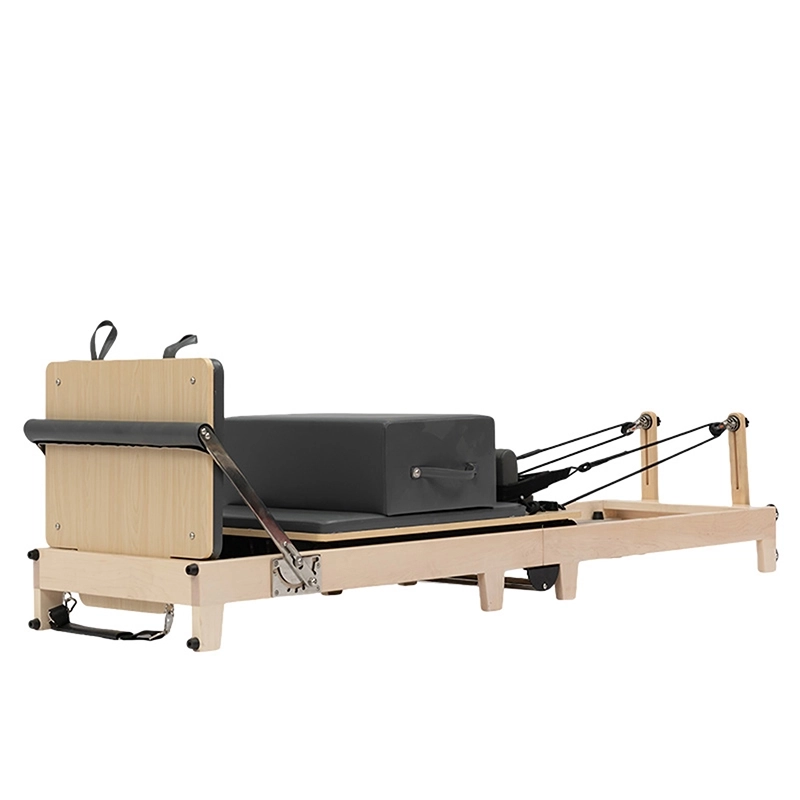
Foldable Reformer
Mechanism: Hinges in the center of the rail.
Use Case: The ultimate space-saver.
Caveat: The hinge point is a structural weak point. While safe, there is often a slight “bump” in the ride as the carriage wheels pass over the seam, which can be distracting during flow work. For those needing a portable option, a high-quality Foldable Reformer is an excellent choice for home use.
Market Analysis and Pricing
The Reformer market is bifurcated.
- Entry-Level (USD $400 – $1,500): Dominated by mass-market brands using bungee cords, thinner steel, and plastic components. Good for beginners, but resale value is low.
- Mid-Range (USD $2,000 – $4,500): The sweet spot for enthusiasts. Solid aluminum or wood, standard springs, good resale value.
- Premium/Studio (USD $5,000+): Hand-crafted wood, medical-grade vinyl, lifetime warranties on frames.
Global Trends: While North America favors the established giants, the manufacturing prowess of Asia is shifting the landscape, bringing high-quality commercial specs to a lower price point.
Decision Matrix: How to Choose
| If you are… | You should prioritize… | Recommended Type |
|---|---|---|
| A Studio Owner | Durability, Stackability, Adjustability | Aluminum or Wood Studio Reformer (Springs) |
| A Home Beginner | Price, Storage, Ease of Use | Foldable or Compact Reformer (Cords or Springs) |
| Recovering from Injury | Height (High legs), Smoothness | Rehab Reformer (Springs/Tower Combo) |
| A Classical Purist | Leather straps, Original Dimensions | Classical Wood Reformer |
Industry Players: Legacy vs. Innovation
The Old Guard (Established Brands)
Companies like Balanced Body, Merrithew (Stott), og Gratz defined the industry. They offer peace of mind. You know exactly what you are getting: tested biomechanics, readily available spare parts, and a vast certification network. They are the “safe” investment for commercial ventures.
The New Wave (Emerging Brands)
Newer manufacturers, such as Bilinkpilates (founded in 2010), are disrupting the status quo. By leveraging agile manufacturing in China, they offer competitive alternatives.
- The Madpilates Advantage: They bridge the gap between cost and quality. Focusing on both Wood and Aluminum frames, they provide OEM (Original Equipment Manufacturer) and ODM (Original Design Manufacturer) services. This is a game-changer for new studio owners who want custom-branded equipment without the massive markup of legacy brands. They represent the democratization of high-end Pilates equipment, making studio-quality gear accessible to a broader global audience.
Frequently Asked Questions (FAQ)
1. Can I change a bungee cord reformer to a spring system later?
Generally, no. The frame design and anchoring points for springs are fundamentally different from cords. Springs require high-tension hooks and gear bars, whereas cords often use a clamp system. It is vital to choose the resistance system you want at the time of purchase.
2. How often do springs need to be replaced compared to cords?
In a commercial setting, main springs should be replaced every 2 years to ensure safety and consistent tension. Bungee cords, however, may need replacement every 6 to 12 months depending on usage, as rubber degrades faster than steel, leading to a “slack” feeling in the ropes.
3. Is a foldable reformer safe for heavy people?
Most high-quality foldable reformers have a weight limit of around 250-300 lbs. However, because the frame has a hinge, it will never be as rigid as a solid frame. Heavier users or those performing dynamic jumping exercises should opt for a solid-frame “Compact” model or a studio-grade machine for maximum safety and stability.
Konklusion
The debate between springs and cords is ultimately a debate between tradition/performance og convenience/comfort. Springs offer the authentic, muscle-sculpting resistance that defines the Pilates method, while cords offer a gentle entry point and quiet operation.
Whether you lean toward the prestige of legacy brands or the innovative, cost-effective solutions offered by emerging players like Bilinkpilates, the most important factor is consistency. The best Reformer is the one that feels good to your body and encourages you to get on the carriage every single day.
Elevate Your Practice With Bilinkpilates
At Madpilates, we transcend the role of a simple manufacturer. We are your strategic partners in fitness infrastructure. Offering a diverse portfolio that rivals major competitors (comparable to Balanced Body & Merrithew configurations), our team of specialized equipment designers is on standby to consult on your specific layout and biomechanical needs.
From the tactile warmth of traditional wooden equipment to the sleek efficiency of modern aluminum designs, Madpilates has the capability to execute your vision. Whether you are outfitting a boutique studio from scratch or upgrading a home gym, we provide prompt, professional responses. Contact us today—let us help you light up your fitness stage.
 English (United States)
  English (Canada)
  English (Australia)
  English (New Zealand)
  English (UK)
  Arabic
  Bulgarian
  Czech
Czech  Danish
  Greek
Greek  Spanish
  Ukrainian
  Turkish
  Thai
Thai  Swedish
  Serbian
  Slovenian
  Slovak
  Russian
  Romanian
  Portuguese (Portugal)
  Portuguese (Brazil)
  Norwegian
  Dutch
Dutch  Estonian
  Finnish
  French
  Hindi
Hindi  Croatian
  Indonesian
  Icelandic
  Italian
  Japanese
  Georgian
  German
  Lithuanian
  Polish
  Korean
  Uzbek
Uzbek  Hungarian
  Malay
Malay