
Reformer Pilates is good for delivering a comprehensive, low-impact, full-body workout that simultaneously builds strength, improves flexibility, corrects posture, and enhances mental focus. By utilizing a specialized machine with spring-loaded resistance, it offers a unique ability to either assist those with limited mobility or vigorously challenge elite athletes, making it highly effective for rehabilitation, core conditioning, and functional movement training.
1. What is the Pilates Reformer and How is it Designed?
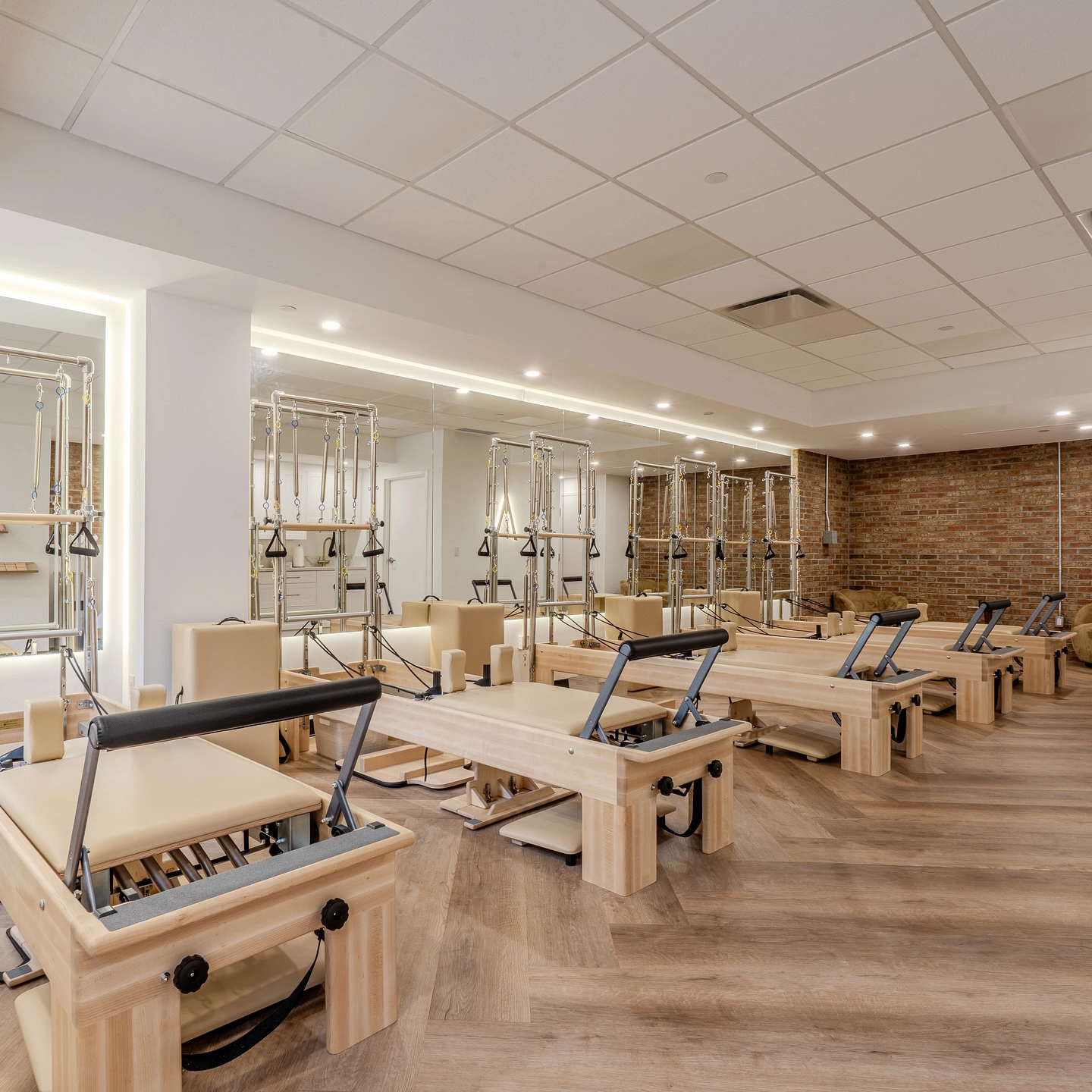
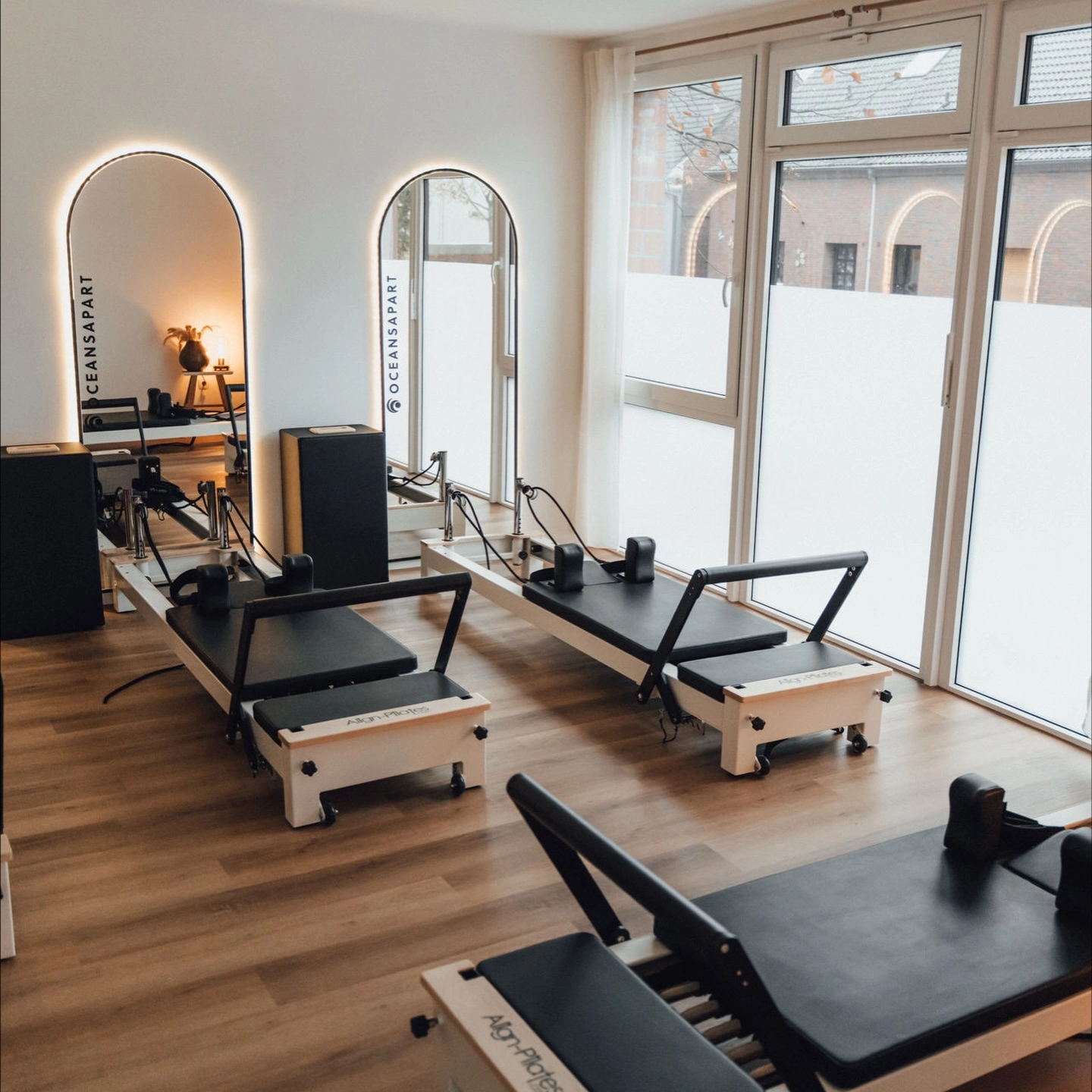
If you were to walk into a dedicated Pilates studio without any prior context, you might be forgiven for thinking you had stumbled into a medieval dungeon or a Victorian-era medical experiment. The room is often filled with leather-clad beds, pulleys, ropes, and metal springs. It looks intimidating, industrial, and perhaps a little like a torture chamber.
However, looks can be deceiving. This apparatus, known as the Pilates-reformator, is widely considered one of the most effective and versatile pieces of exercise equipment ever invented.
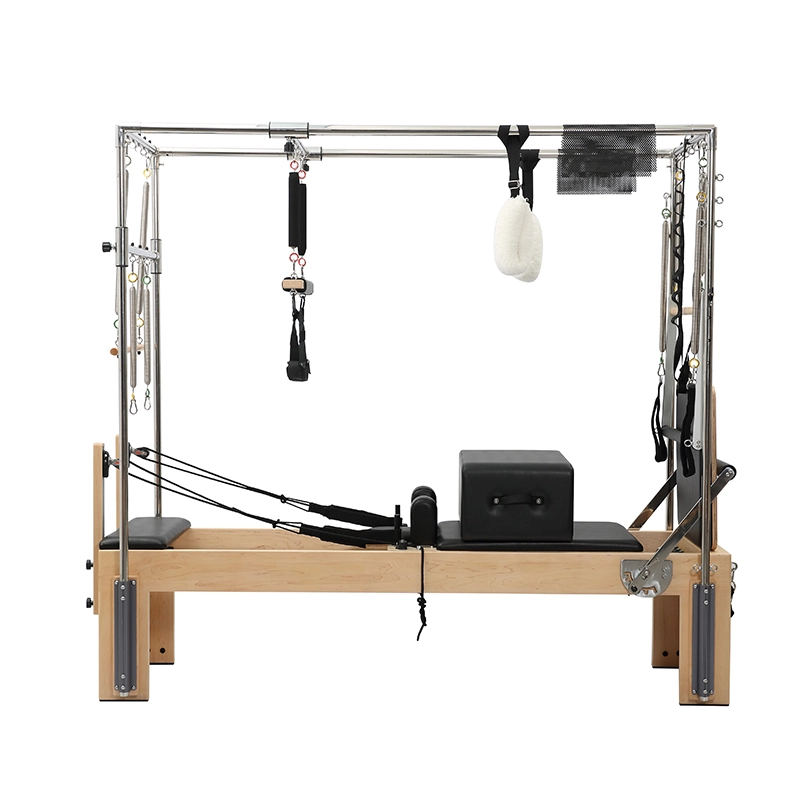
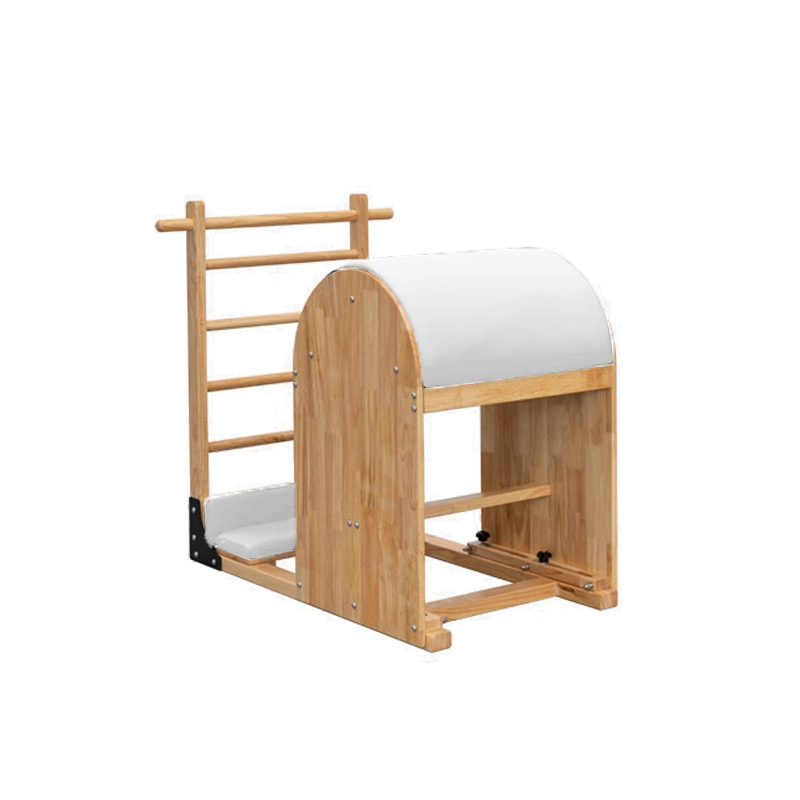
The Reformer is the centerpiece of the large equipment family found in a professional studio, sitting alongside the Cadillac (Trapezbord), den Wunda-stol, and the Stigetønde. While Joseph Pilates, the founder of the method, famously noted that you can exercise without machines, he also emphasized that it is “not as efficient.” The Reformer was engineered to bridge that gap between effort and efficiency.
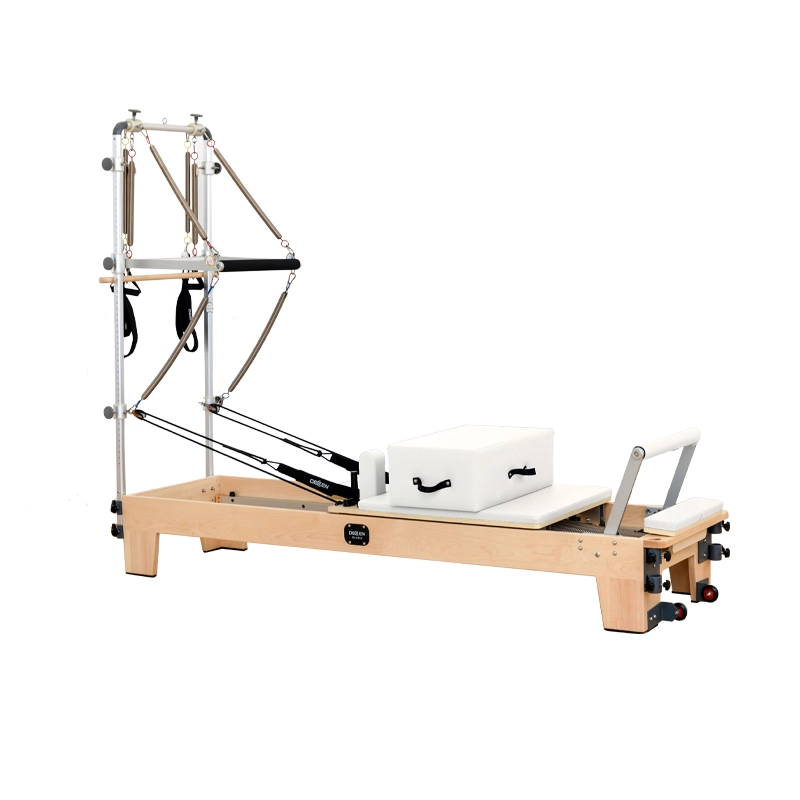
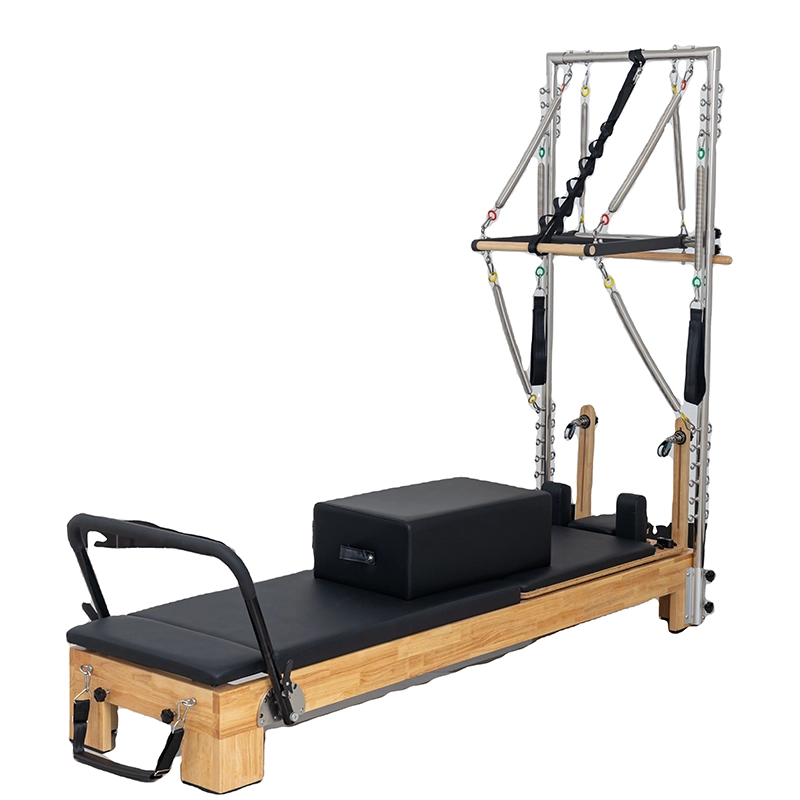
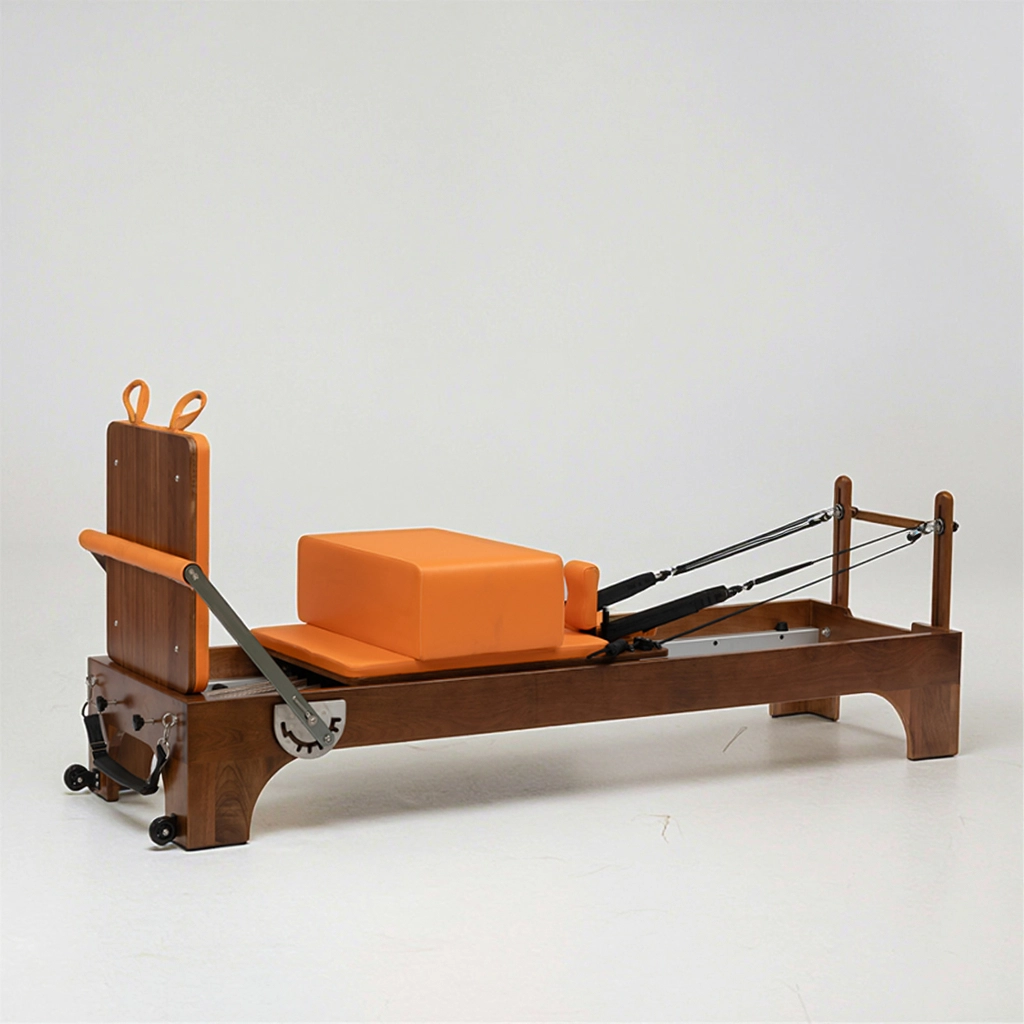
The Anatomy of the Machine
To understand what the Reformer is good for, one must understand its components. It is not merely a bench; it is a complex system of feedback and resistance.
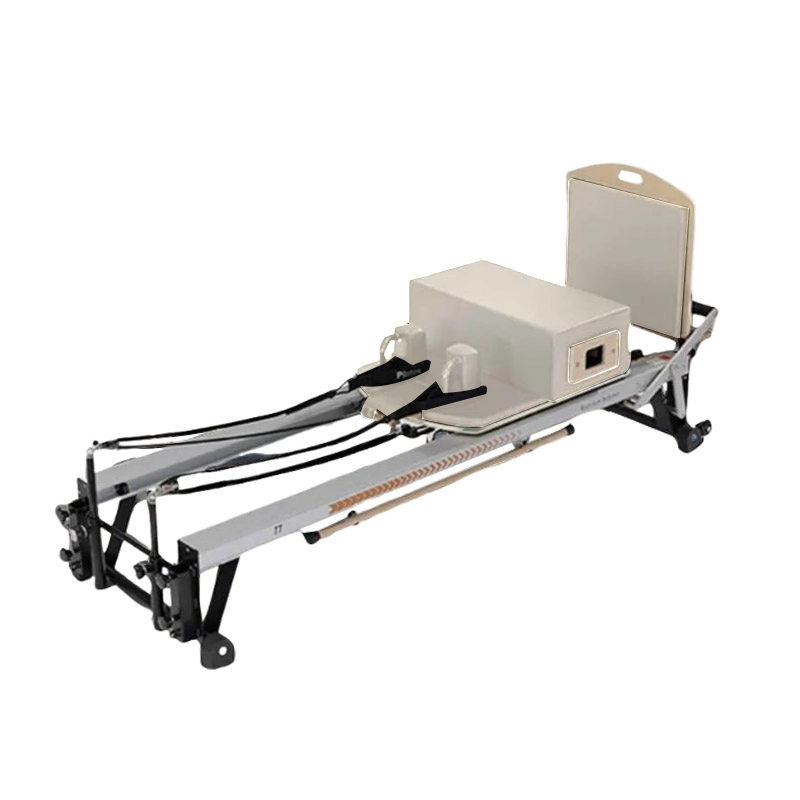
- The Frame: Usually constructed from high-quality wood or metal, this rectangular bed-like structure defines the space of the workout.
- The Carriage: This is the flat, padded platform that sits within the frame. It is not fixed; rather, it is mounted on wheels and runners, allowing it to glide smoothly back and forth along the length of the frame. This gliding motion is central to the “flow” principle of Pilates.
- The Springs: Perhaps the most critical component, one end of the carriage is attached to a series of springs. These springs hook onto the frame and offer varying levels of tension. Unlike static weights in a gym, springs provide dynamic resistance—meaning the tension changes as the spring stretches and recoils.
- The Foot Bar: Located at the spring end of the reformer, this adjustable bar acts as a launchpad for the feet or hands. It can be raised, lowered, or locked into different angles to accommodate user height and specific exercise requirements.
- The Straps and Risers: At the opposite end of the frame, ropes run through pulleys on risers. These ropes are attached to the carriage and end in loops (often a double-loop system with a small loop for hands and a larger one for feet). Pulling these ropes moves the carriage.
- Shoulder Blocks and Headrest: To ensure comfort and safety, the carriage is equipped with padded blocks to keep the shoulders stable and an adjustable headrest to support the cervical spine.
This intricate design allows the body to move in a full range of motion while sustained by the machine, or to be challenged by the instability of the moving carriage.
2. How Does the Reformer Mechanics Change the Way You Exercise?
The genius of the Reformer lies in its dual nature: it acts as both a spotter and a challenger. This binary function is what makes the equipment “Universal,” as Joseph Pilates originally intended to name it.
The Concept of Assistance
For beginners, those recovering from injury, or individuals with limited mobility, the Reformer acts as a support system.
- Eliminating Gravity: When performing mat Pilates, you are often fighting gravity. For example, doing a “Roll Up” or “Roll Down” on a mat requires significant abdominal strength to articulate the spine smoothly. Without that strength, people often jerk their bodies or strain their hip flexors. On the Reformer, you can hold the straps. The tension of the springs assists you, acting as a counterweight that supports your torso, allowing you to articulate the spine correctly and engage the correct muscles without strain.
- Load Management: Consider an exercise like leg lowers. On the floor, the weight of your legs can be heavy, putting immense strain on the lower back if the core isn’t strong enough. On the Reformer, placing your feet in the straps carries the weight of the legs. This allows you to focus purely on the movement pattern and pelvic stability without the risk of injury.
The Concept of Resistance and Challenge
Conversely, the Reformer is a powerhouse for building strength.
- Spring Tension: By adding heavier springs, you increase the resistance you must push or pull against. This is similar to adding plates to a barbell.
- Reduced Stability: Paradoxically, removing springs can sometimes make an exercise harder. Because the carriage is on wheels, it is inherently unstable. If you are in a plank position on the carriage with heavy springs, the carriage won’t move much—it’s stable. If you use a very light spring, the carriage wants to slide away from you. You must use your deep intrinsic core muscles just to hold the carriage still.
- Eccentric Contraction: The springs work in two directions. You must work to push the carriage out (concentric contraction), but you must also control the return of the carriage (eccentric contraction) so the springs don’t snap it back. This two-way engagement doubles the workload and builds long, lean muscle tissue.
3. Why is Reformer Pilates Beneficial for Total Body Health?
When asking “What is Reformer Pilates good for?”, the answer extends far beyond simple muscle building. It impacts the skeletal system, the nervous system, and overall biomechanics.
Core Strength and Stability
This is the hallmark of Pilates. The Reformer requires you to move your limbs (arms and legs) while stabilizing your torso on a moving surface. This forces the Transverse Abdominis (the corset muscle that wraps around your waist) and the pelvic floor to engage constantly. A strong core is not just about a “six-pack”; it is about supporting the spine and preventing back pain.
Posture and Alignment
Modern life is sedentary. We hunch over computers and phones, leading to “tech neck,” rounded shoulders, and tight hips. The Reformer encourages extension and opening of the chest. The tactile feedback from the shoulder blocks and the carriage helps users sense when they are out of alignment. By strengthening the posterior chain (the muscles on the back of the body), the Reformer naturally pulls the body into a more upright, proud posture.
Flexibility and Mobility
Strength training often comes at the cost of flexibility, leading to bulky, tight muscles. Reformer Pilates promotes “strength with length.” Many exercises involve stretching a muscle group while simultaneously engaging it. The straps allow you to move your limbs through a range of motion that might be impossible on the floor, gradually increasing flexibility in the hamstrings, hips, and shoulders without aggressive static stretching.
Balance and Coordination
Exercises on the Reformer often require doing different things with different limbs—perhaps one leg is pushing the bar while arms are pulling straps. This requires immense coordination and creates new neural pathways in the brain. Furthermore, the instability of the rolling carriage challenges your balance systems (proprioception), which is vital for athletic performance and for preventing falls as we age.
4. Who is Reformer Pilates Suitable For?
One of the most compelling attributes of the Reformer is its inclusivity. It is one of the rare forms of exercise that is truly adaptable to every body type, age, and fitness level.
The Rehabilitation Patient
Because the Reformer is low-impact—meaning there is no shock absorption required by the joints like in running or jumping—it is a favorite tool of physiotherapists. It allows for “closed kinetic chain” exercises, where the hand or foot is fixed against a bar or board. This is safer for rebuilding strength in knees and hips post-surgery (such as ACL repairs or hip replacements) because it allows for strengthening without the compressive force of gravity or body weight.
The Pre and Post-Natal Woman
During pregnancy, the body changes rapidly. The Reformator offers a safe environment to exercise. The adjustable springs allow for modifications as the baby grows, and the machine can support the body in comfortable positions (like kneeling or side-lying) when lying on the back is no longer advised. Post-partum, it is an excellent, gentle way to reconnect the abdominal muscles and strengthen the pelvic floor without high-impact stress.
The Elite Athlete
Don’t let the gentle nature mislead you; the Reformer is a staple for professional football players, dancers, and runners. It corrects muscular imbalances. For example, a runner may have strong quads but weak glutes and hamstrings. The Reformer can isolate these weak areas to prevent injury. The focus on core stability also improves power transfer, making the athlete more efficient at their sport.
The Aging Adult
As we age, we lose muscle mass (sarcopenia) and bone density. The resistance provided by the springs provides enough load to stimulate bone density improvements without stressing the joints. The emphasis on balance and coordination is crucial for maintaining independence and confidence in movement later in life.
5. Where Does the Reformer Fit in the Landscape of Fitness?
To fully understand what the Reformer is good for, we must compare it to the other primary way of practicing Pilates: Mat Pilates.
Visual and Tactile Feedback
In a Mat Pilates class, you are essentially floating in space. You must rely entirely on your own body awareness (proprioception) to know if your hips are level or your shoulders are down. This is difficult, especially for beginners. The Reformer provides physical boundaries. You can feel your feet against the bar; you can feel your shoulders against the blocks. This tactile feedback tells your brain exactly where your body is in space, leading to faster learning and better form.
Variety and Boredom Busting
Mat Pilates is fantastic, but the repertoire can feel limited to your own body weight. The Reformer offers hundreds of exercise variations. You can lie down, sit, kneel, stand, or perch on all fours. You can face the foot bar, face the straps, or face the side. This variety keeps the mind engaged. It is impossible to be bored when you are concentrating on coordination, breath, balance, and the movement of the machine all at once.
The “Fun” Factor
There is a unique sensation to gliding on the carriage. Pulling the straps can feel like rowing a boat; pushing off the footbar can feel like flying. This sensory experience is soothing to the nervous system. Unlike the grueling, punishment-mentality of some high-intensity interval training (HIIT), Reformer Pilates is often described as “joyful movement.” It feels good to do, which increases the likelihood that you will stick with the routine.
6. When Should You Incorporate Reformer Pilates?
Integration is key. Reformer Pilates is not necessarily a replacement for all other forms of exercise, but rather the glue that holds a fitness routine together.
Frequency for Results
Joseph Pilates famously suggested a timeline for results: “In 10 sessions you’ll feel the difference, in 20 you’ll see the difference, and in 30 you’ll have a whole new body.” While this is a marketing slogan, there is truth to it. Consistency is vital. Most experts recommend 2 to 3 sessions per week to see significant changes in strength and posture.
Complementary Training
Because it is low impact, Reformer Pilates can be done on “rest days” from heavy lifting or running. It serves as active recovery, flushing blood through the muscles and stretching tight areas. It prepares the body to handle higher loads in the gym and reduces the recovery time needed between intense sport sessions.
Feature 1: A Deep Dive into Two Key Exercises
To illustrate exactly what the Reformer is good for, let’s look closely at how the machine changes specific movements compared to traditional exercise.
1. The “Scooter” (Standing Leg Work)
- The Setup: You stand with one foot on the stable floor and the other foot on the moving carriage, leaning slightly forward.
- The Action: You bend the standing leg and push the carriage leg back against the resistance of the springs, simulating a running motion.
- Why It’s Good: In a gym, a lunge uses gravity. On the Reformer, the “Scooter” creates a distinct challenge. The standing leg works isometrically to stabilize you (burning out the glute and quad), while the moving leg works dynamically against the spring tension. It requires immense pelvic stability to keep your hips square while the legs are splitting apart. This builds functional strength for walking and running that static lunges cannot replicate.
2. “Feet in Straps” (Leg Circles)
- The Setup: You lie on your back with loops around your feet. The ropes hold the weight of your legs.
- The Action: You perform circles, frogs, or walking motions with your legs in the air.
- Why It’s Good: This is often the user’s favorite part of class. The springs support the weight of the legs, allowing the femur (thigh bone) to rotate freely in the hip socket. This “lubricates” the hip joint and allows for a safe stretch of the hamstrings and adductors without straining the lower back. It promotes hip mobility and creates a feeling of lightness in the legs.
Feature 2: Mental Health and The Mind-Body Connection
While the physical benefits are often the headline act, the mental benefits of Reformer Pilates are the unsung heroes.
Mindfulness in Motion
You cannot “zone out” on a Reformer. If you lose focus, you might fall off the carriage or let the springs snap back noisily. This demand for concentration forces you to be present in the moment. It acts as a form of moving meditation. For that hour, you cannot think about your emails, your stress, or your to-do list; you must think about your breath, your ribcage placement, and the position of your foot on the bar.
Breathwork
Pilates places a huge emphasis on lateral thoracic breathing (breathing into the sides and back of the ribs). This style of breathing ensures that the core muscles remain engaged even during inhalation. Furthermore, conscious, deep breathing stimulates the parasympathetic nervous system—the “rest and digest” state—helping to lower cortisol levels and reduce anxiety. Leaving a Reformer class, practitioners often describe feeling a sense of “calm energy”—alert and awake, but relaxed.
Ofte stillede spørgsmål
1. Is Reformer Pilates effective for weight loss?
Reformer Pilates is primarily a strength and conditioning tool designed to build lean muscle, correct posture, and improve metabolic function. While it burns calories (and can be quite intense depending on the class level), it is not a high-calorie burner in the same way that sustained cardio (like running or spinning) is. However, it is highly effective for body composition. By building muscle mass, you increase your resting metabolic rate (the amount of calories you burn at rest). Furthermore, because it tightens and tones the midsection and improves posture, it often makes people look like they have lost weight very quickly, as they stand taller and hold themselves better. For significant weight loss, it is best paired with a healthy diet and some cardiovascular activity.
2. Do I need to be flexible or fit to start Reformer Pilates?
Absolutely not. This is the biggest myth surrounding the practice. People often see the acrobatic moves on Instagram and assume they need to be a dancer to participate. The reality is that the Reformer meets you exactly where you are. If you have tight hamstrings, the straps can be adjusted, and the footbar can be lowered to accommodate you. If you have a weak core, the springs will support you. You do not do Pilates because you are flexible; you do Pilates to get flexible. It is suitable for complete sedentary beginners, and most studios offer “Intro” or “Level 1” classes specifically designed to teach you the mechanics of the machine safely.
3. Is Reformer Pilates safe if I have back pain?
Generally, yes—in fact, it is often prescribed as a treatment for back pain. Most chronic back pain stems from a weak core, poor posture, and muscular imbalances (e.g., tight hip flexors pulling on the lower back). The Reformer specifically targets these issues. However, safety depends on the type of back issue. If you have an acute injury (like a fresh herniated disc) or a specific condition (like osteoporosis or stenosis), you must consult a doctor first. In these cases, 1-on-1 sessions with a clinical Pilates instructor or a physiotherapist are recommended over group classes. They can modify exercises to ensure you are not flexing or twisting the spine in a way that aggravates your condition.
Konklusion
So, what is Reformer Pilates good for? It is good for the human body in its entirety. It is a sophisticated, intelligent system of movement that refuses to treat the body as a collection of separate parts, but rather as an integrated whole.
Whether you are looking to rehabilitating a nagging injury, seeking a mental escape from the stresses of daily life, or aiming to sculpt a stronger, more resilient physique, the Reformer offers a solution. The “torture chamber” appearance belies a supportive, adaptable, and deeply effective practice. By utilizing the unique mechanics of springs and sliding carriages, it allows us to move better, feel better, and live better.
If you have been hesitating to step into a studio because the machines look complicated, consider this your invitation. The Reformer is there to support you, challenge you, and ultimately, transform you.
 English (United States)
  English (Canada)
  English (Australia)
  English (New Zealand)
  English (UK)
  Arabic
  Bulgarian
  Czech
Czech  Danish
  Greek
Greek  Spanish
  Ukrainian
  Turkish
  Thai
Thai  Swedish
  Serbian
  Slovenian
  Slovak
  Russian
  Romanian
  Portuguese (Portugal)
  Portuguese (Brazil)
  Norwegian
  Dutch
Dutch  Estonian
  Finnish
  French
  Hindi
Hindi  Croatian
  Indonesian
  Icelandic
  Italian
  Japanese
  Georgian
  German
  Lithuanian
  Polish
  Korean
  Uzbek
Uzbek  Hungarian
  Malay
Malay